
After more than a decade as a PC-only soft-body sandbox, BeamNG.drive finally lands on PlayStation 5 in Early Access. The same uncompromising physics engine that turned casual collisions into viral destruction now runs from the living room, complete with local split-screen chaos.
BeamNG.drive began life as an ambitious soft-body physics experiment from the German studio BeamNG GmbH, evolving from early tech demos into a full vehicle sandbox that launched in Steam Early Access on May 29, 2015. Built around a custom node-and-beam simulation that recalculates every structural element of a vehicle at 2,000 Hz, the game spent more than a decade in continuous development, earning a devoted following for its unmatched real-time damage modeling and free, frequent updates. After years of community demand, the title finally reached consoles with its PlayStation 5 Early Access release on October 19, 2026—arriving alongside version 0.40 and bringing the same core physics engine to a living-room audience for the first time.
Graphics
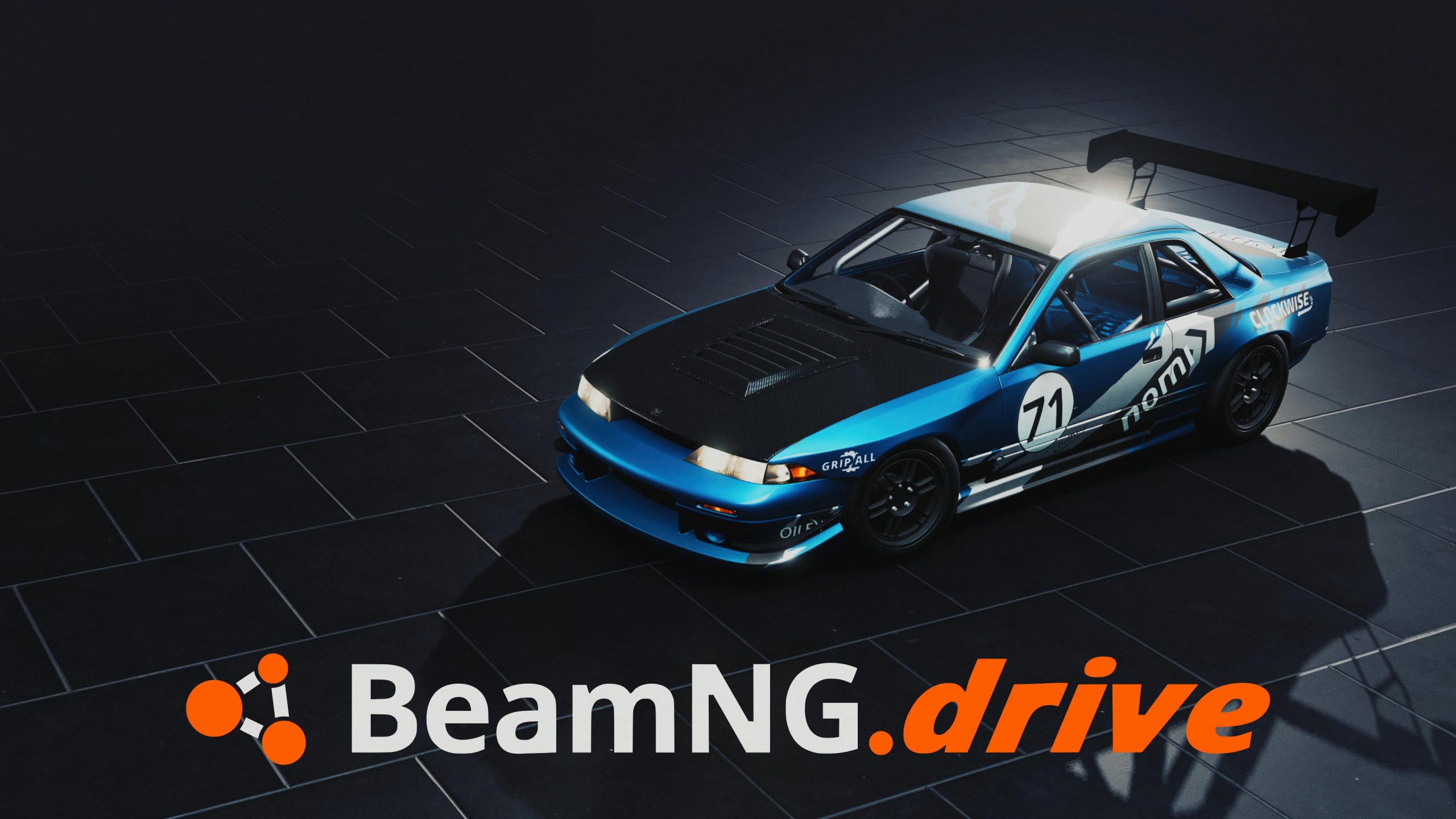
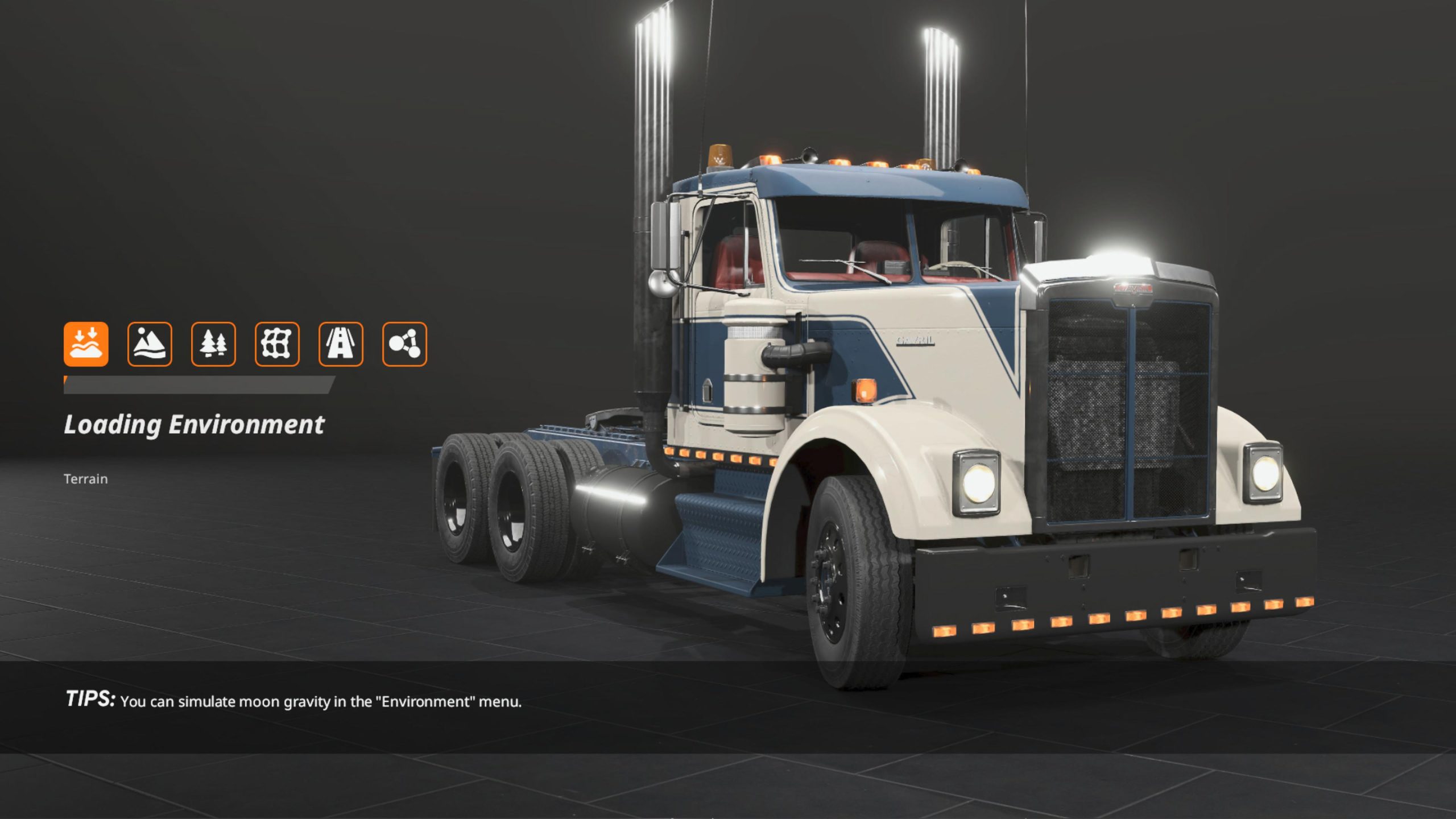
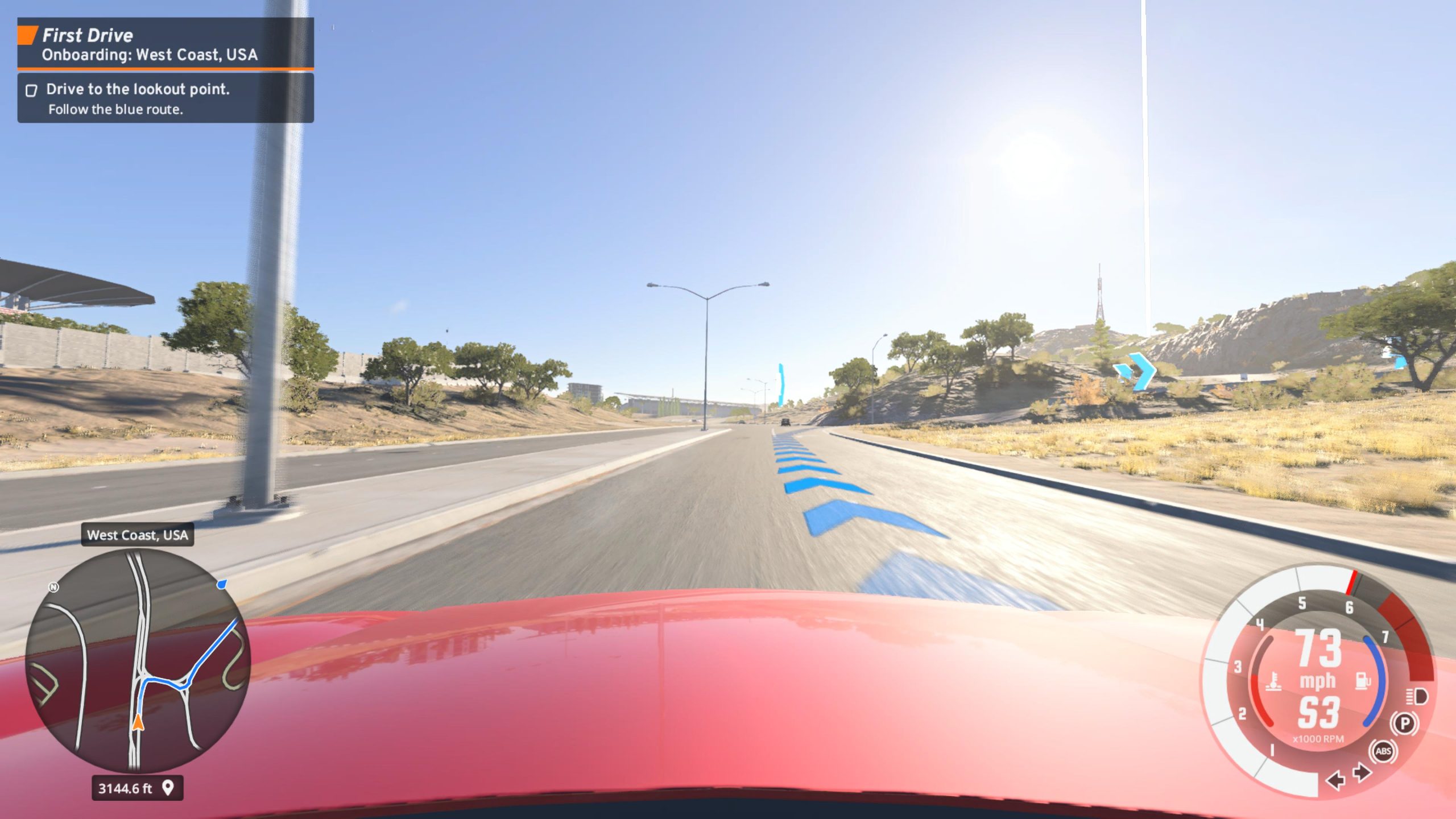
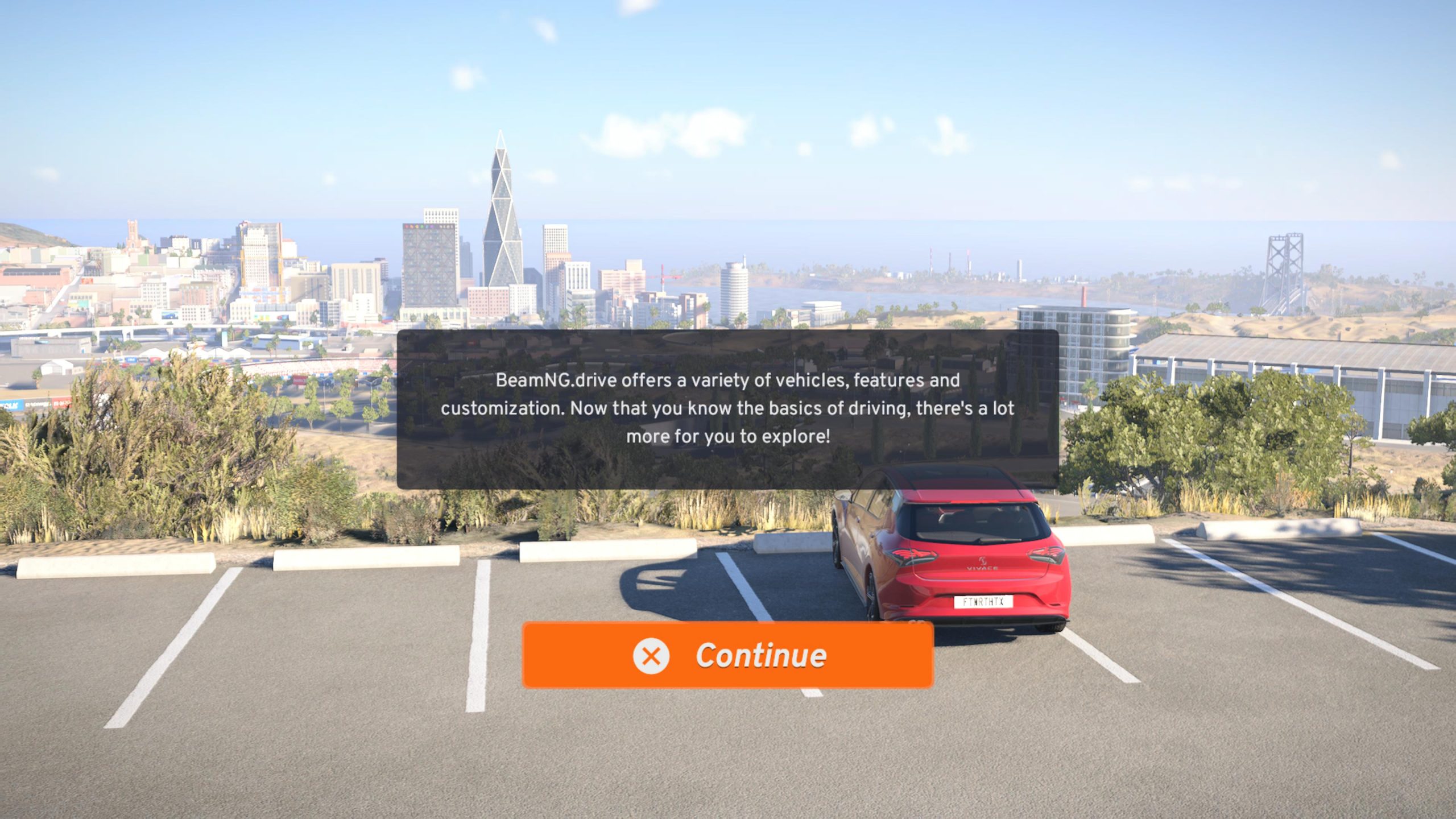
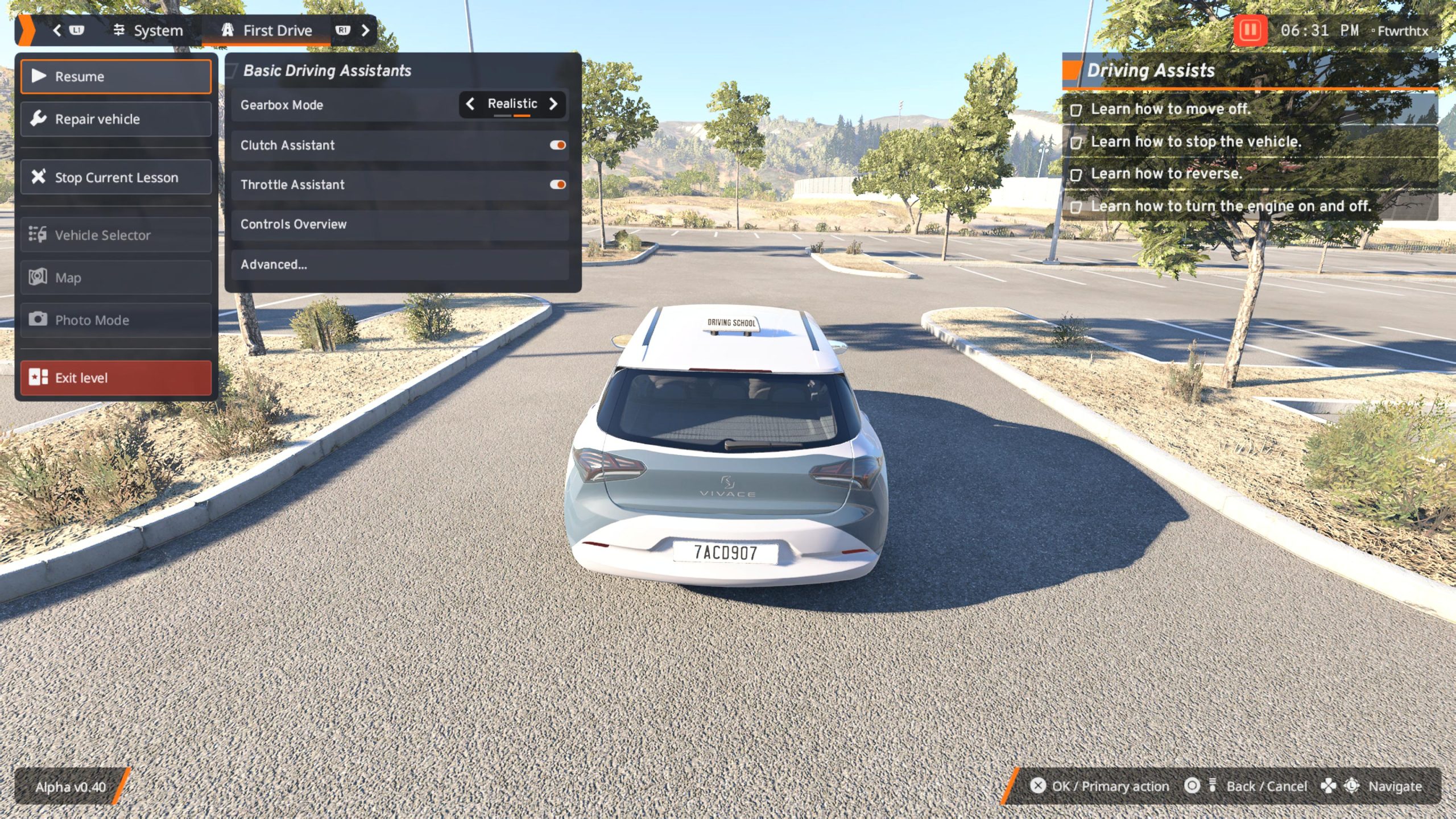
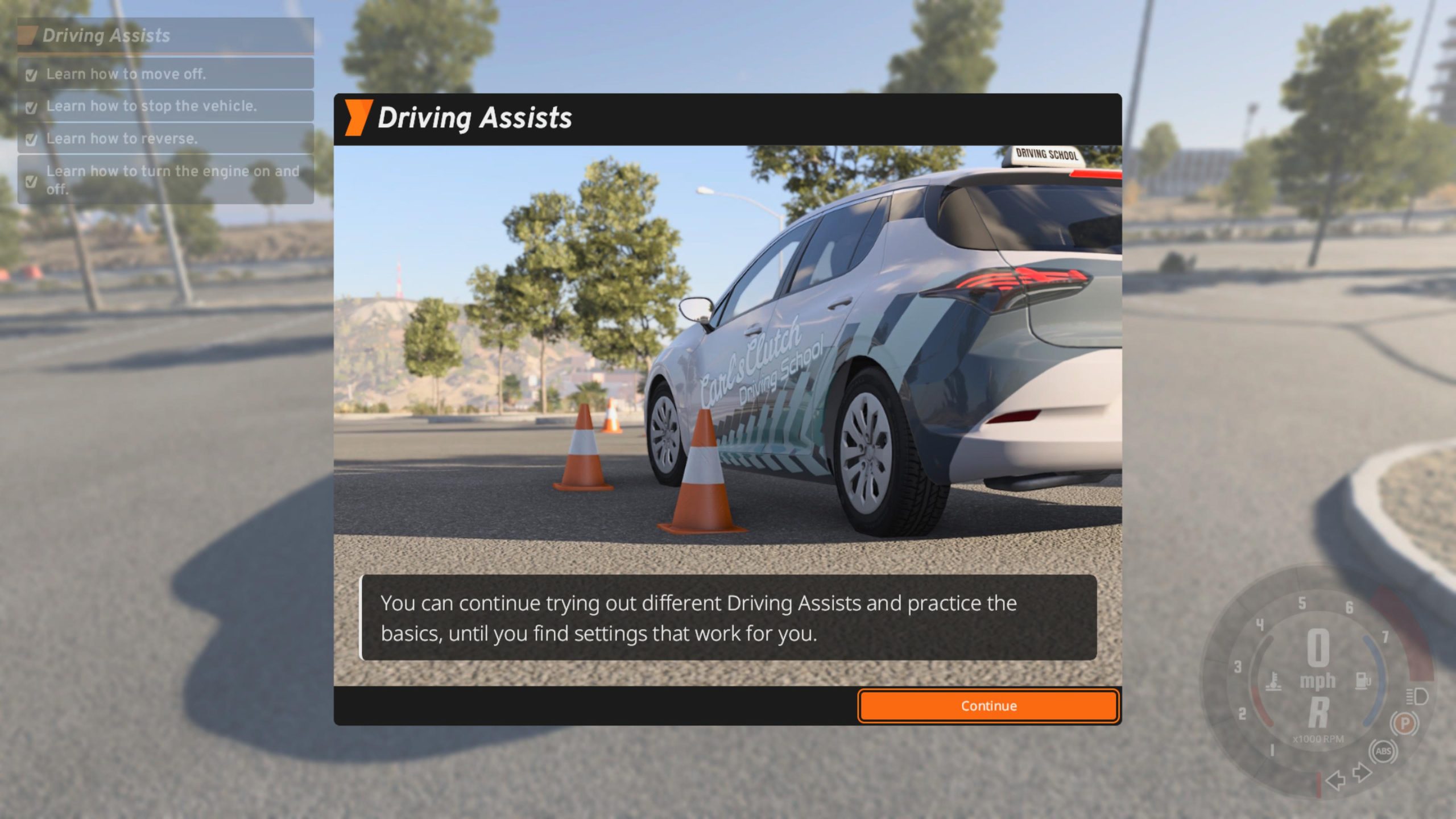
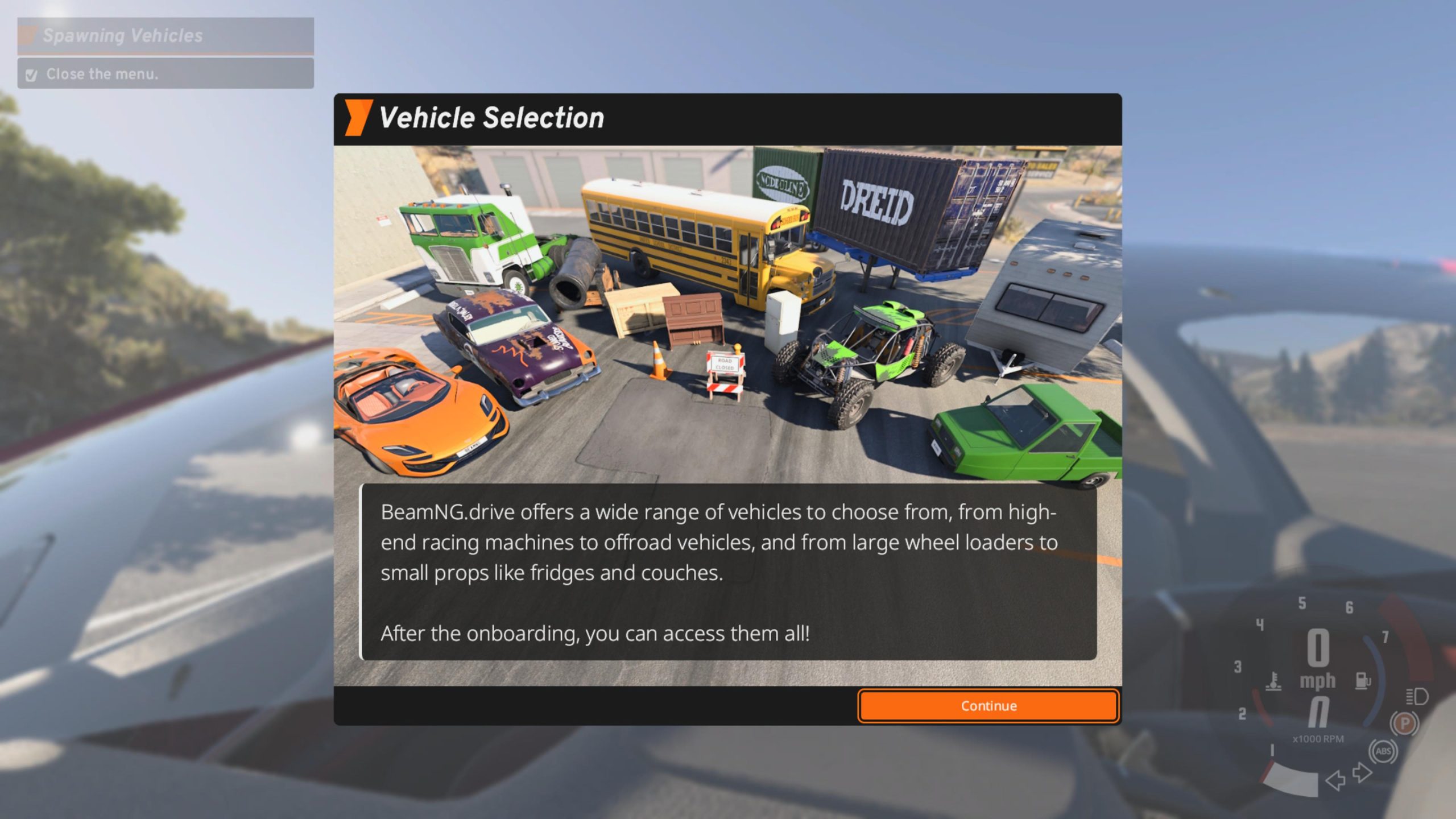
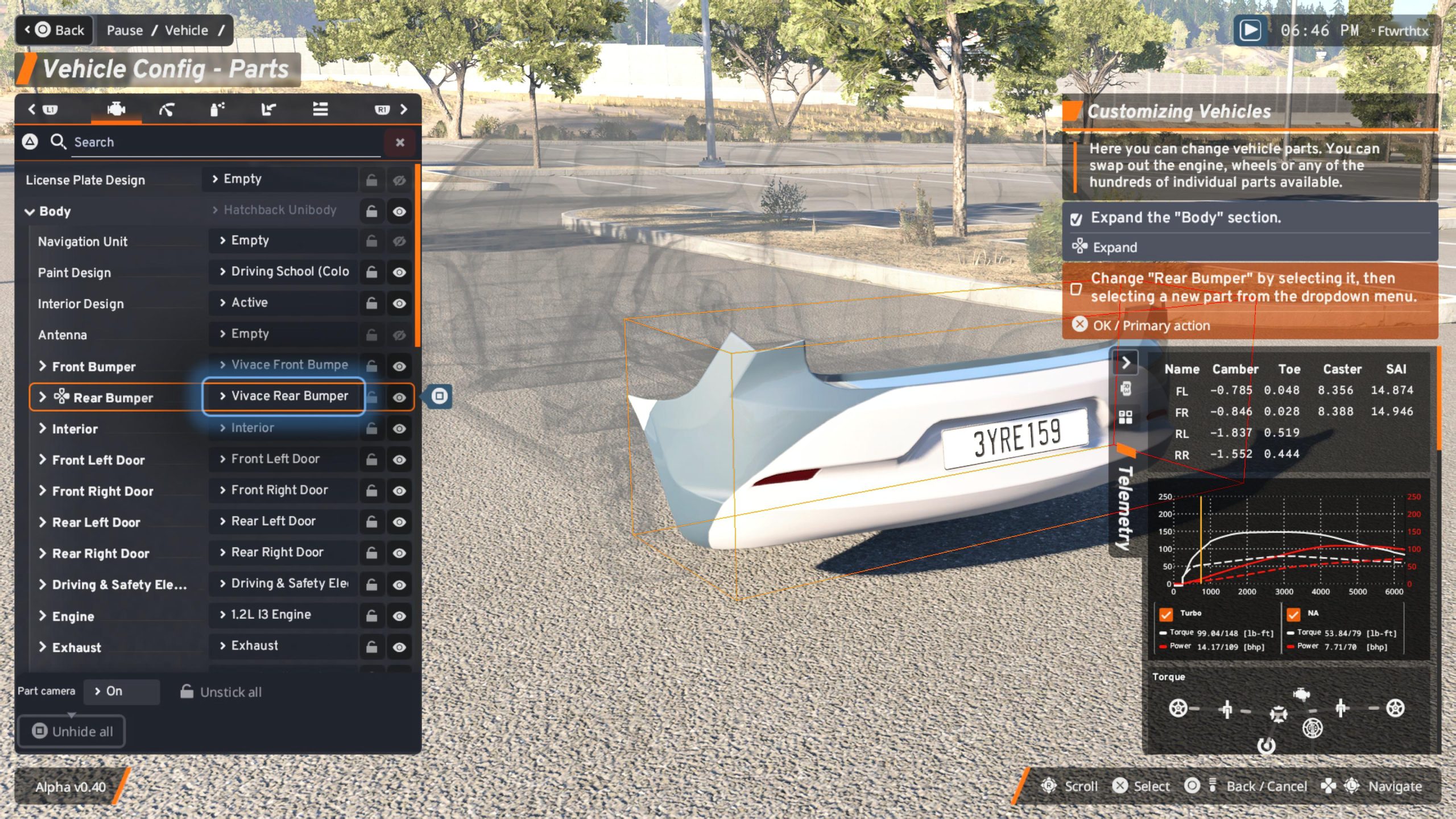
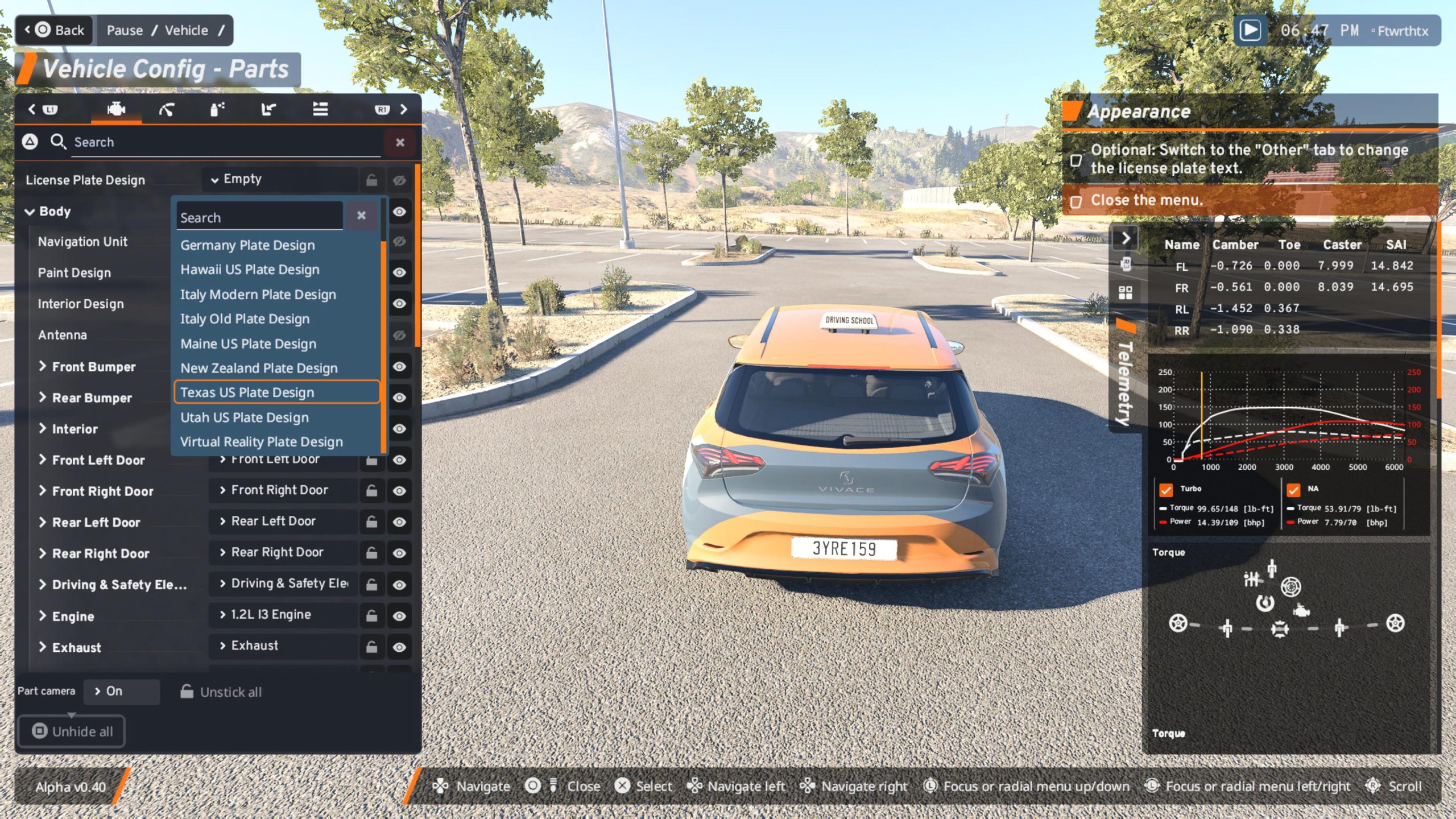
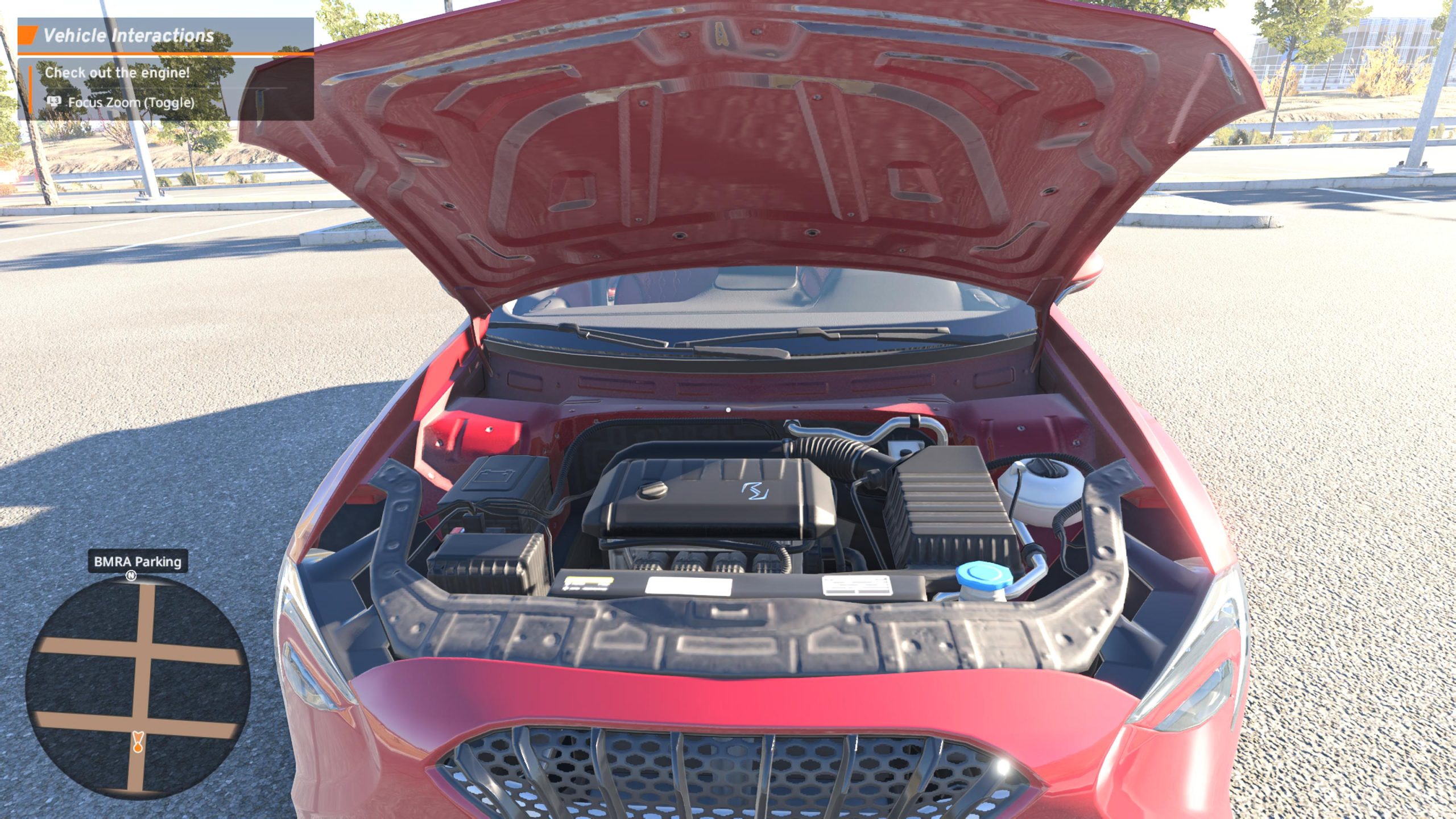
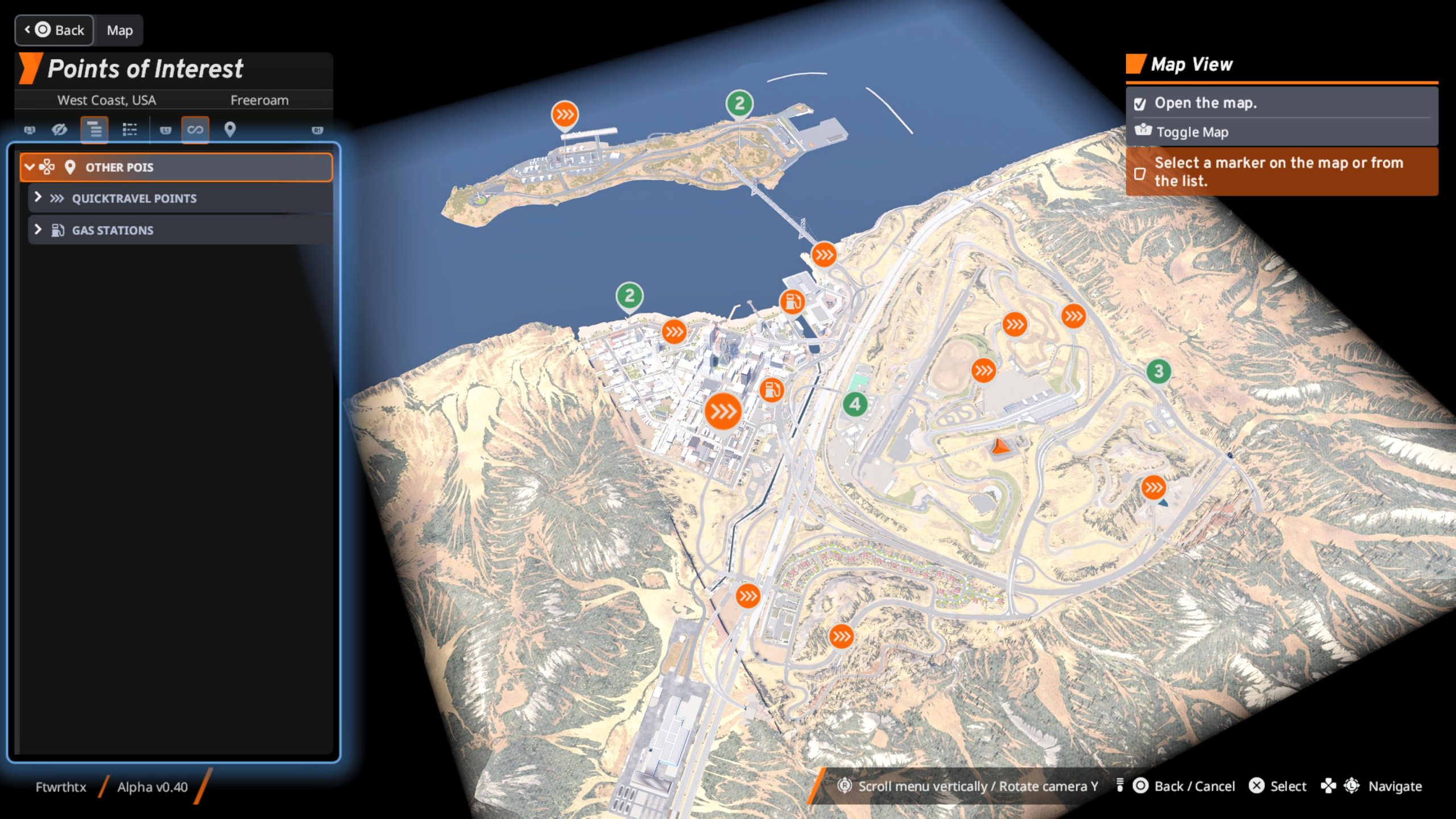
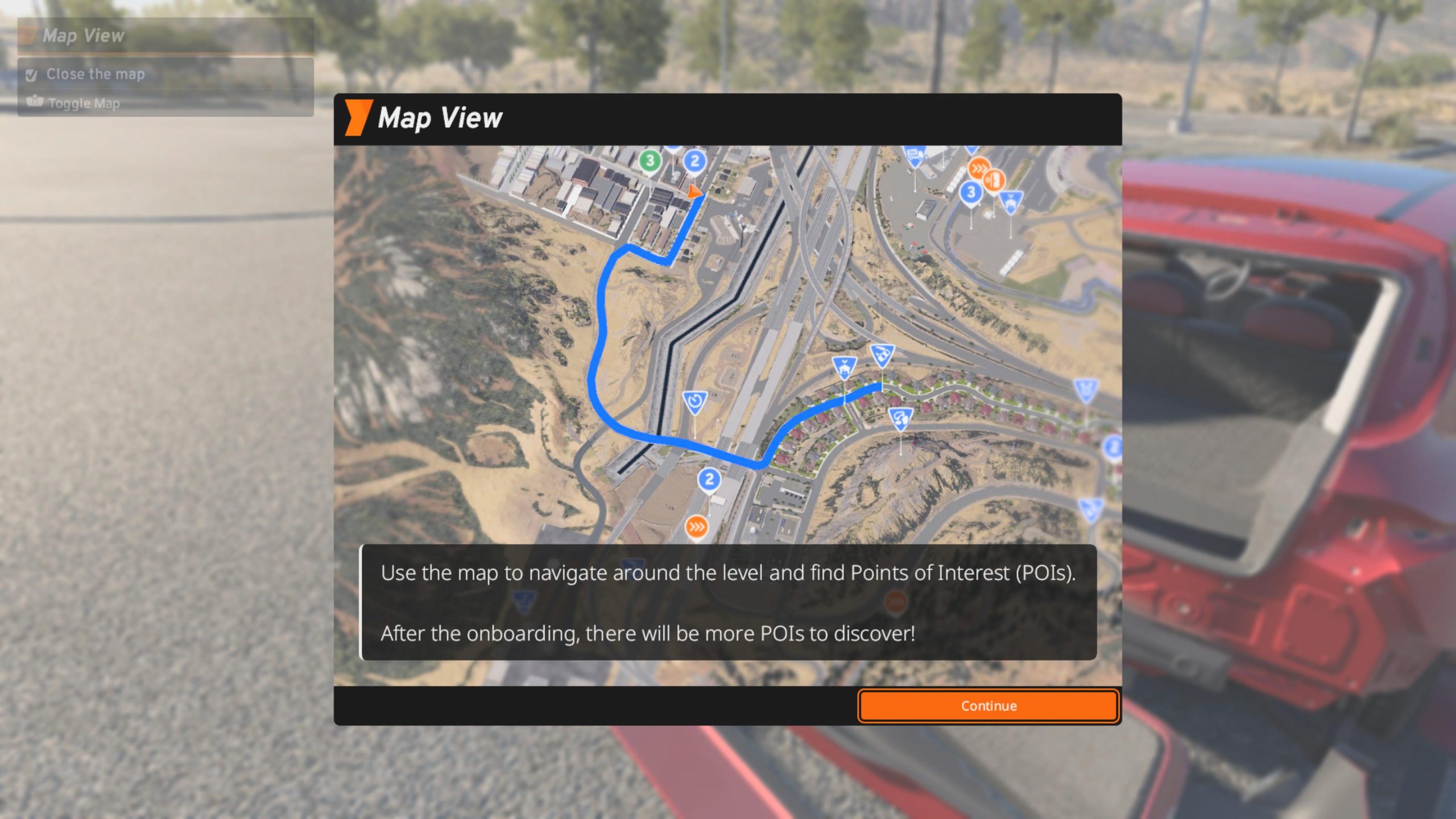
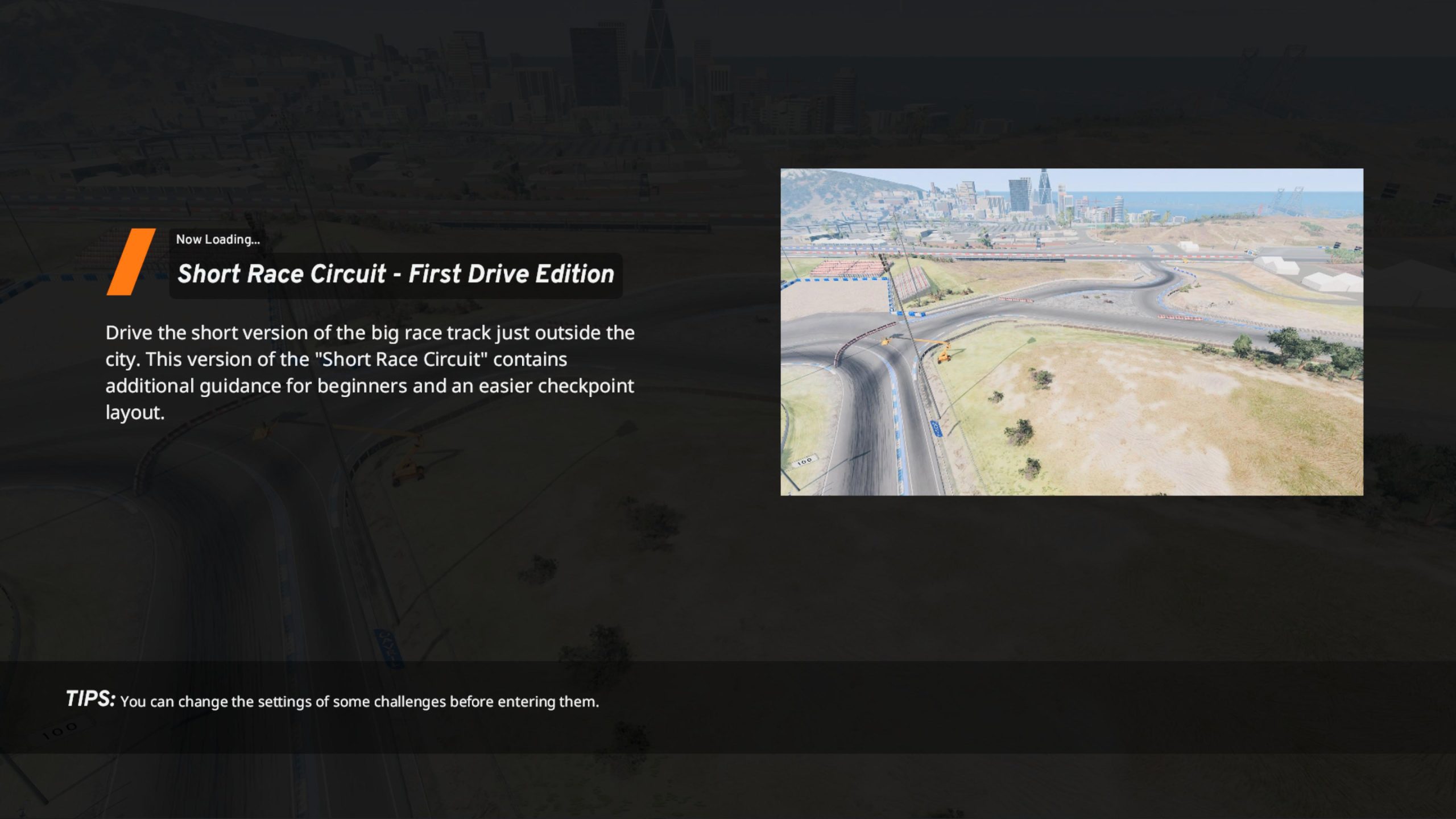
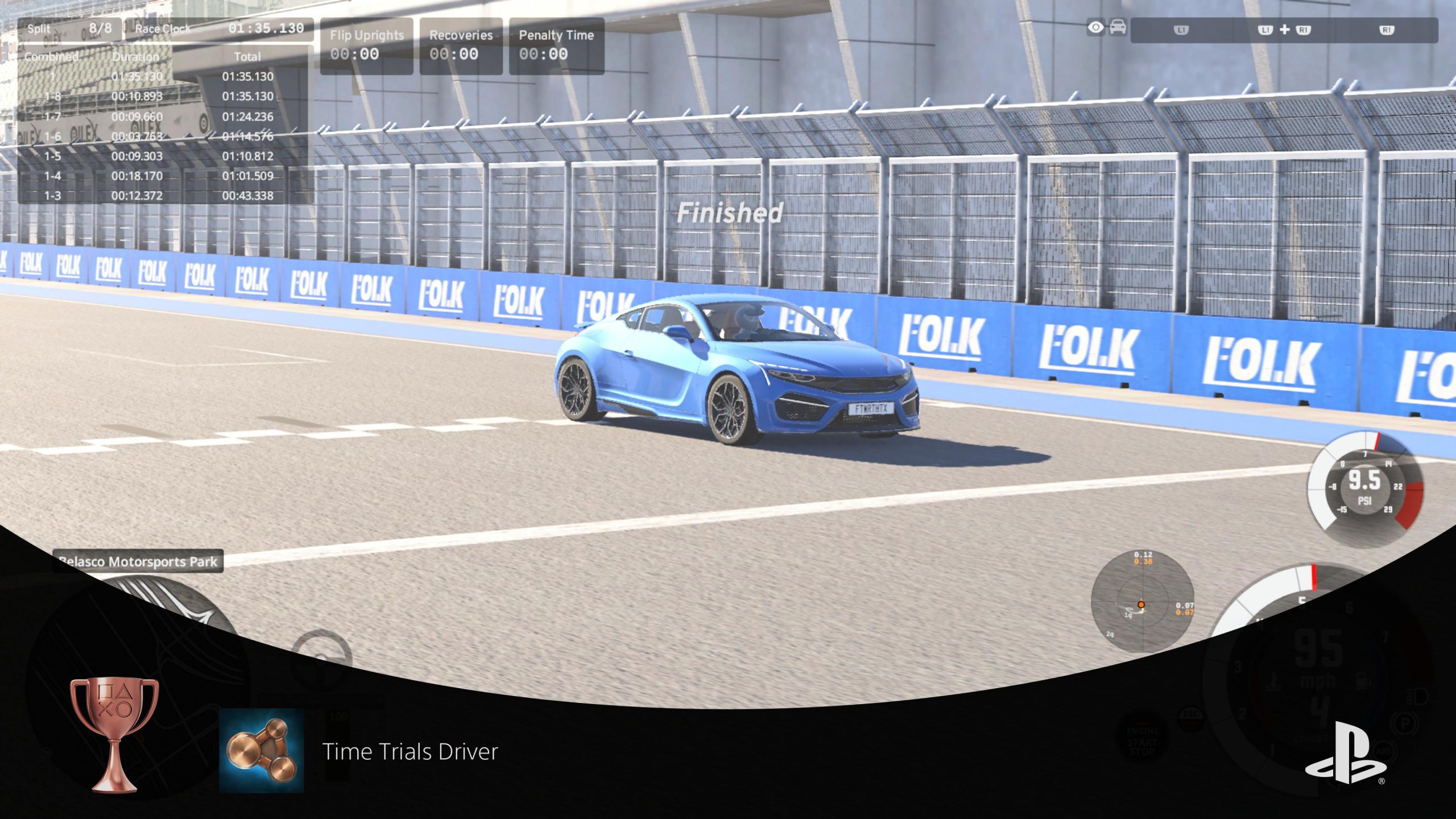
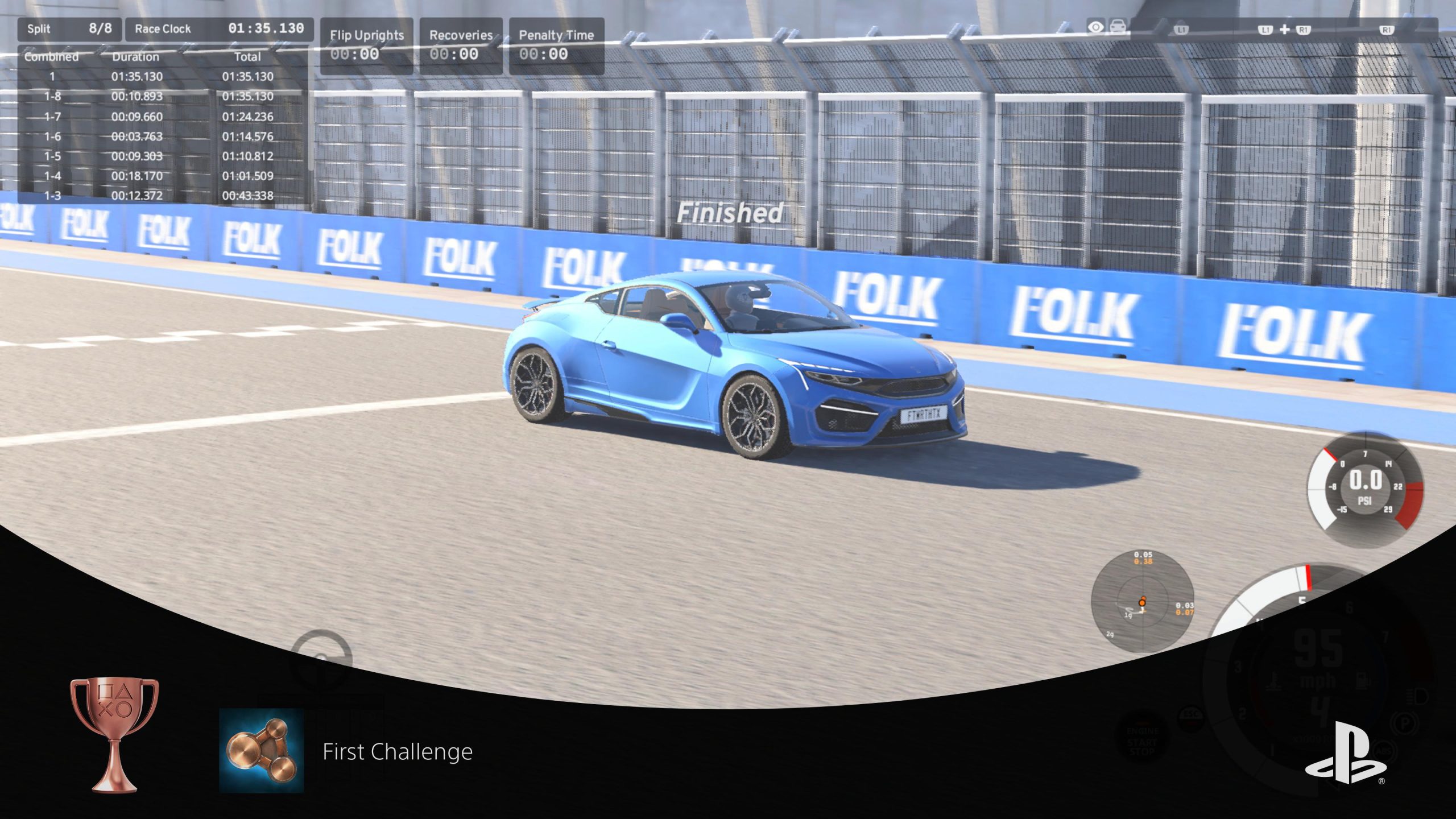
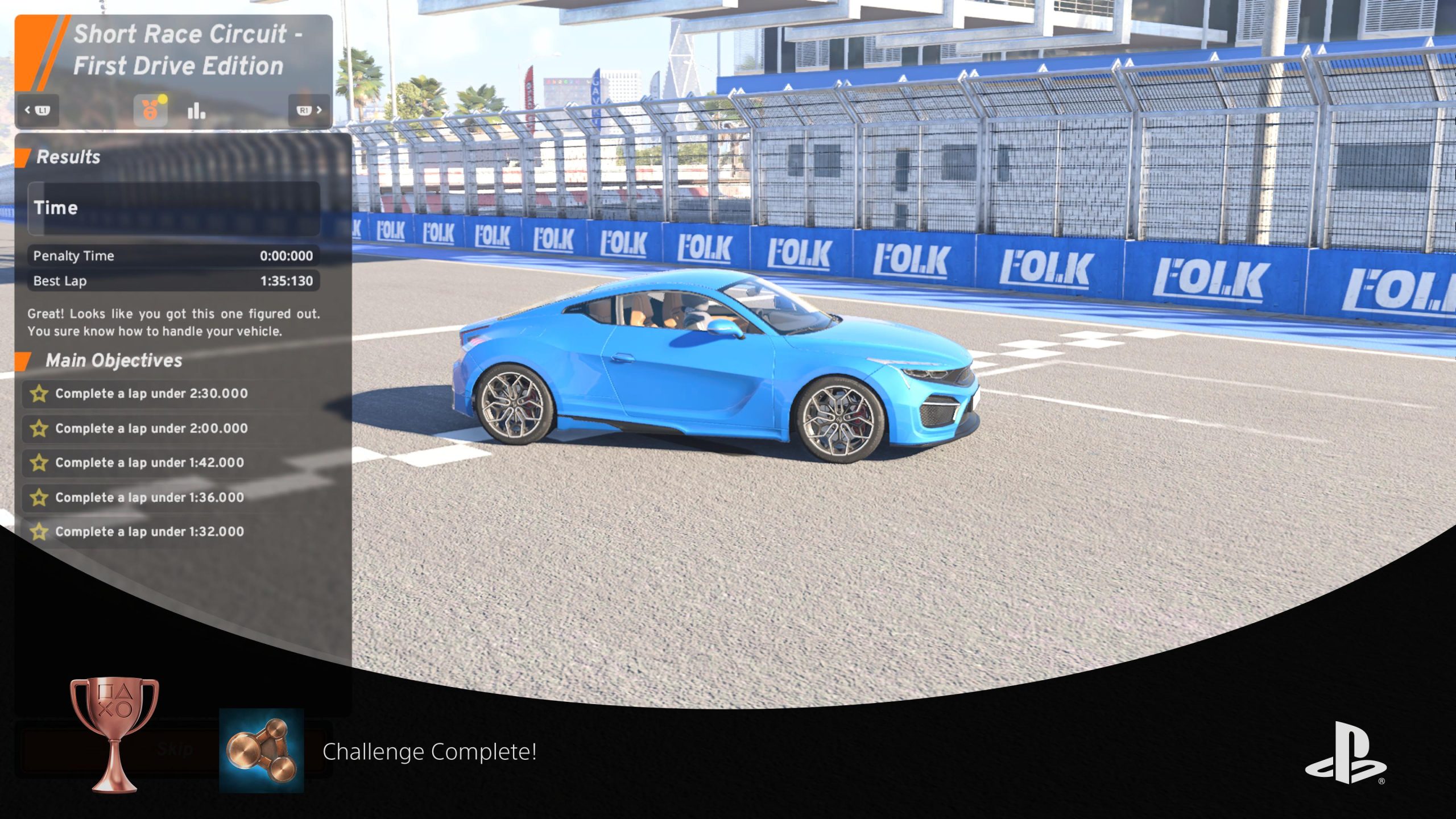
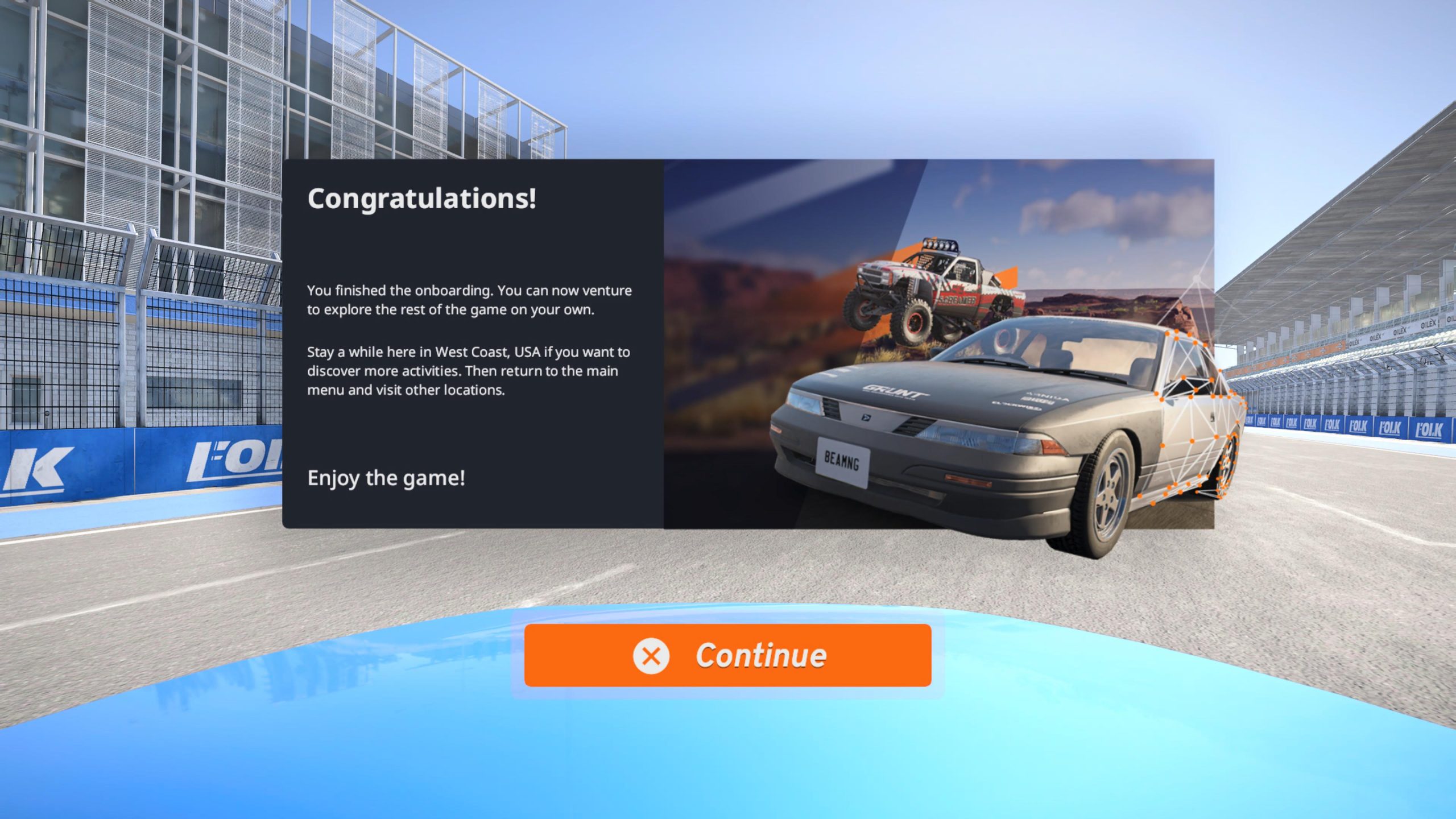
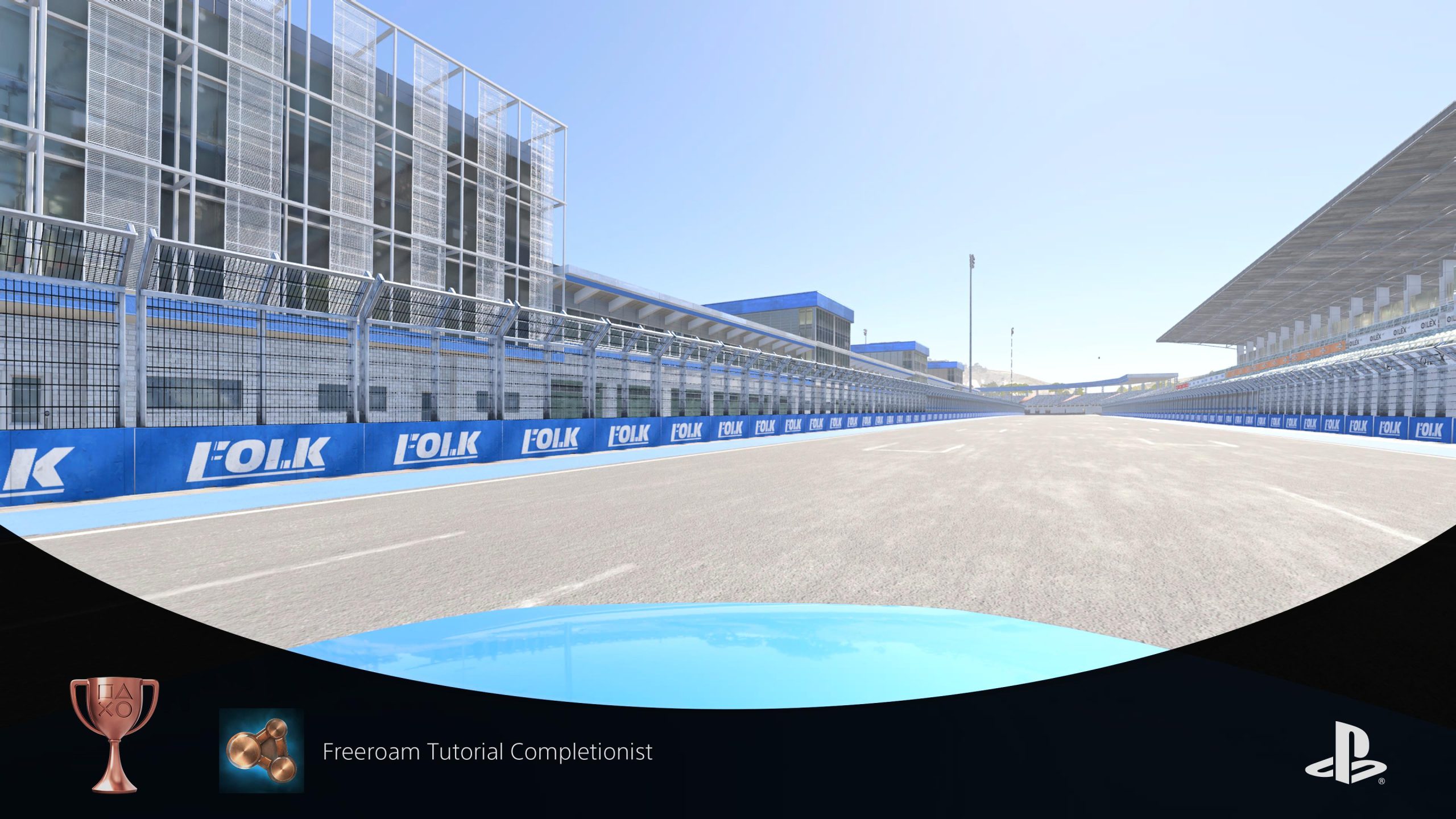
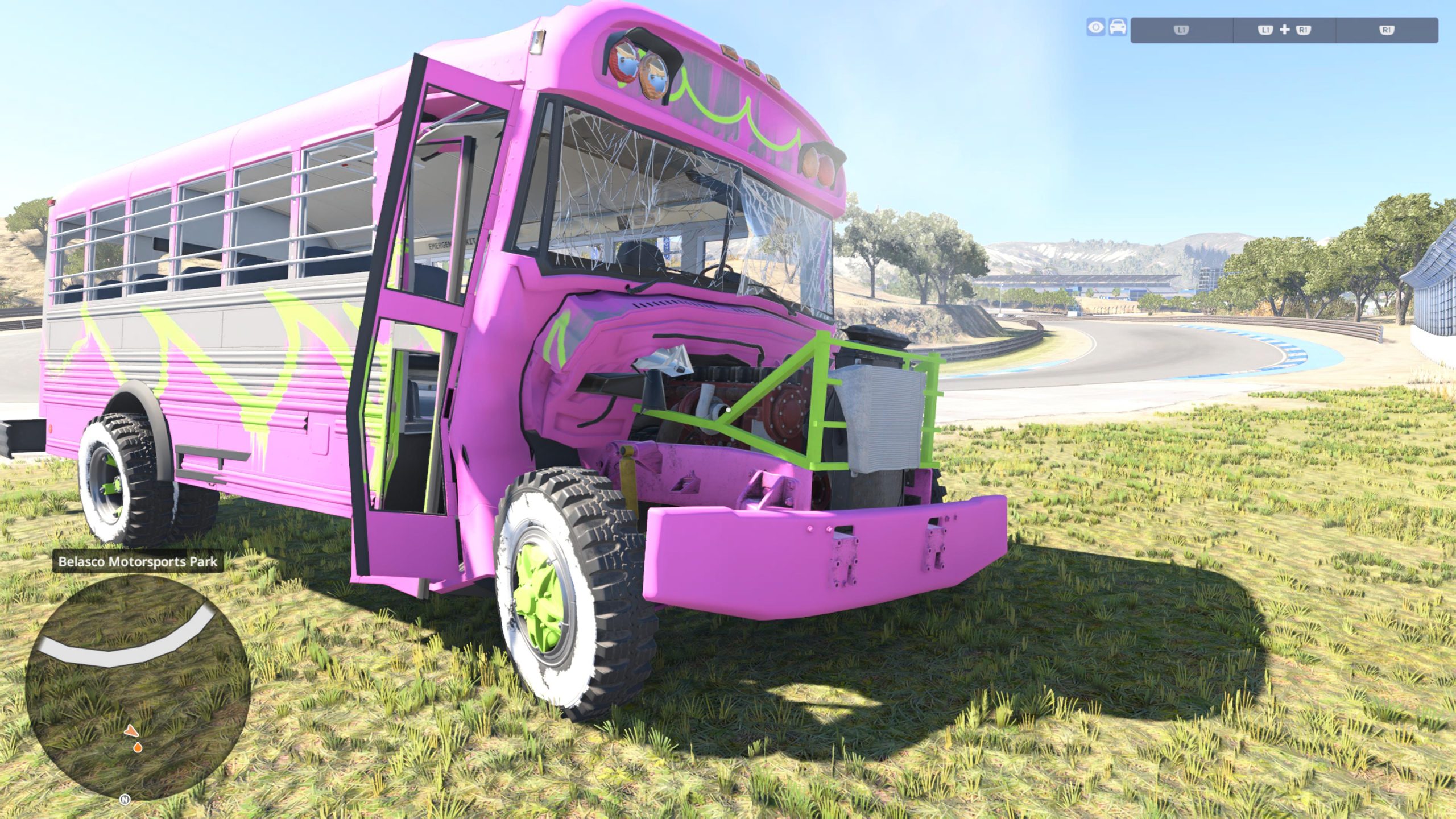
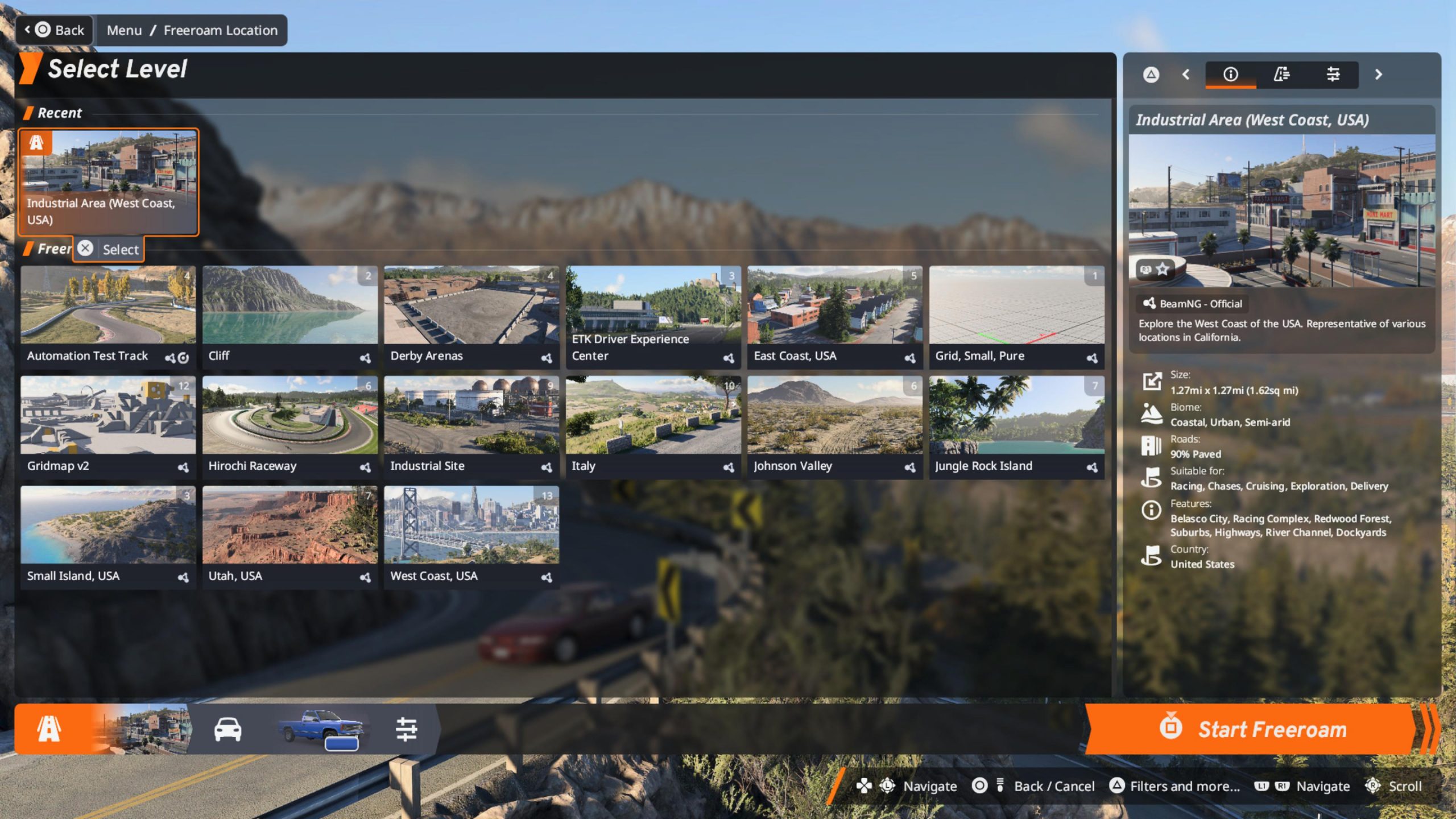
The visual presentation prioritizes the physics simulation over raw spectacle, and that trade-off is handled intelligently. On PS5 Pro the game renders internally around 1440p and upscales to 4K via PSSR; the base console uses FSR 3. The result is clean enough for the environments (deserts, coasts, small towns, industrial areas) and holds a 60 fps target in ordinary driving more often than not. Lighting, reflections, and vehicle detail received meaningful improvements with the concurrent 0.40 update, so cars look solid under the hood and in the open world.
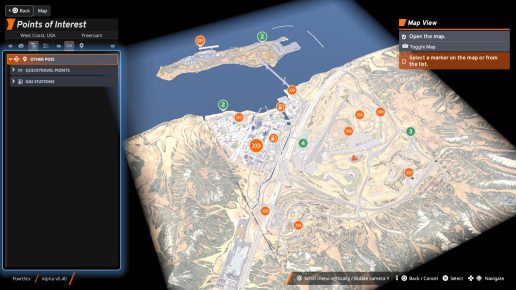
Push the simulation hard—spawn a dozen vehicles and create a multi-car pile-up—and the frame rate drops, sometimes into the high 20s or lower until you clear the scene. The game even warns you when freeroam or split-screen stays under 25 fps. Draw distances, mirror quality, and occasional LOD popping are noticeably behind high-end PC or pure racing titles like Gran Turismo, yet the overall image is perfectly serviceable. The star remains the real-time deformation rather than static scenery.
Audio
Sound design is one of the clearer strengths on console. Engine notes, turbo flutter, exhaust crackle, tire scrub, and impact noise all feel closely tied to the physics state. A lightly damaged car sounds different from a healthy one; a bent suspension or deflated tire produces the right mechanical complaints. DualSense vibration and adaptive triggers reinforce this feedback, so curb strikes, lock-ups, and engine load are felt as well as heard. Reviews consistently rate the audio highly for a simulation that was never built as a pure audiovisual showcase.
The soundtrack itself is minimal—mostly menu and trailer tracks—so the experience leans on the vehicle and environmental audio. With a good soundbar or headphones the crashes land with satisfying weight, and the spatial cues help you read a slide or an approaching vehicle. It is not cinematic orchestration, but it is purposeful and immersive for what the game actually is.
Damage Models
This is the reason the game exists, and the PS5 port preserves it without compromise. Every vehicle is a network of nodes (mass points) connected by beams that act like springs with defined stiffness, damping, deformation thresholds, and break strengths. The physics core re-evaluates the entire structure at 2,000 Hz—two thousand times per second—so deformation is continuous and emergent rather than a set of pre-baked “damaged” meshes. Clip a guardrail and the fender folds while the alignment changes; hit a pole hard enough and the engine bay can shift toward the cabin. Parts can detach, glass can shatter, and structural integrity affects handling in real time.
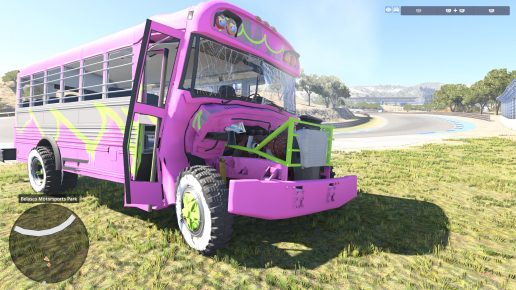
Because damage is simply the current physical state of the node-beam lattice, no two crashes are identical. A minor impact in the wrong place can ruin alignment or suspension geometry and make the car undrivable, while a spectacular high-speed collision can leave a still-rolling wreck. Tires are segmented and can fail progressively; crumple zones propagate force the way real structures do. The same system that produces ridiculous YouTube crashes also delivers believable low-speed parking mishaps and off-road abuse. On PS5 the fidelity matches the PC version, which is the single biggest reason the port feels like a minor miracle.
Verdict
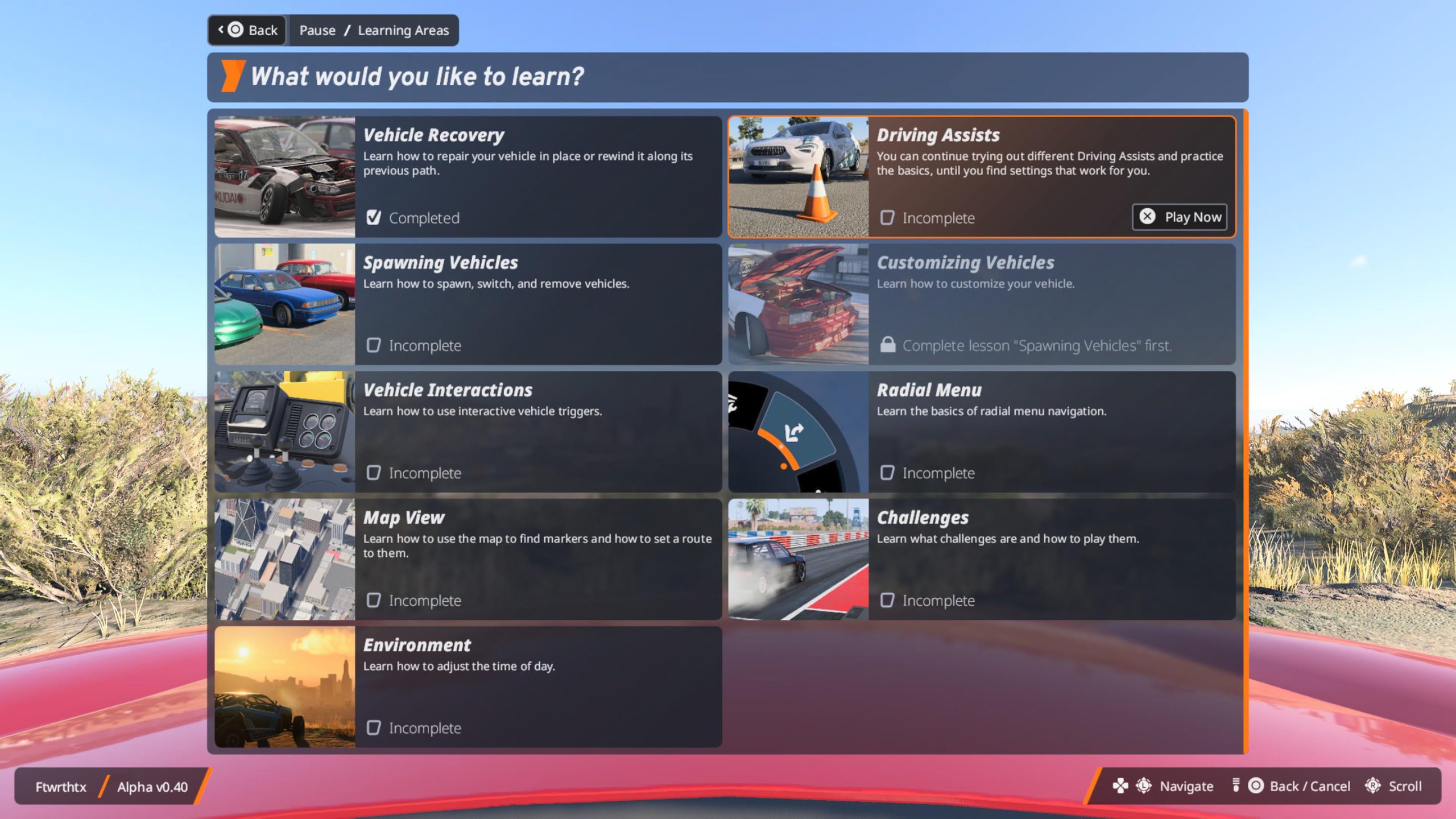
BeamNG.drive on PS5 is the most convincing vehicle sandbox available on the platform. The controls take adjustment (the DualSense lacks the button density of a keyboard, and radial menus can feel slow), load times are longer than ideal, and the absence of mods removes a major PC attraction. Split-screen, career progression, and the sheer variety of scenarios still give plenty to do for $25. If you care more about emergent destruction and tinkering than licensed cars or polished racing, this is essential. It remains Early Access and will keep improving, but the core experience is already special.
9
Call of Duty: Modern Warfare 4 review code provided by publisher and reviewed on a PS5. For more information on scoring, please read What our review scores really mean.