
Gear.Club Unlimited 3 arrives on PlayStation 5 as the next chapter in Eden Games’ long-running racing series, following its earlier appearance on Switch 2. The game invites players to establish a racing presence while competing across contrasting settings in Japan and along the French Mediterranean coast.
Game’s History
The Gear.Club series began on mobile platforms before Eden Games brought the concept to consoles with Gear.Club Unlimited, focusing on licensed cars, upgrade systems, and club management within an accessible racing framework. Subsequent entries expanded the formula, with Gear.Club Unlimited 2 adding more content and refining the experience for Switch and later multiplatform releases.
Gear.Club Unlimited 3 continues this lineage under publisher Nacon, marking the first major push into Japanese settings while retaining the series’ emphasis on vehicle collection, customization, and offline progression. The franchise has accumulated a substantial player base over nearly a decade, evolving from its mobile roots into a console-focused sim-cade offering with each installment.
Graphics
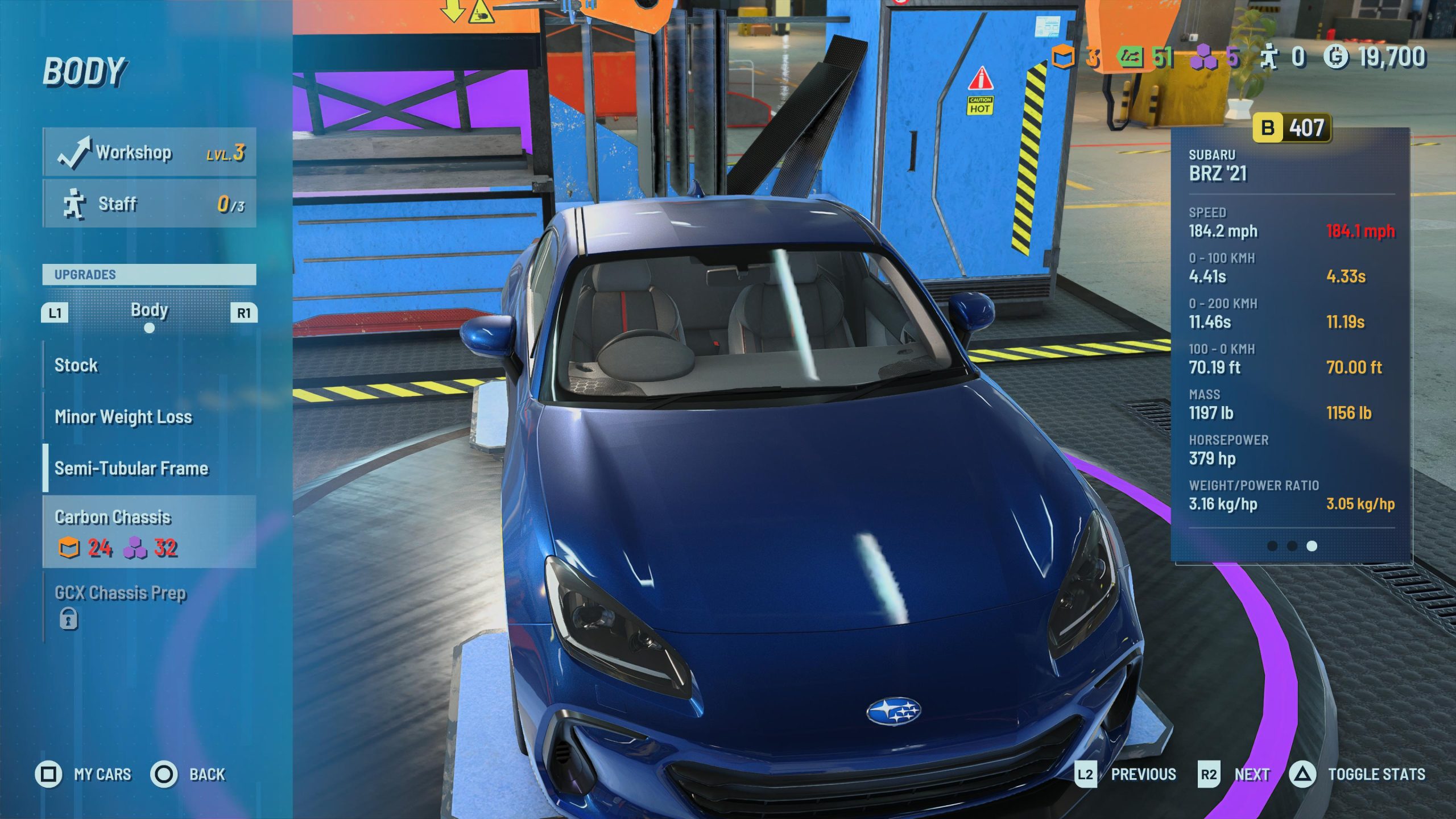
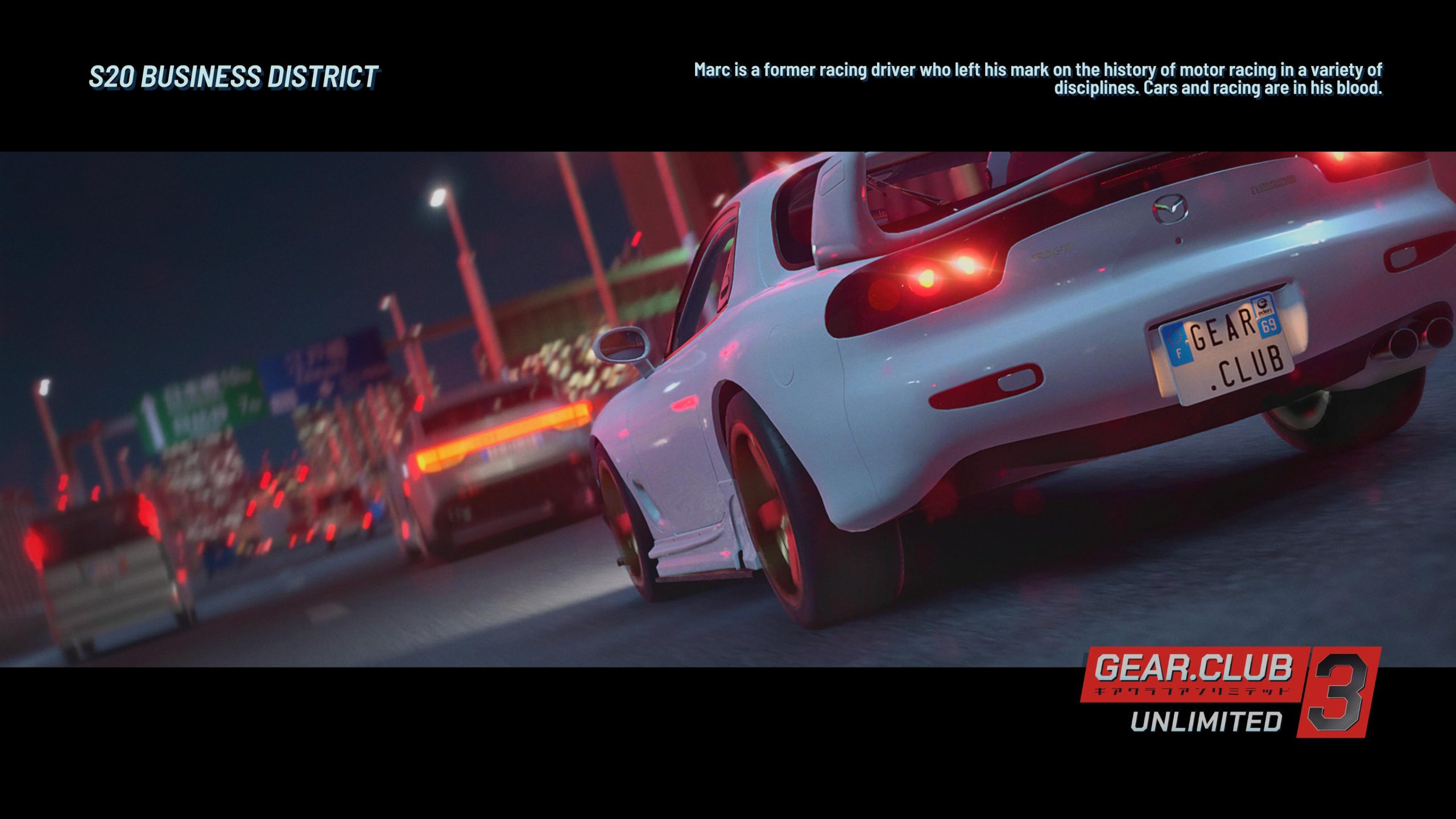
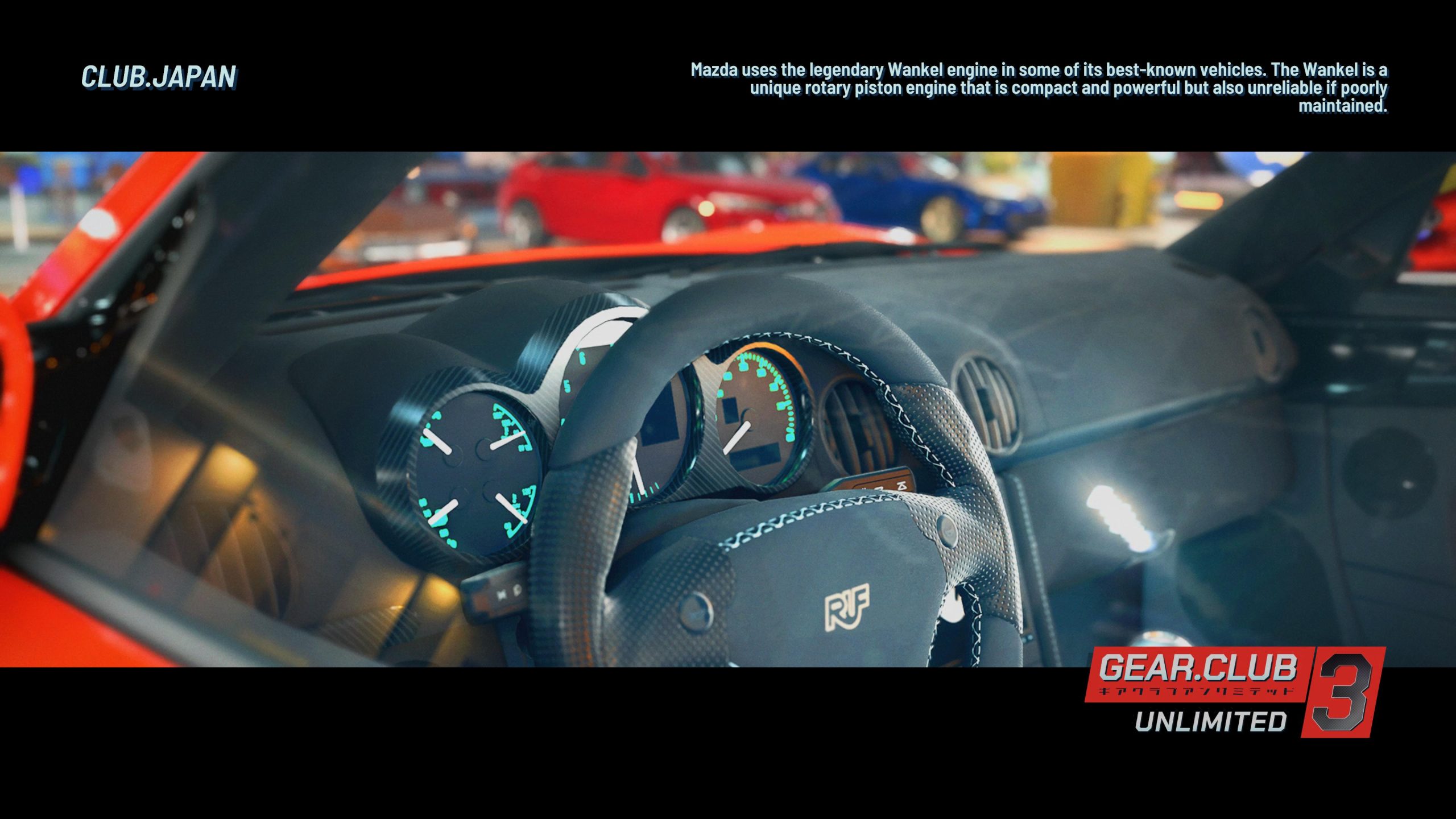
Car models in Gear.Club Unlimited 3 show clear detail in bodywork, interiors, and lighting, with licensed vehicles from brands such as Nissan, Porsche, Mazda, and Bugatti looking solid under next-gen lighting. Environments capture mountain roads, coastal cliffs, and nighttime highways with varied vistas, though some assets and textures remain relatively basic compared with larger racing titles.
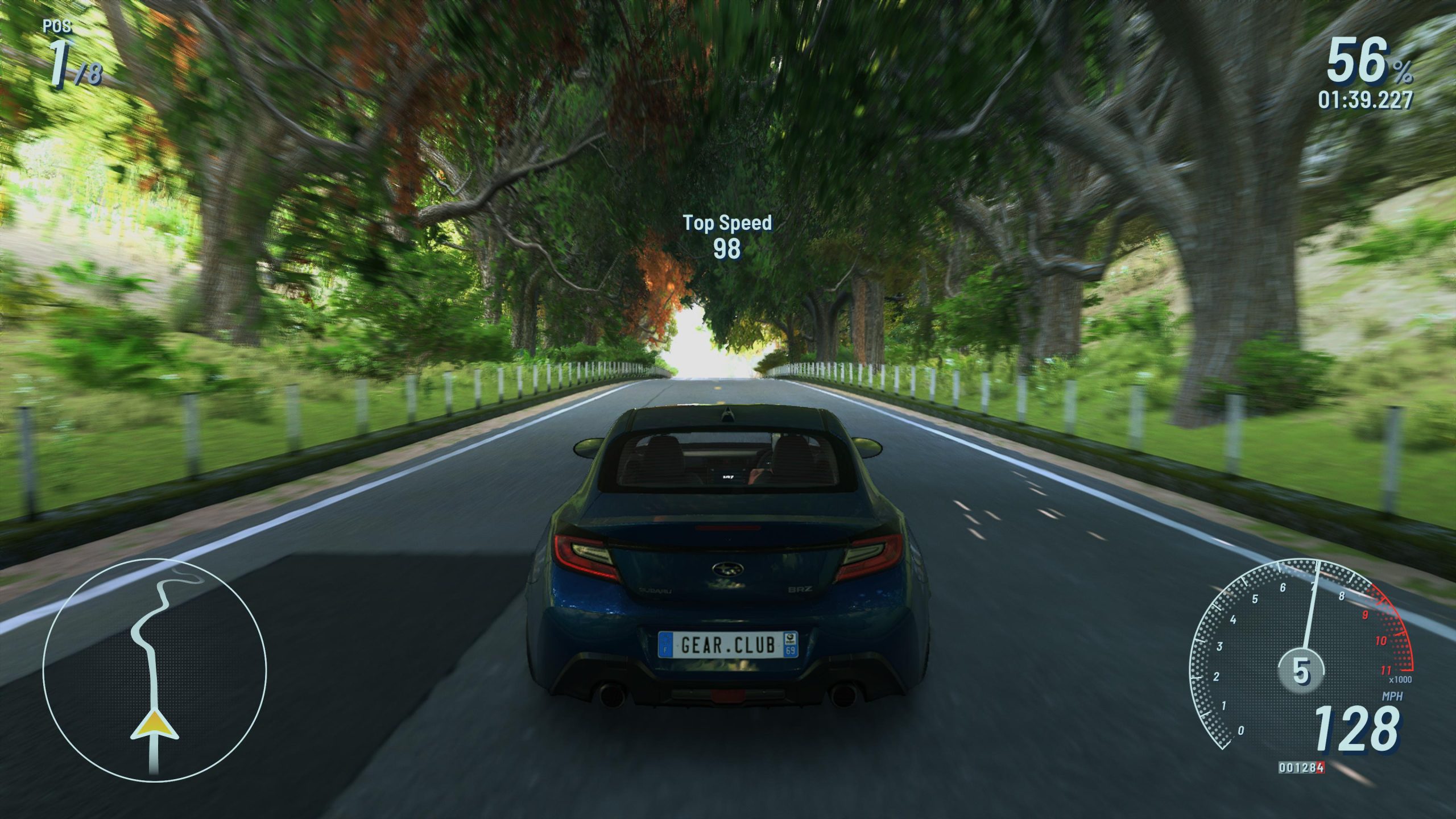
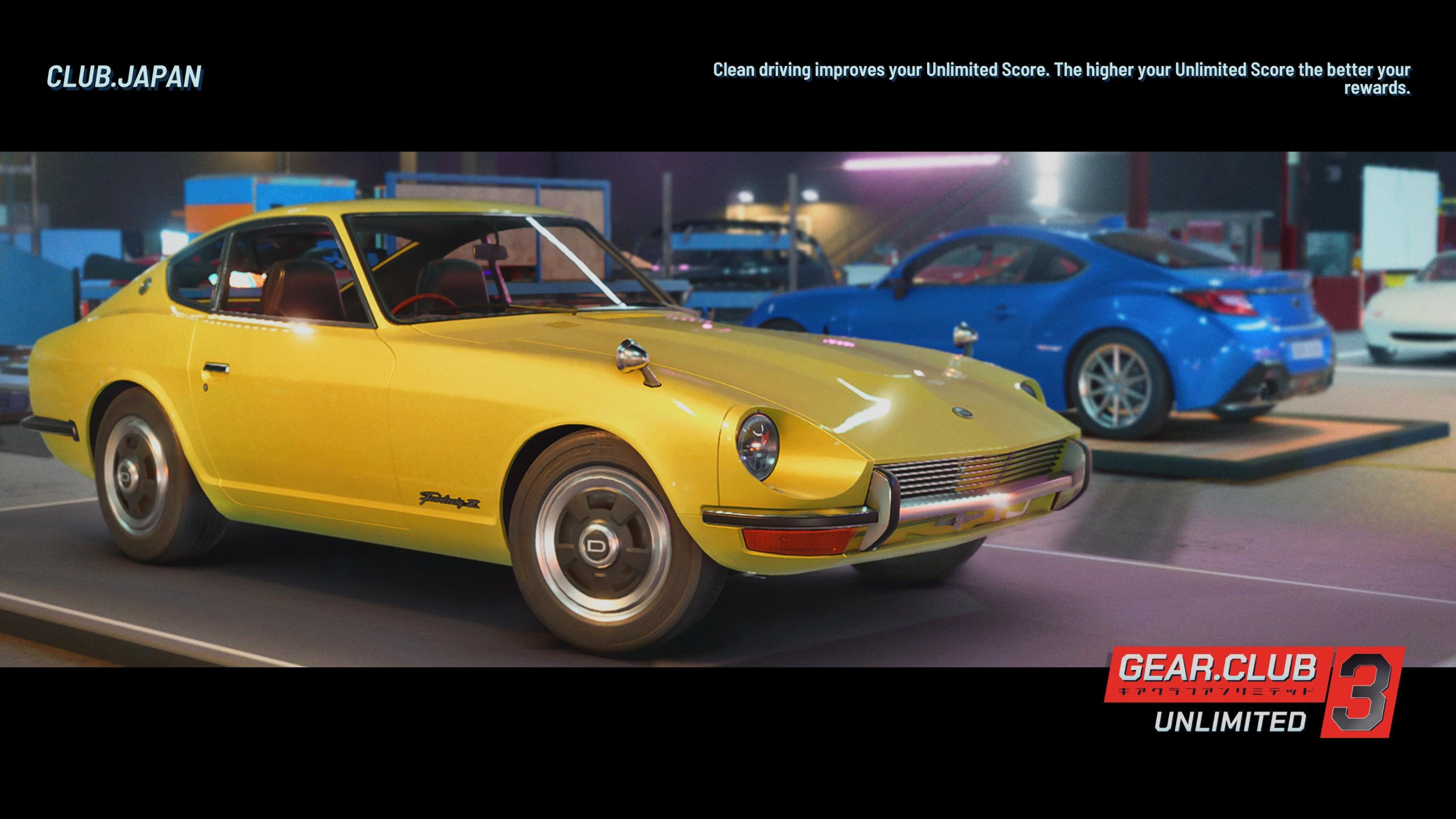
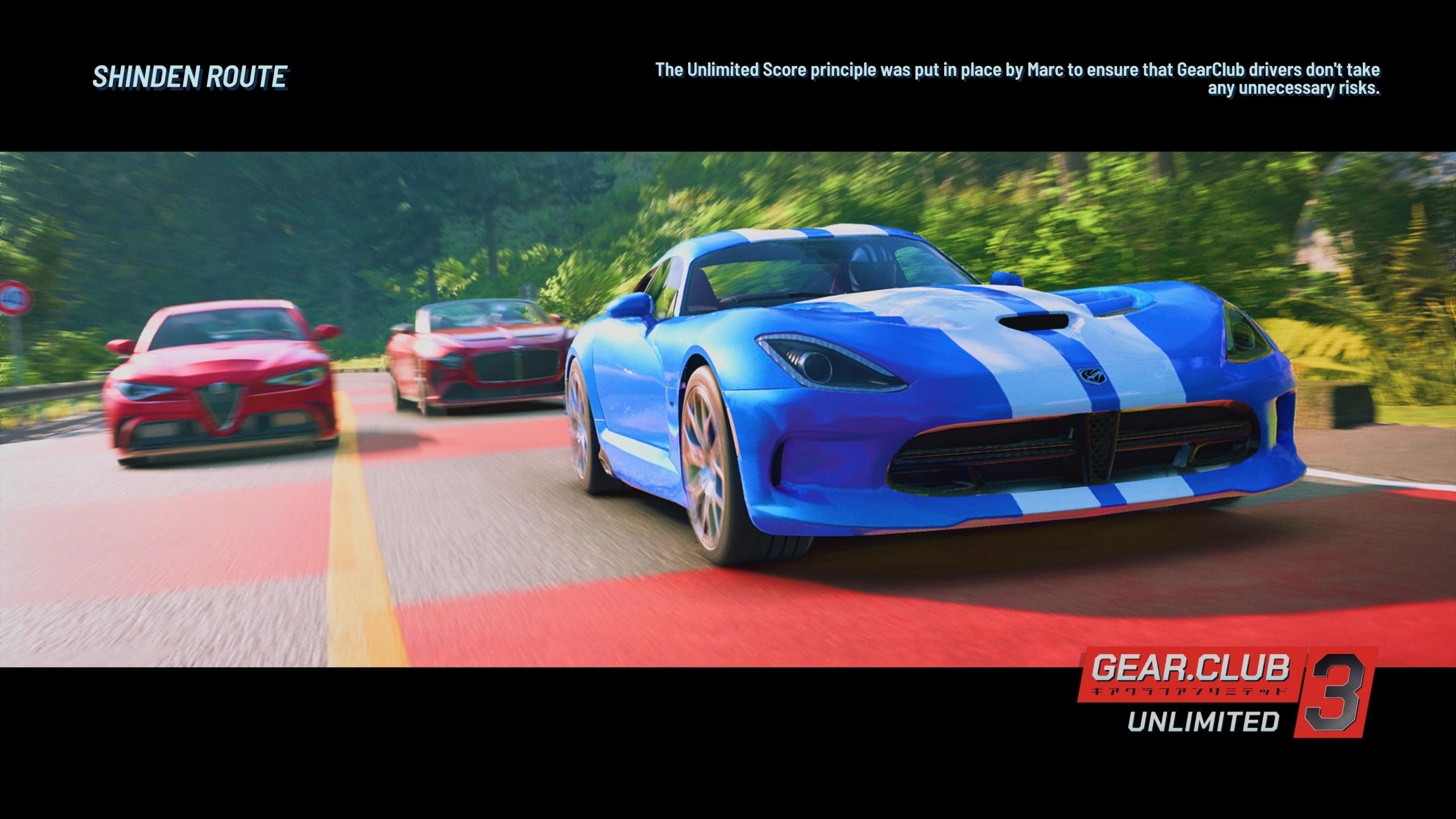
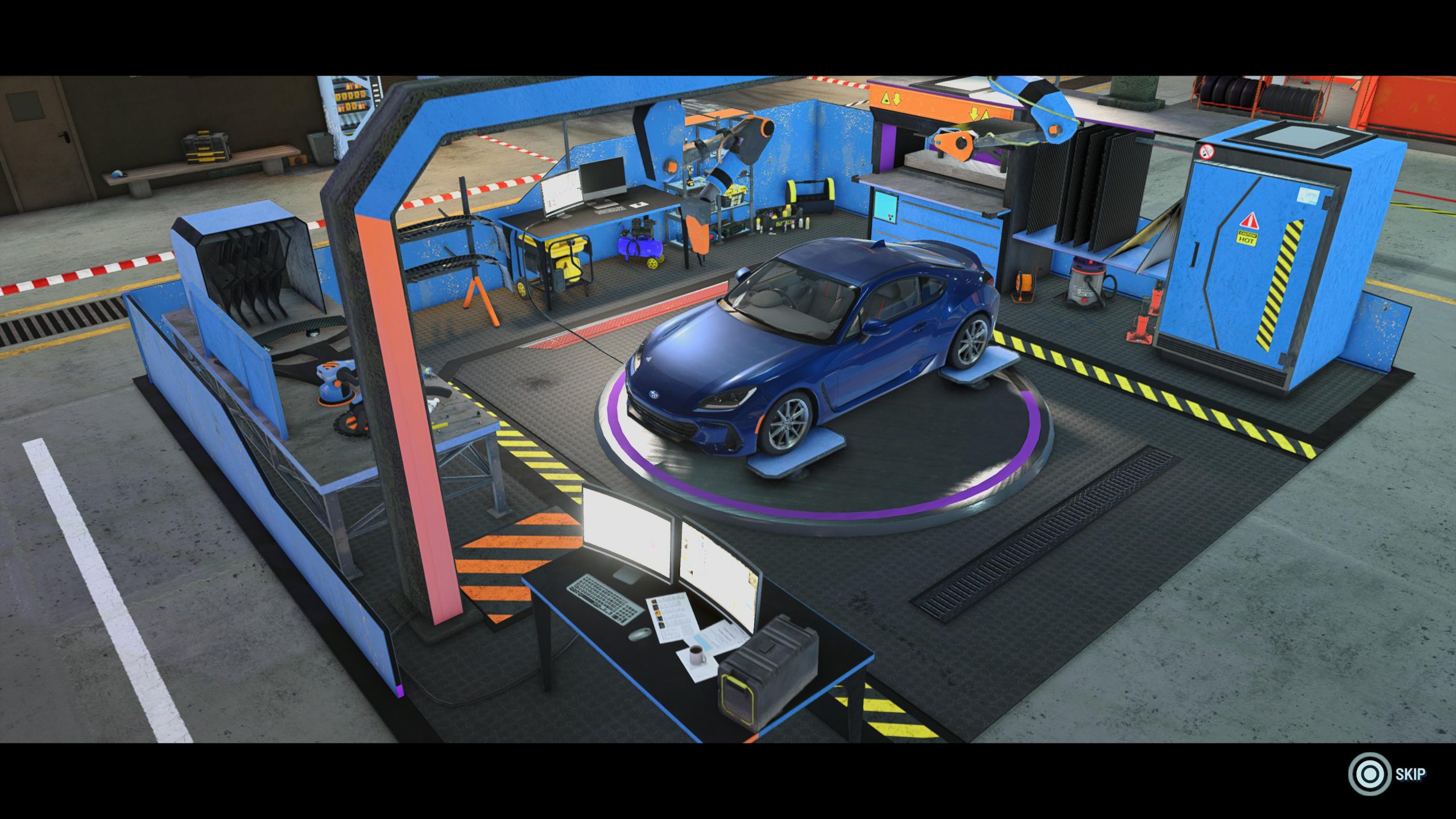
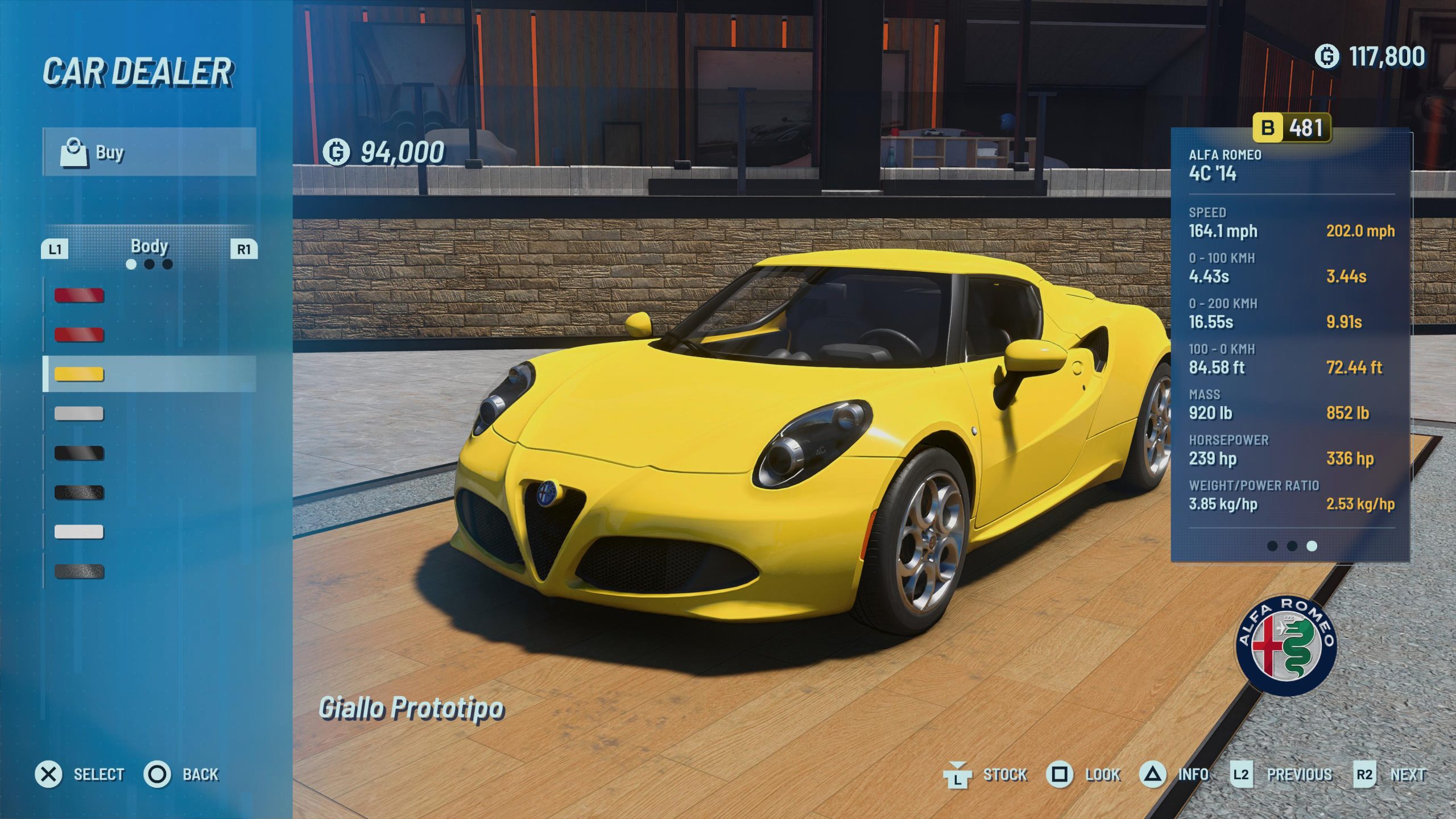

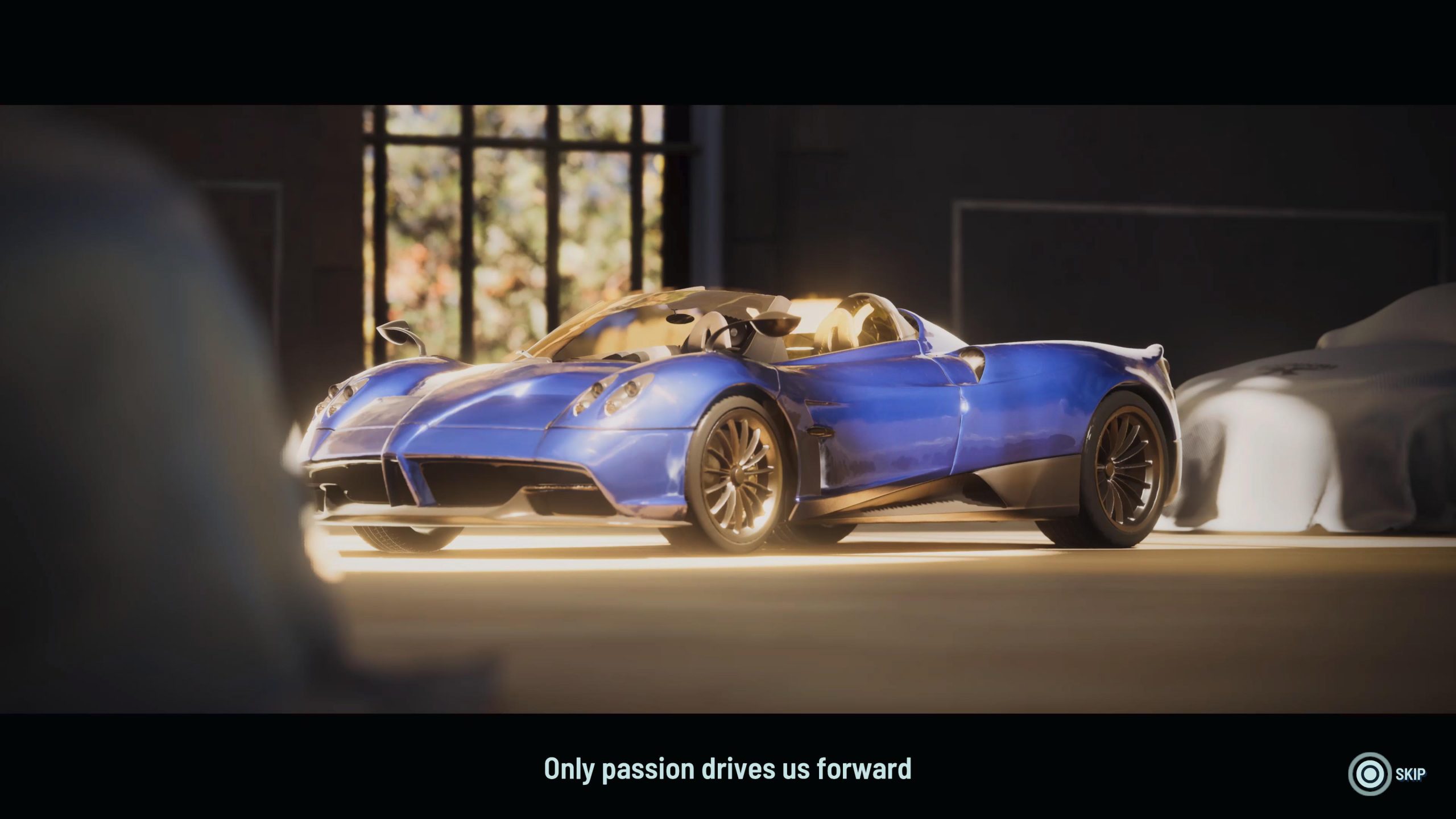
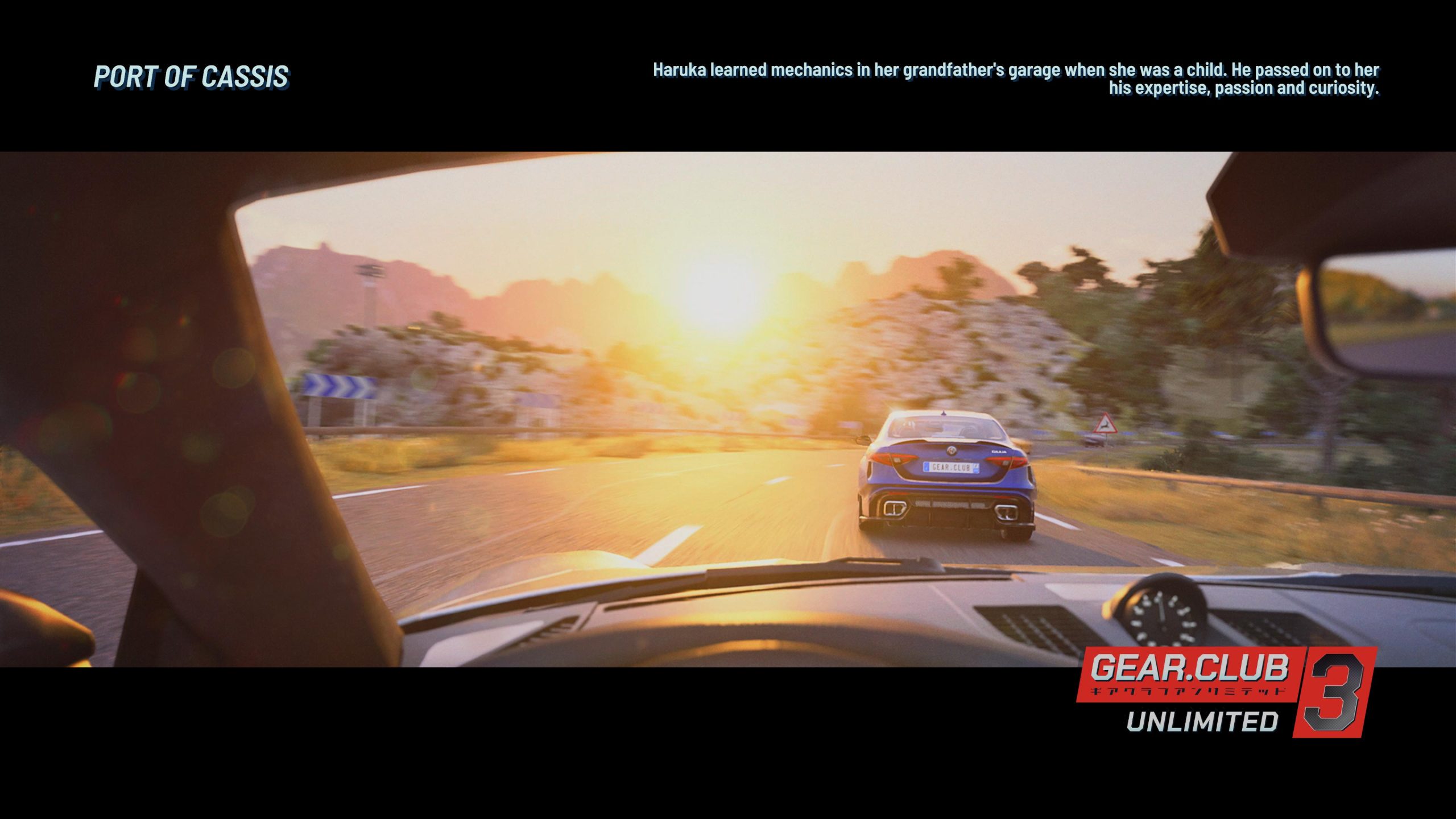
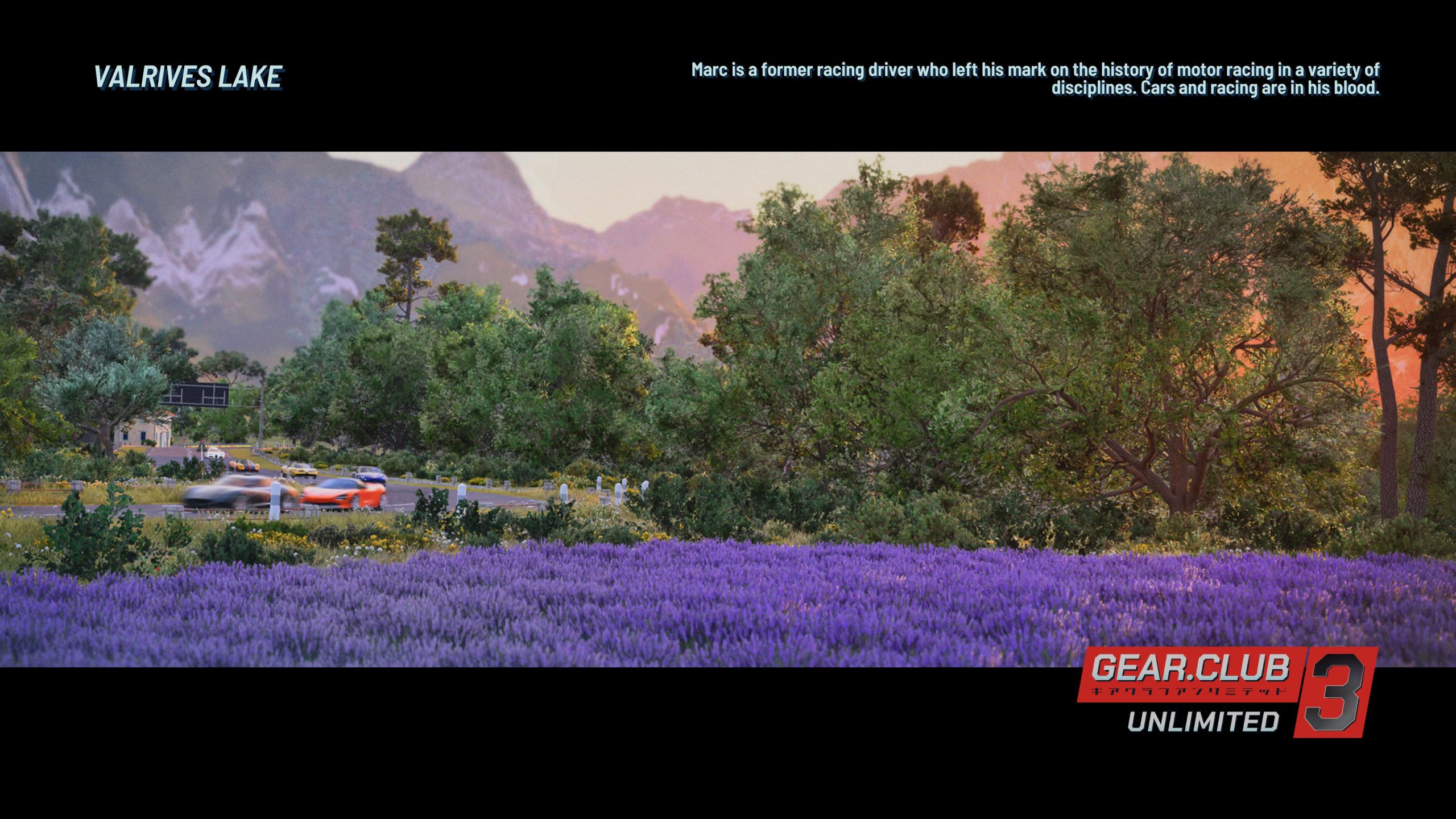
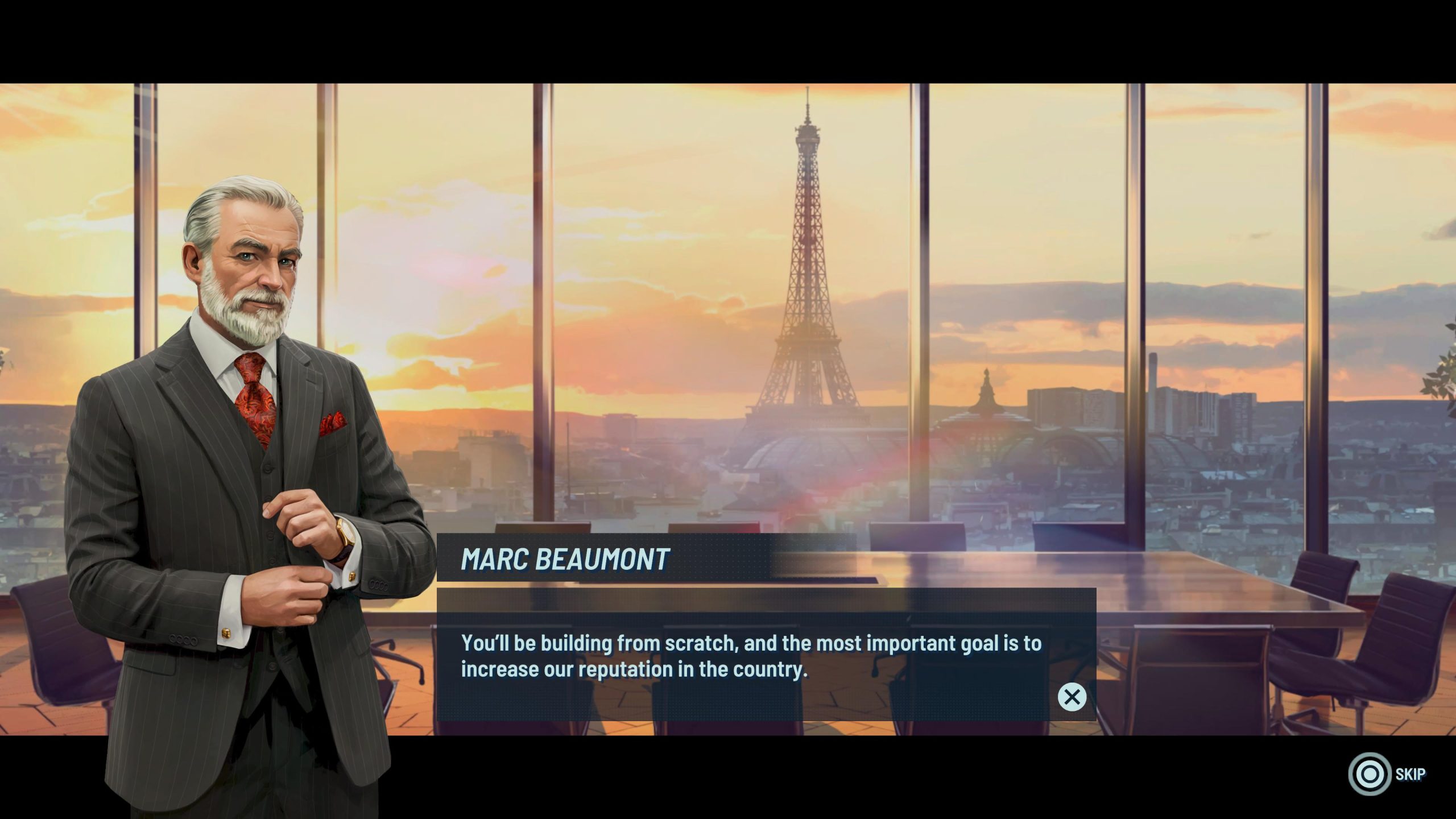
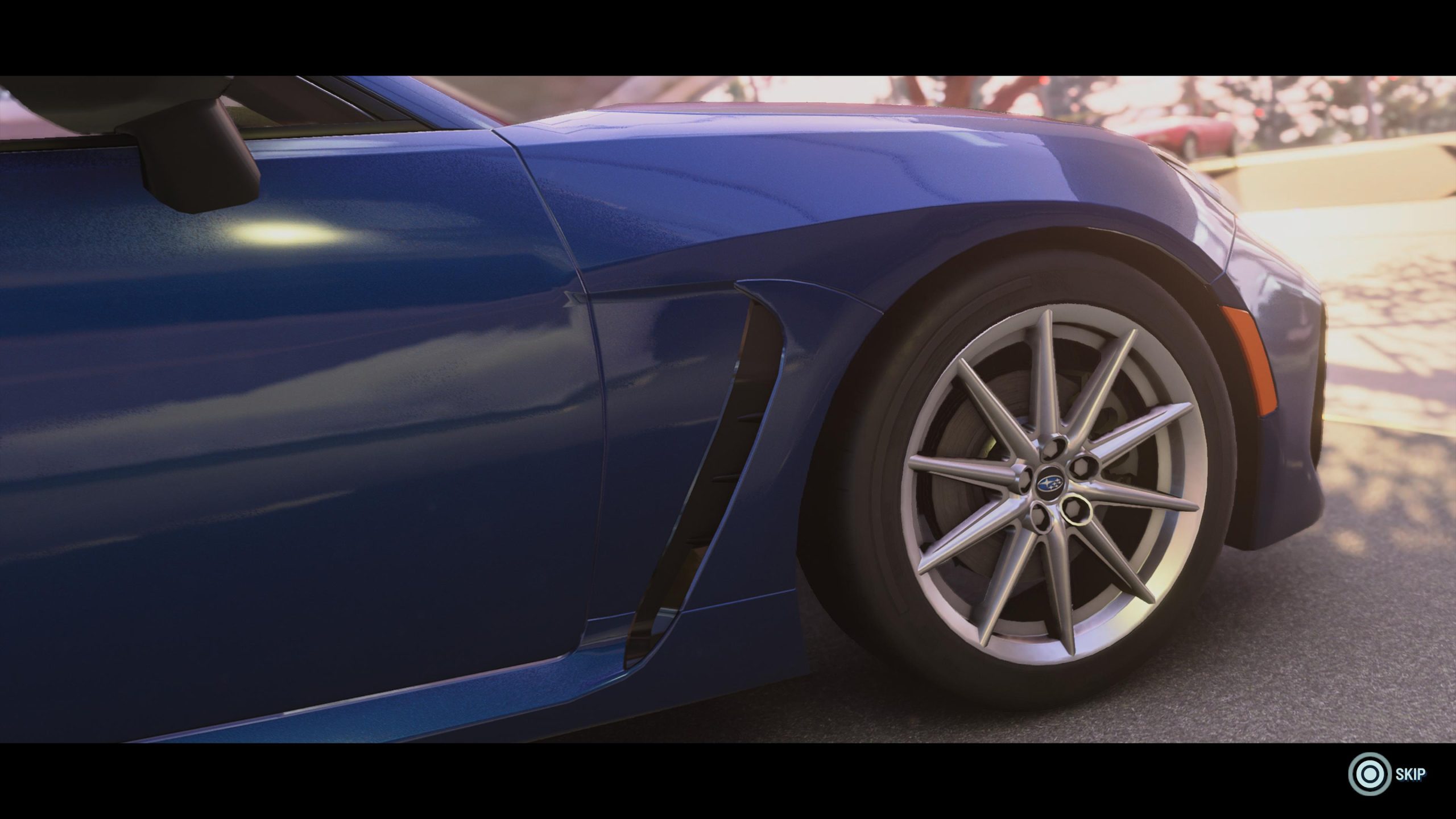
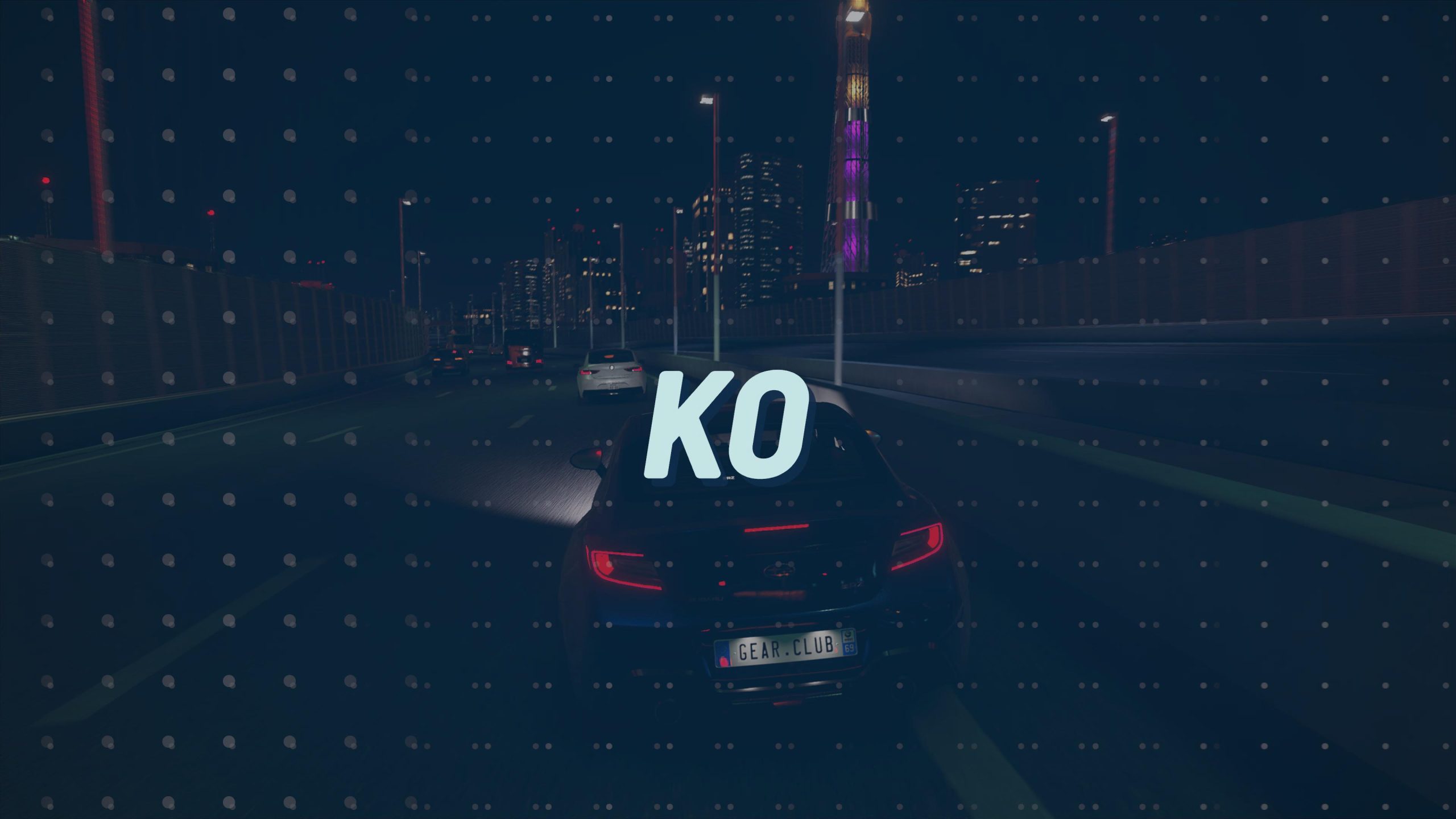
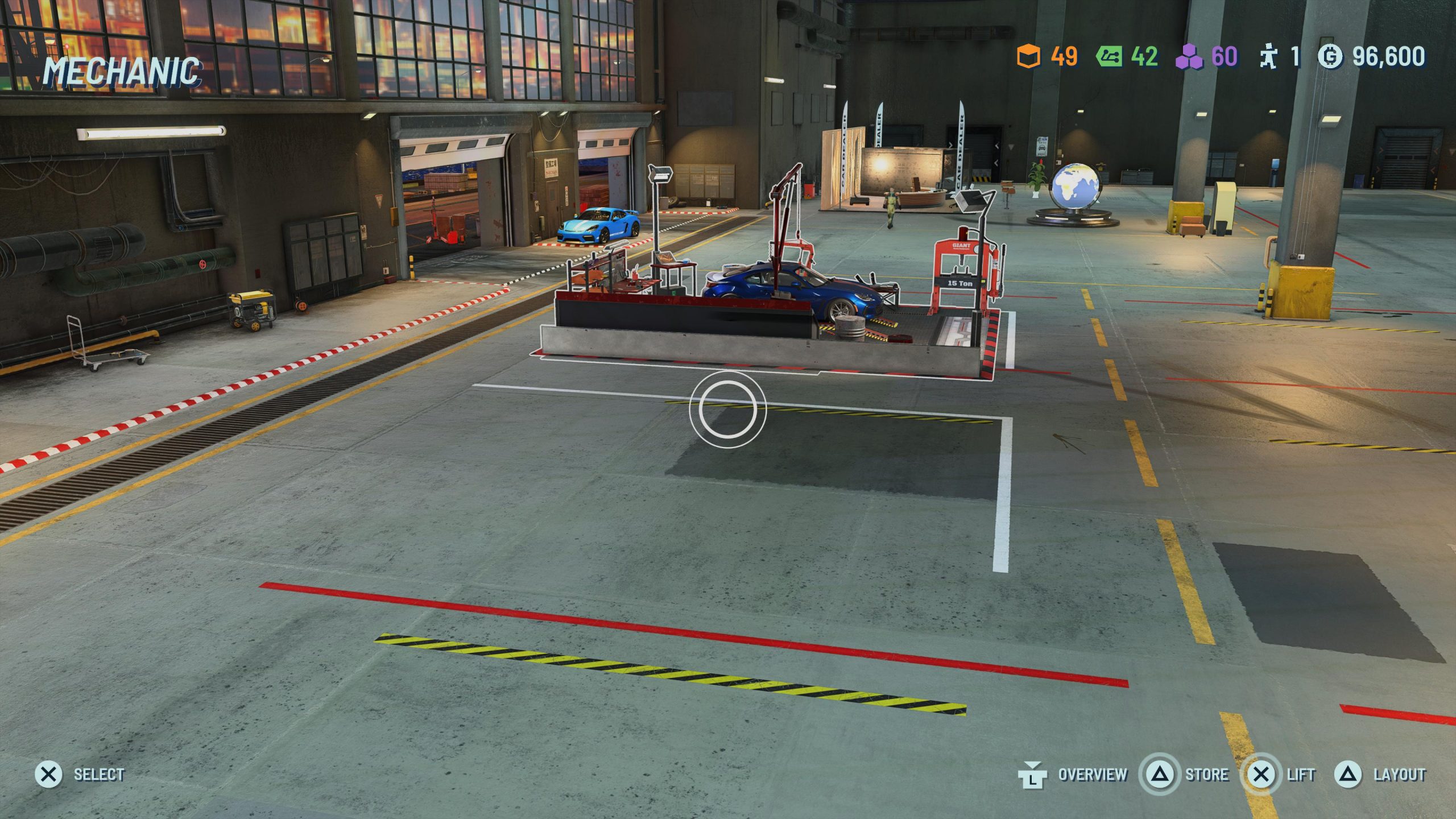
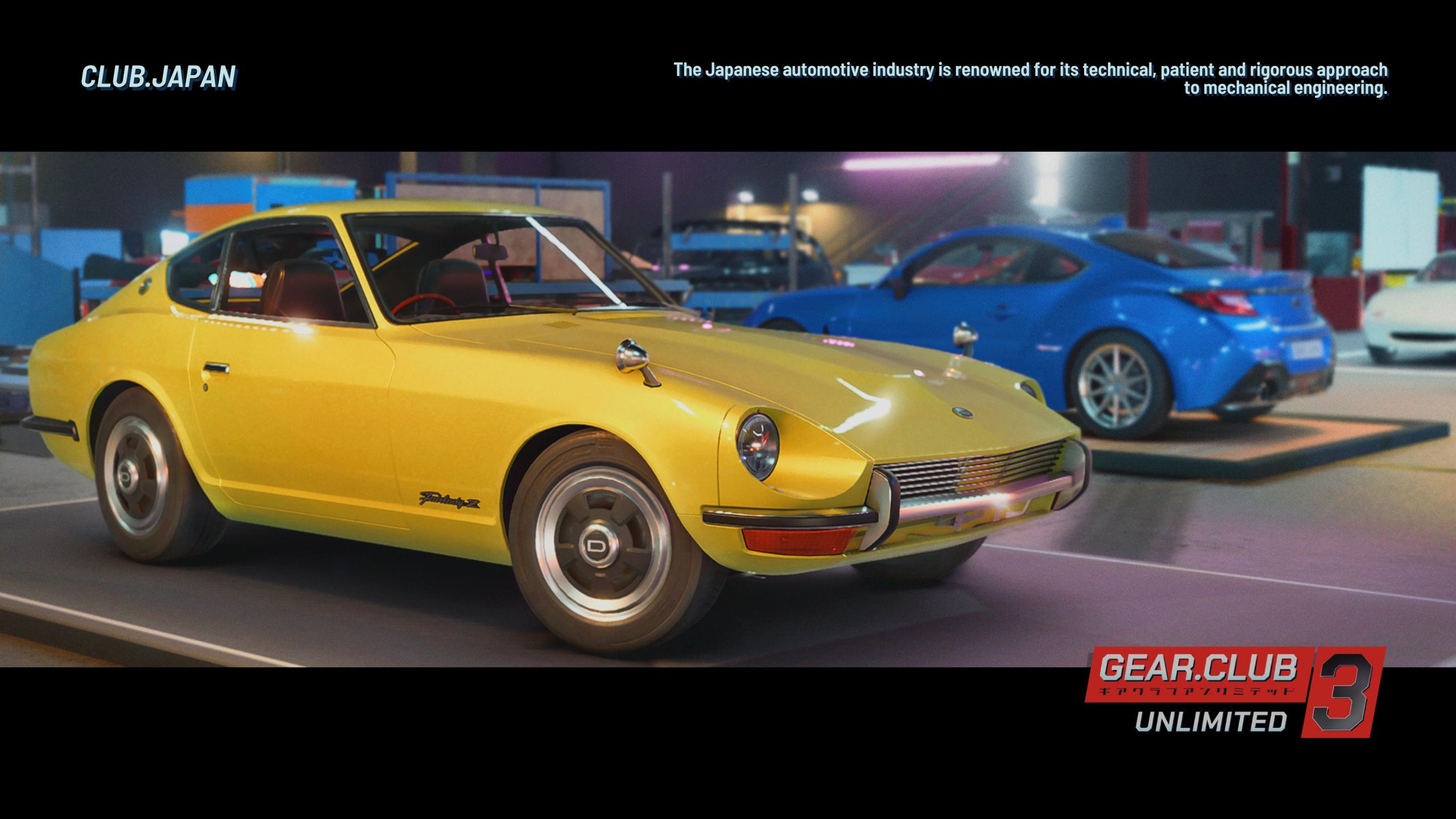
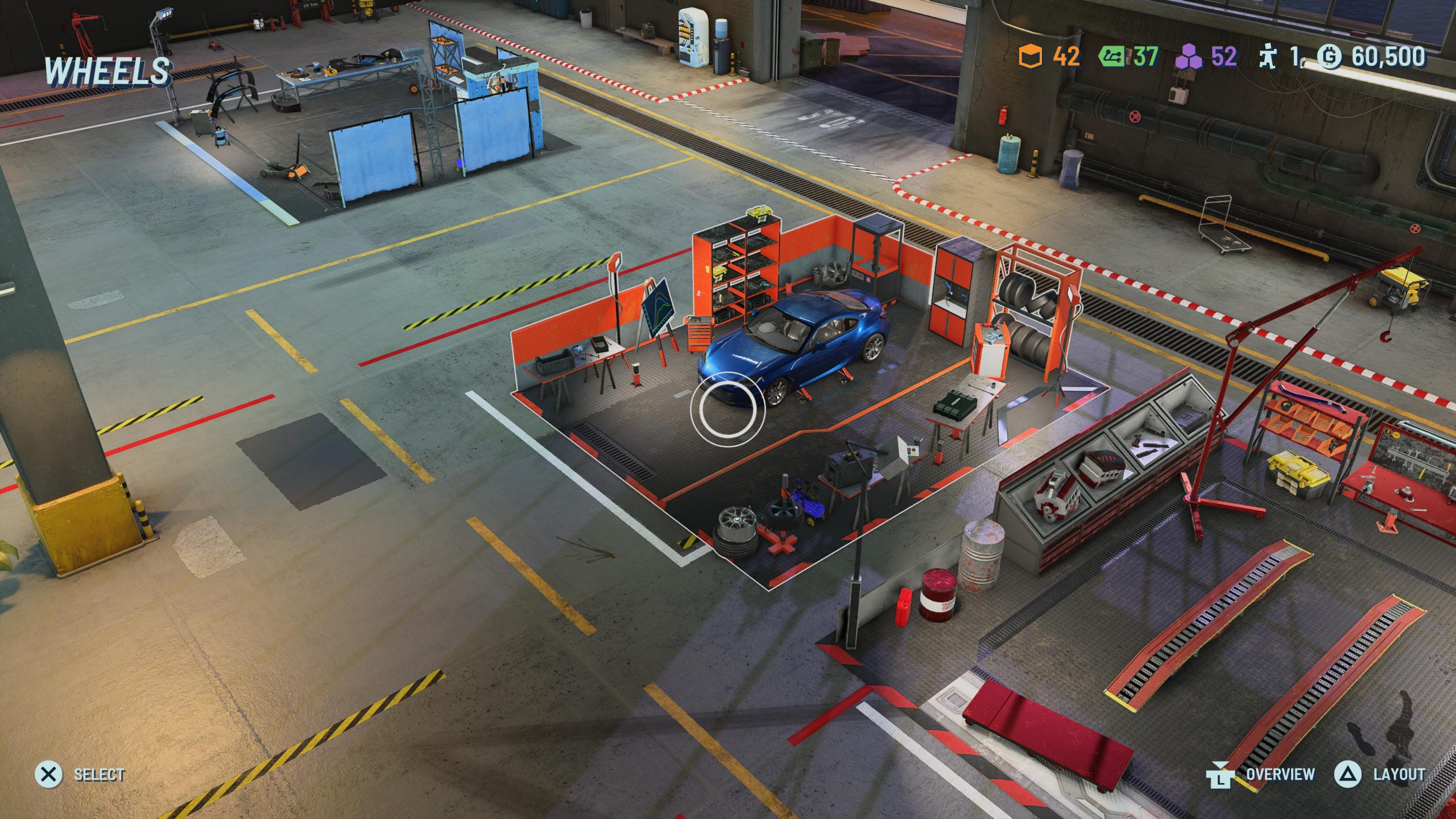
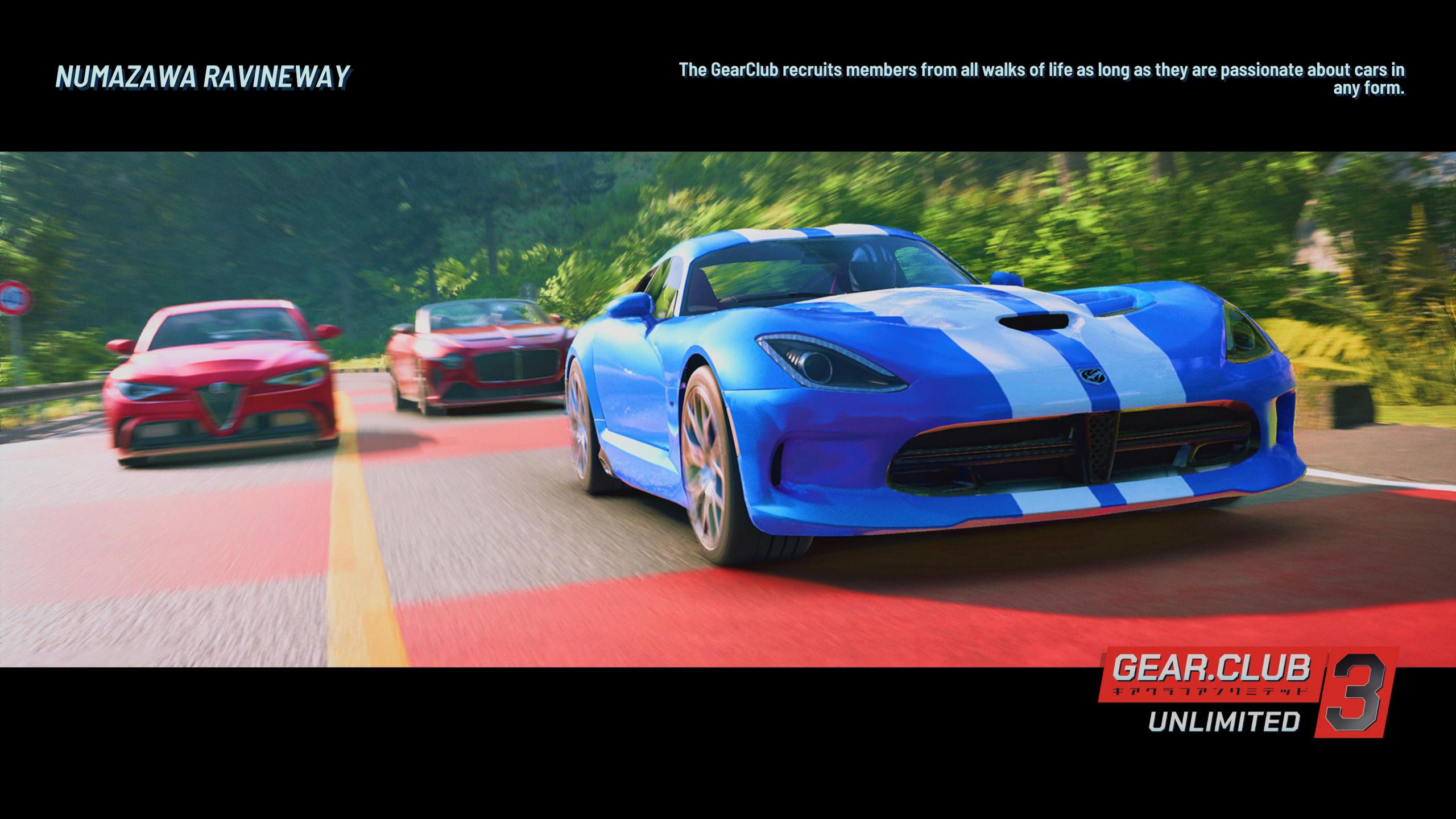
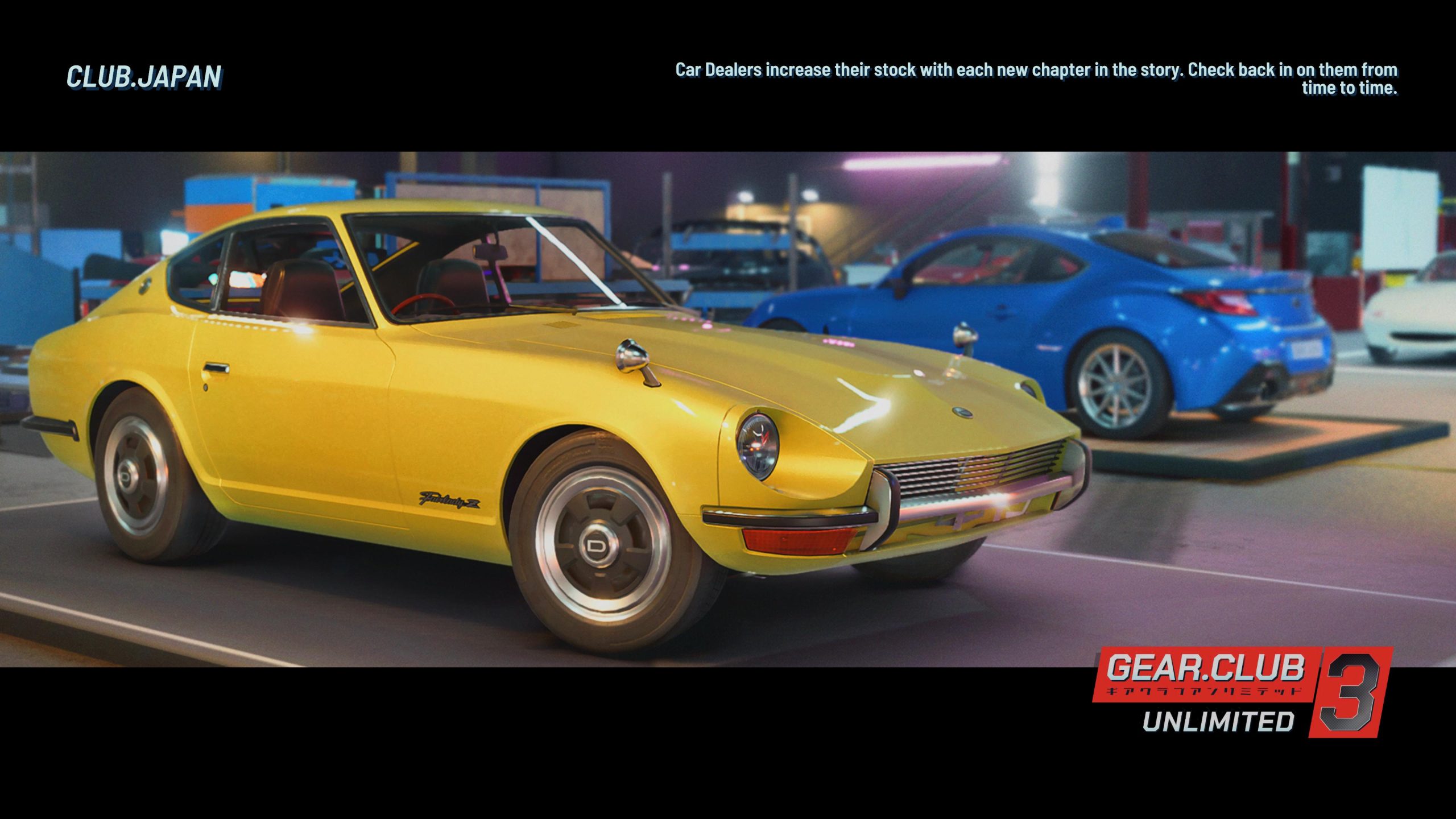
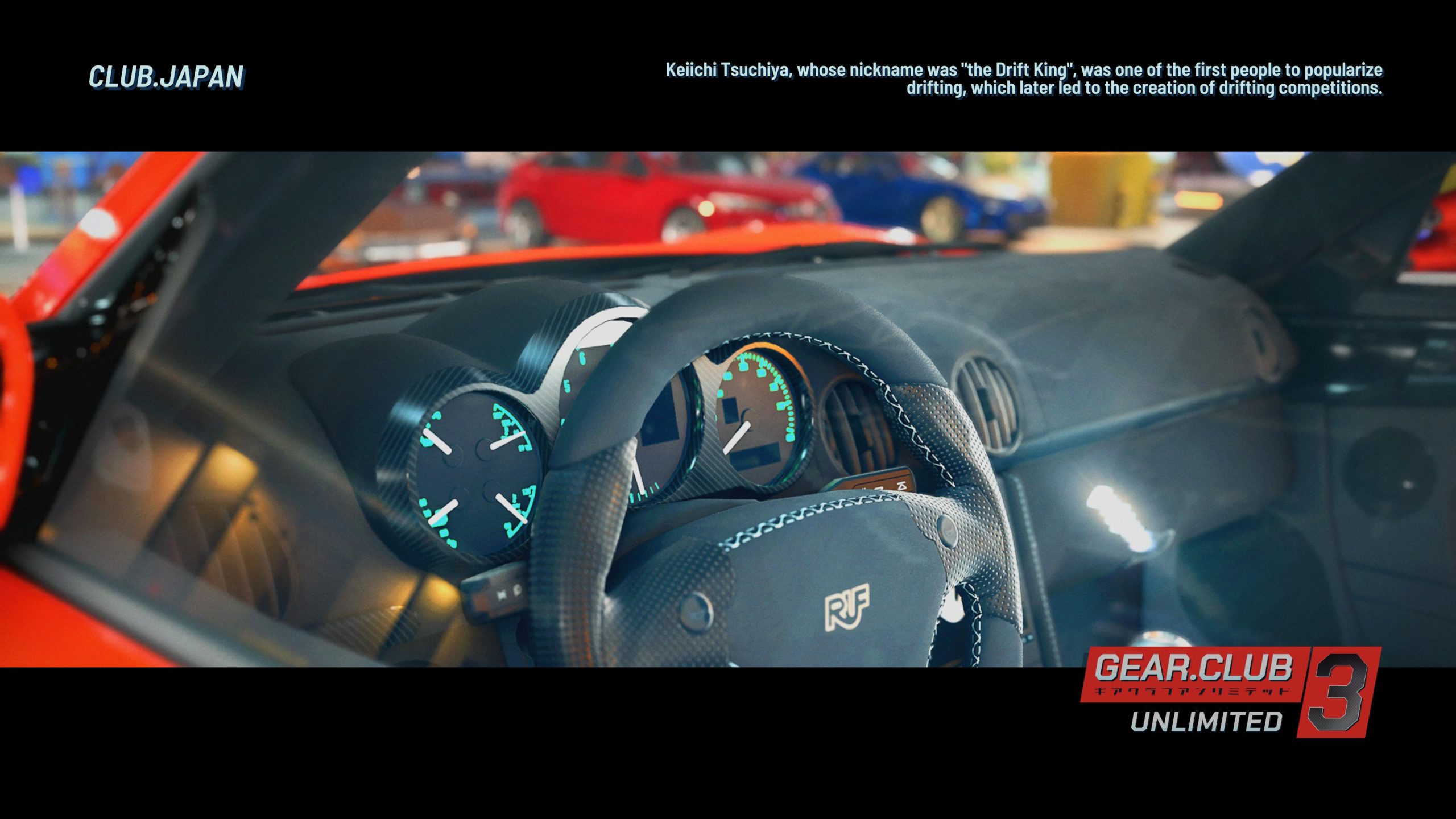
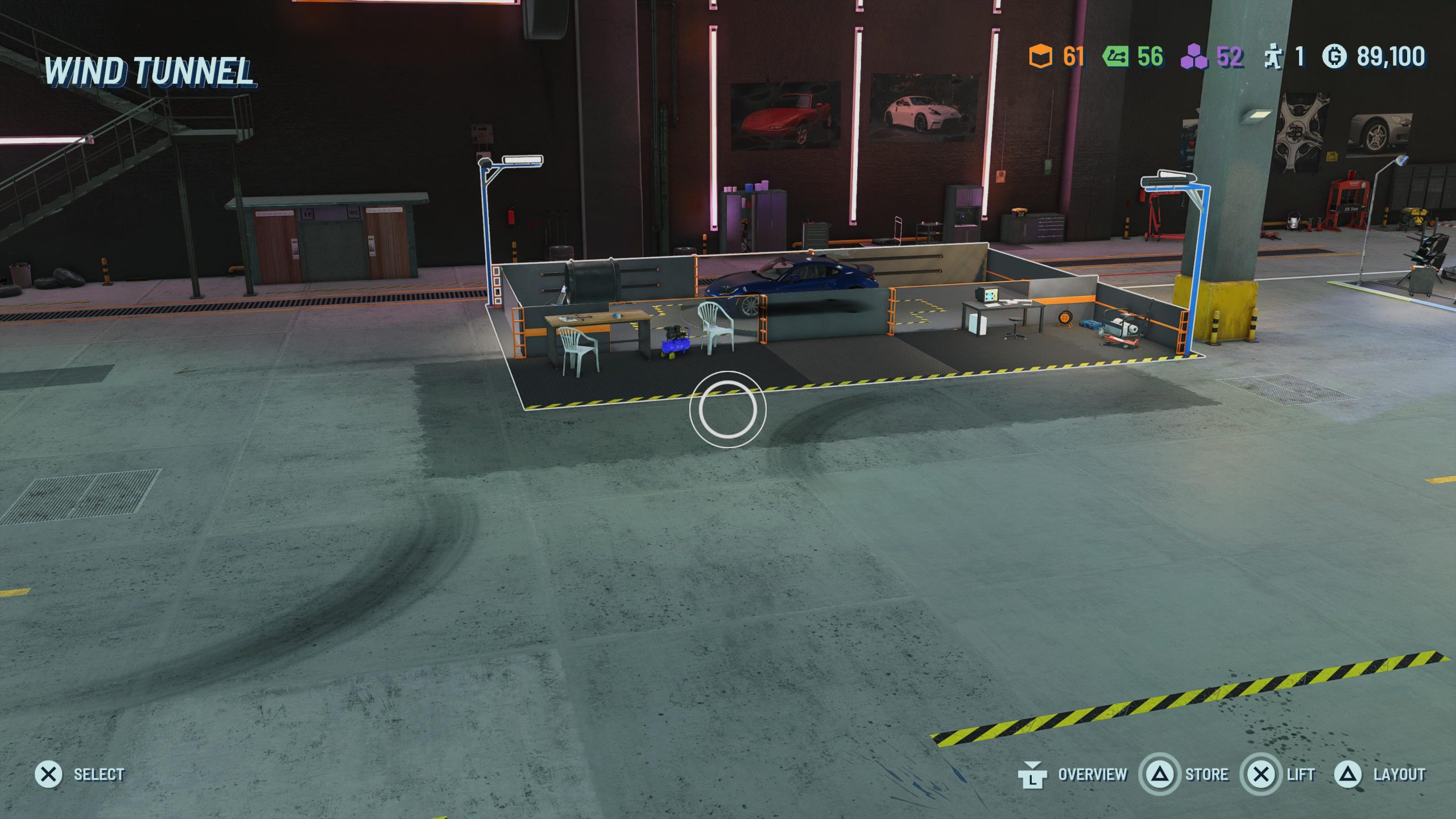
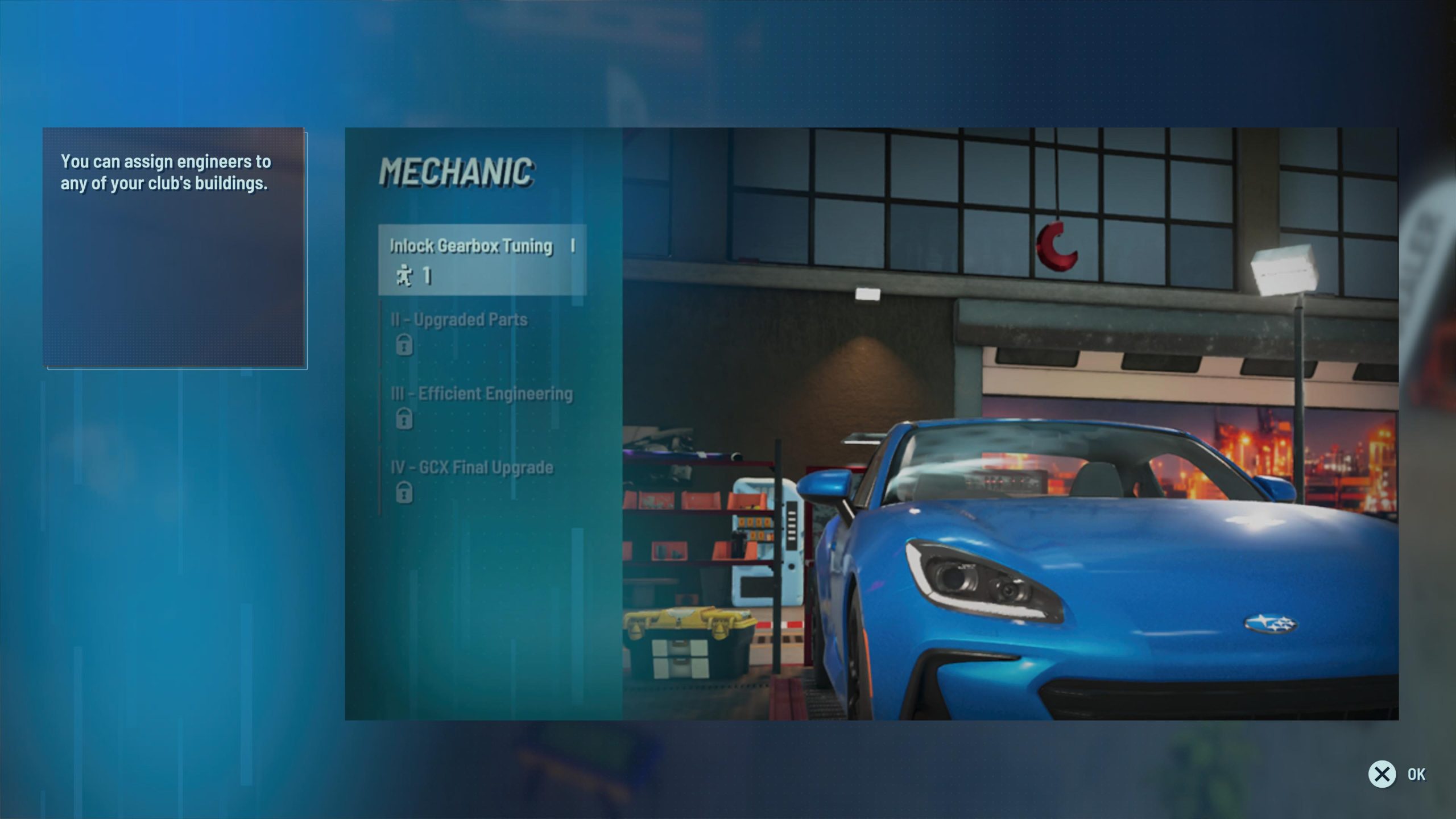
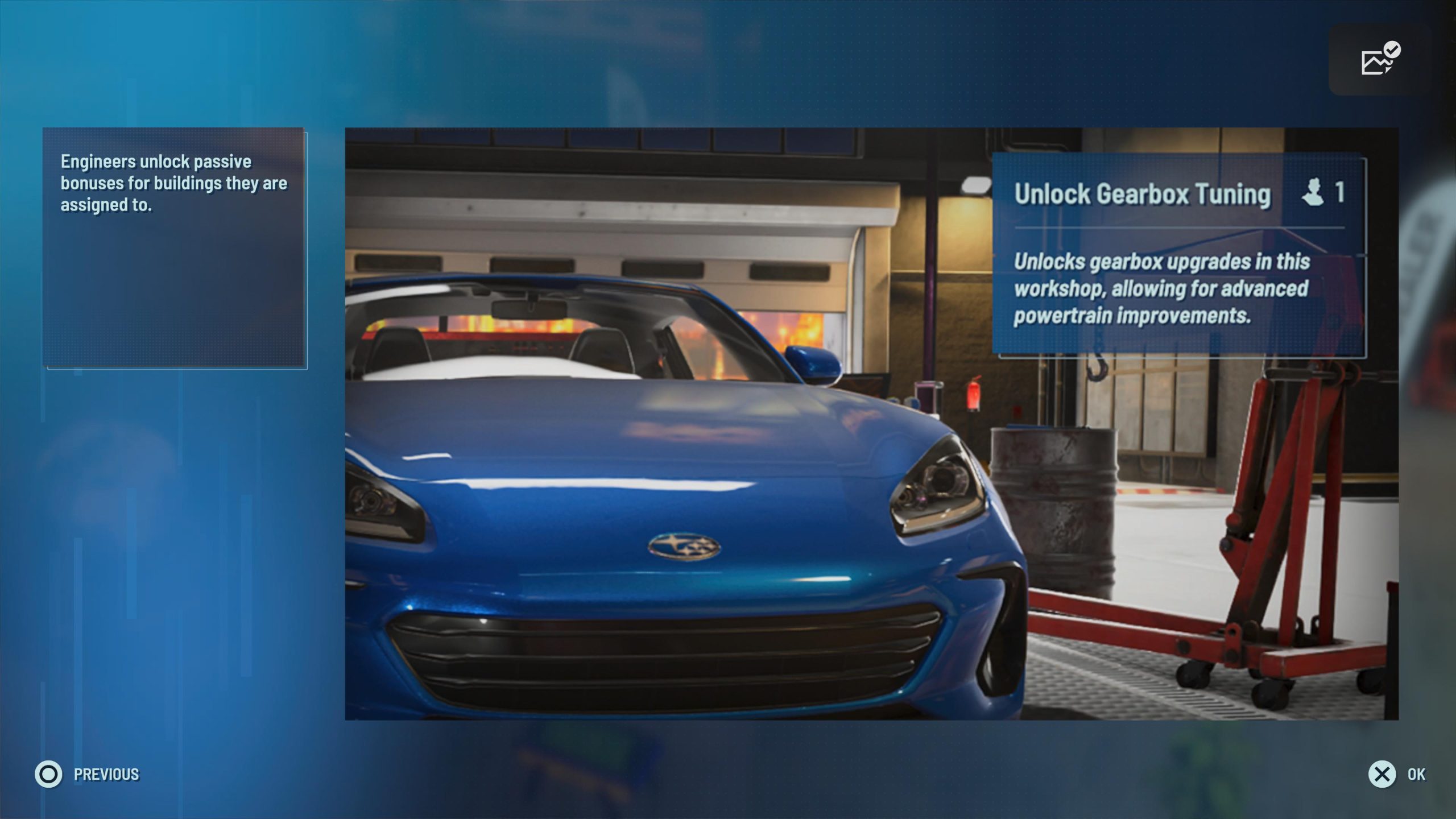
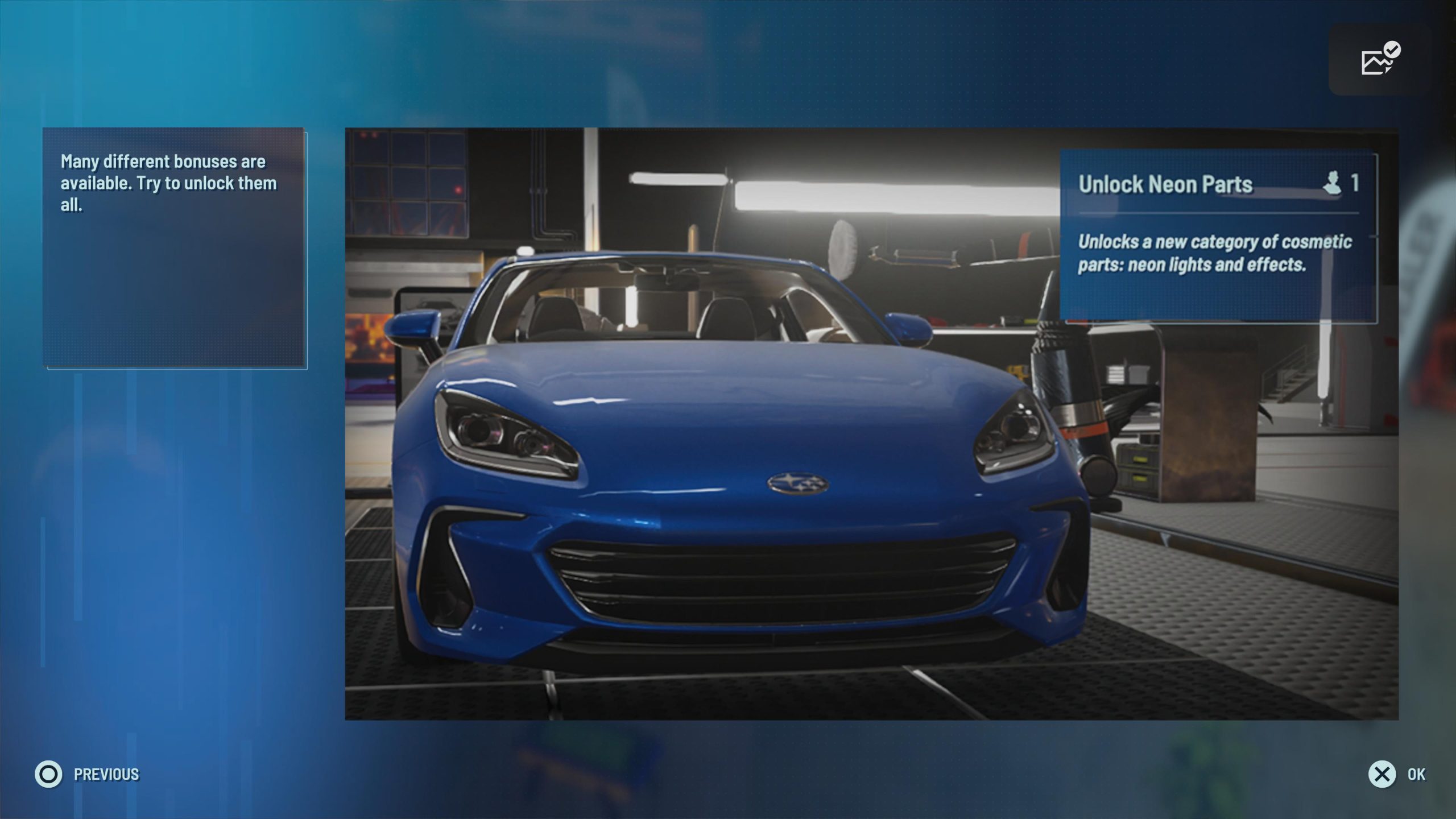
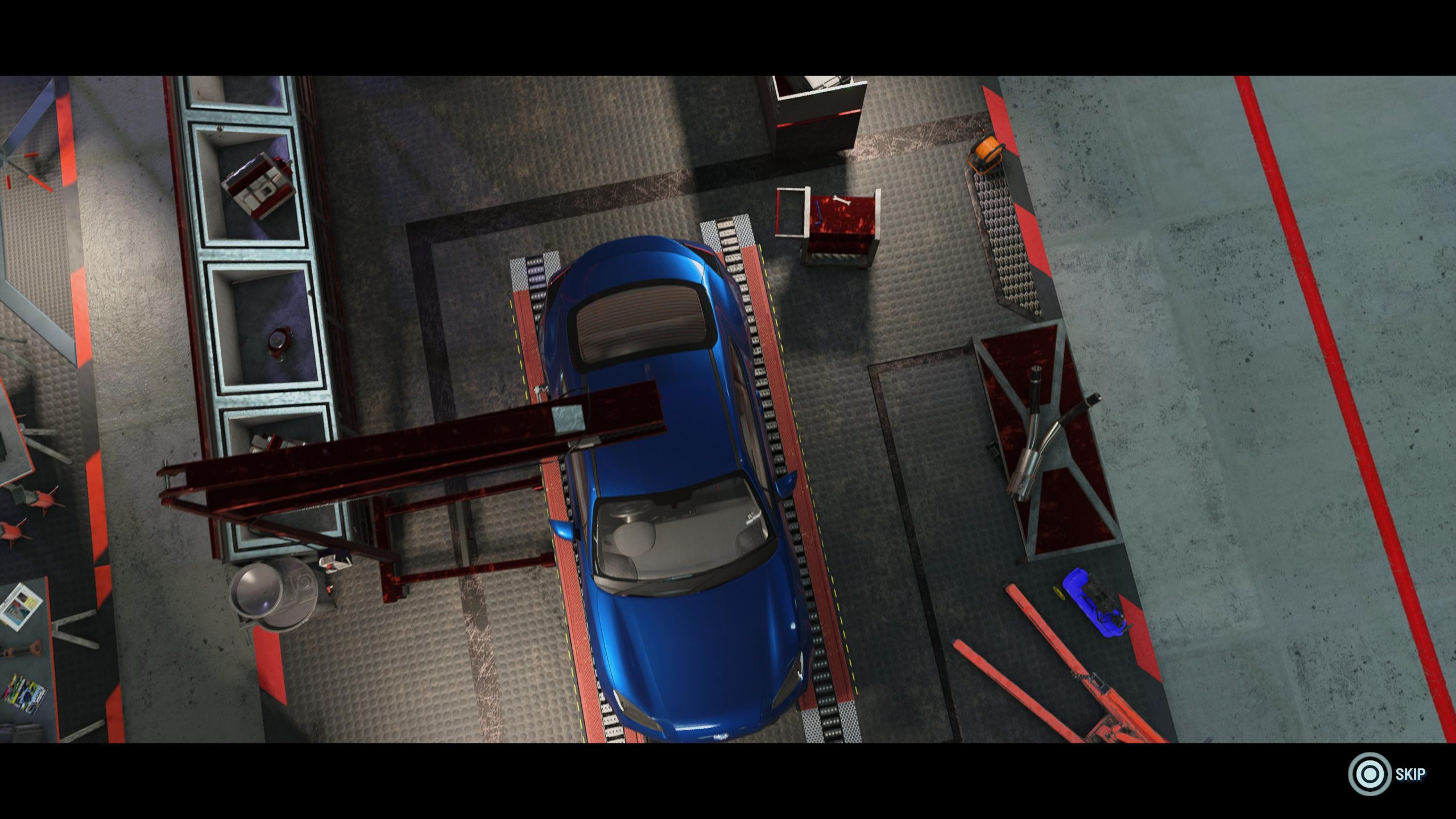
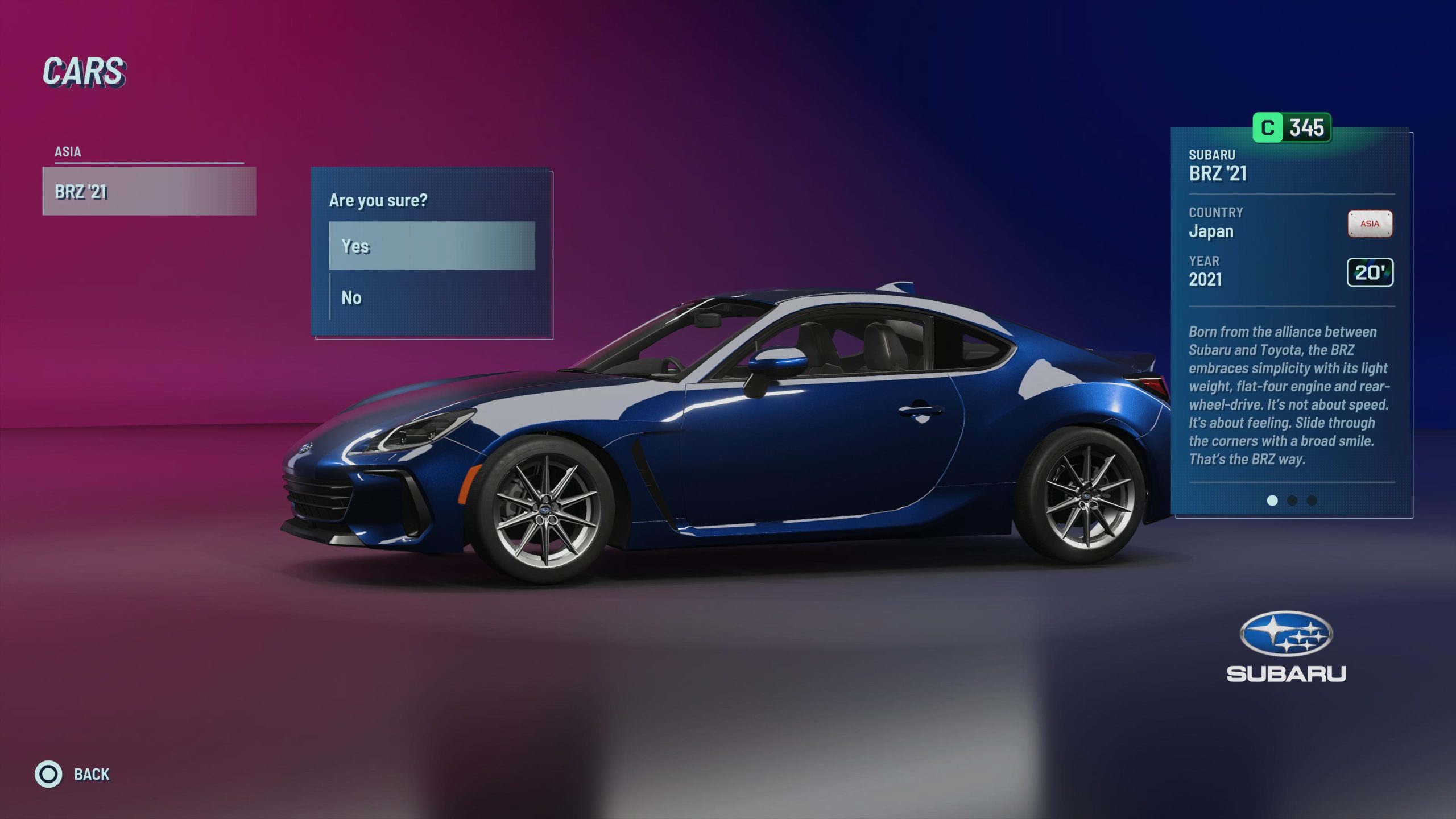
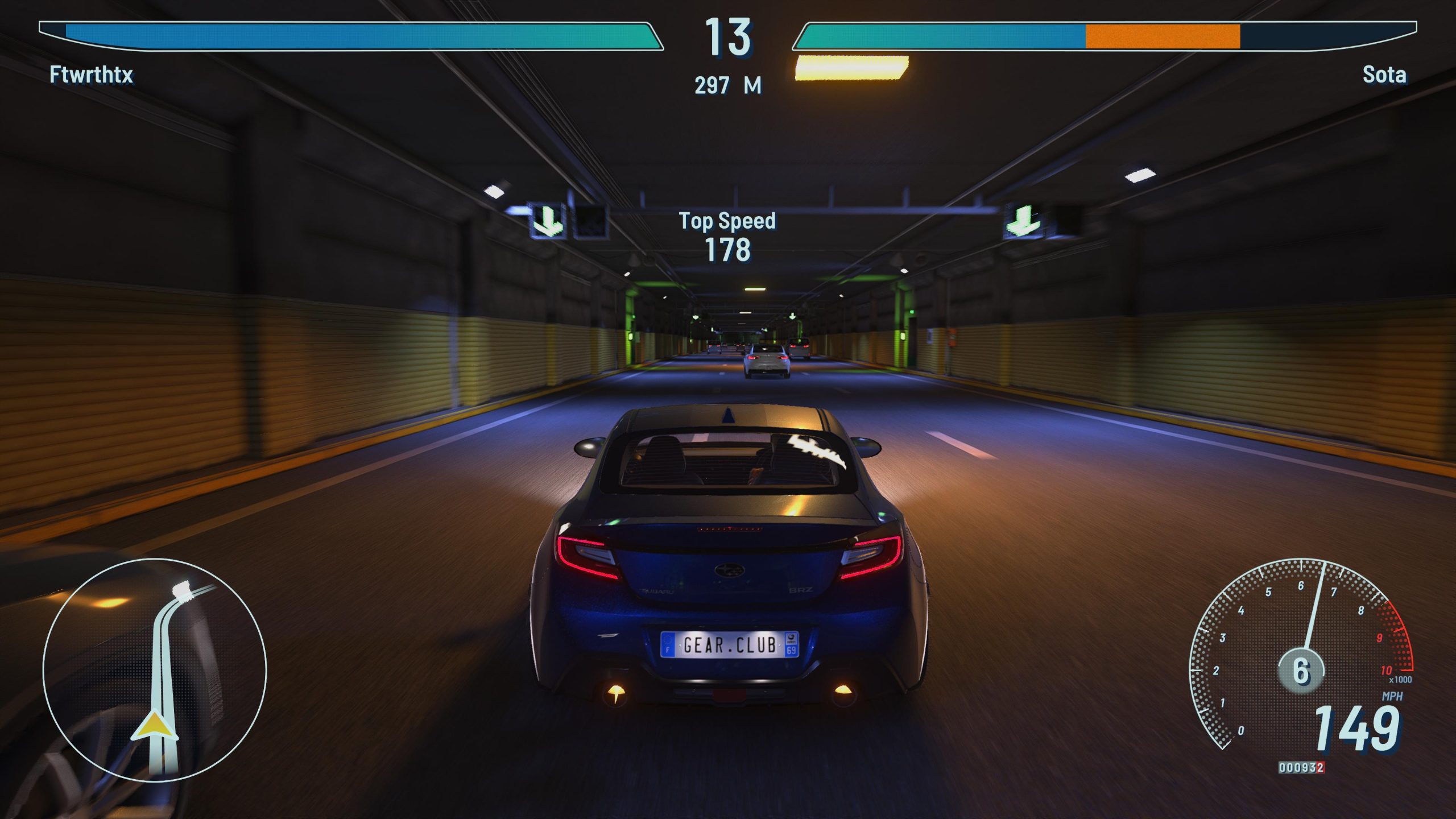
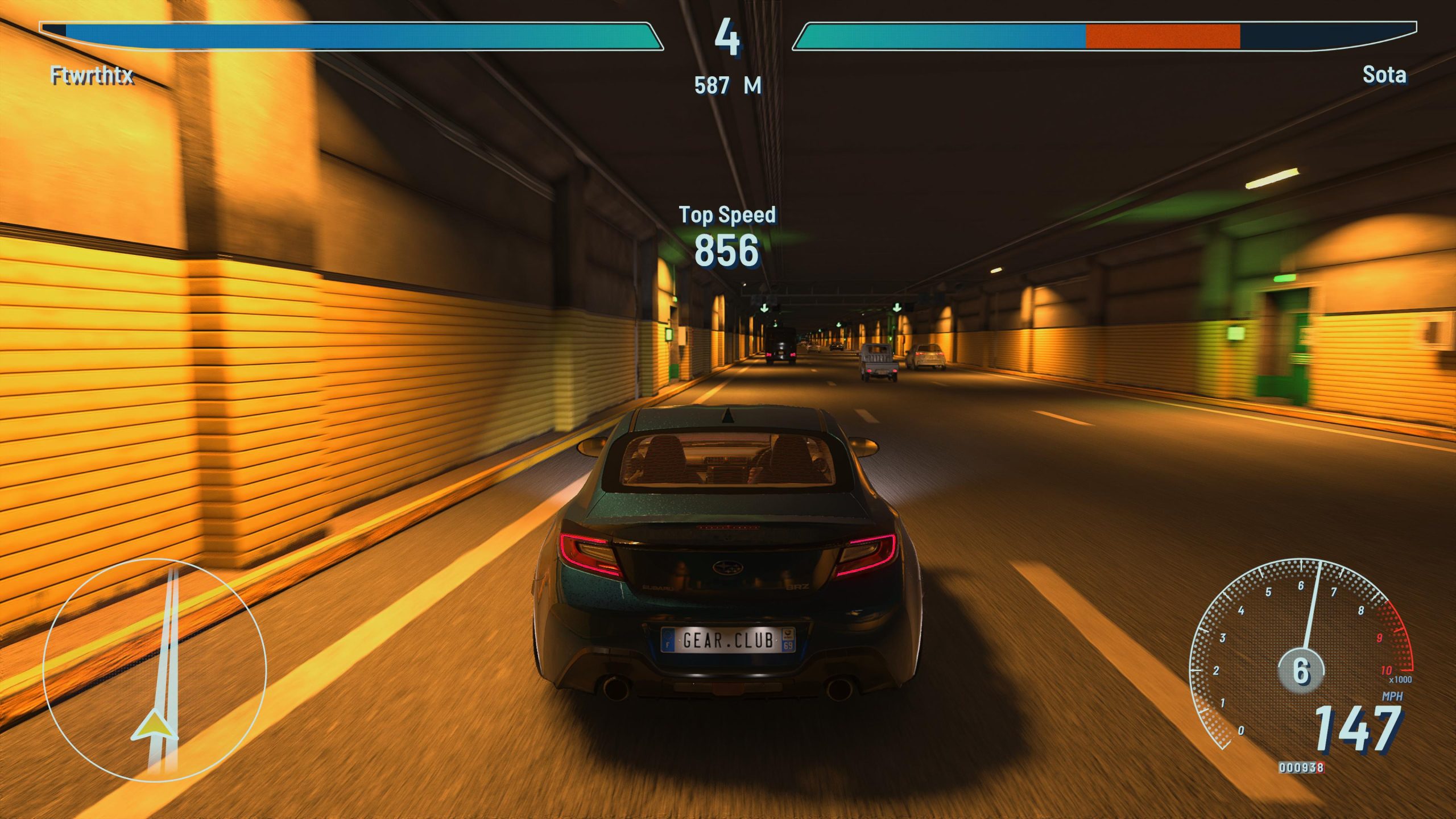
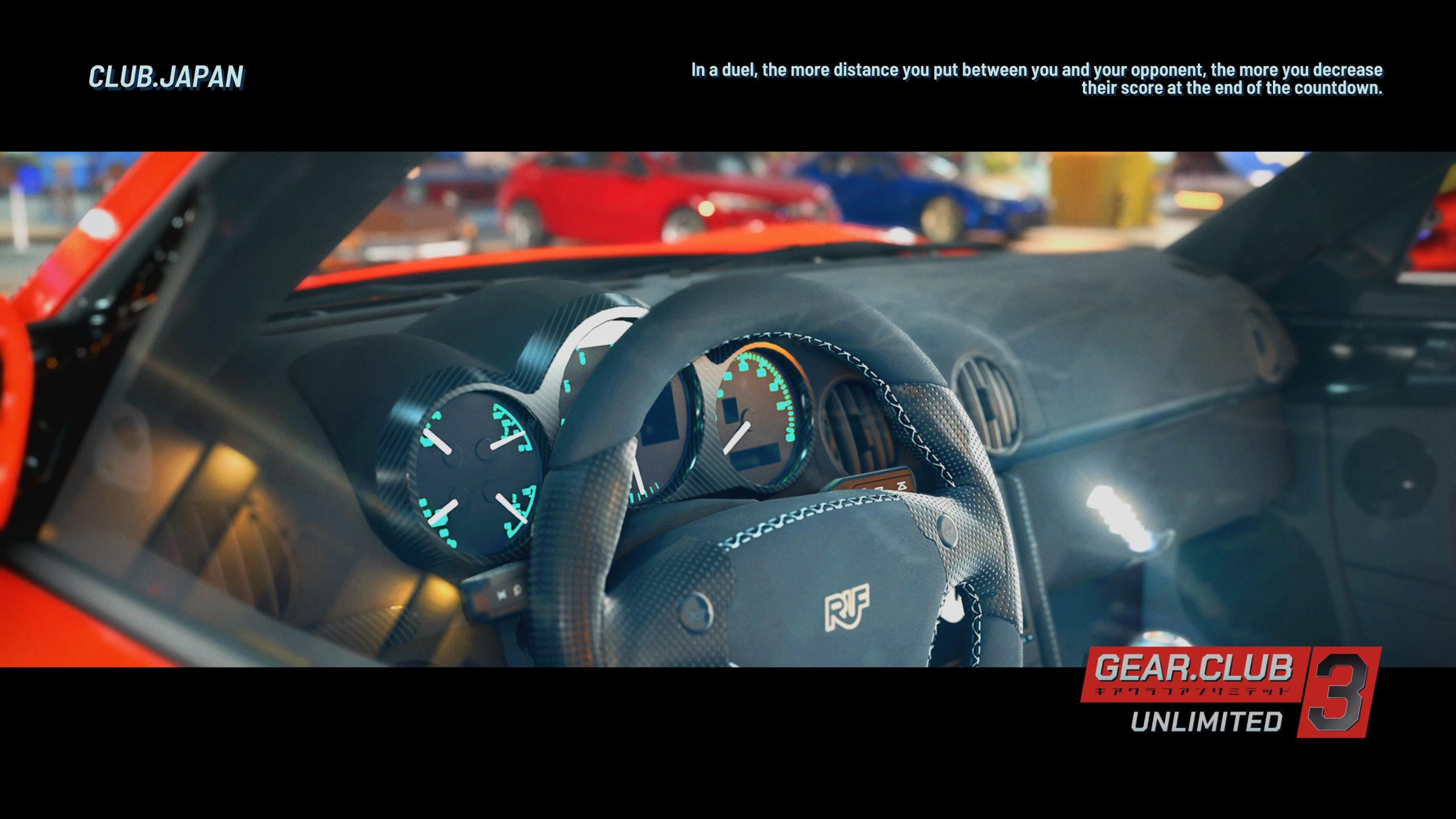
Performance generally targets smooth frame rates, yet occasional dips appear even on stronger hardware like the PS5 Pro, particularly during denser highway sections. Path-tracing options exist in limited form mainly for reflections, adding subtle polish without dramatically transforming the overall visual presentation.
Gameplay
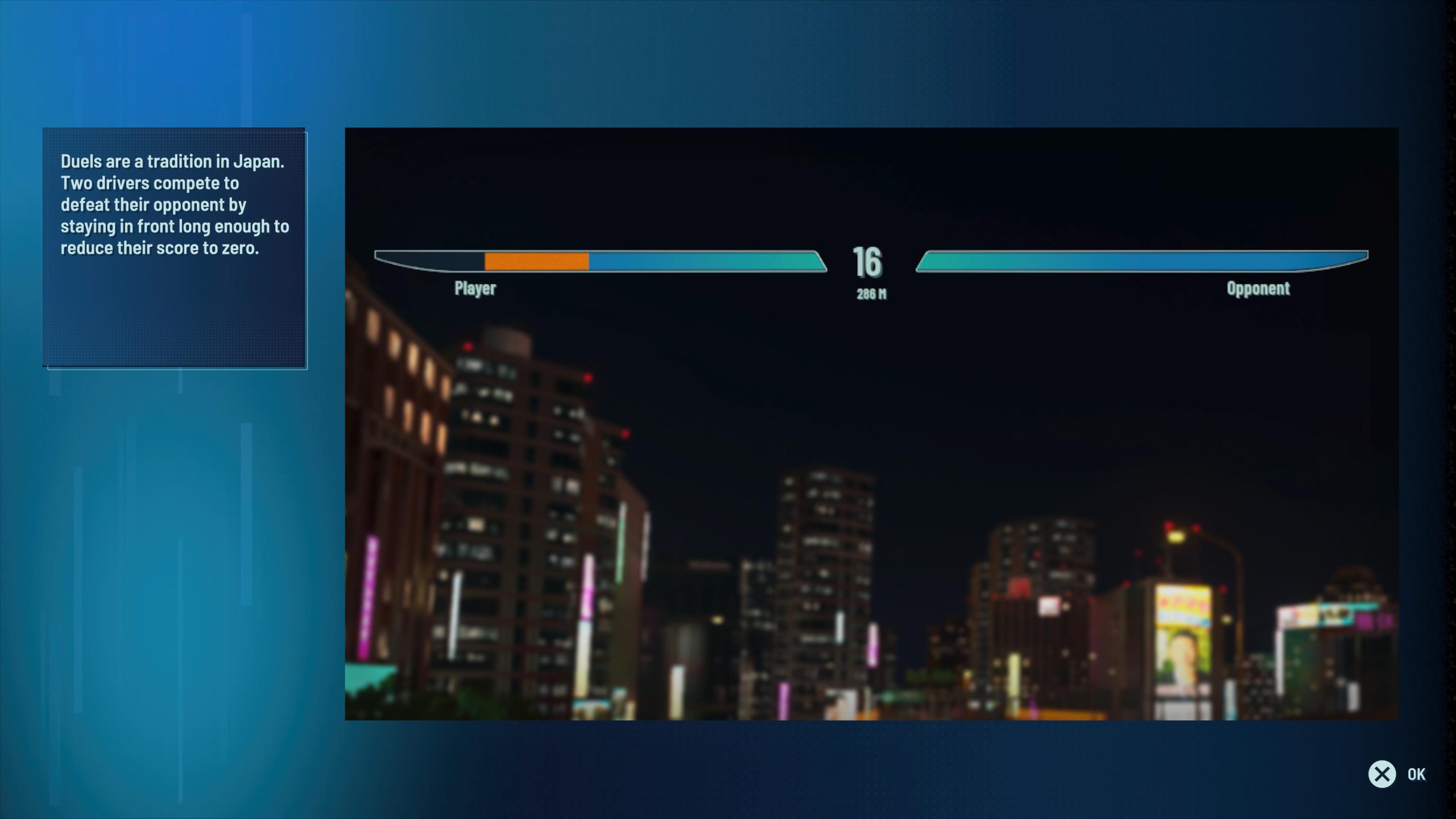
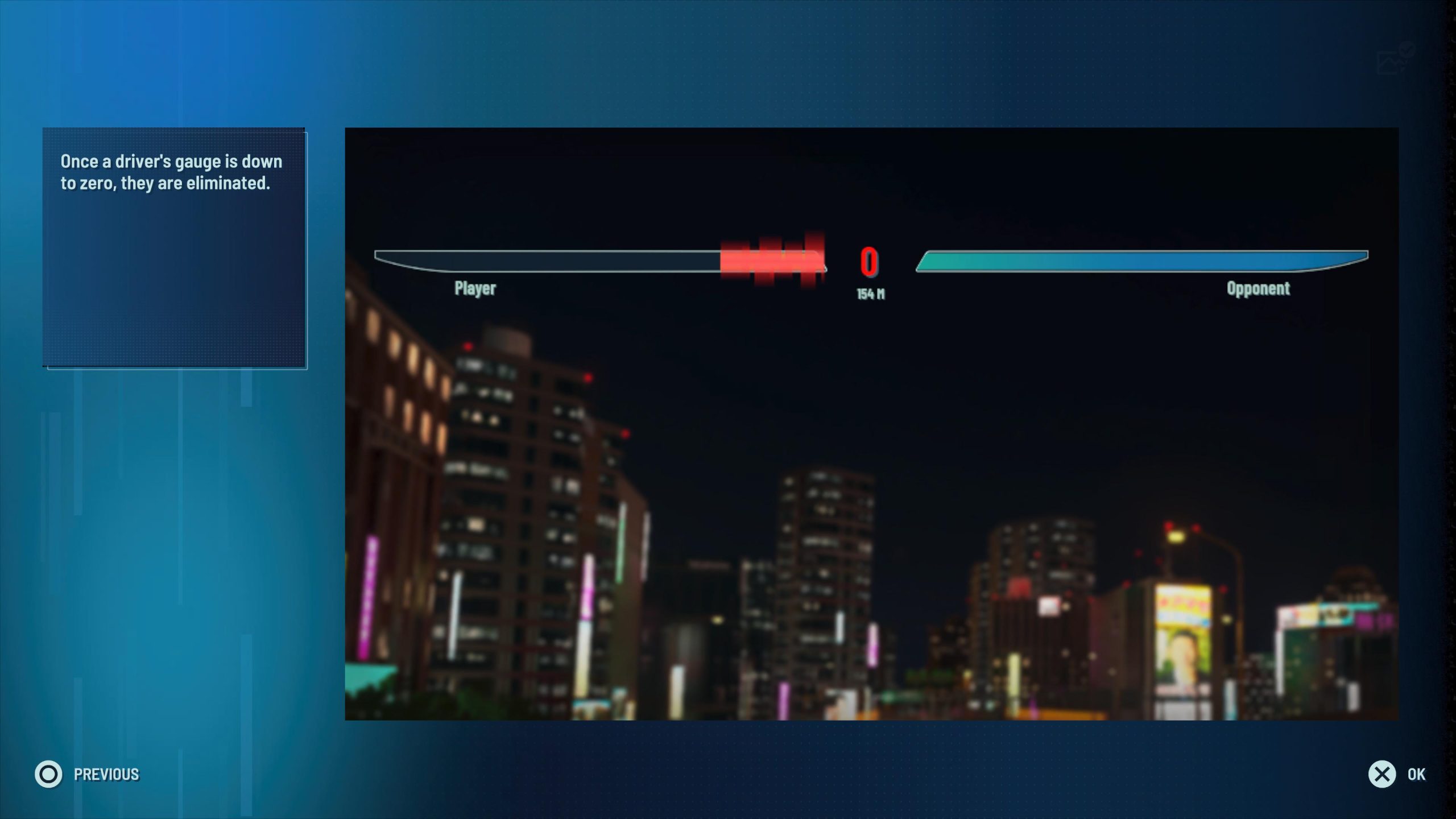
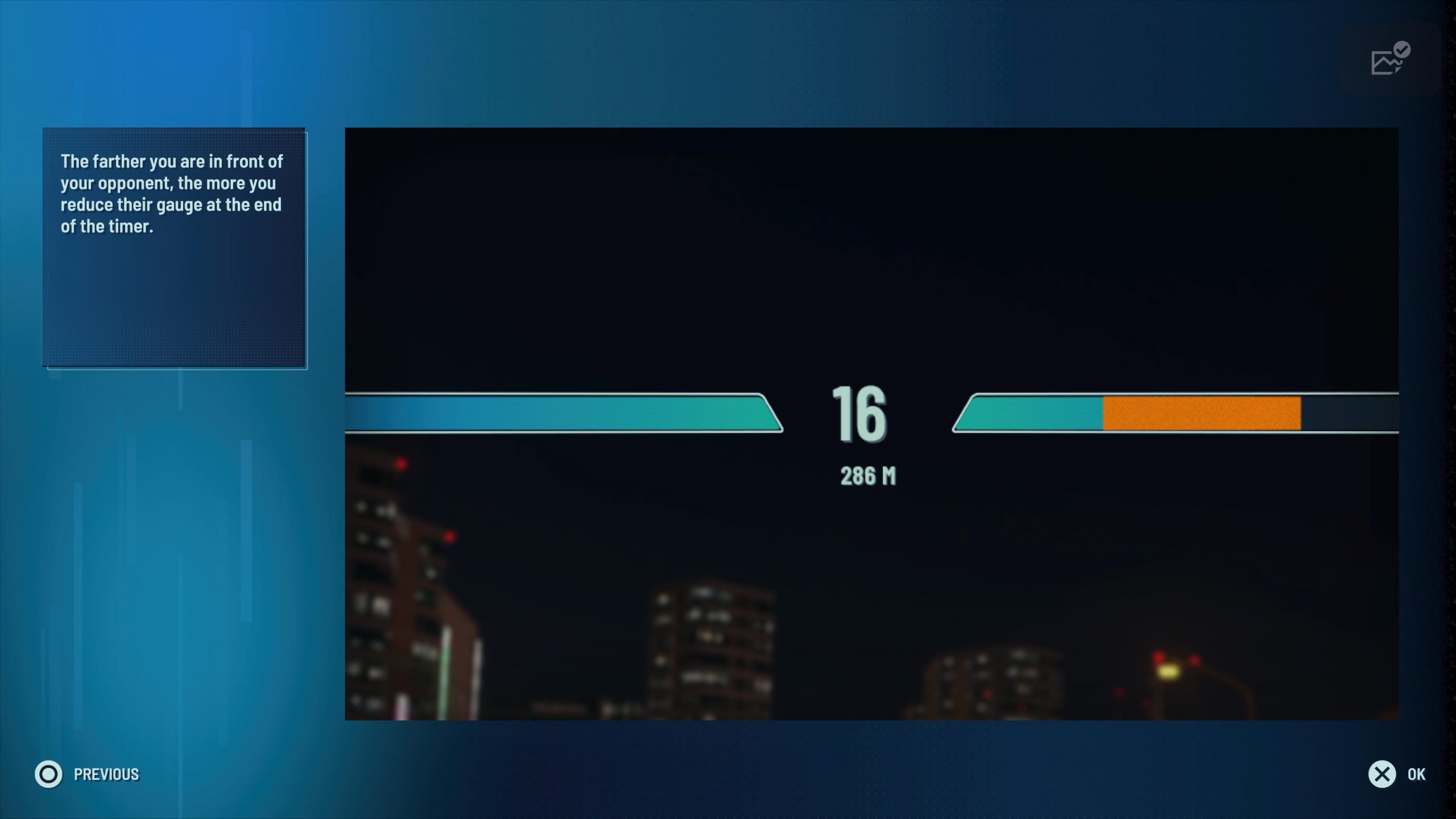
The handling sits in accessible sim-cade territory: cars feel weighty enough to reward careful braking and lines, yet remain forgiving enough for shorter sessions, with assists available to tailor difficulty. Event types include standard races and time trials, one-on-one duels that deplete an opponent’s meter by building a lead, and the new Highway Rush mode that sends players weaving through traffic at high speeds.
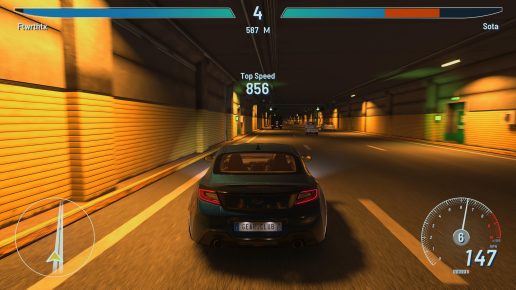
Local split-screen supports two players for races, duels, or cooperative highway runs, while free-roam and infinite highway options let players explore without pressure. AI can bunch up or create awkward pack situations, and the physics never quite match the refinement of bigger series, though the mix of modes keeps sessions varied.
Japanese Gear.Club
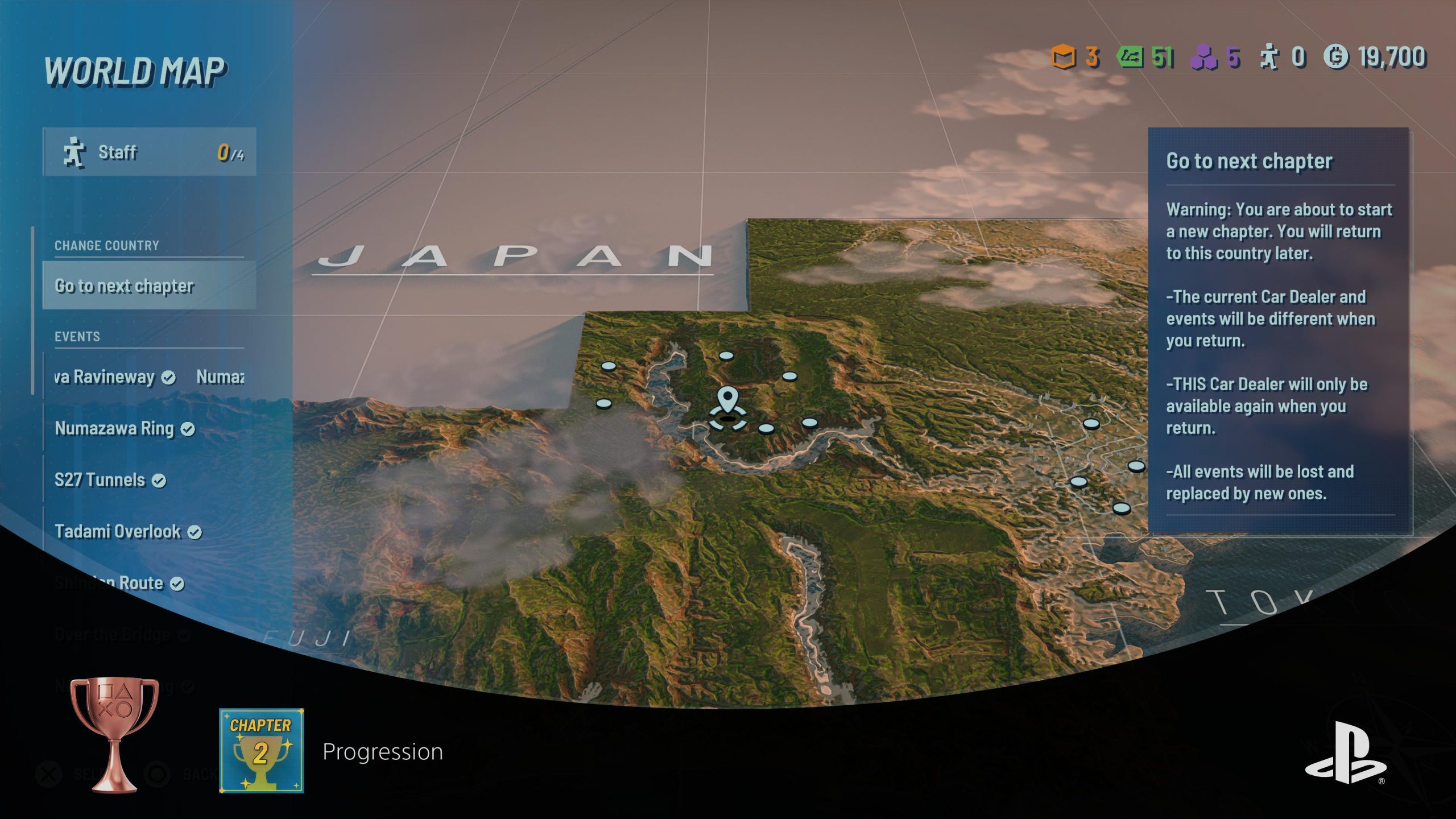
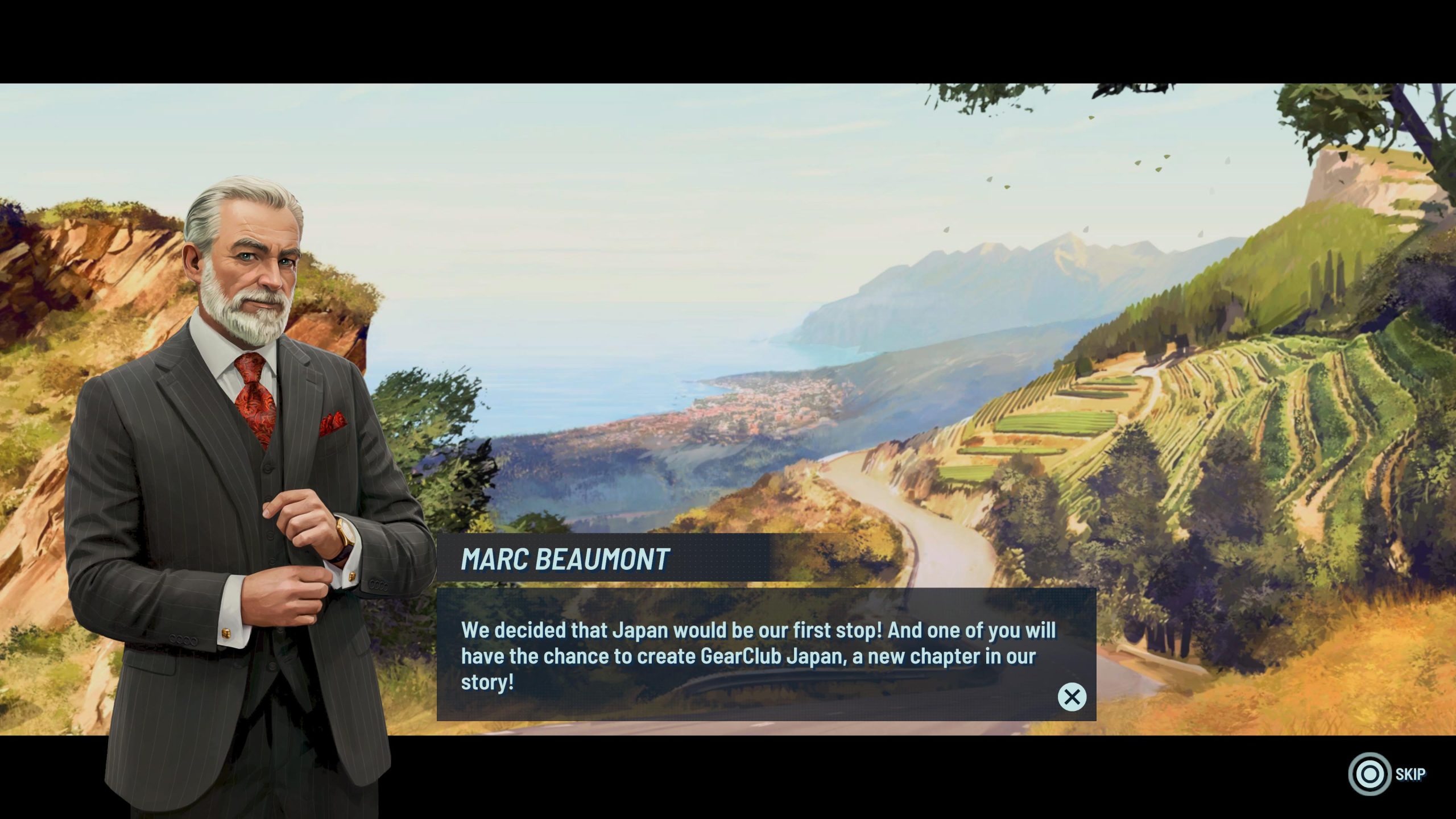
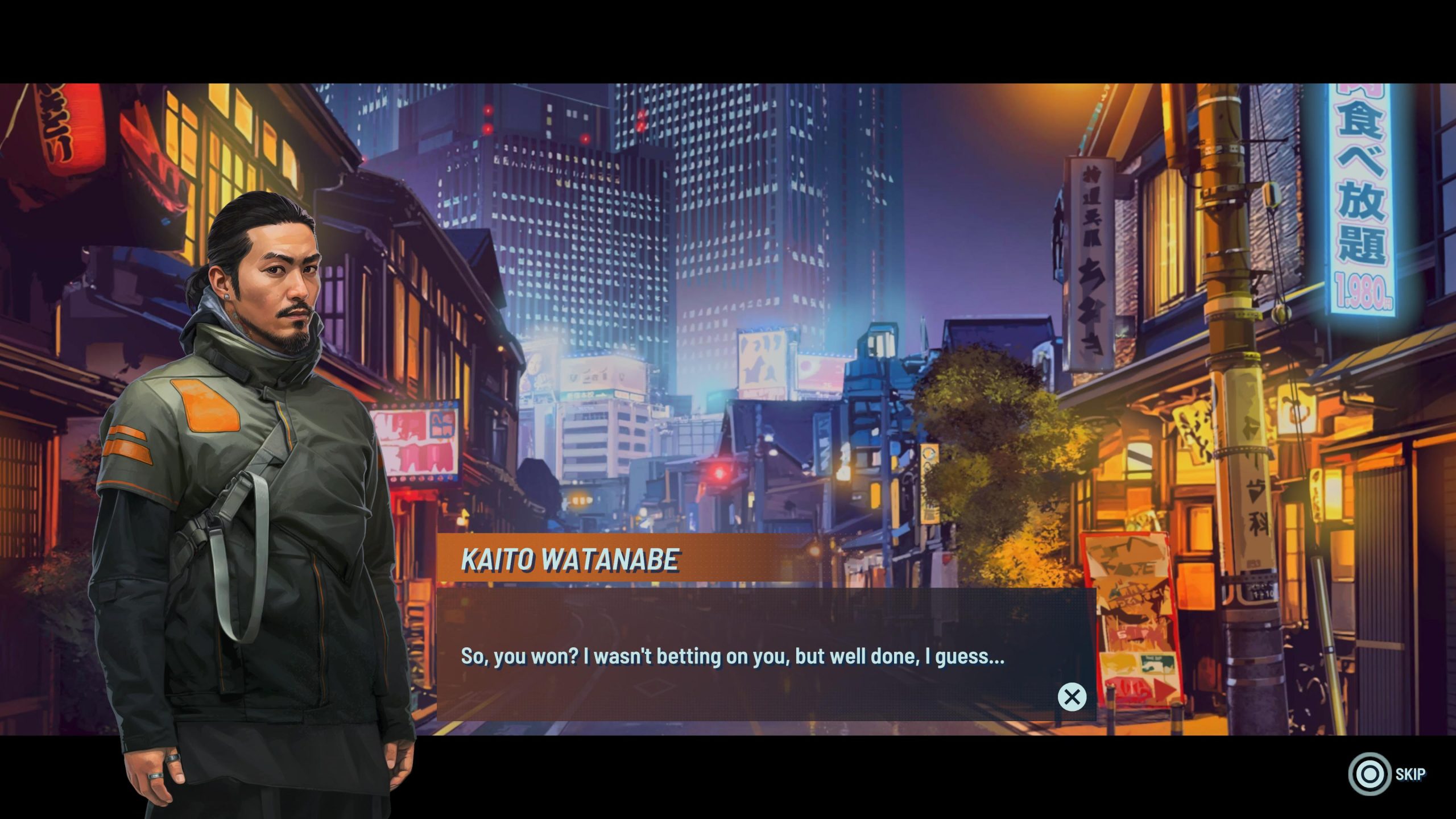
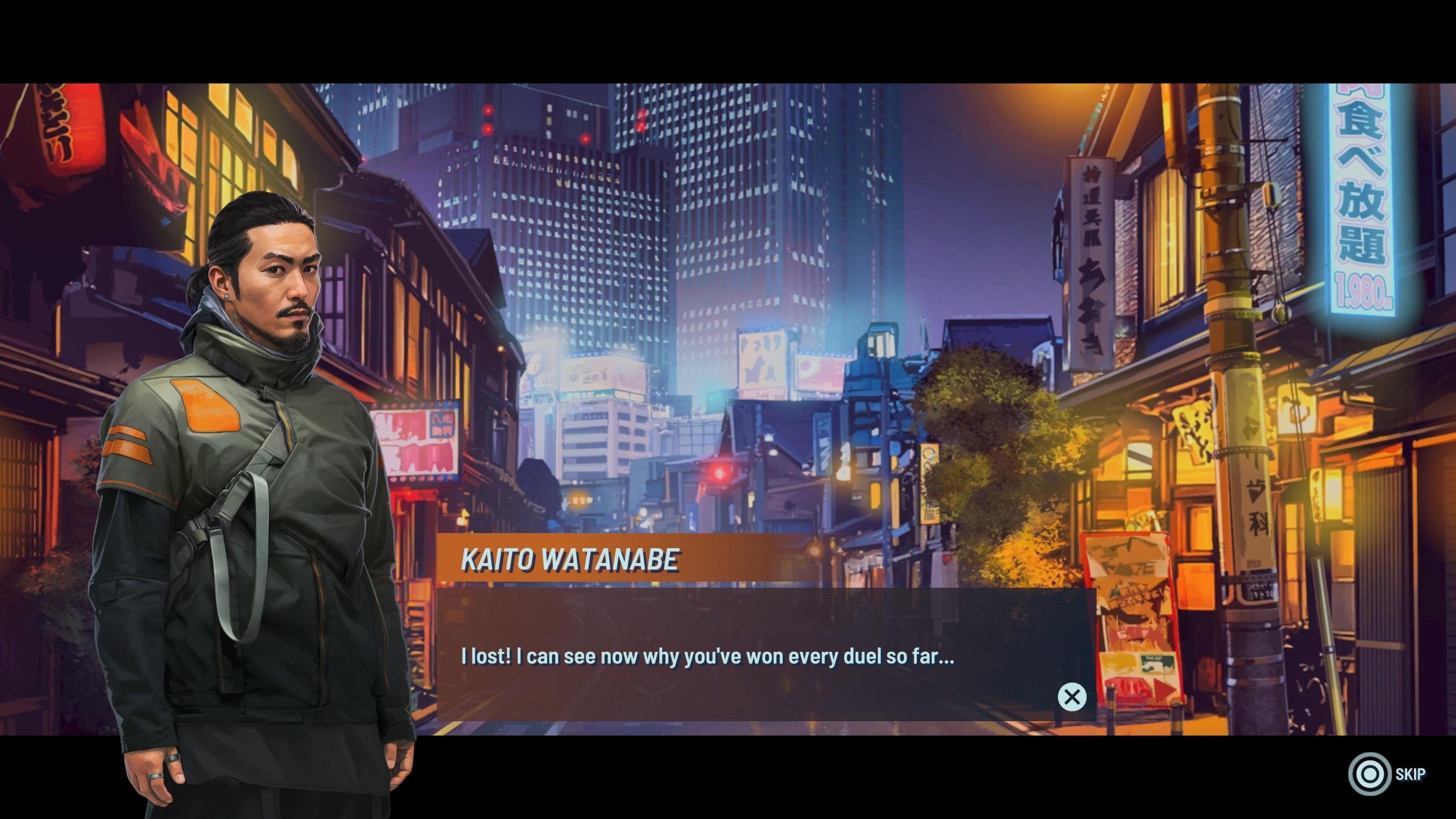
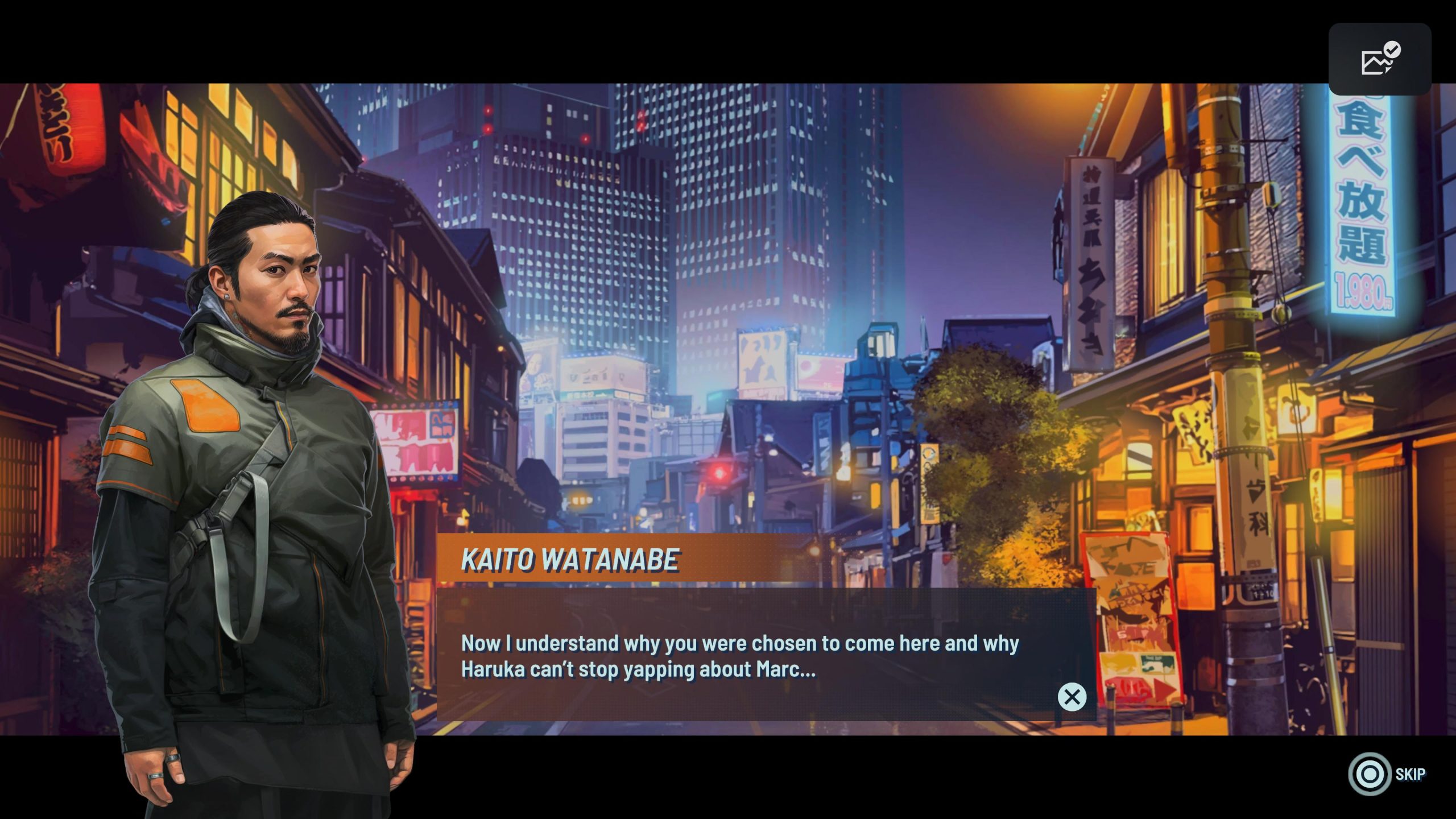
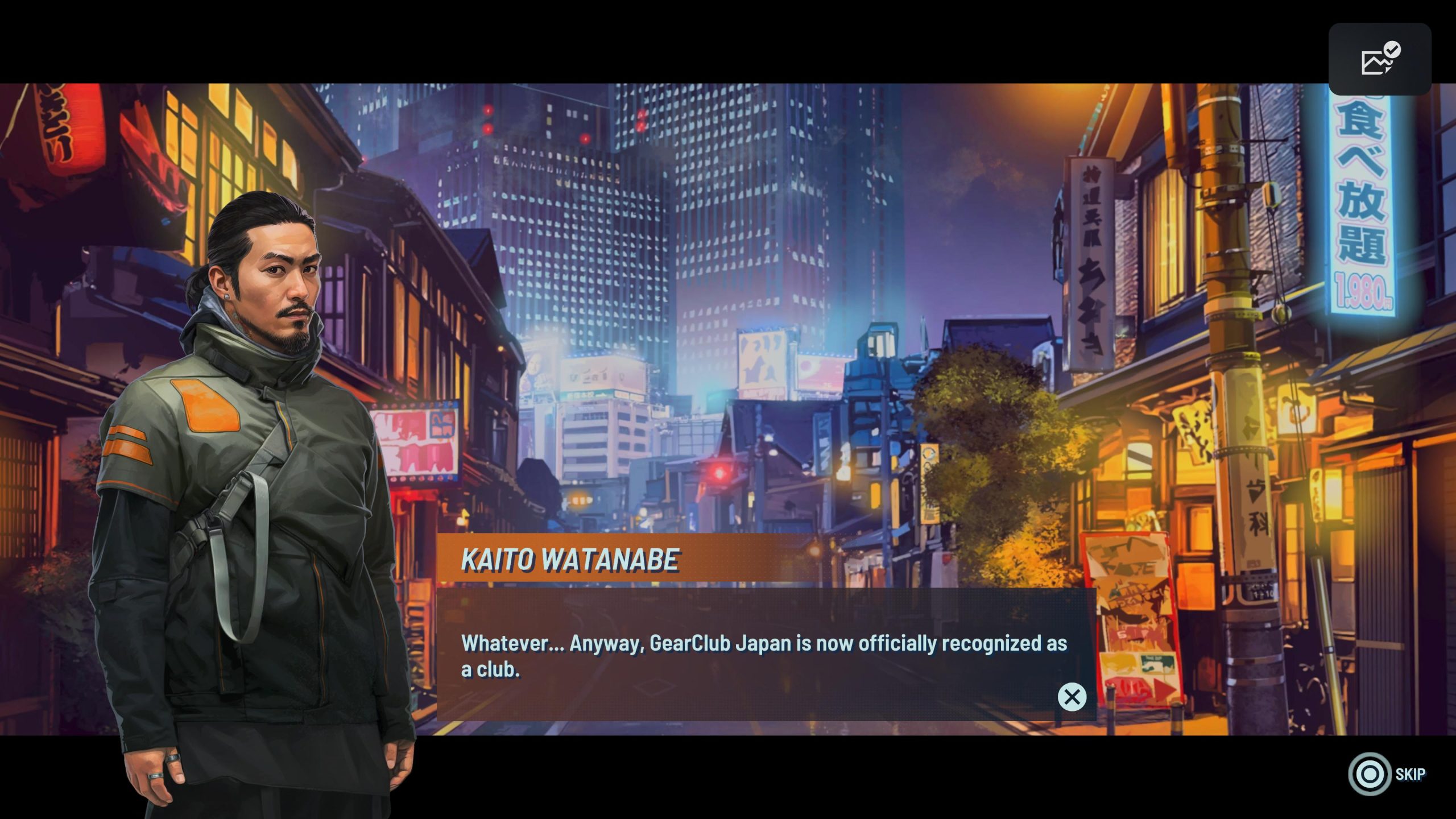
Story mode centers on settling in Japan to open the country’s first Gear.Club, recruiting local drivers and mechanics while immersing in the region’s car culture. Events take place on winding mountain passes, nighttime urban-inspired roads, and dense highways, often highlighting Japanese machinery and street-racing atmosphere.
Progress involves building contacts, upgrading facilities, and competing against rivals, with trips that emphasize the contrast between Japanese geography and driving styles. The focus on local culture and high-speed highway challenges forms the narrative backbone of the campaign.
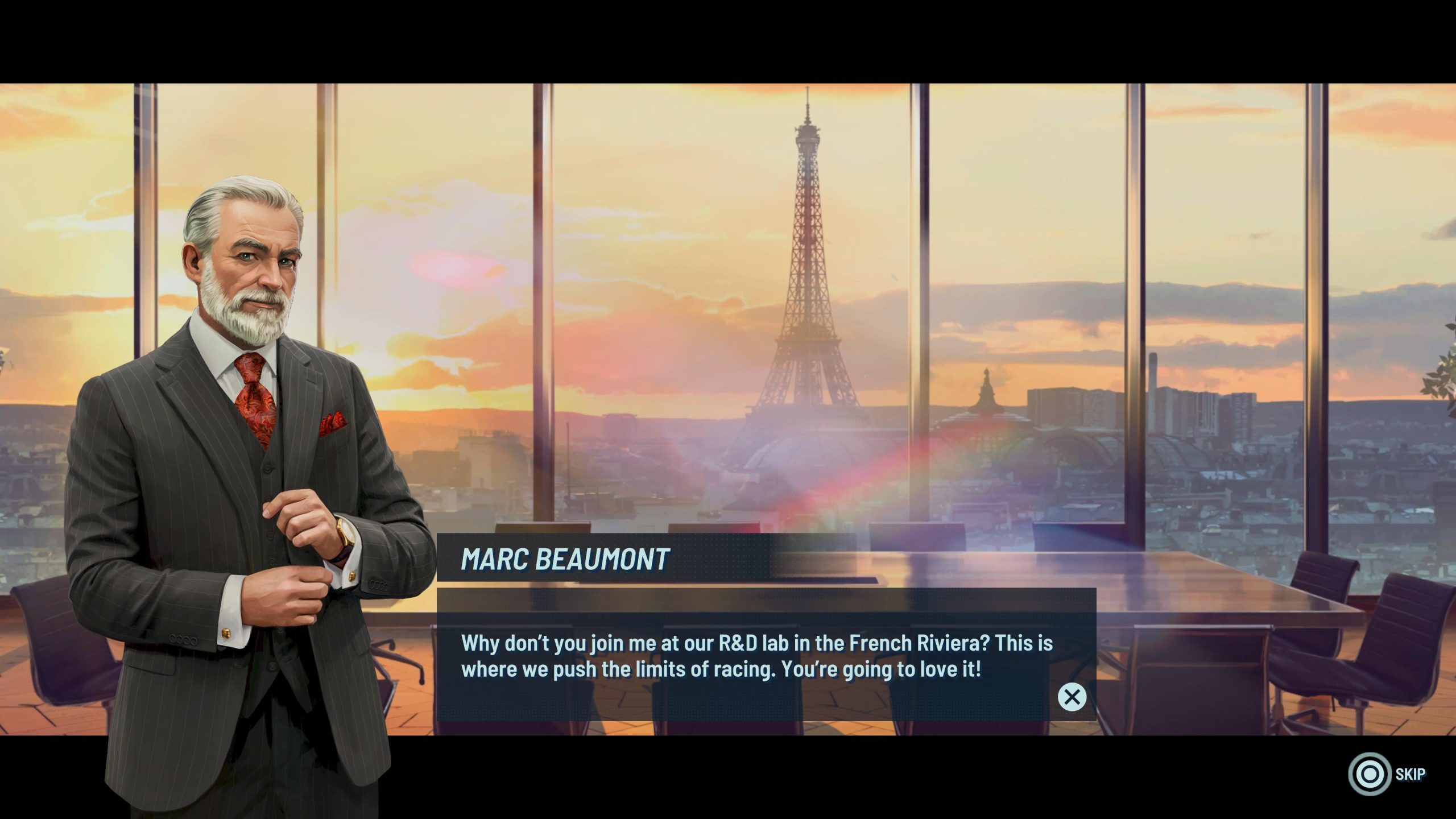
French Gear.Club
Parallel sections return players to the French Mediterranean coast, featuring technical roads that wind through coastal villages and along dramatic cliffs. These tracks favor a different pace and scenery, pairing well with European and supercar entries in the roster.
The career moves back and forth between the two regions, using the French locales as both a familiar base and a contrast to the Japanese expansion. Coastal and mountain environments here provide scenic variety while supporting the same upgrade and progression systems.
Gear.Club Upgrades
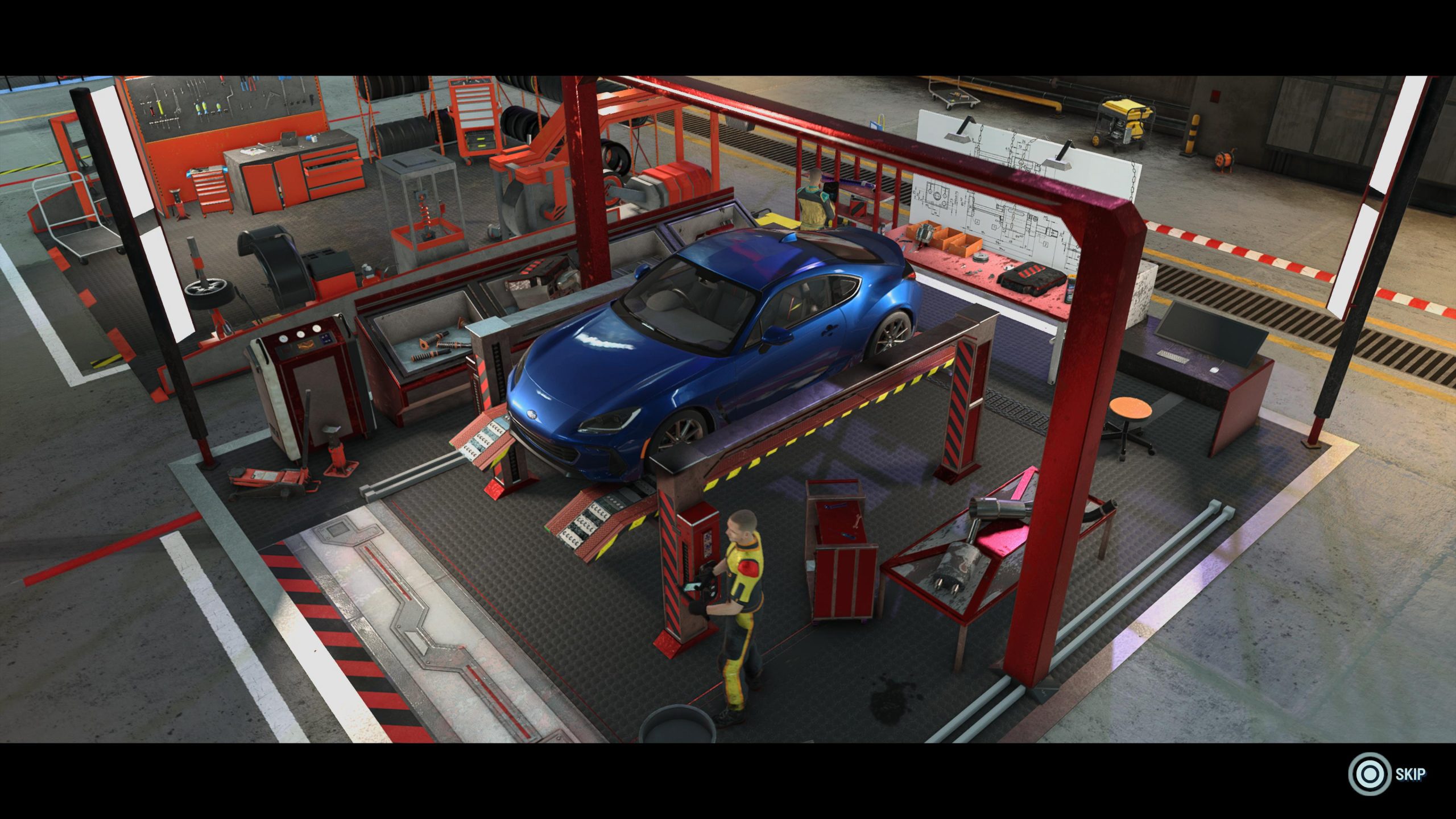
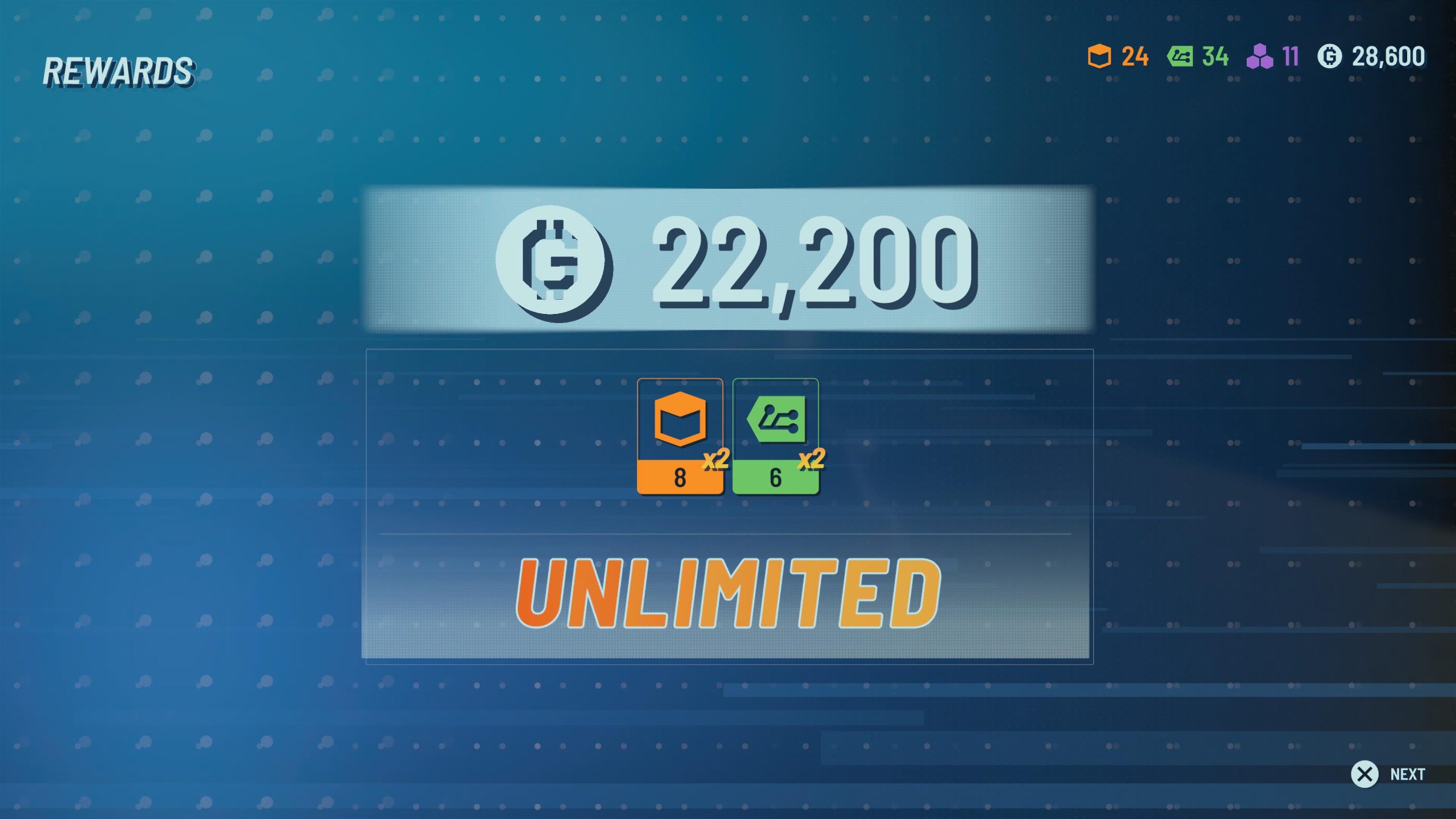
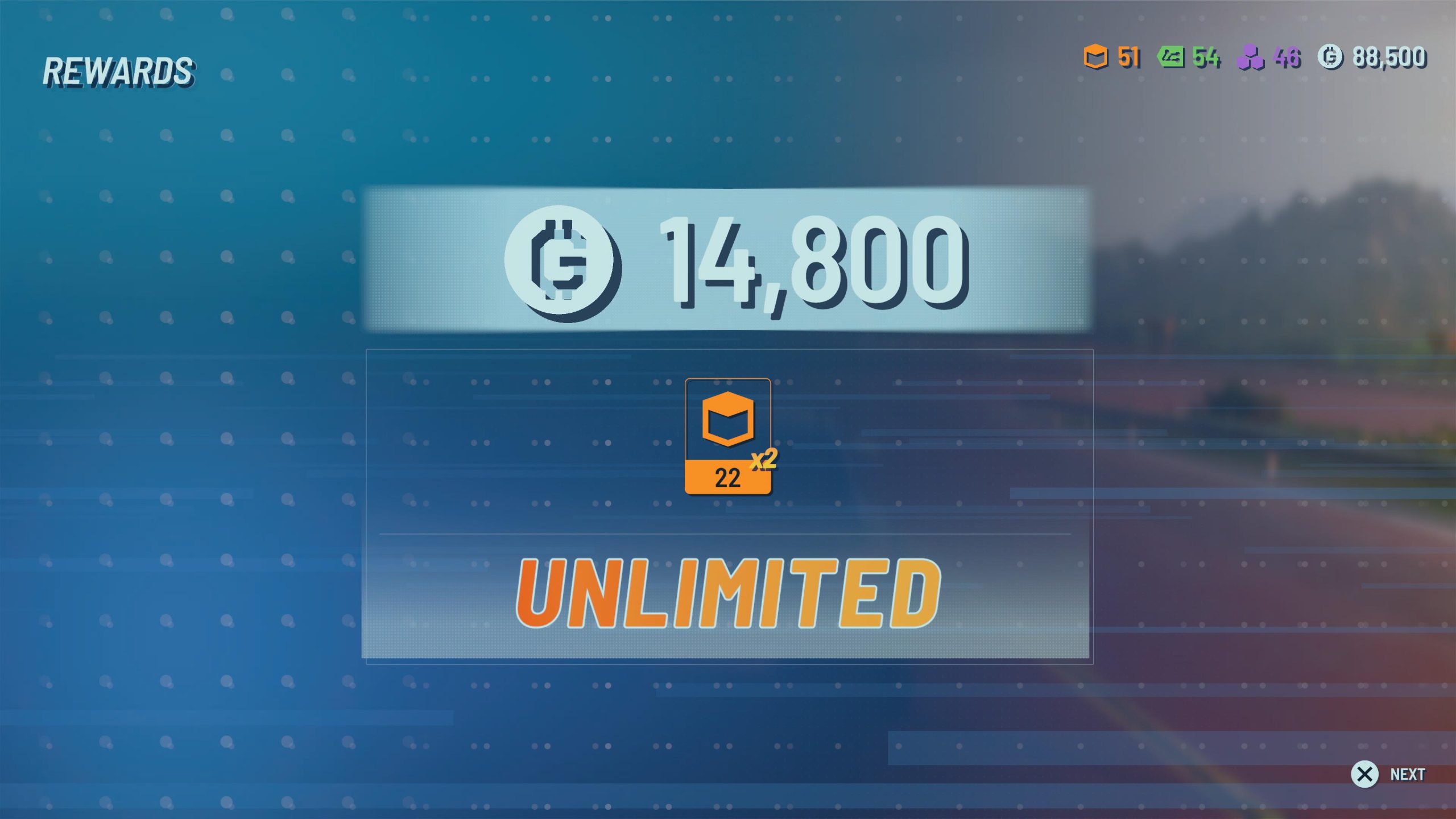
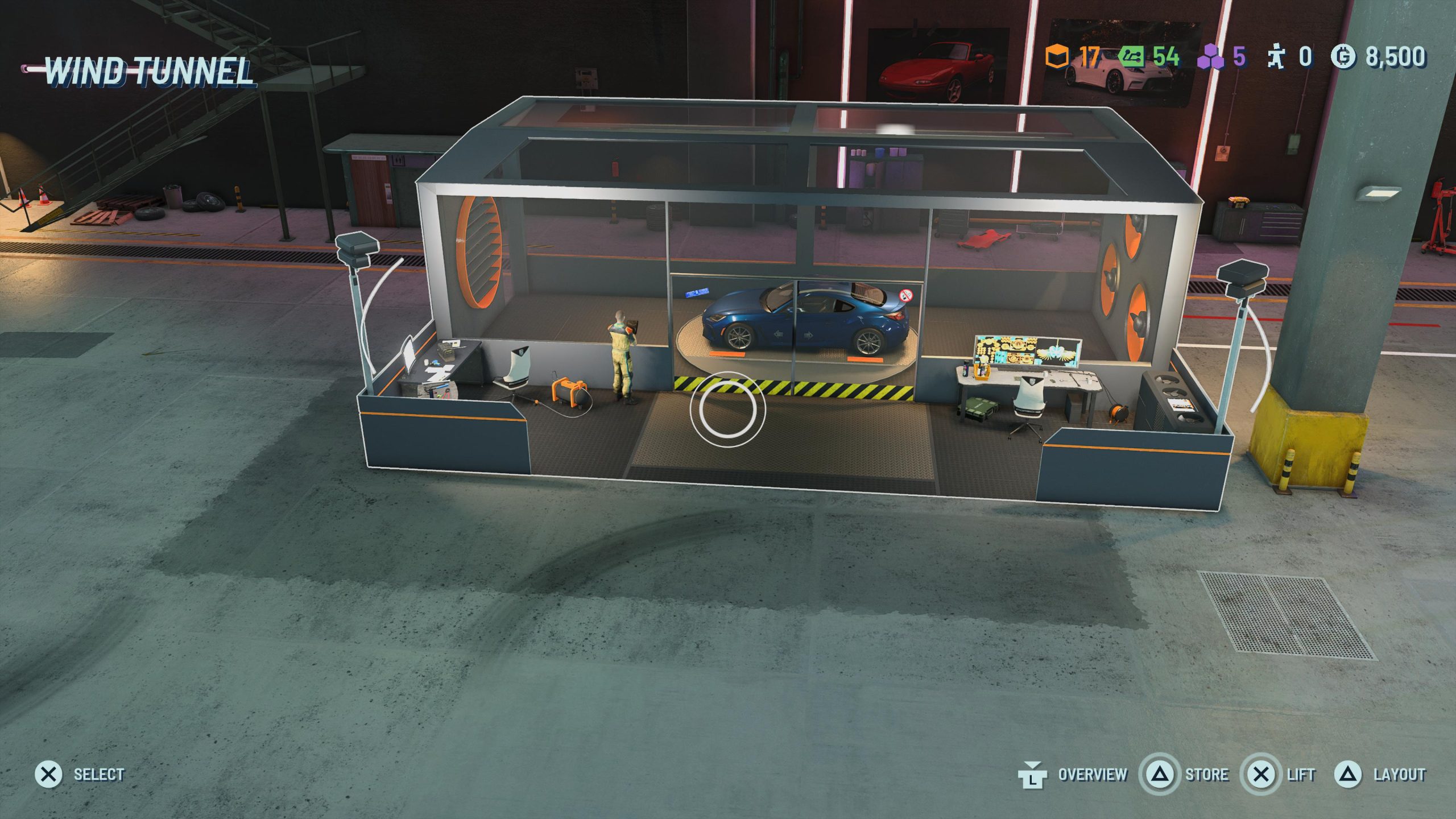
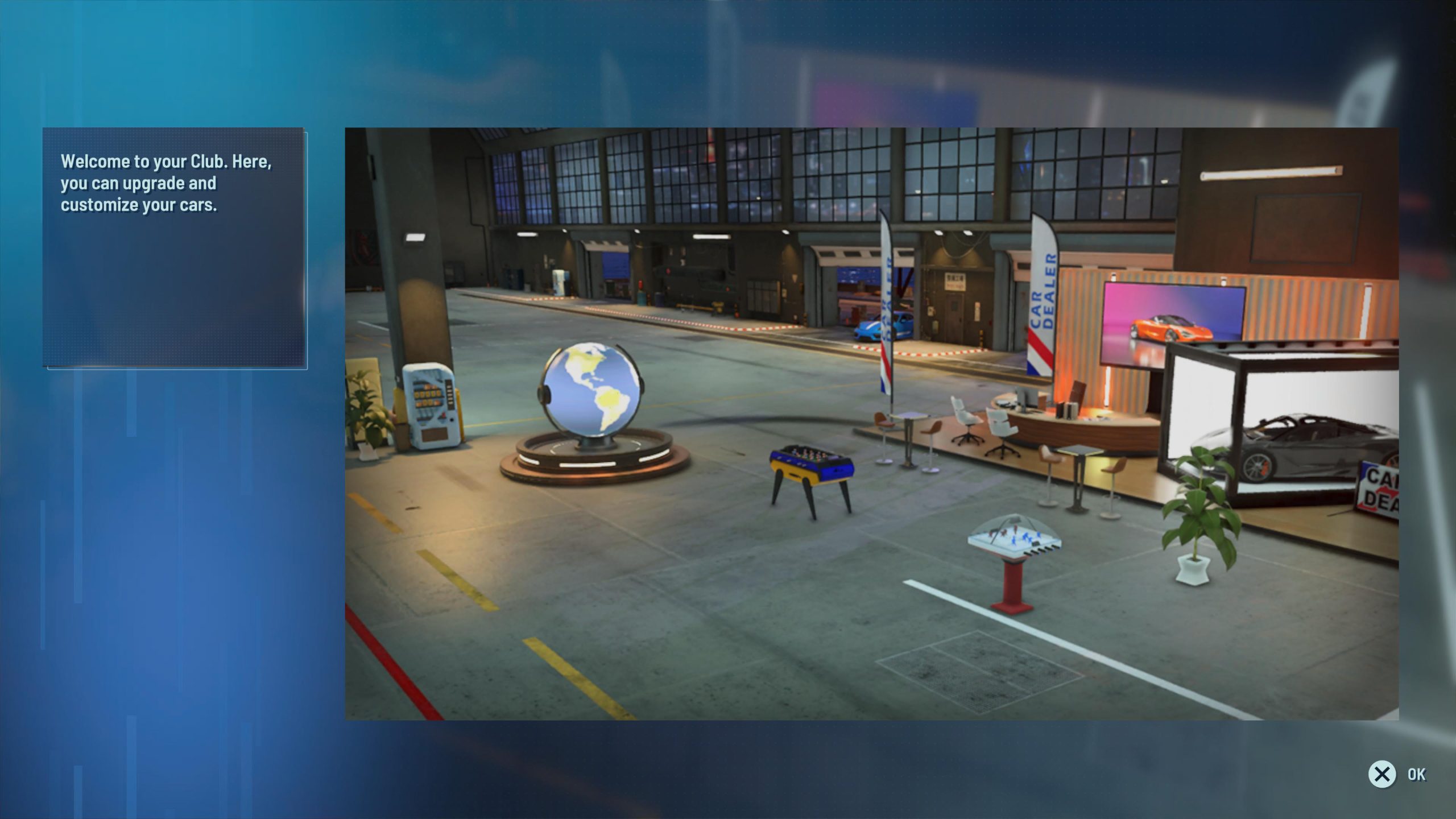
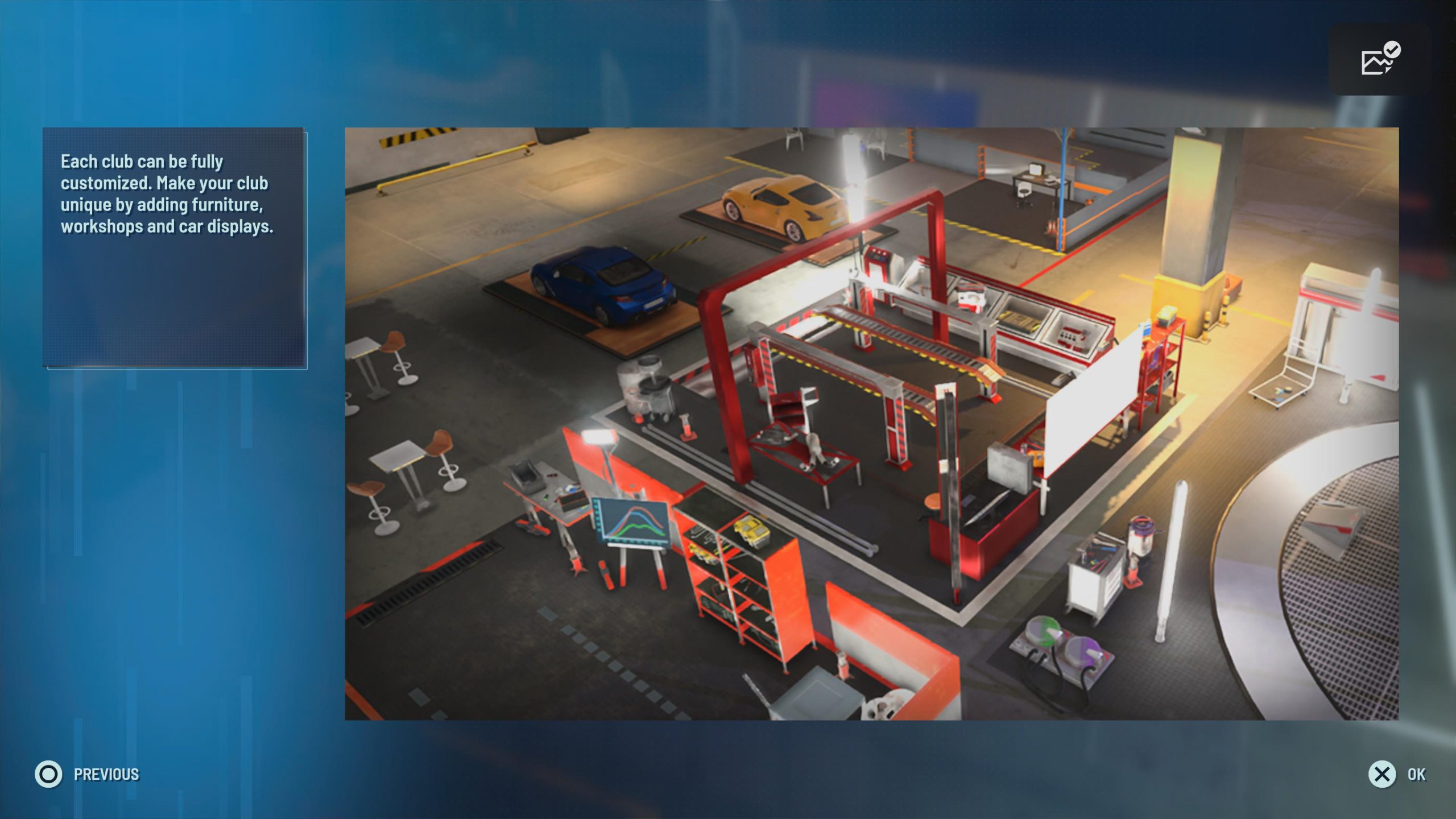
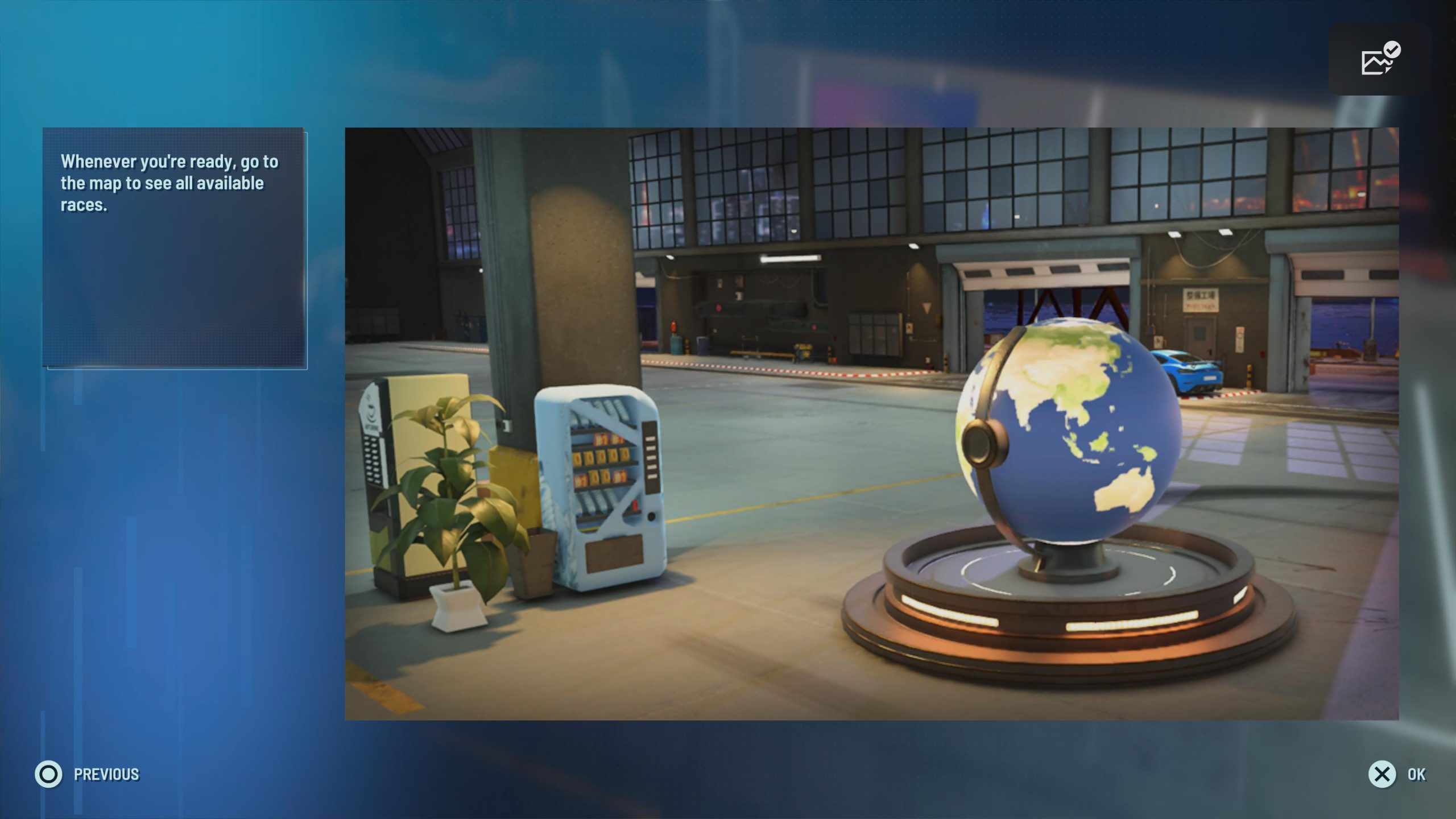
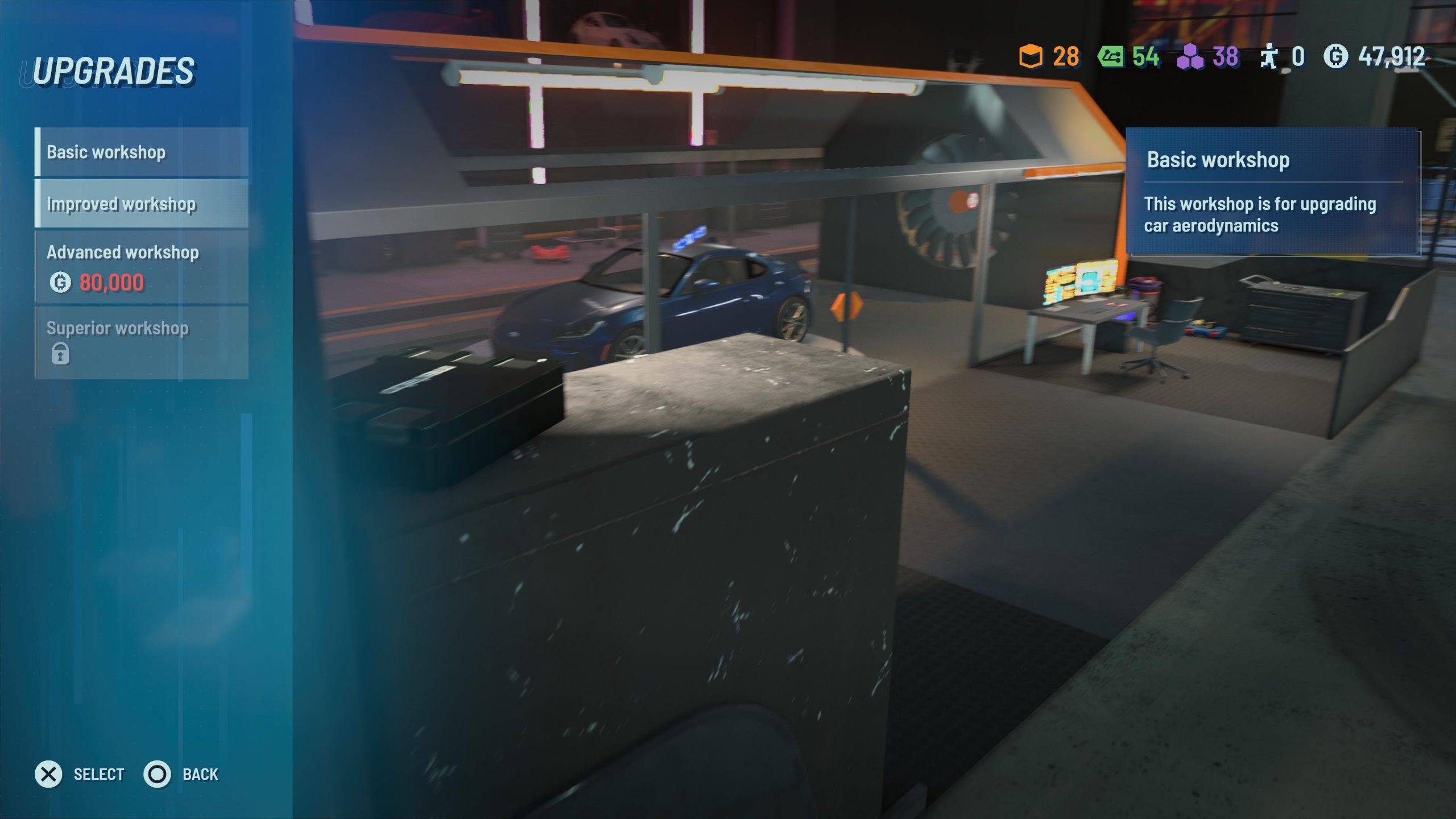
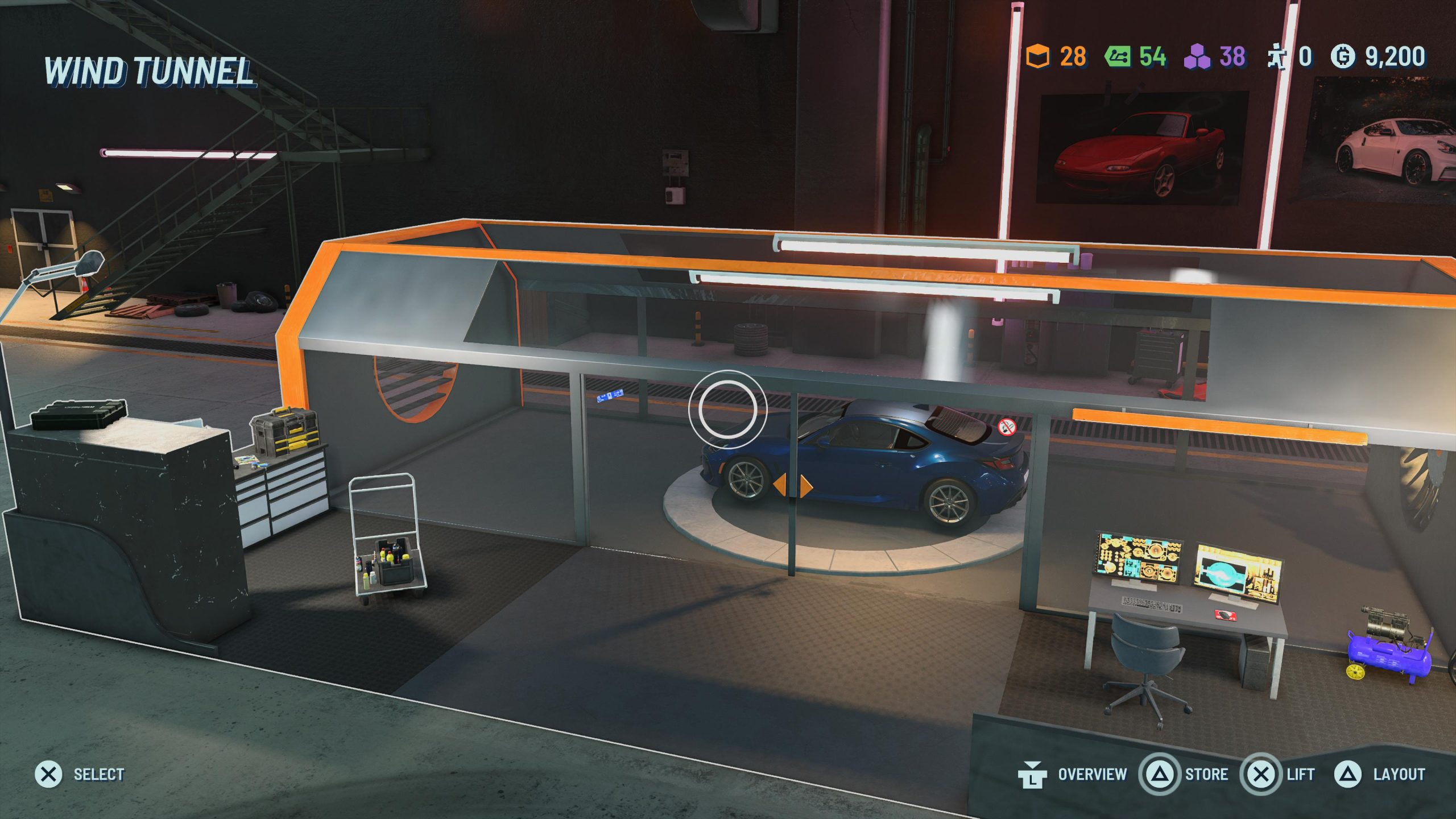
Players develop their club headquarters by earning resources from races and events, unlocking additional workshops, staff such as engineers, and decorative options. The garage itself can be customized in layout and presentation, turning the home base into a personal space that grows alongside the vehicle collection.
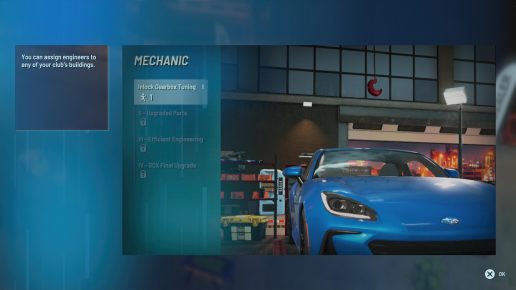
This progression ties directly into the story, where expanding the Japanese club’s influence requires steady investment in facilities and personnel. Side events and rewards accelerate the process, giving a light management layer between races.
Vehicle Upgrade System
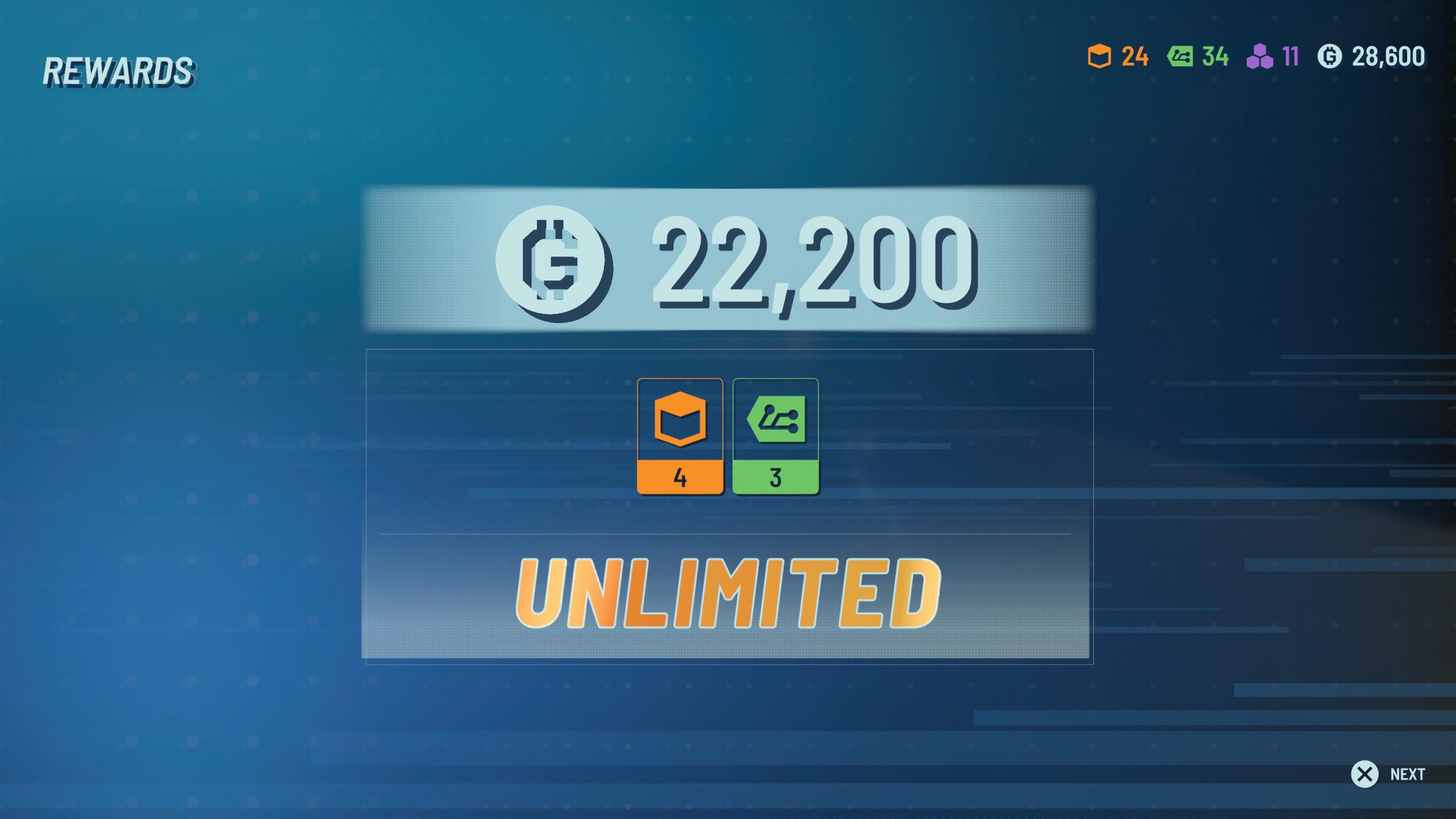
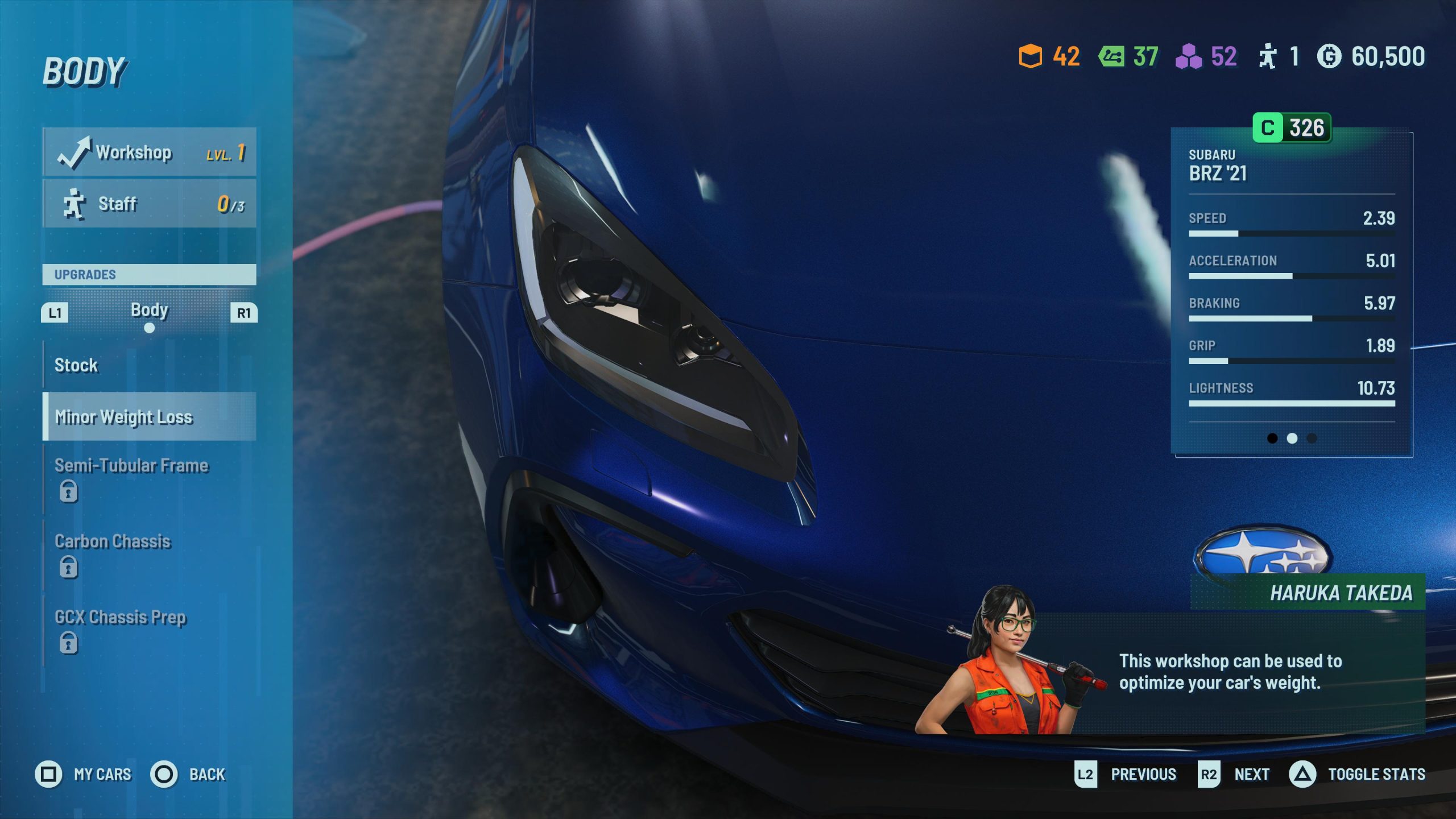
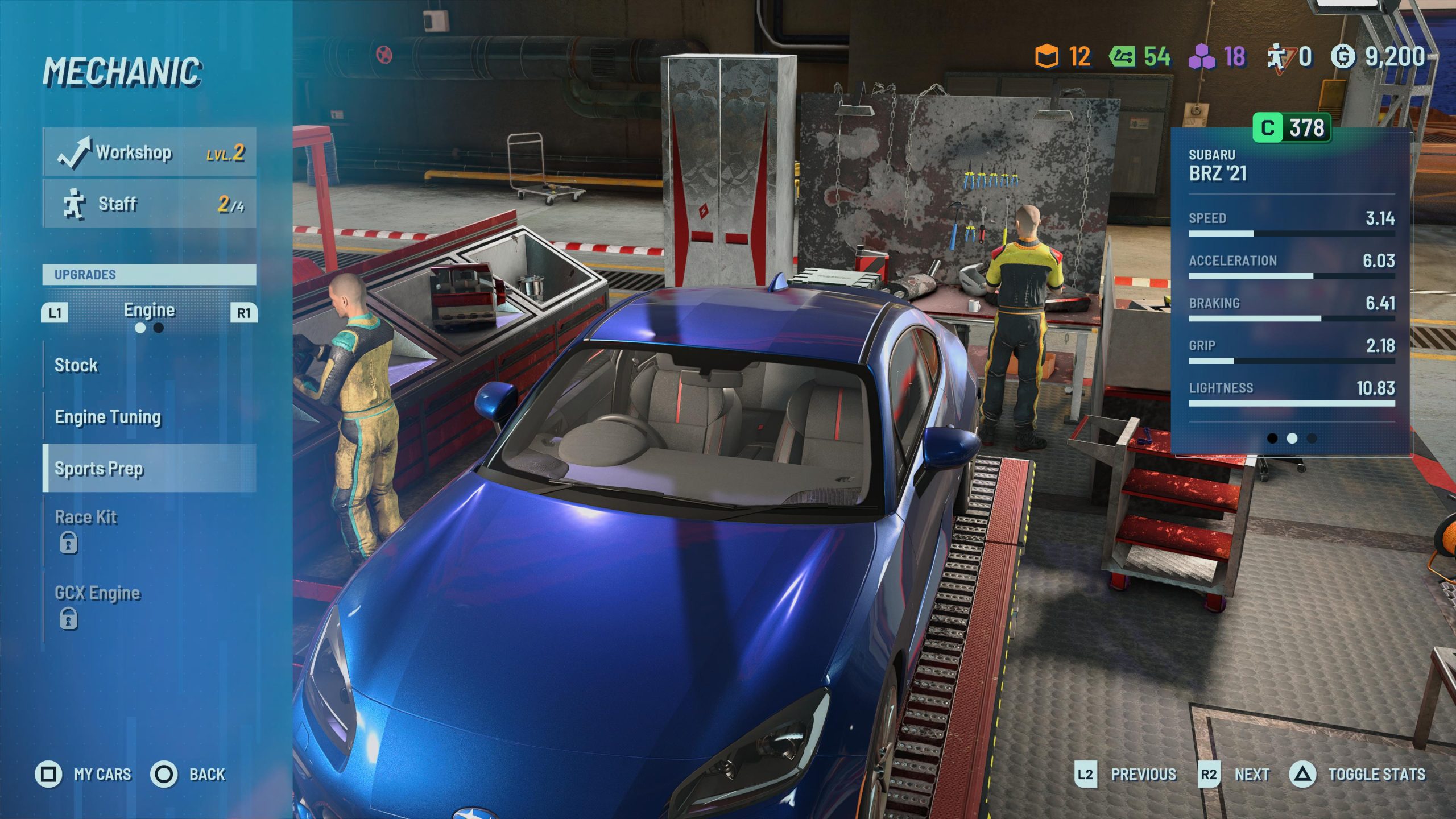
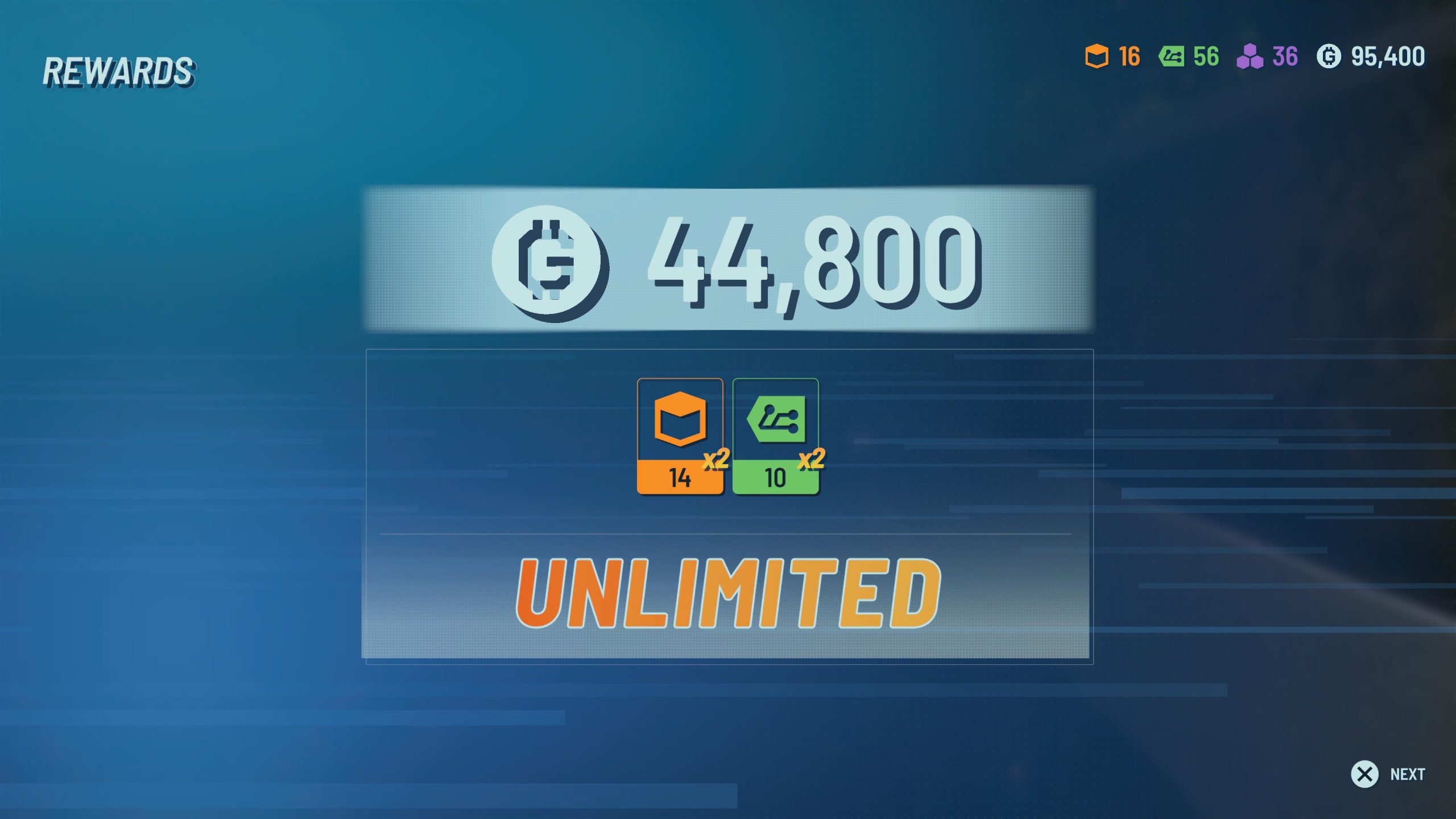
Each car supports mechanical tuning that affects performance alongside extensive visual options including paint, bodywork changes, rims, carbon components, and neon lighting. Upgrades are purchased with in-game currency earned from events, allowing players to specialize vehicles for different track types or simply personalize them.
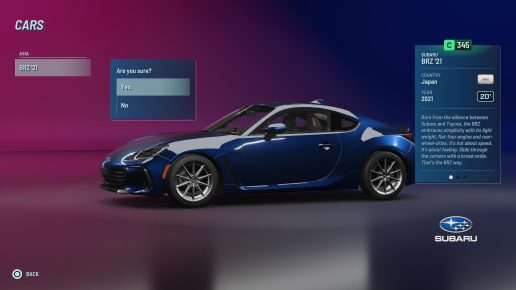
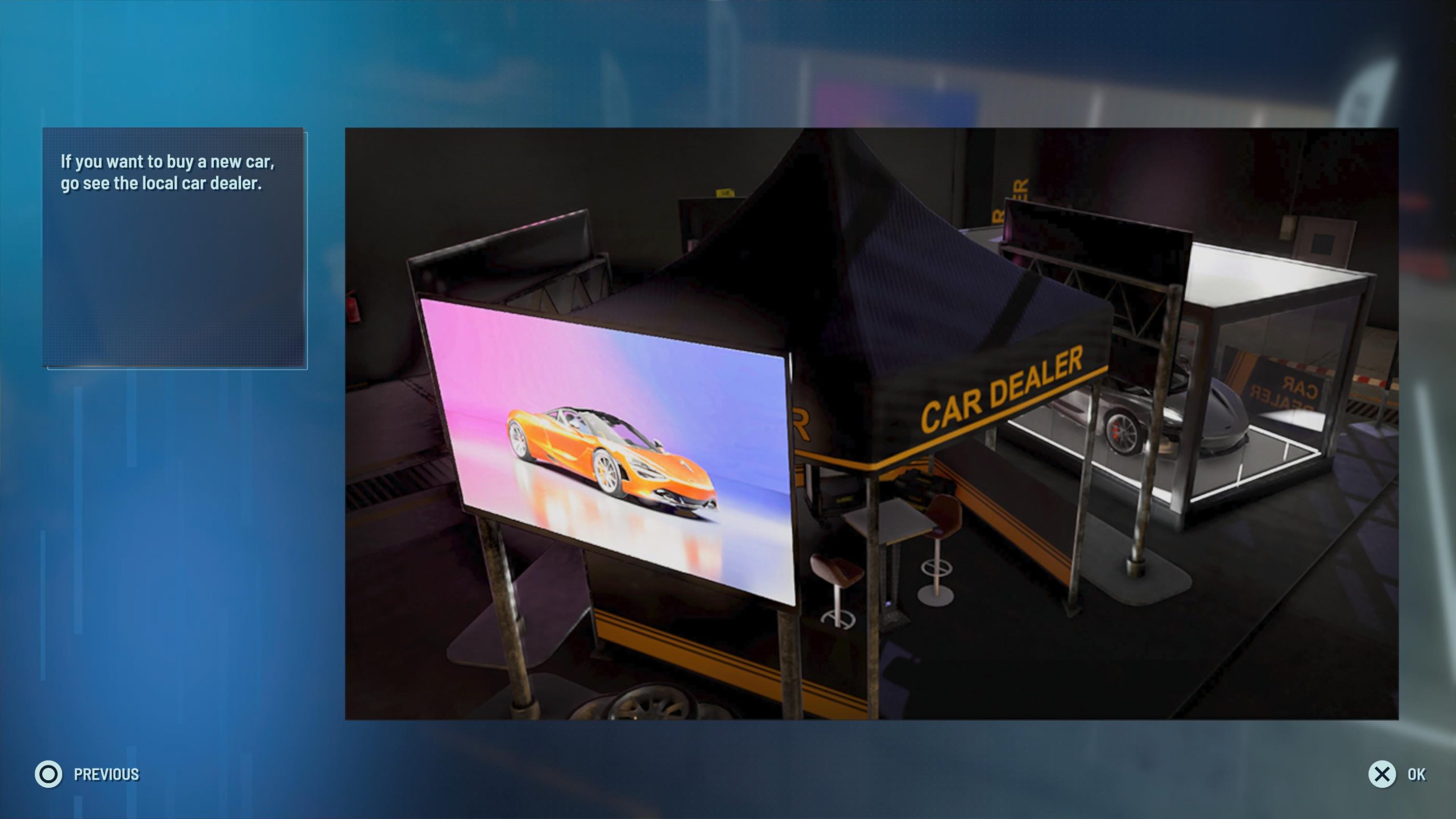
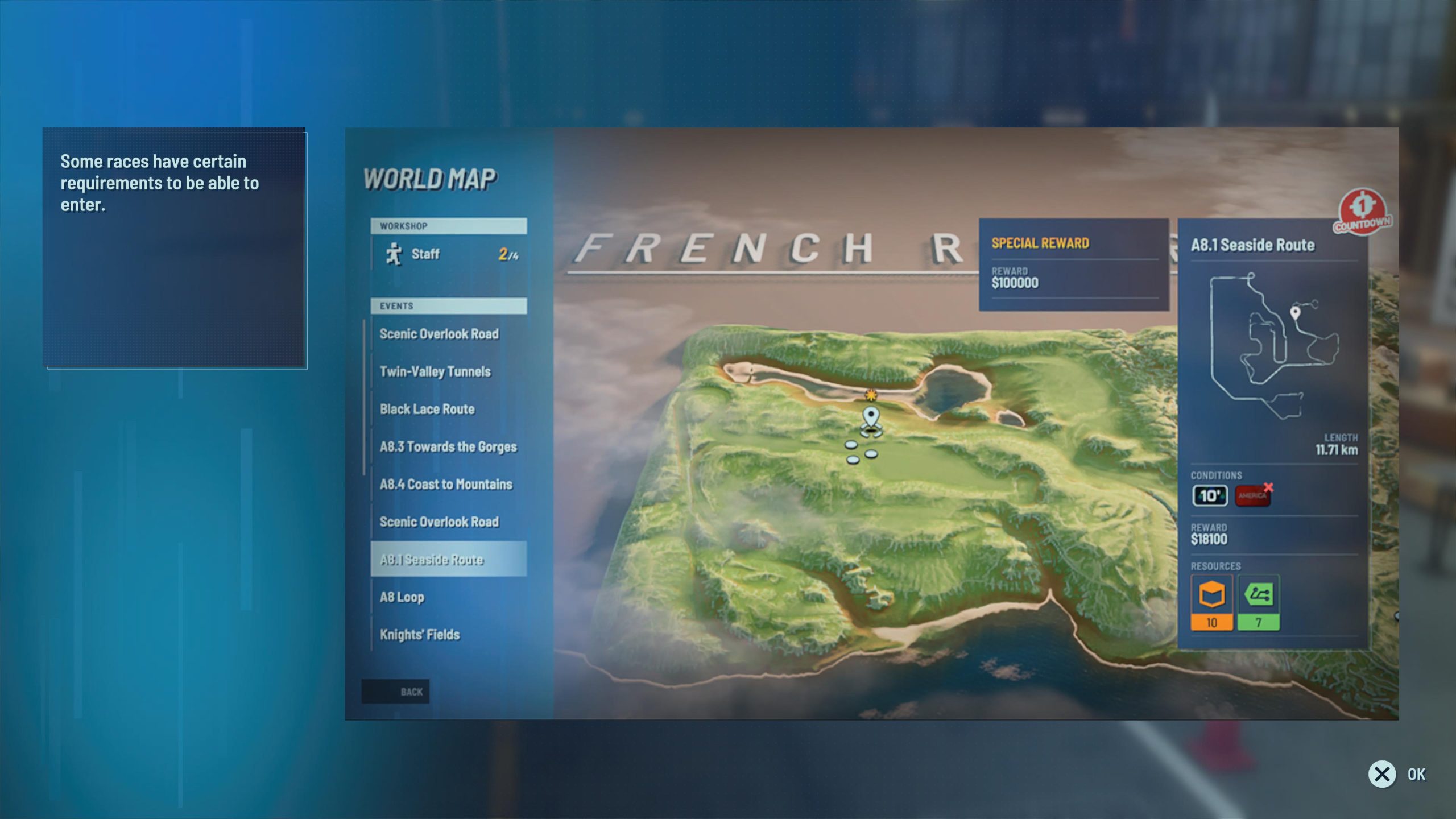
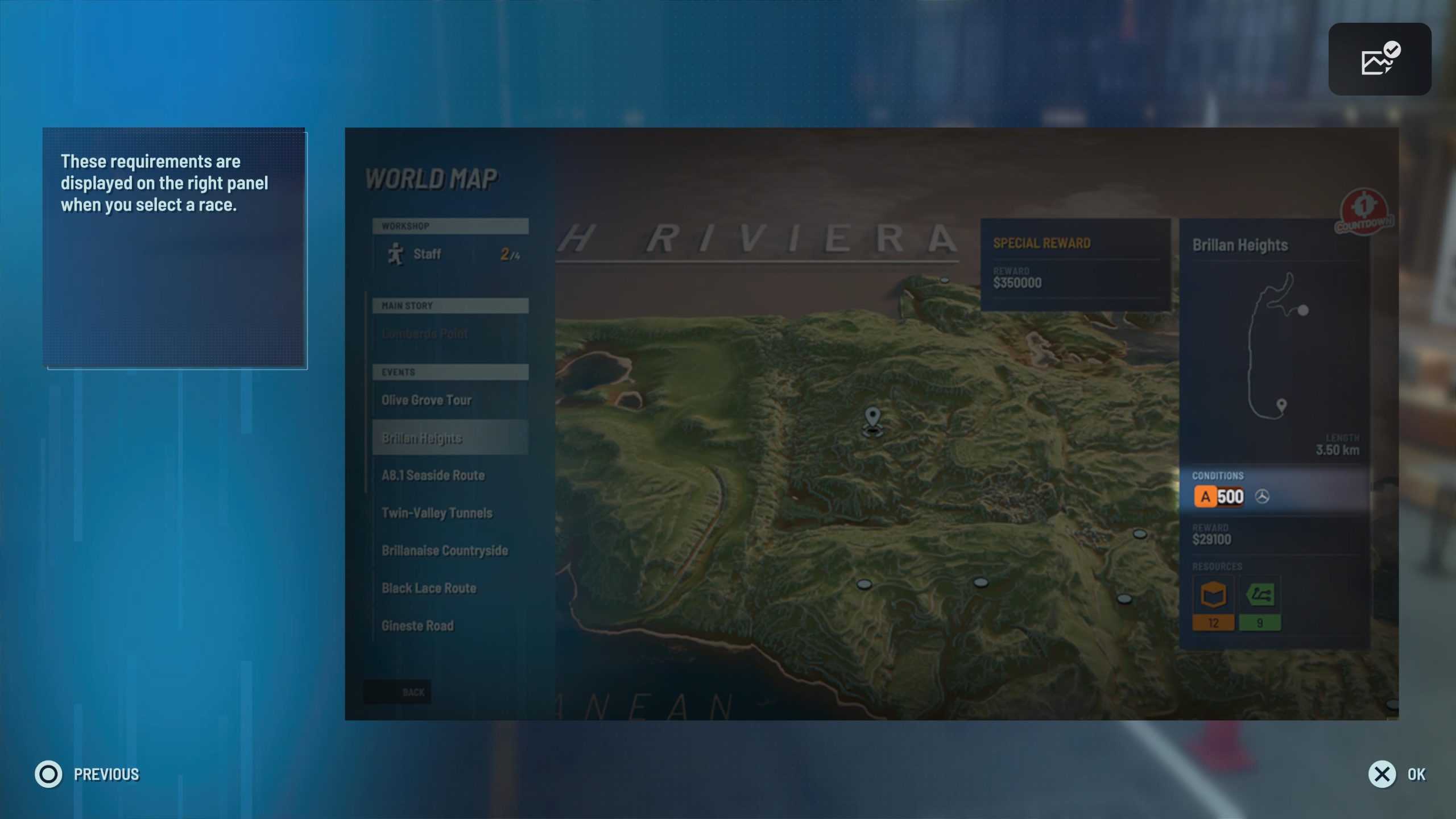
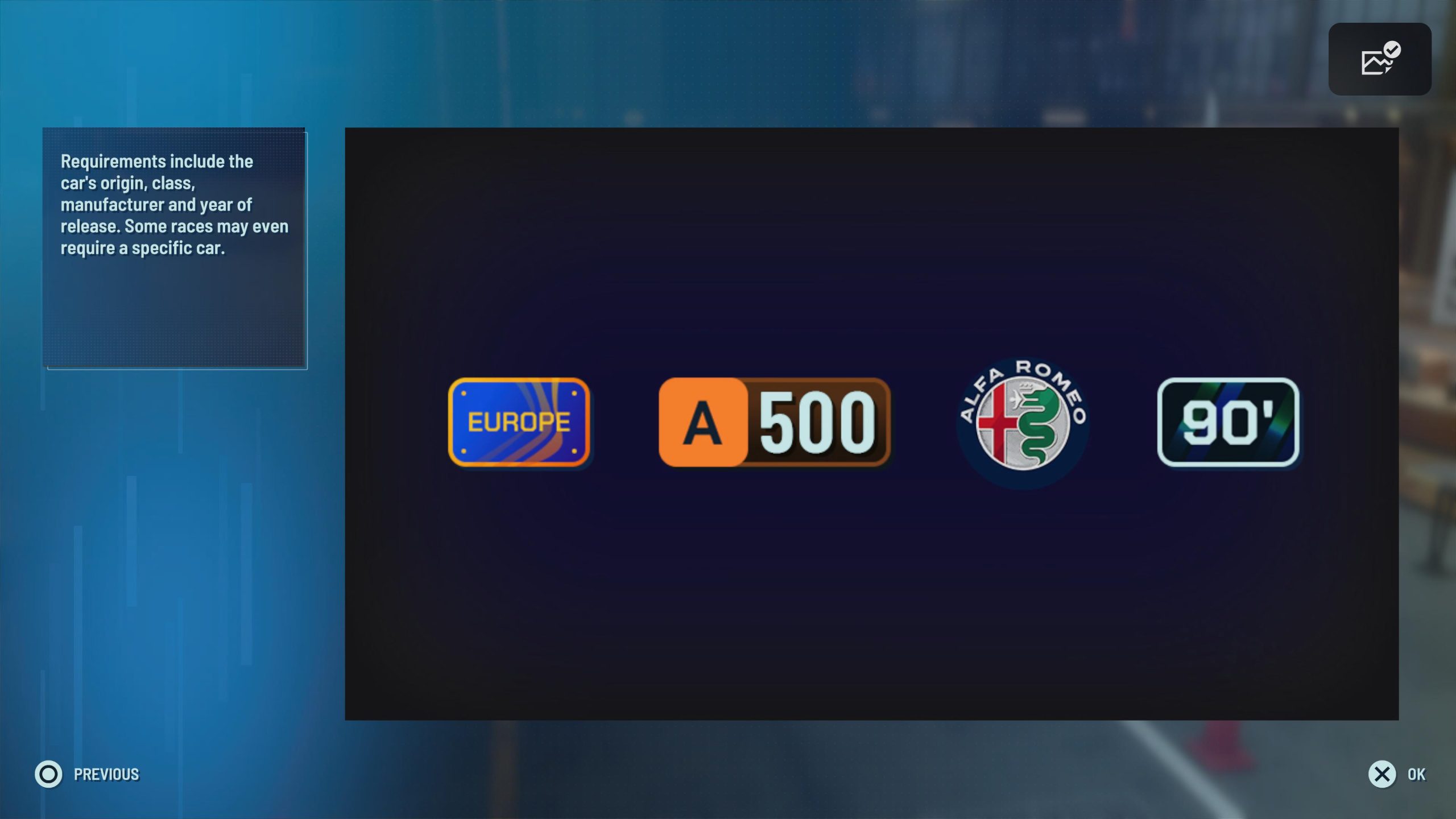
The system remains straightforward, with clear progression from stock to tuned states, and certain events impose car or class requirements that encourage maintaining a varied garage. Collecting the forty-plus licensed models and refining them forms a core loop of the experience.
Tracks
More than fifty tracks span the two countries, mixing closed circuits, point-to-point stages, and dedicated highway sections. Japanese offerings emphasize mountain switchbacks and traffic-filled night roads, while French tracks highlight coastal switchbacks and village routes.
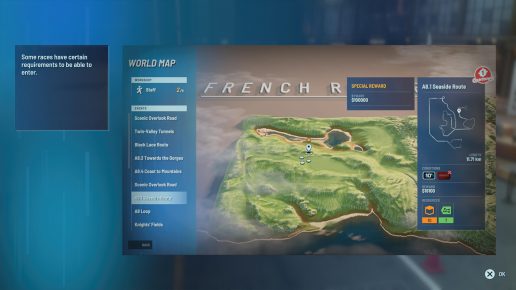
Highway Rush stands out by requiring high-speed navigation through dense traffic, often exceeding 300 km/h, with both solo and cooperative options. The variety keeps the campaign from feeling repetitive even as players return to familiar regions.
Audio
Engine notes differentiate the roster reasonably well, delivering satisfying exhaust character during acceleration and high-speed runs. Ambient track audio and environmental cues help sell the mountain and coastal settings, though they stay functional rather than highly dynamic.
The soundtrack leans toward energetic rock and electronic tracks that suit the arcade-leaning pace, with radio-style options available during free driving. Overall presentation supports the action without becoming a standout element on its own.
In Conclusion
Gear.Club Unlimited 3 delivers a solid single-player package built around collecting and tuning a roster of licensed cars while progressing through events that span Japan and the French Mediterranean coast. Its strongest draws remain the mix of event types—especially Highway Rush—and the club-building loop that gives structure to the campaign, even if the handling and AI never fully rise above accessible but unrefined.
The PlayStation 5 version improves on the earlier Switch 2 outing with sharper presentation and smoother performance overall, yet occasional frame dips and modest production values keep it from standing out against larger racing titles. Fans of the series or those seeking a contained, offline racer with light progression and dual-country scenery will find plenty of hours of content, while others may wish for deeper physics, online options, or more polished visuals.
8
Gear.Club Unlimited 3 review code provided by publisher and reviewed on a PS5. For more information on scoring, please read What our review scores really mean.