
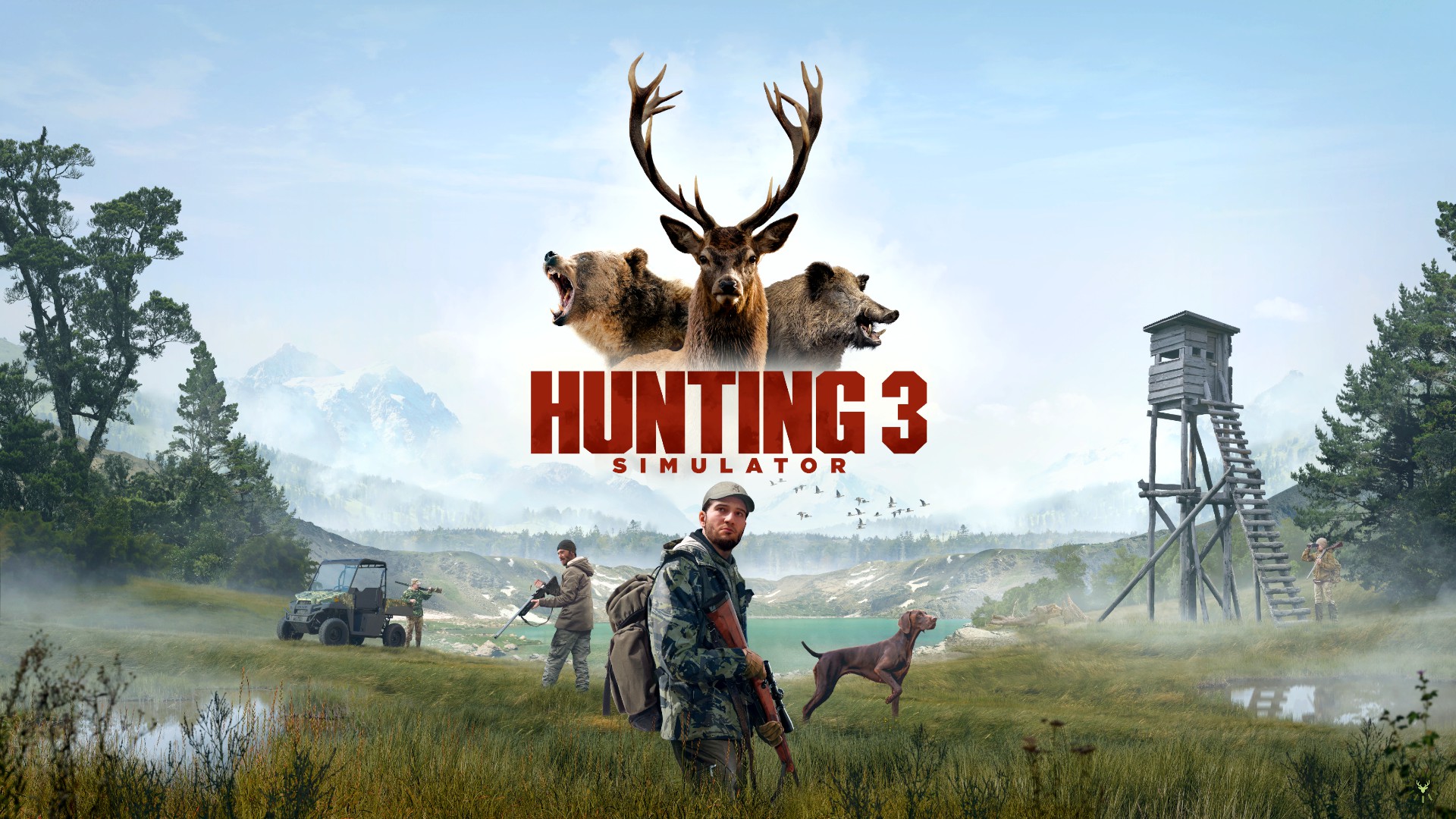
The wind carries the distant bugle of an elk across a ridgeline as your boots sink into damp Colorado soil, and for a moment the line between screen and wilderness vanishes. Hunting Simulator 3 arrives as a full Unreal Engine 5 rebuild that finally gives the series the living, reactive wilderness many fans have been waiting for.
Series History
The Hunting Simulator series first appeared from Nacon Studio Ghent as a more accessible alternative to heavier simulation titles, focusing on licensed gear, dog companions, and approachable open maps. Across its first two entries the franchise built a dedicated audience of more than one million players who appreciated its straightforward progression and authentic equipment brands. Those earlier games established the core loop of tracking, harvesting, and customizing a lodge, yet they were limited by static animal placements and older engine technology.
After a six-year gap the third installment returns with a complete technical overhaul. Nacon has kept the familiar strengths—official rifles, shotguns, vehicles, and hunting dogs—while introducing systems designed to address the repetition that eventually set in for long-time players. The result is less a soft reboot and more a confident evolution that aims to keep the series’ welcoming tone while finally competing on depth with the genre’s more simulation-focused rivals.
Graphics
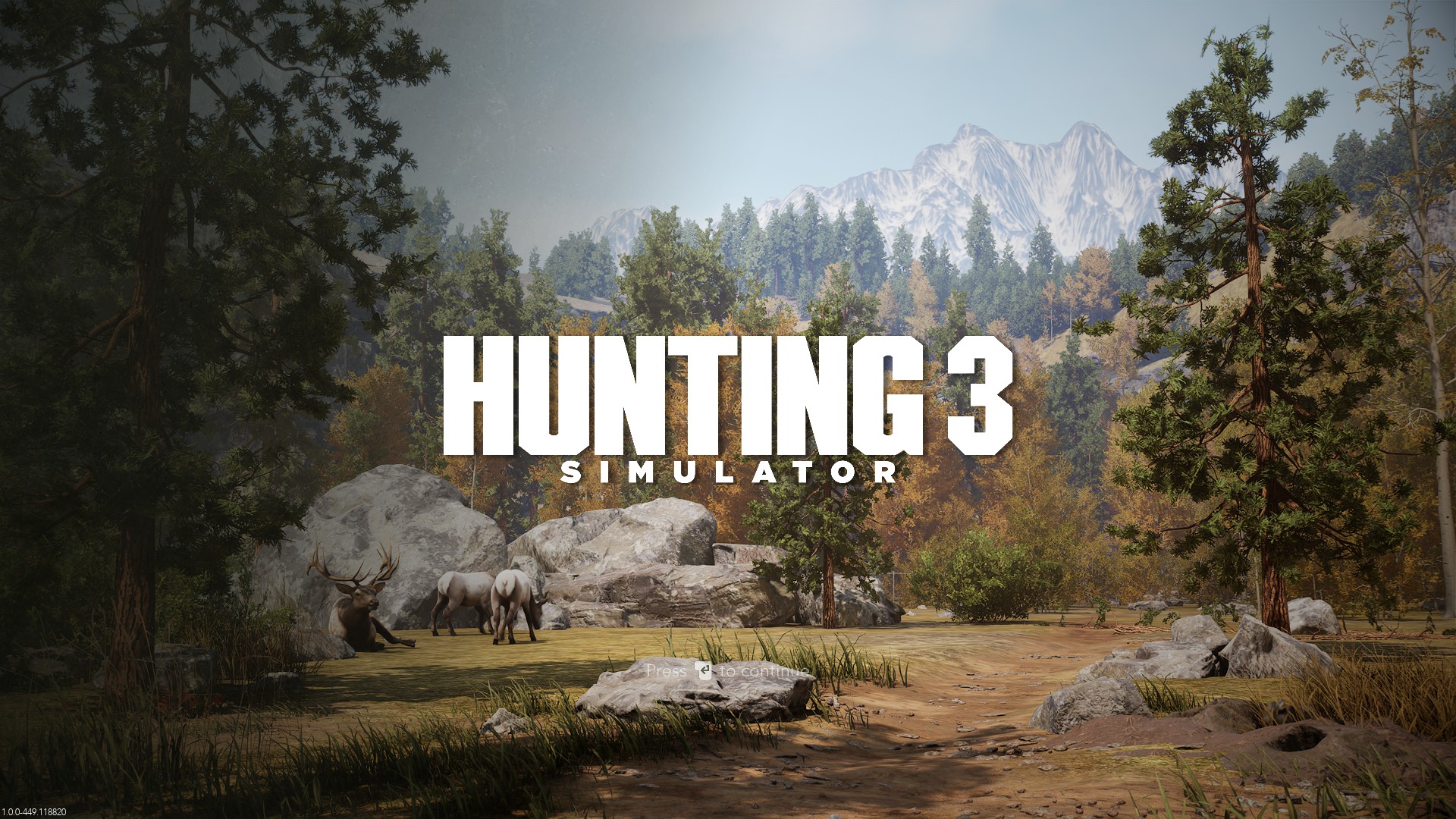
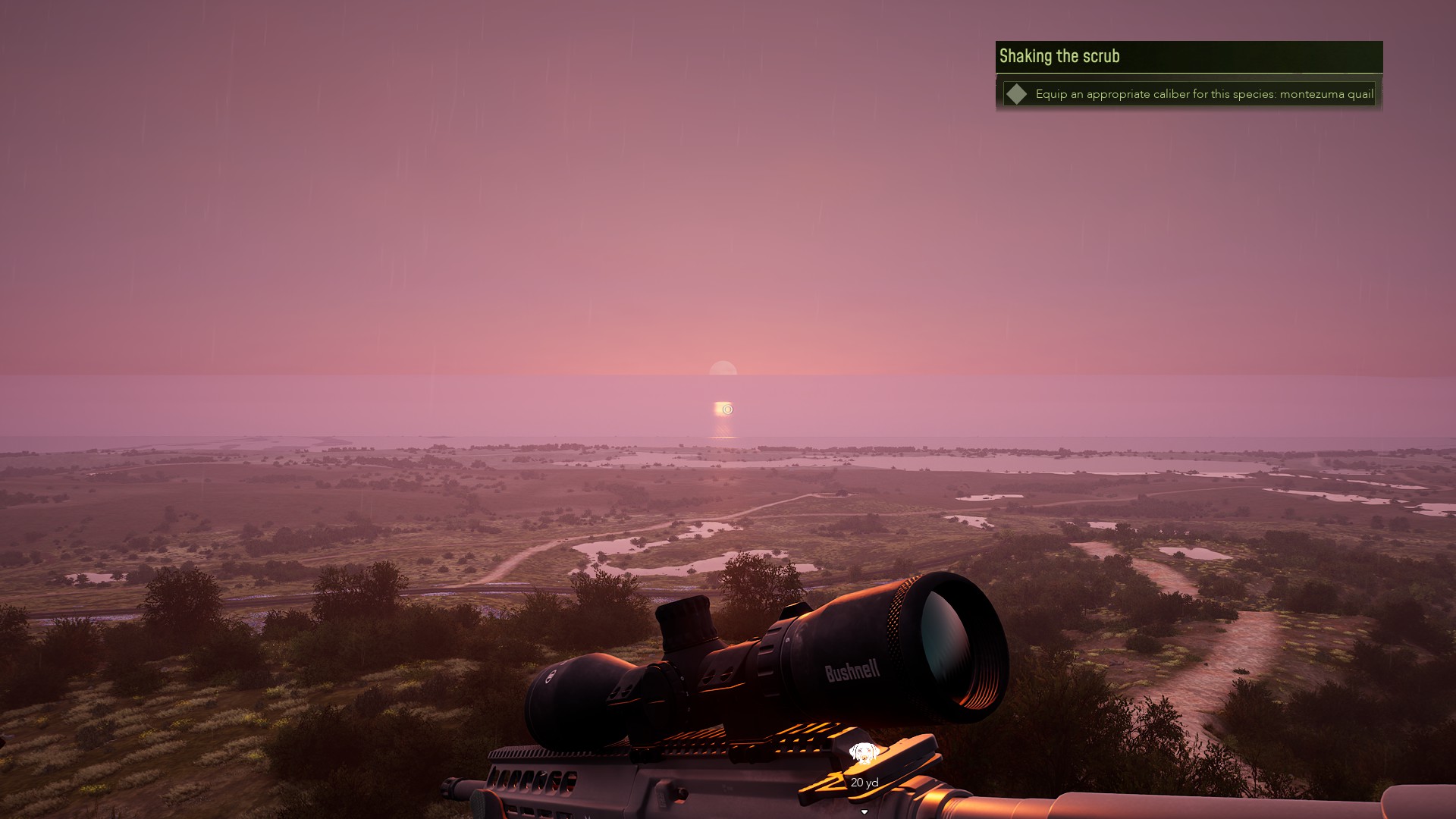
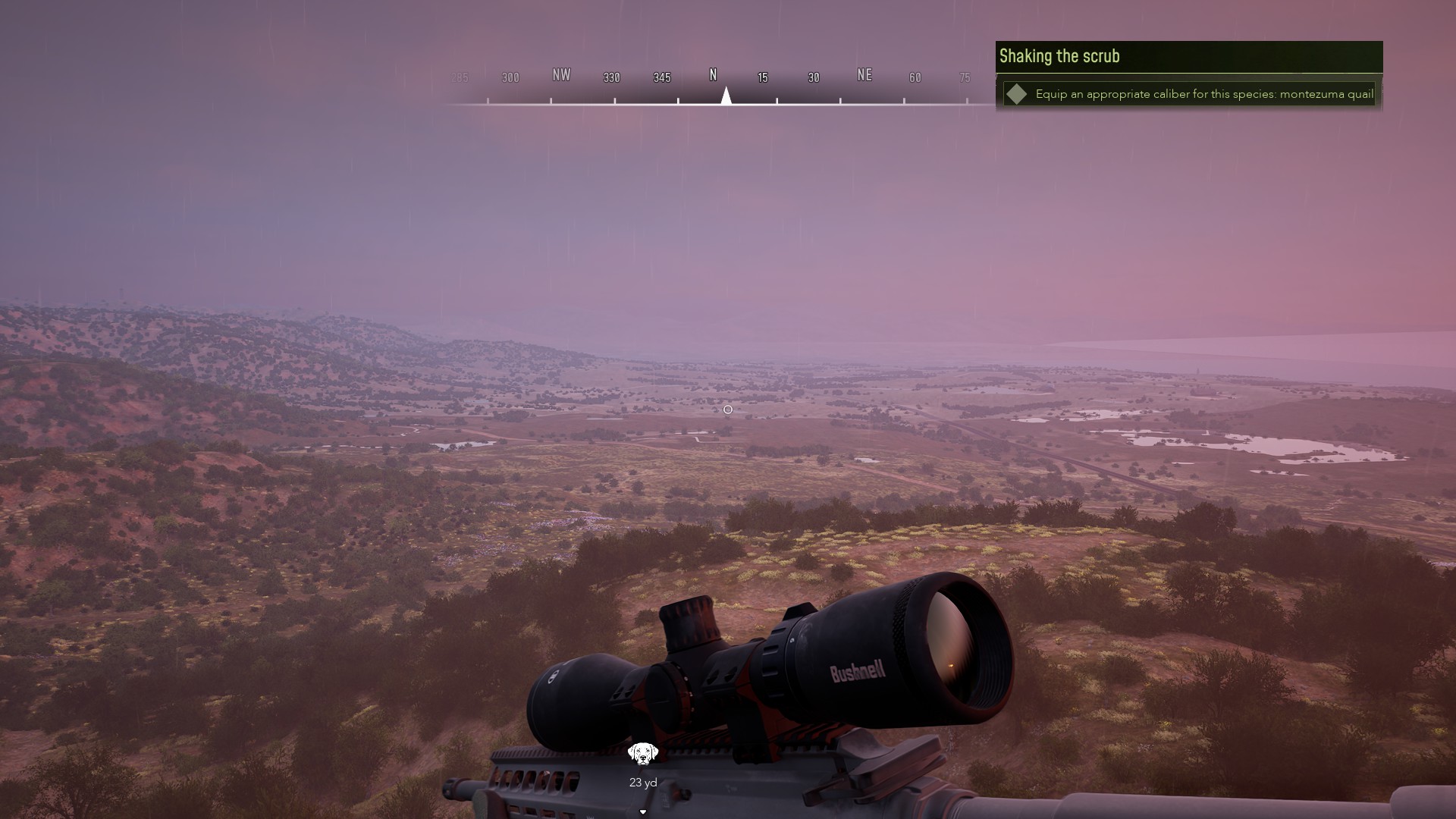
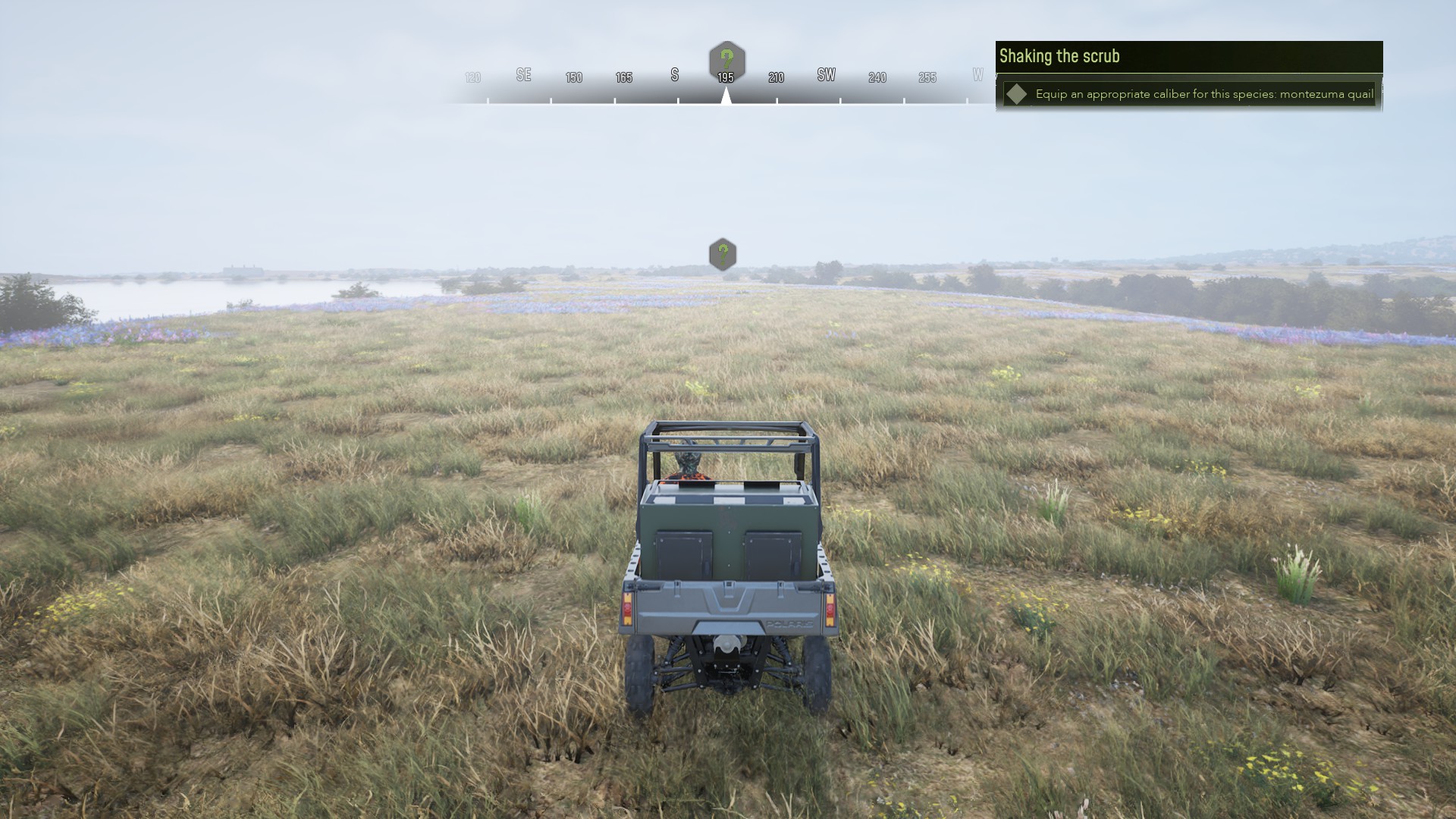
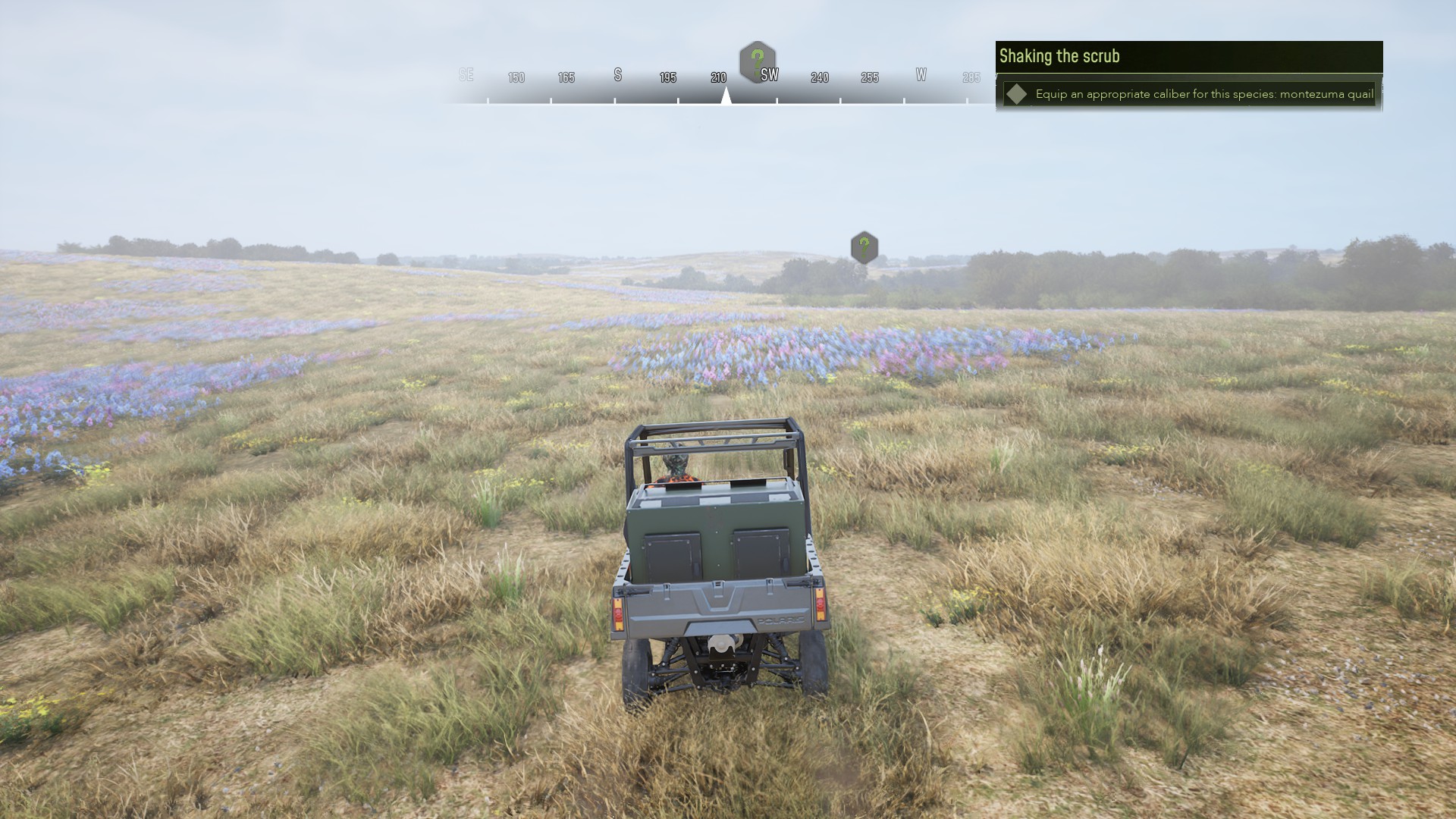
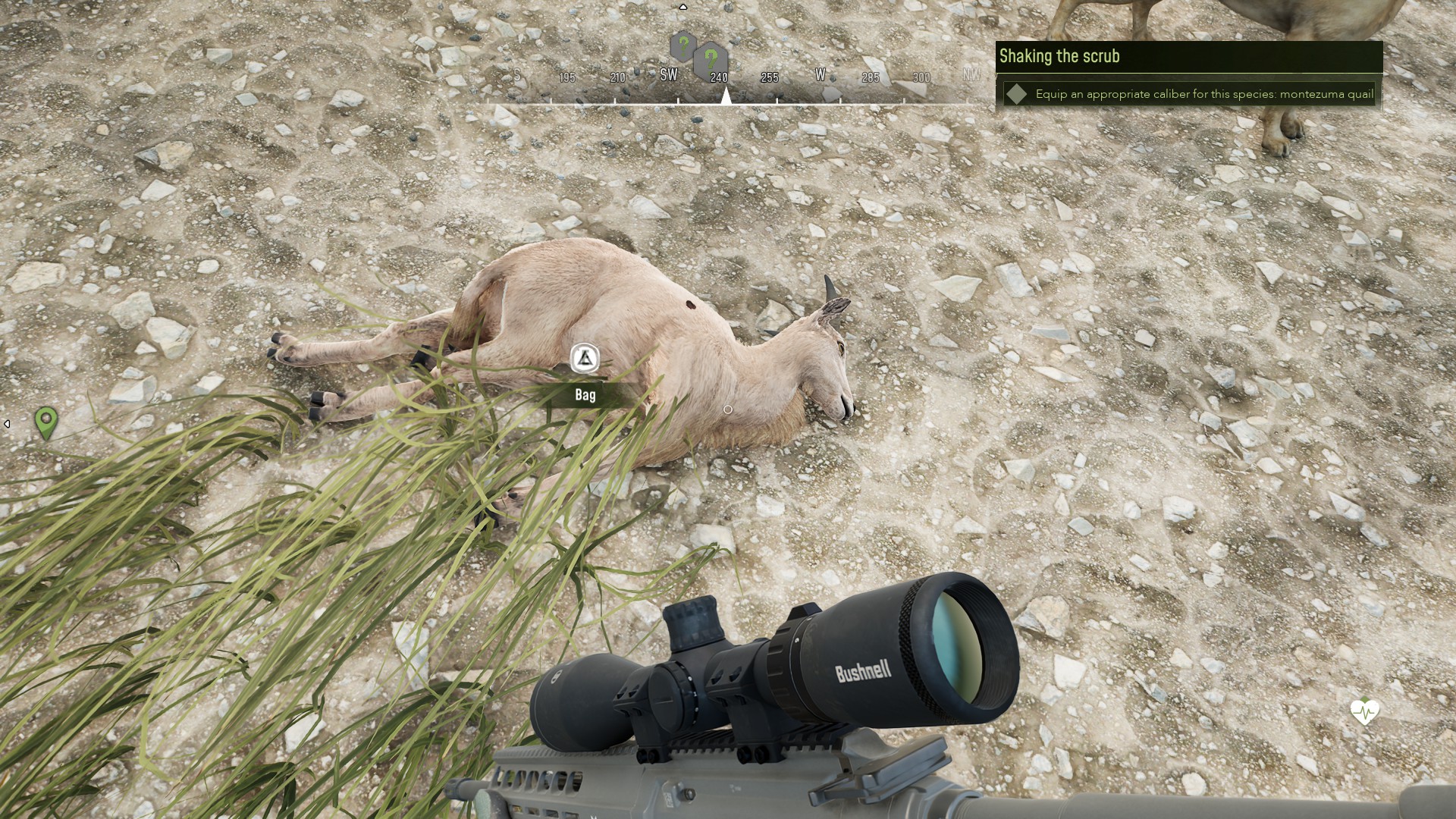
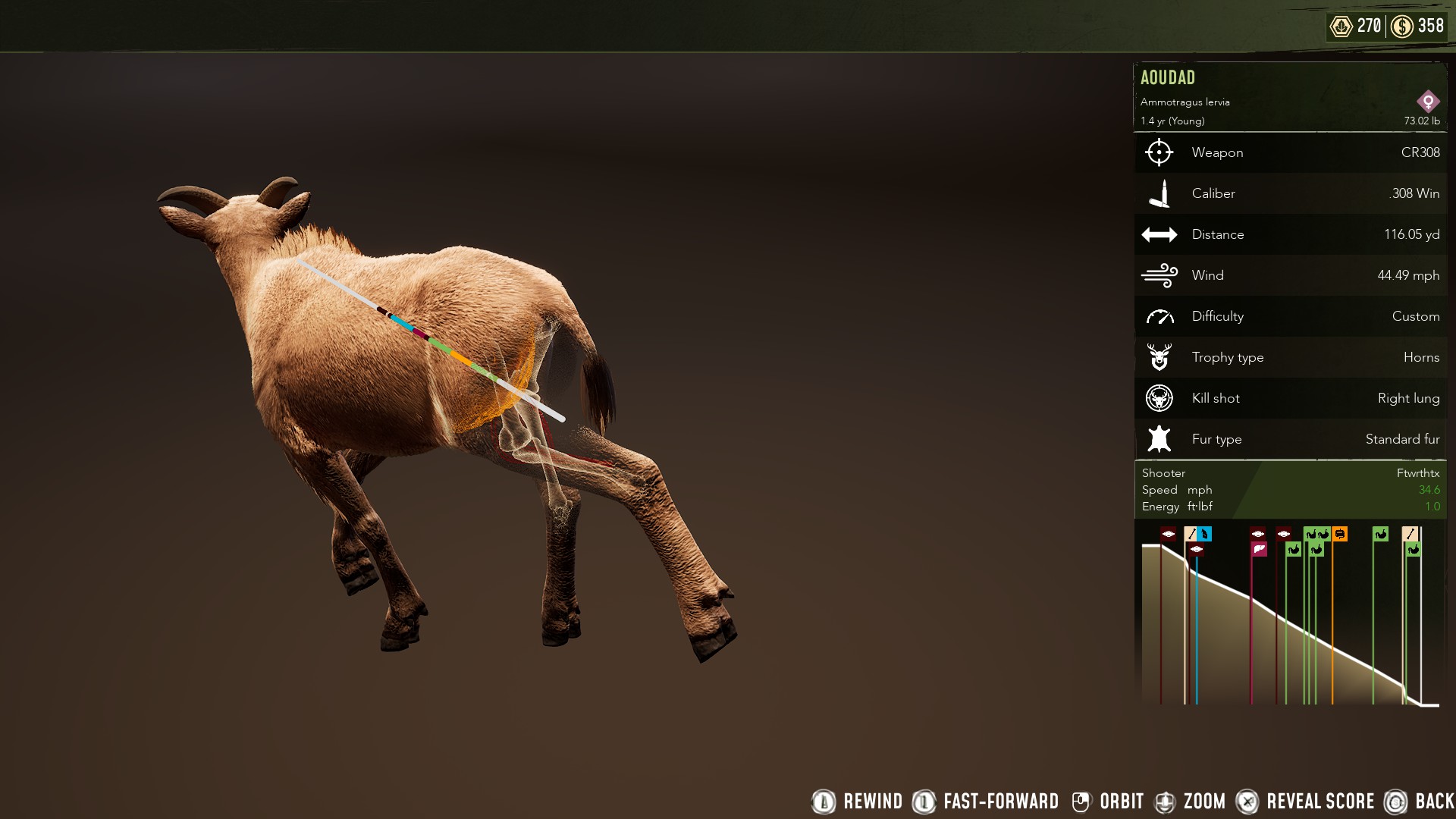
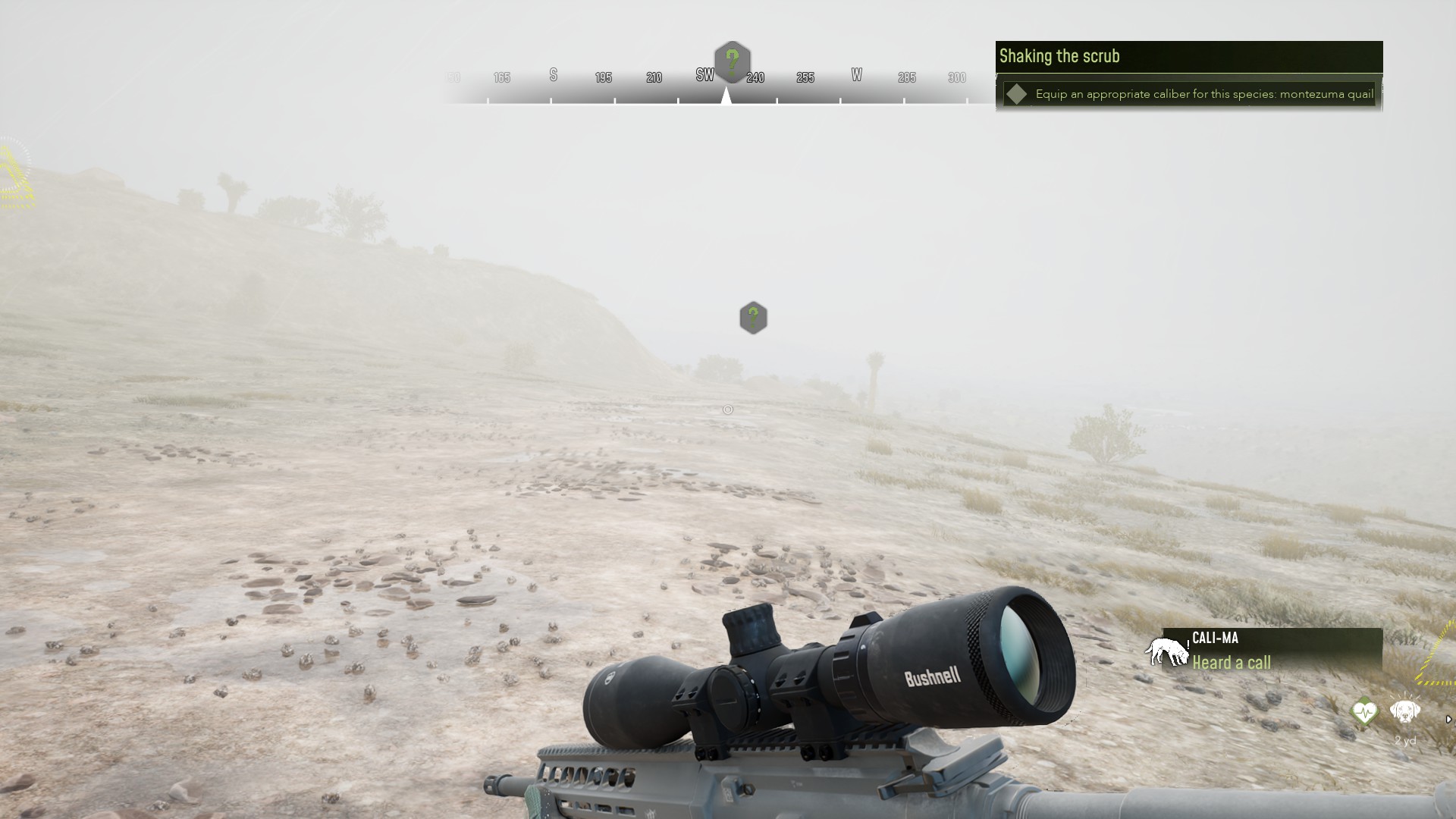
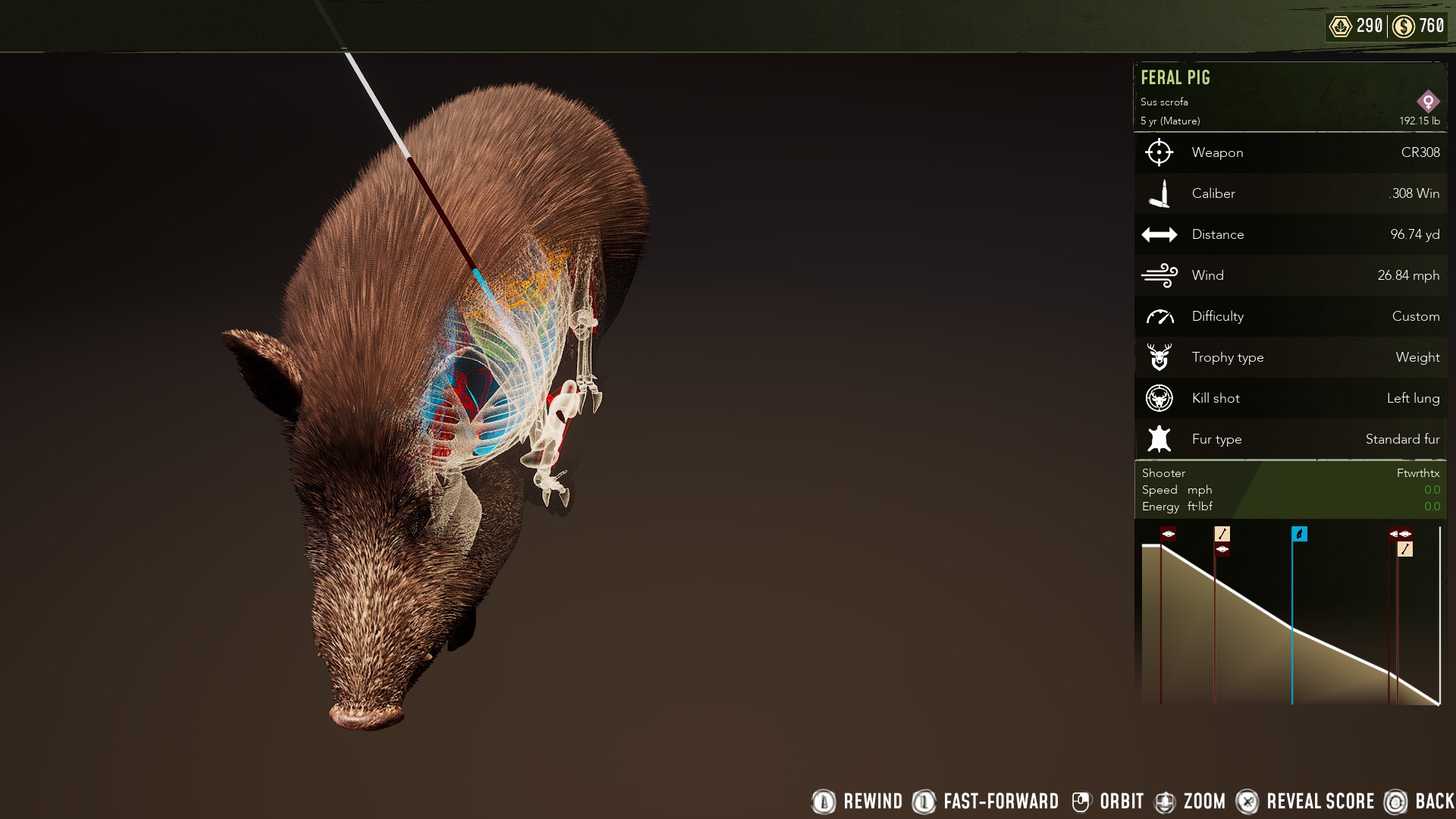
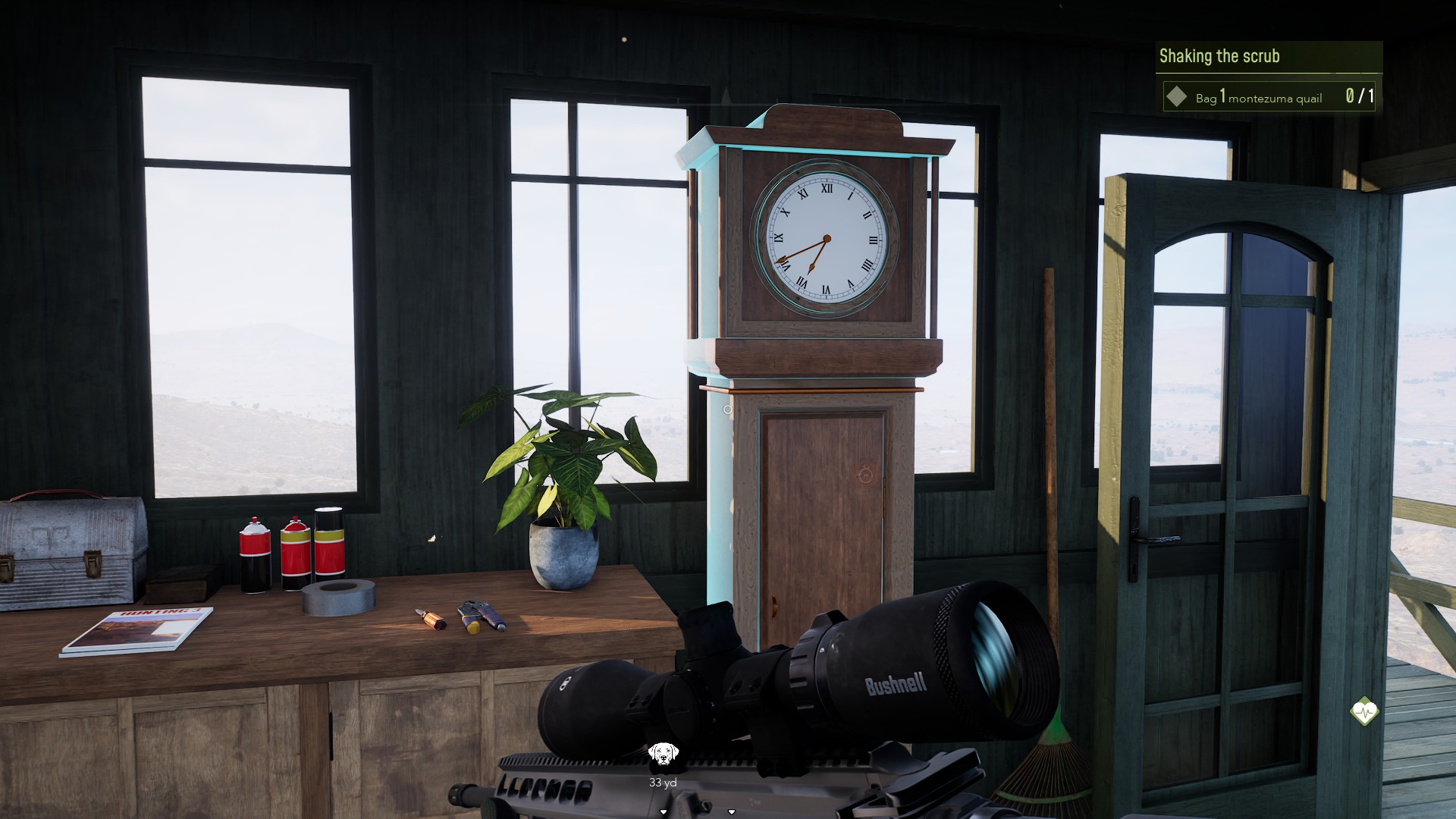
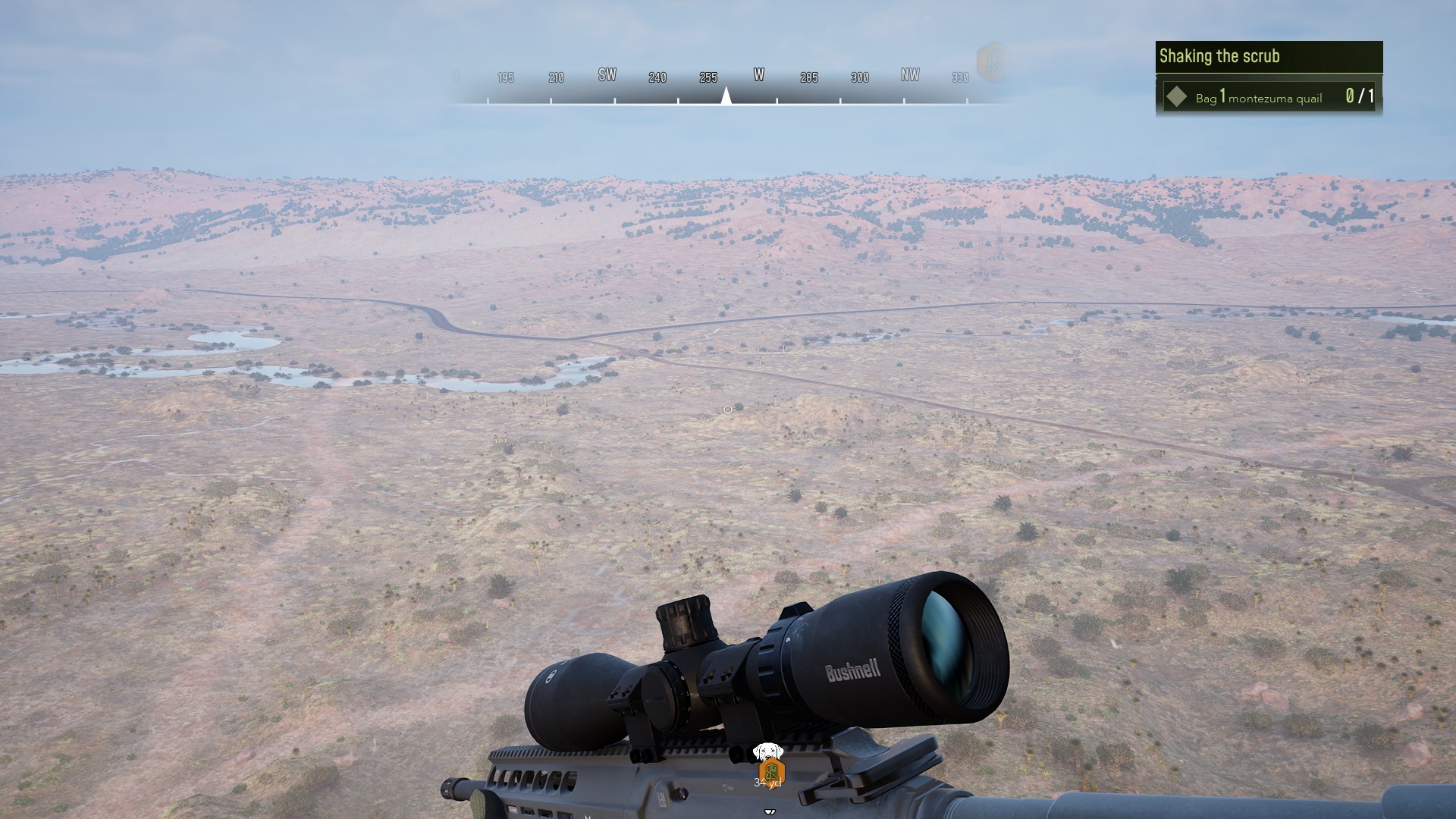
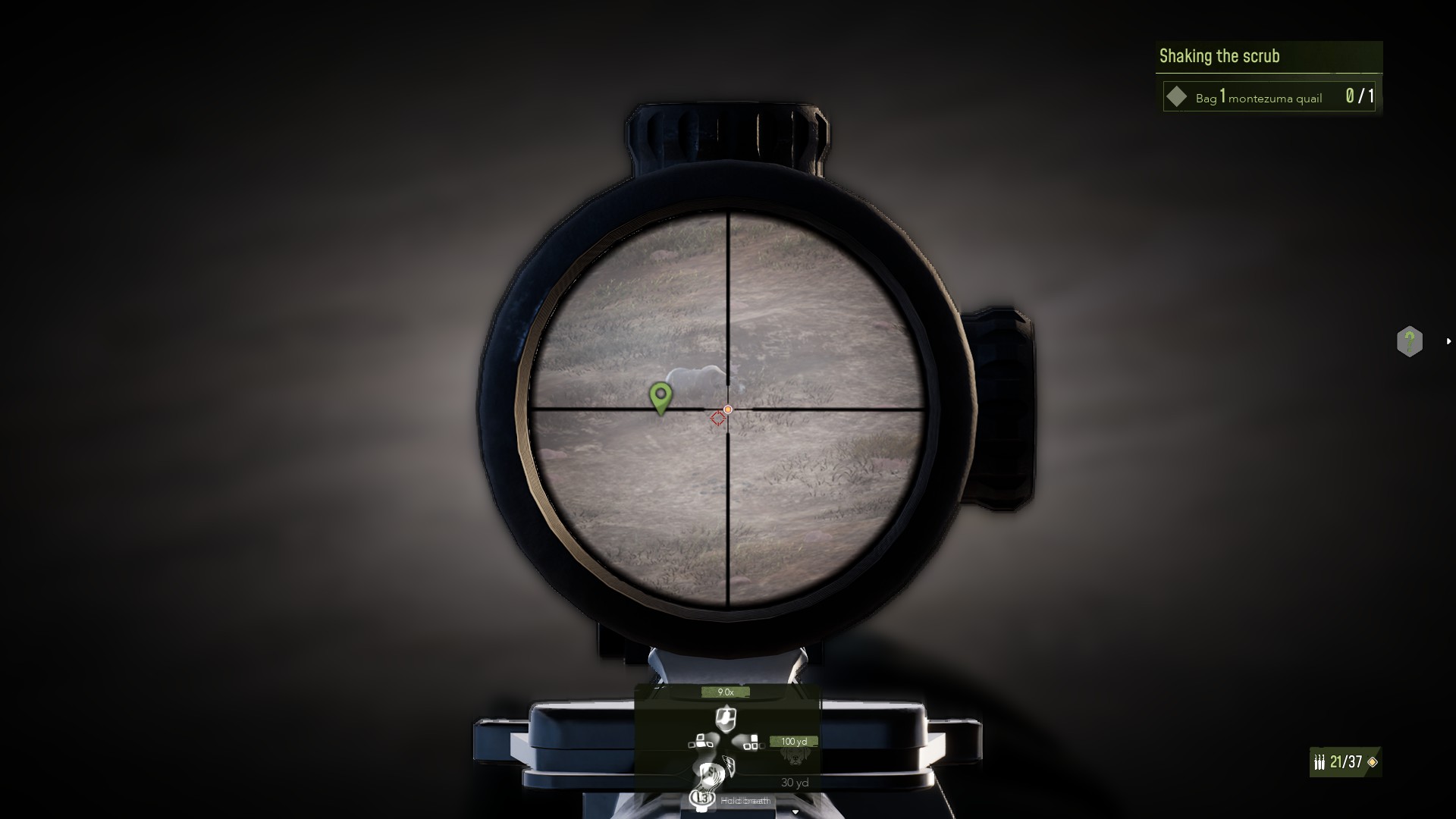
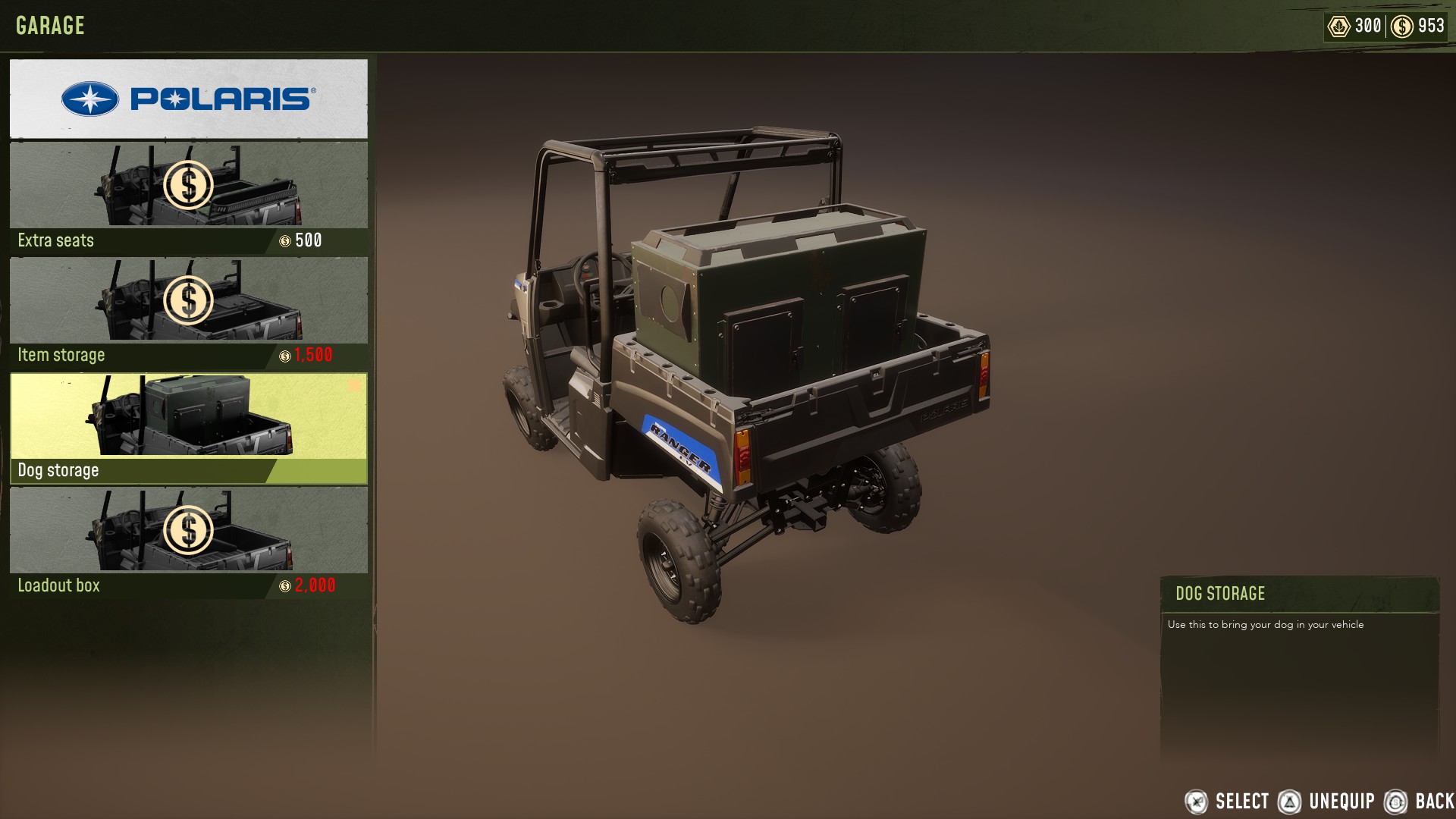
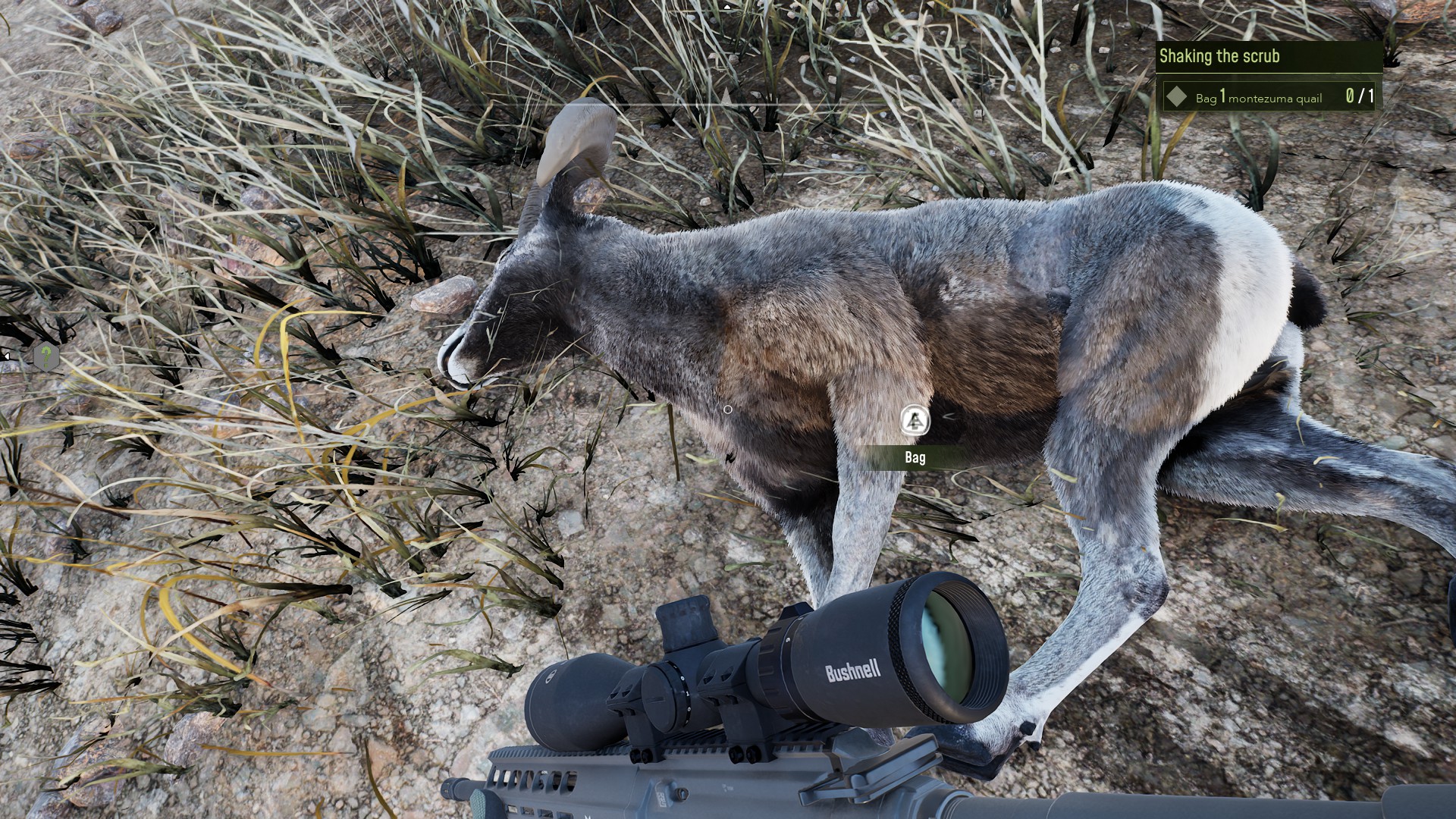
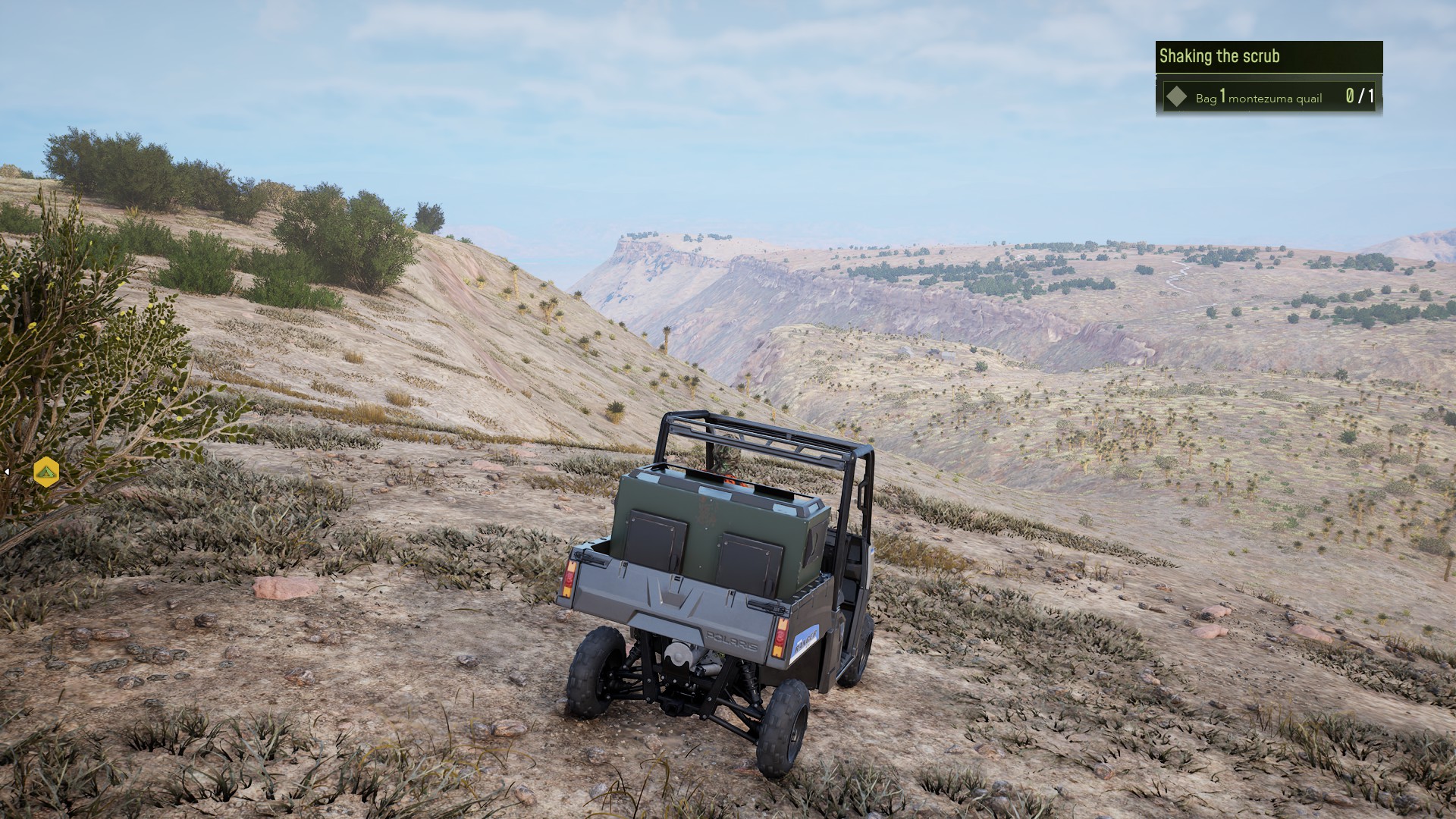
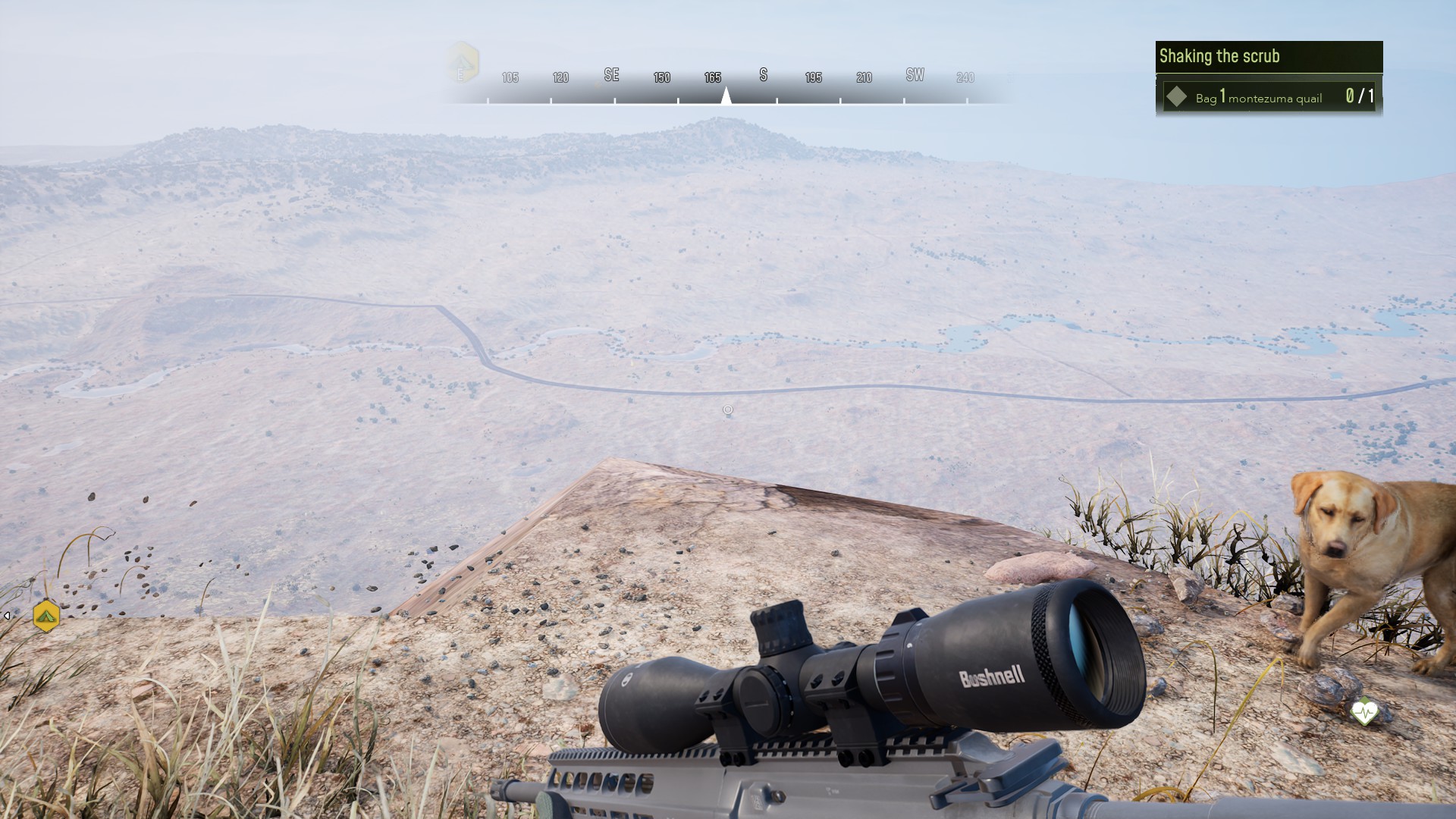
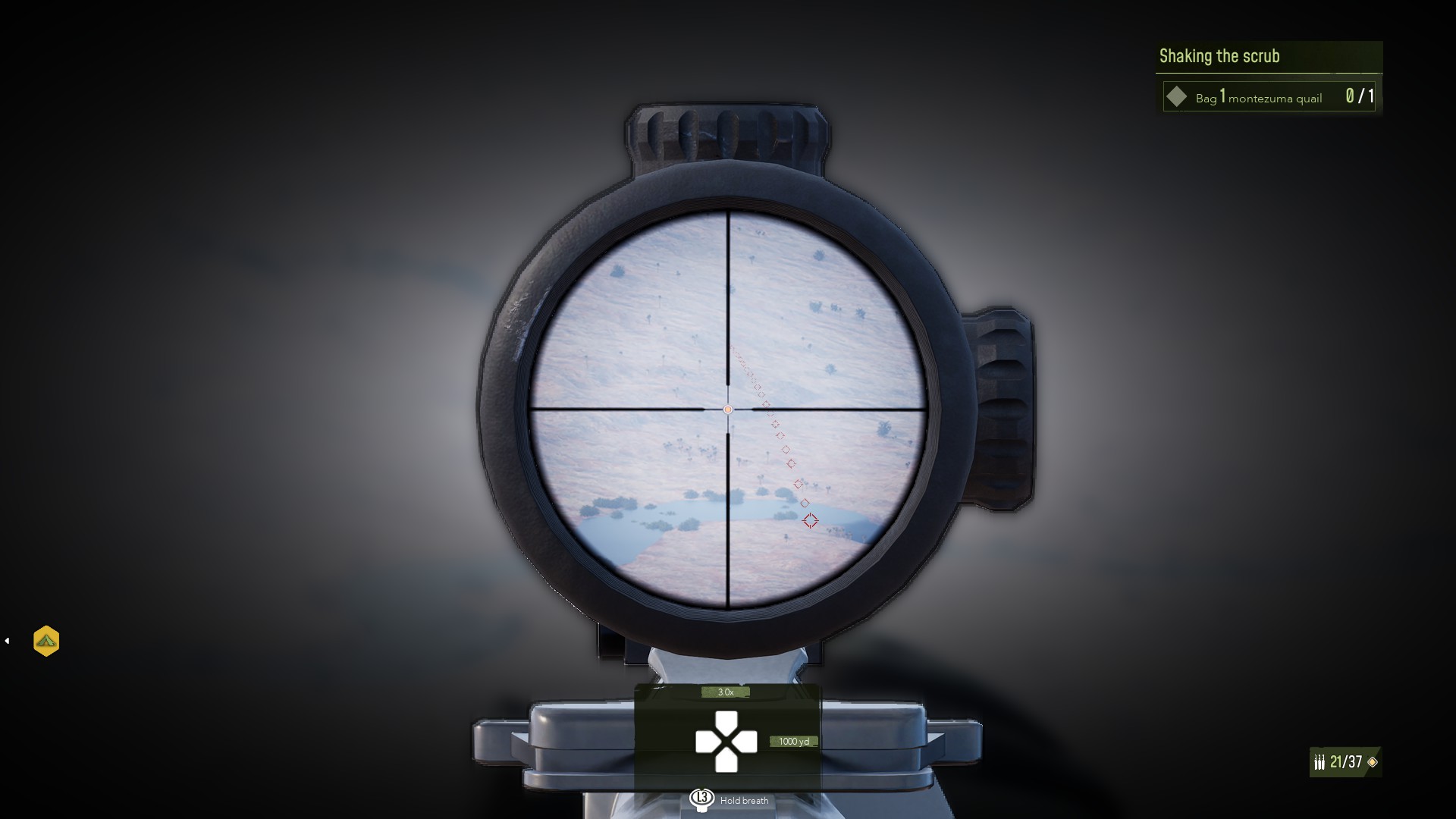
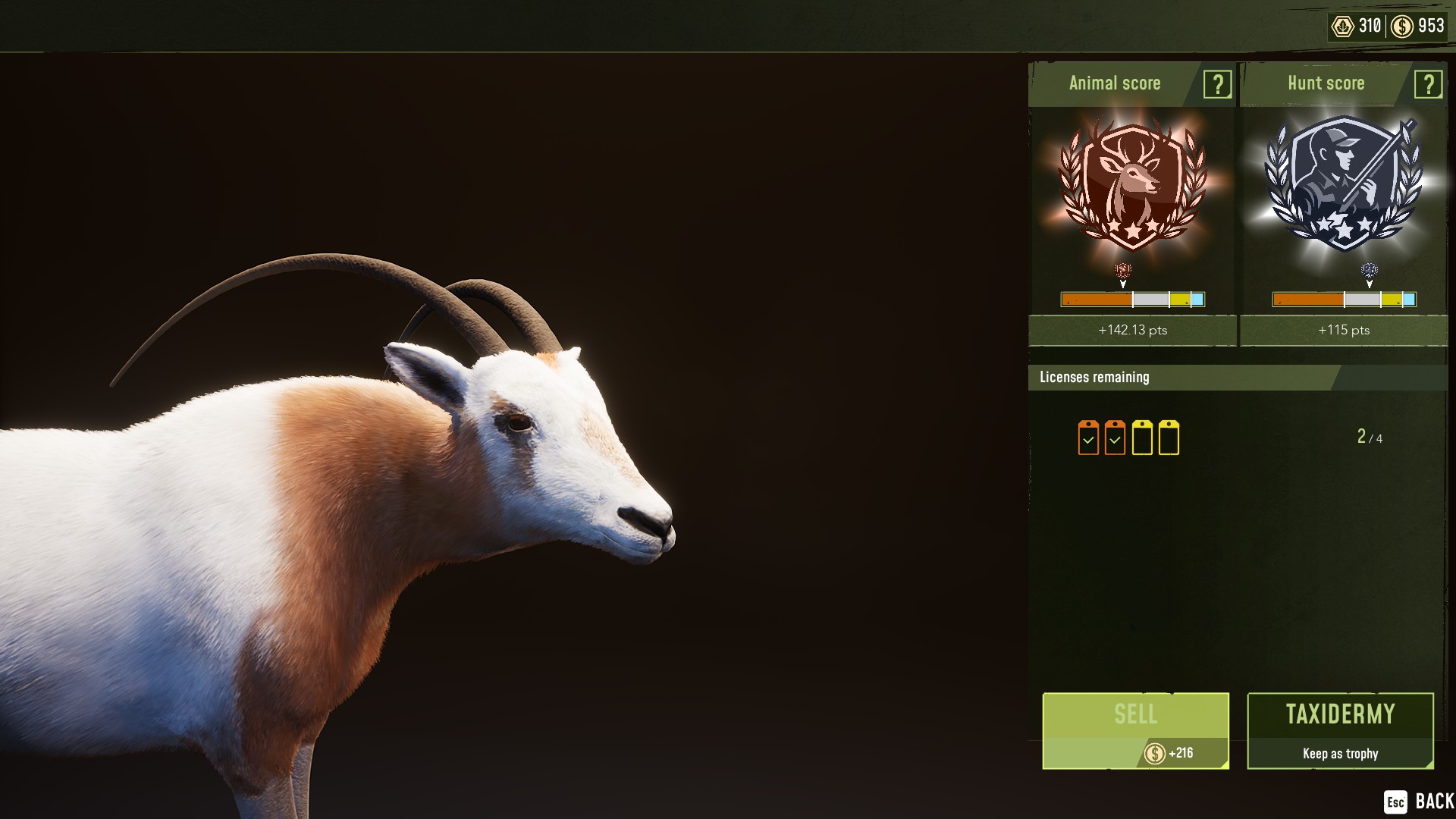
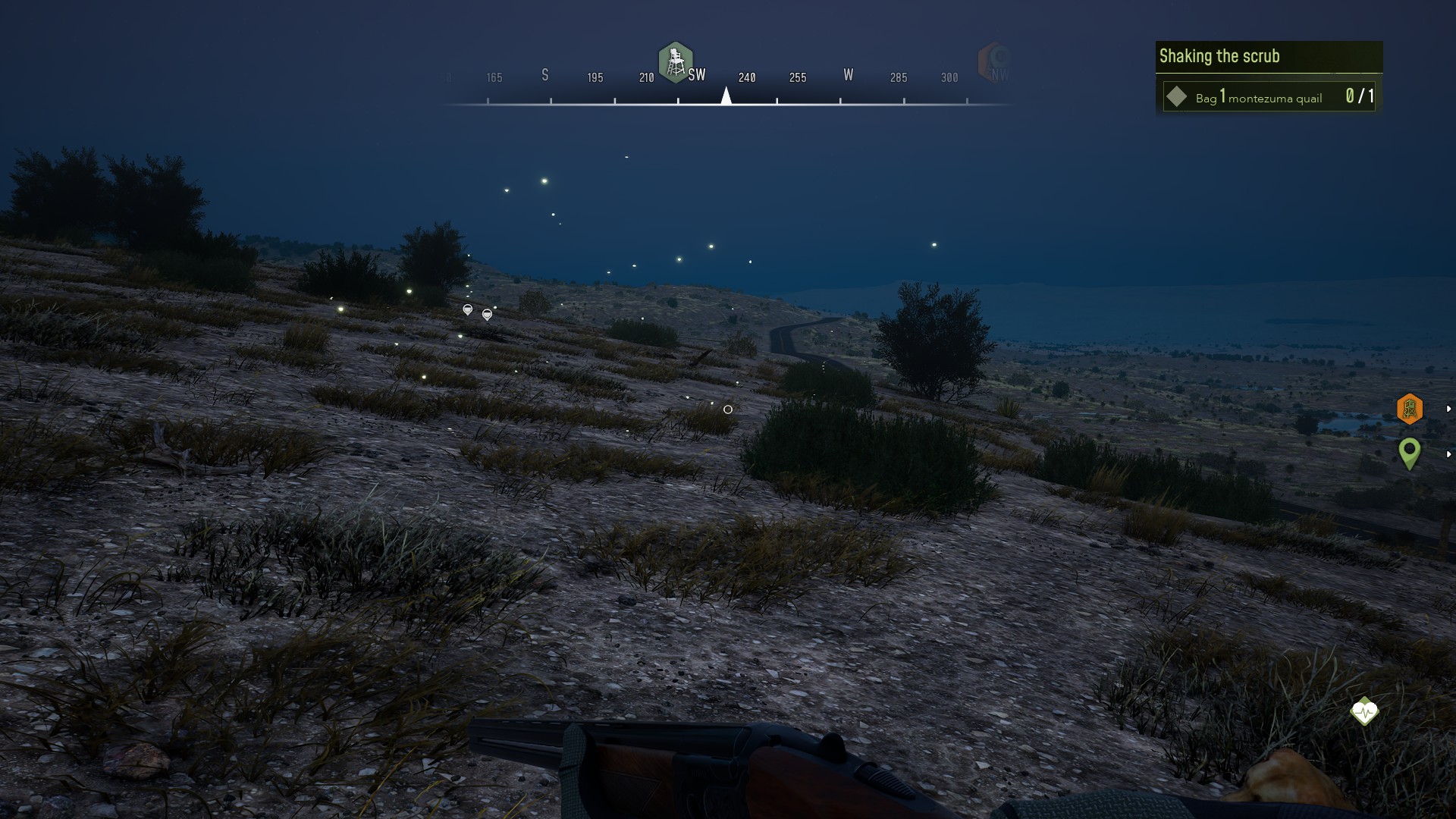
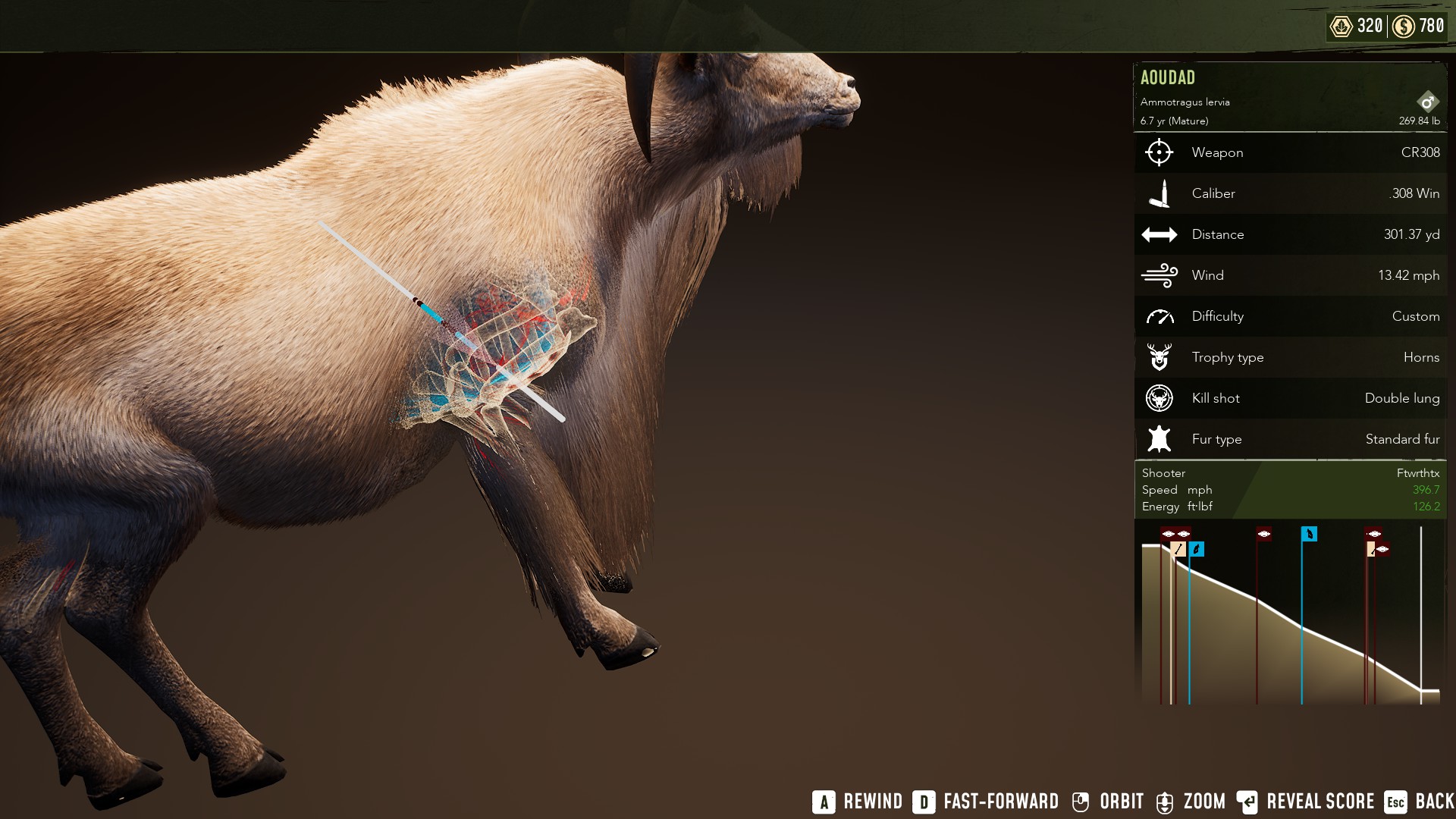
Unreal Engine 5 delivers some of the most convincing natural environments the hunting-sim genre has seen, with dense vegetation, convincing terrain deformation, and lighting that shifts naturally from crisp alpine mornings to golden-hour plains. Animal models benefit from the engine’s fidelity as well, showing believable muscle definition, fur response, and antler detail that holds up under binocular scrutiny.
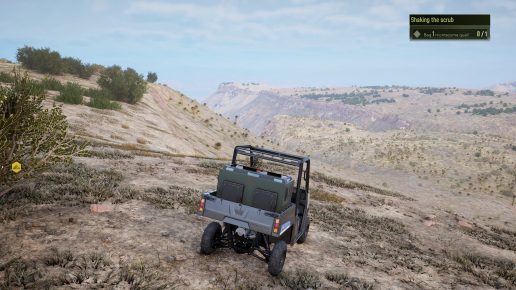
That said, the visual polish is not entirely uniform. Certain mid-distance tree lines and grass patches can still look a touch repetitive once you’ve logged several hours, and performance on mid-range hardware requires careful settings tweaking if you want to keep the dense foliage at high quality. Overall, though, the presentation sells the fantasy of being outside far more effectively than earlier entries.
Audio
The soundscape is one of the clearest upgrades in the package. Wind through aspen leaves, rain on wetland grass, and the layered ambience of a mountain valley feel organic rather than looped, while individual animal calls—elk bugles, turkey gobbles, coyote yips—are crisp and spatially accurate. Firearm audio is equally strong; bolt actions, safety clicks, and the distinct crack of different calibers were recorded from real guns and carry proper environmental reverb.
Hunting-dog vocalizations and footsteps also help sell immersion, letting you track by ear when visual contact is lost. The only minor shortcoming is that some smaller-game sounds can get buried under denser forest ambience at longer distances, but the overall mix keeps you oriented and alert without becoming fatiguing.
Wildlife Management
SimFauna is the system that most clearly separates this entry from static-spawn predecessors. Individual animals age, carry genetic scores that influence antler quality and dominance, and move between feeding, drinking, and resting zones on believable schedules. Harvesting a dominant male can shift herd dynamics, while heavy pressure in one area causes animals to alter their patterns or abandon zones entirely.
Predator-prey interactions add another layer; packs coordinate, solitary cats stalk, and the ecosystem continues to evolve even when you’re not present. The result is a management loop that rewards observation and selective harvest rather than pure volume. It still requires patience to see long-term genetic changes, yet the immediate behavioral reactions already make every outing feel distinct.
Maps
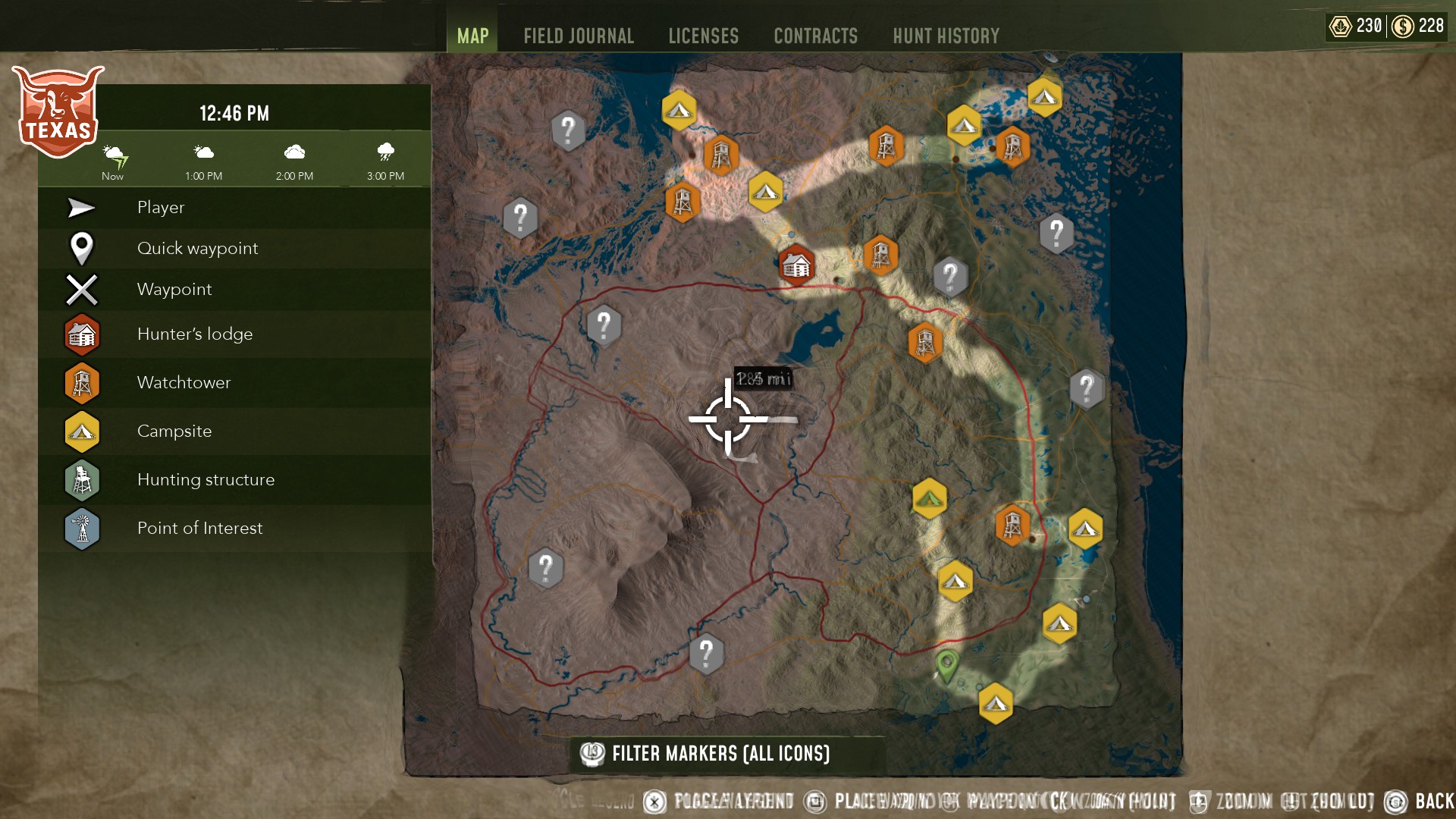
Both reserves span roughly 100 square kilometers and emphasize biome diversity over pure square-mileage. Elevation changes, cover density, and sightlines vary enough that the same species can demand entirely different approaches depending on which corner of the map you choose. Vehicle travel and dog companionship keep the large spaces from feeling empty, while need-zone markers and track systems give clear goals without turning the maps into pure checklist exercises.
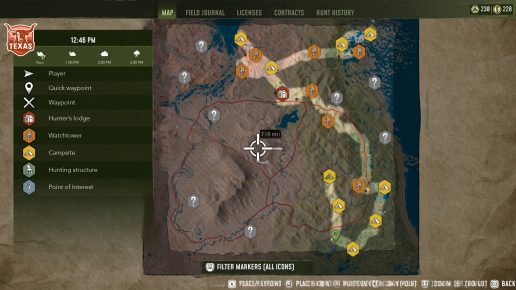
The two regions complement each other well; one rewards elevation and patience, the other rewards open-country glassing and longer stalks. Neither feels like a reskin of the other, and the combination gives the game solid variety at launch.
Clubhouse Management and Taxidermy Trophies
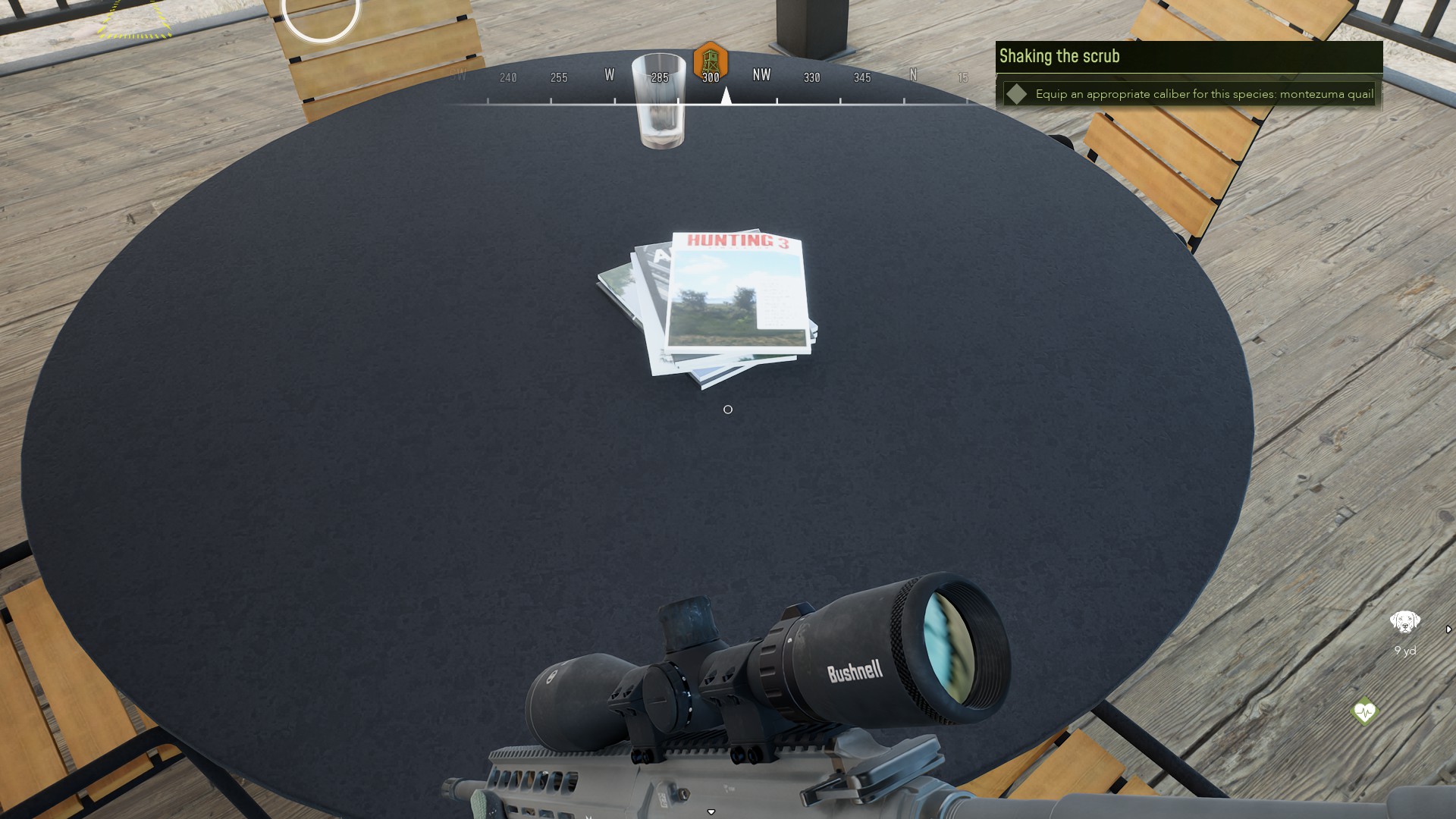
The customizable hunting lodge serves as the central hub between expeditions, letting you display harvested trophies, organize your arsenal, and prepare for the next outing in a warm, practical setting. You can arrange taxidermy mounts to showcase your finest animals, modify gear, purchase licenses or equipment, and even relax by the fire while reviewing maps or checking your dog’s progress. Character and lodge aesthetic options further personalize the space so it feels like your own base of operations rather than a generic menu screen.
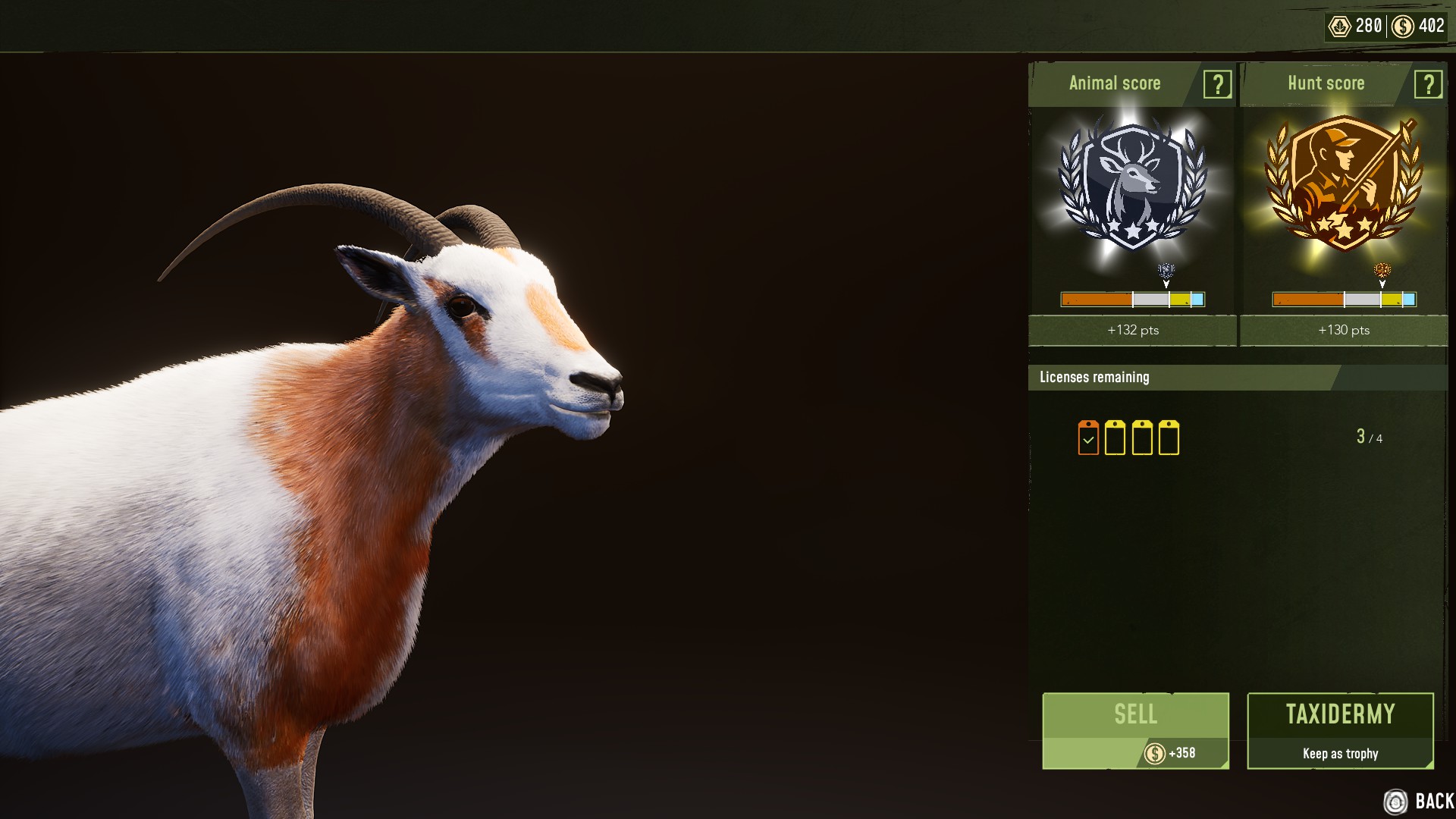
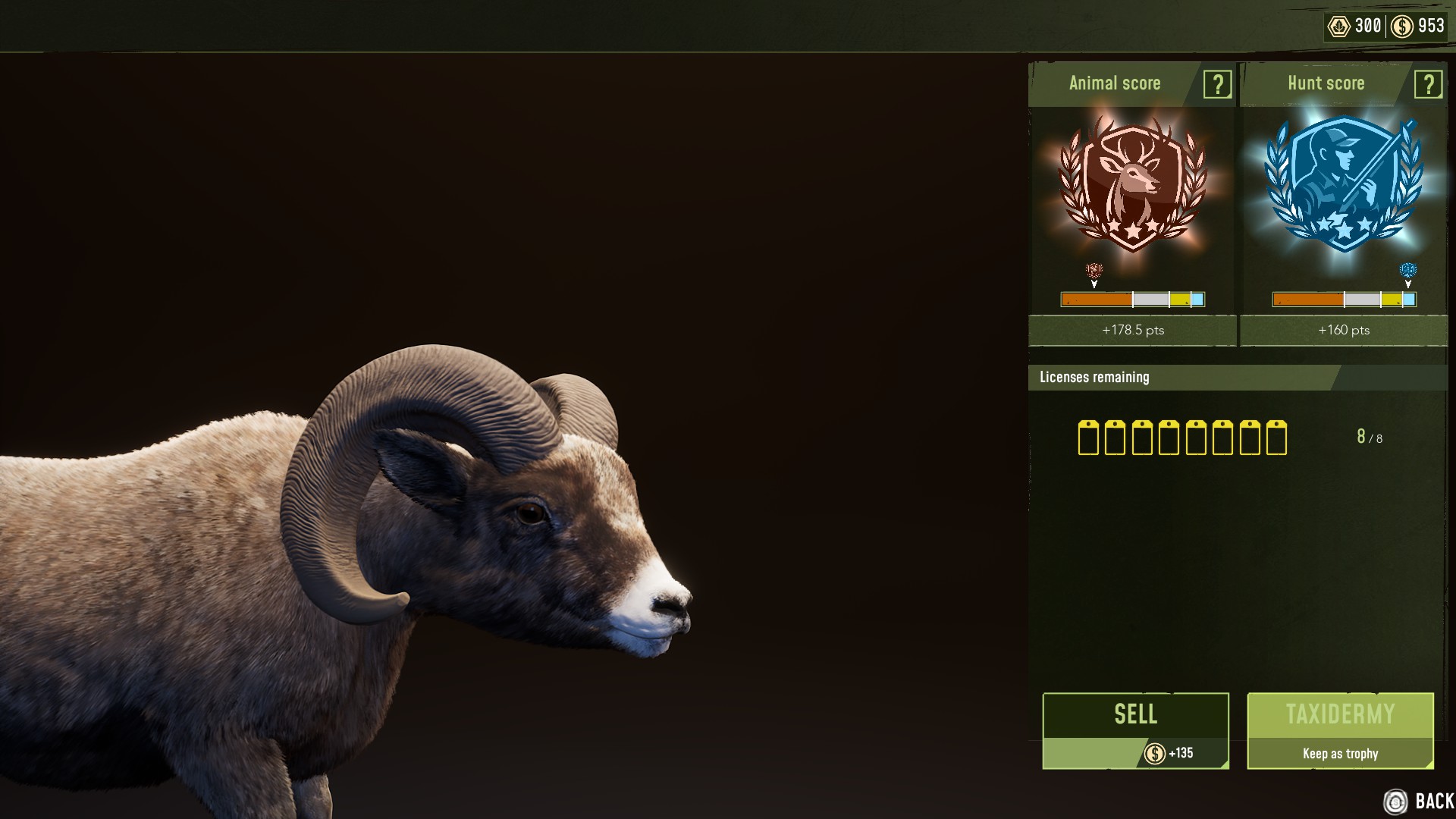
Trophy management ties directly into the long-term appeal of the game. High-scoring animals earned through careful selective harvest and SimFauna genetics look especially impressive once mounted, giving tangible rewards for patient, ethical hunting. The lodge also functions as a practical staging area for weapon customization, clothing selection, and vehicle prep, keeping the management loop satisfying without pulling you out of the wilderness fantasy for too long.
Colorado
Colorado’s Rocky Mountain setting is built around seven distinct biomes ranging from high alpine ridges and dense lodgepole forests to aspen groves, grasslands, and low-lying turf wetlands. Sightlines open and close dramatically with elevation, forcing you to plan routes carefully if you want to stay downwind of elk, mule deer, or bighorn sheep. The verticality also creates natural travel corridors that animals use, making ridge glassing and saddle ambushes particularly effective.
Weather and time of day further change the experience; morning thermals rising through spruce can push scent in unexpected directions, while autumn aspen stands become both beautiful and acoustically quiet. The map rewards methodical hunters who treat the terrain itself as a tool rather than simply an obstacle.
Texas
Texas delivers a broader, more open experience across Gulf Coast prairies and marshes, Blackland prairies, and the arid Trans-Pecos region near the Pecos River. Long sightlines favor careful glassing of pronghorn, exotic nilgai, or feral hogs, while the humid river corridors and bluebonnet-dotted grasslands create pockets of dense cover for closer work. The patchwork of ecosystems keeps the map from feeling flat; you can move from wetland edges to rocky plateaus within a single session and encounter different species and tactics in each.
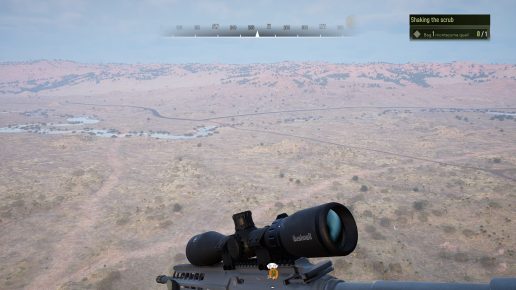
Wind and open terrain make scent control and approach angles especially important, and the arid western sections reward patience as animals move between scarce water and shade. It feels distinctly different from the mountain reserve and gives the game a second, equally viable hunting identity right at launch.
In Conclusion
Hunting Simulator 3 succeeds by treating the wilderness as an active participant rather than a static backdrop. SimFauna’s aging animals, genetic influence, and shifting behaviors give every hunt genuine stakes, while the two carefully differentiated maps and strong audio-visual presentation make the time spent in the field consistently engaging. The licensed gear, capable hunting dogs, and accessible progression keep the experience welcoming without sacrificing the simulation depth that longtime fans craved.
Minor repetition in distant vegetation and the need for occasional performance adjustments keep it from absolute perfection, yet these are small concerns next to the living ecosystem and varied hunting grounds on offer. For anyone who has waited through the series’ earlier limitations, this third entry finally delivers a wilderness that feels alive, reactive, and worth returning to long after the first season ends.
9
Hunting Simulator 3 review code provided by publisher and reviewed on a HP Victus PC with an i5-12500H and NVIDIA GeForce RTX 4060 Laptop GPU connected to a 4K 40″ Monitor . For more information on scoring, please read What our review scores really mean.