War is breaking out on the Korean Peninsula, Captain Price is a hunted outlaw, and Infinity Ward has finally been given the time to build something that feels complete. From the first muddy trench to the final extraction, Call of Duty: Modern Warfare 4 delivers the kind of focused, high-stakes package that reminds you why this series still matters.
A Legacy of Warfare: The Call of Duty Series
Call of Duty launched in 2003 as a World War II shooter from Infinity Ward, emphasizing squad-based combat across historic fronts in Europe and the East. Early sequels refined the formula for consoles before the series pivoted with Call of Duty: Modern Warfare 4 in 2007, which introduced contemporary settings, customizable loadouts, and multiplayer systems that reshaped the genre and cemented characters like Captain Price. That original Modern Warfare trilogy ran through 2011, while parallel lines like Black Ops explored Cold War and near-future conflicts.
Over the next decade the franchise expanded through yearly releases, remasters, and a 2019 reboot that reset the Modern Warfare timeline with a more grounded tone. Modern Warfare II (2022) and III (2023) continued that arc, leading to Modern Warfare 4—the fourth and final entry in the rebooted sub-series and the 23rd mainline Call of Duty title. It closes long-running story threads after an extended development cycle, delivering three distinct modes rather than rushing a single focus.
Campaign: Real-World Conflicts Brought to Life
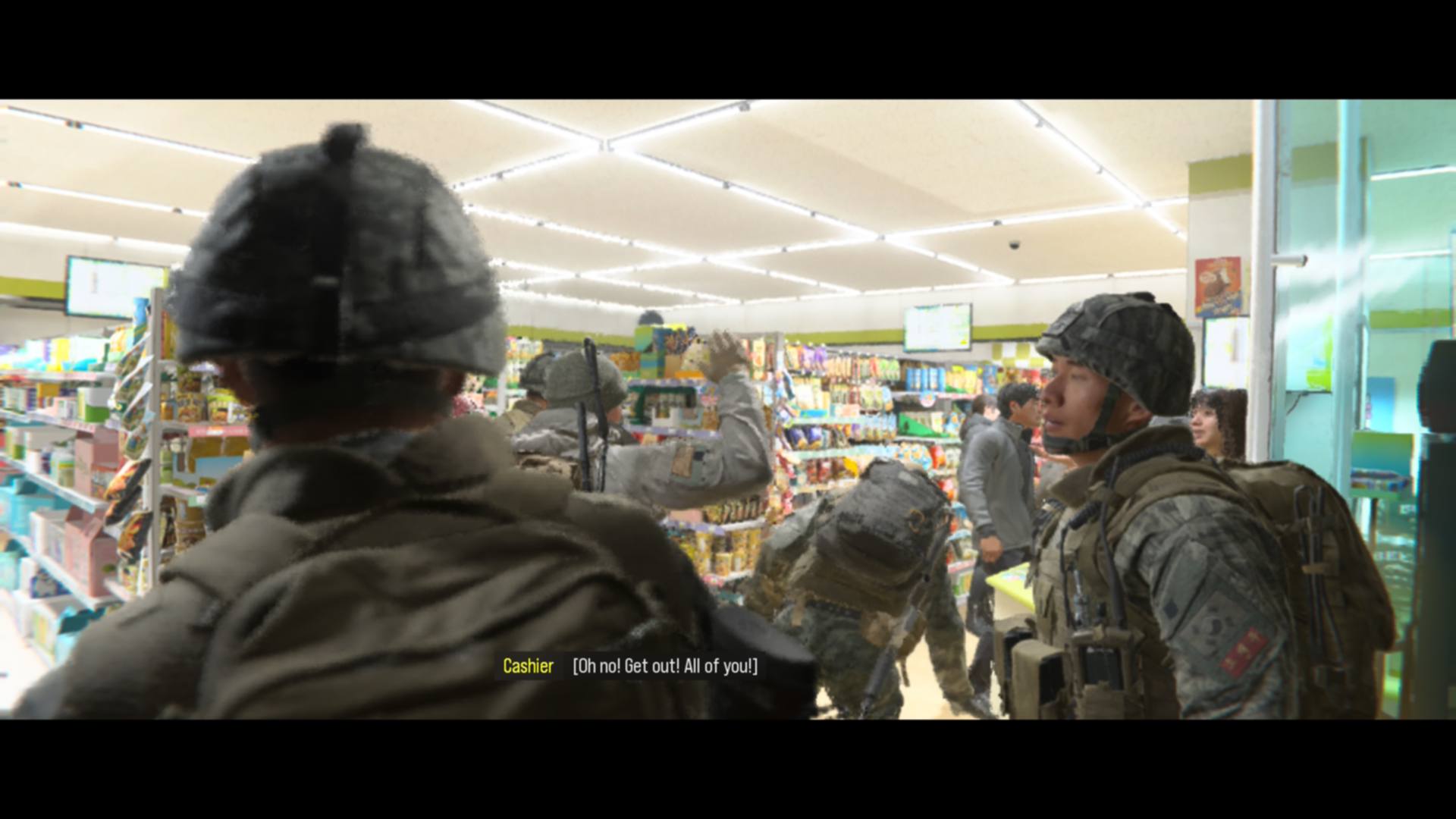
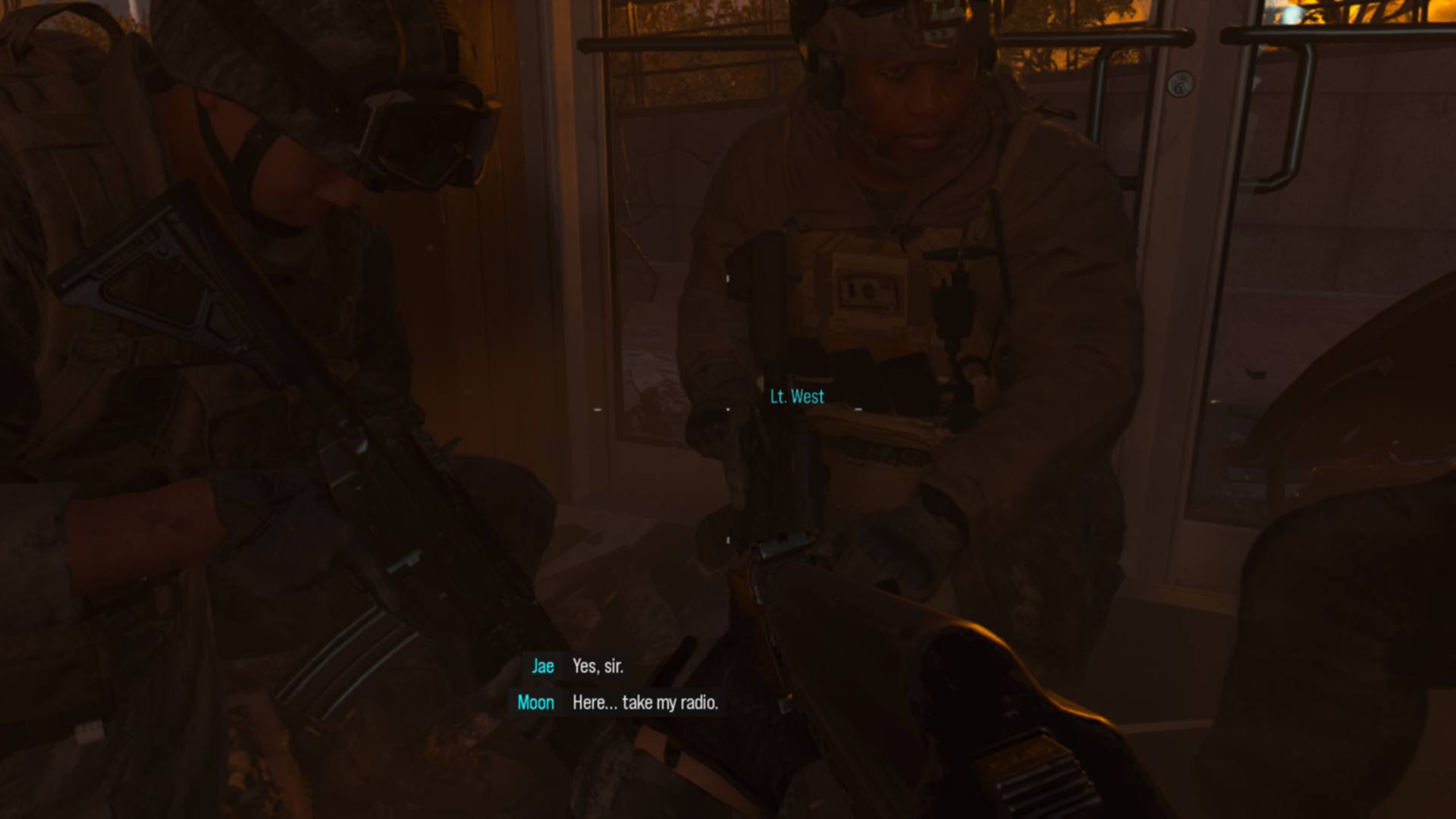
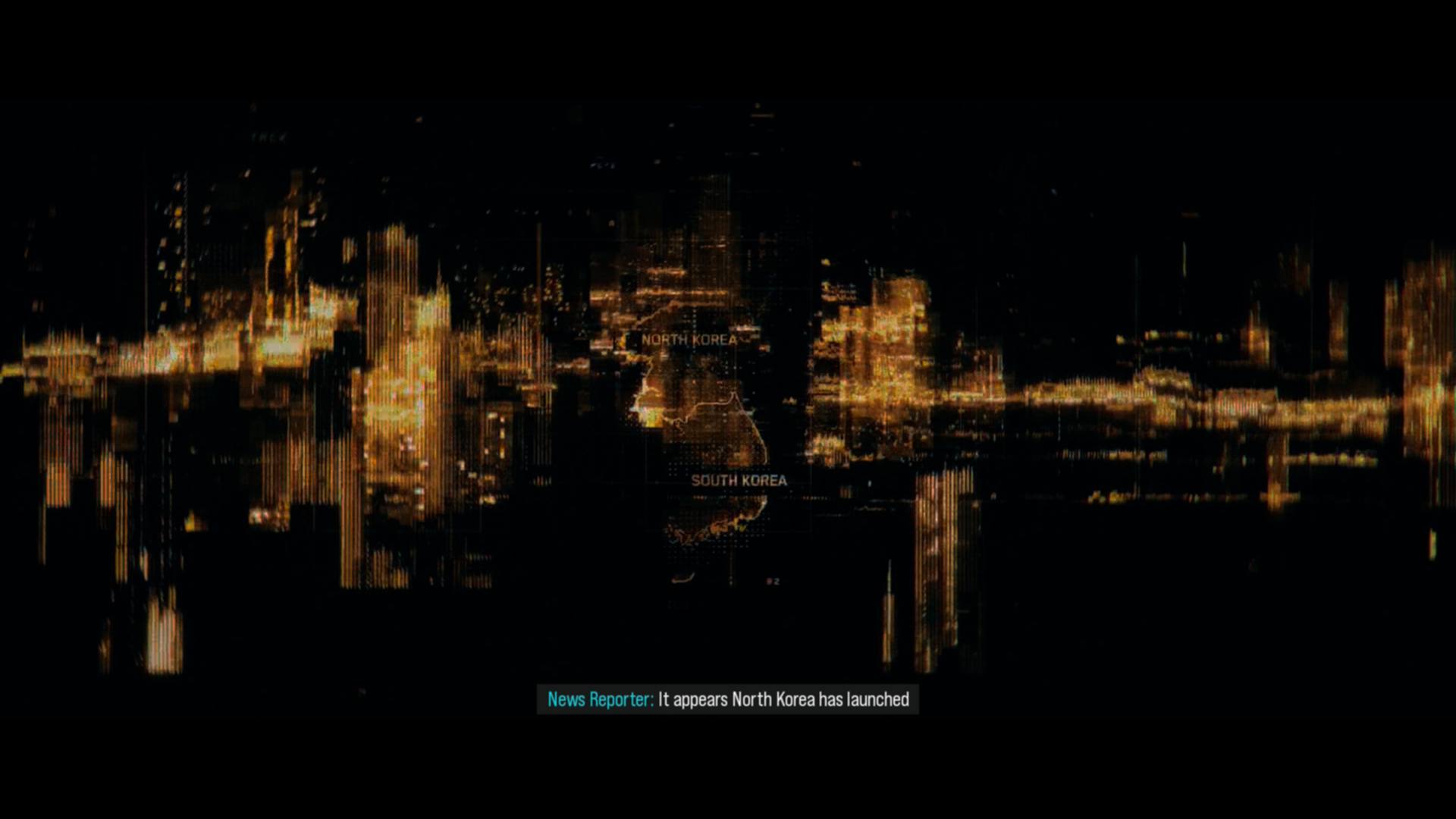
Players step into the role of Private Park Hyun-Jun, a young South Korean soldier thrown into a full-scale North Korean invasion of the peninsula. The story runs in parallel with a vengeful Captain Price operating off the books after assassinating General Shepherd, tracking threats tied to Konni Group and a Russian antagonist known as the Archer. Missions span trench warfare and collapsing front lines in Korea, close-quarters combat in New York, high-speed chases through Paris, SAS night raids in Mumbai, and large-scale efforts to reclaim occupied cities—drawing directly on contemporary geopolitical tensions and the unresolved armistice that has defined the Korean Peninsula since 1953.

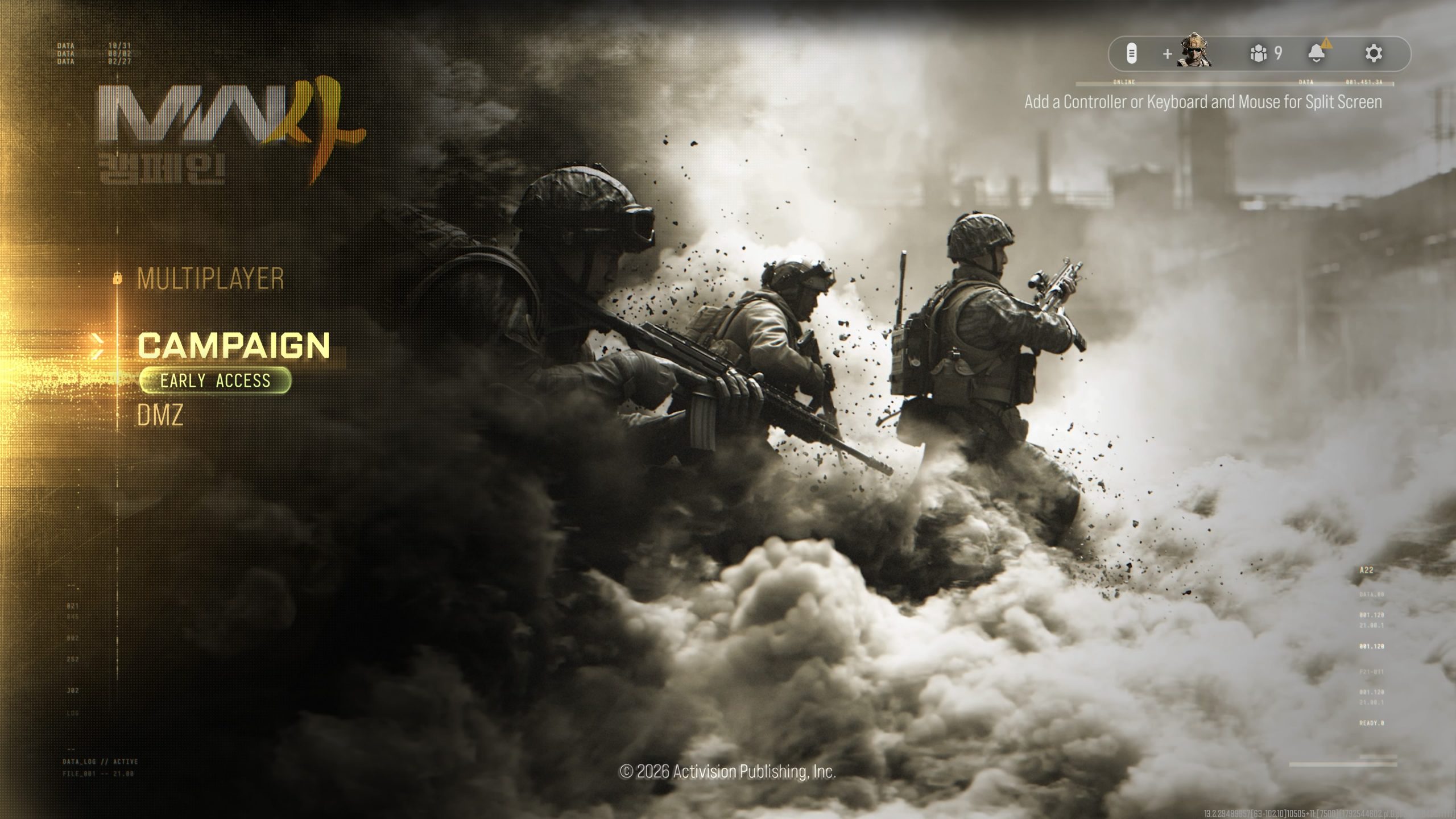
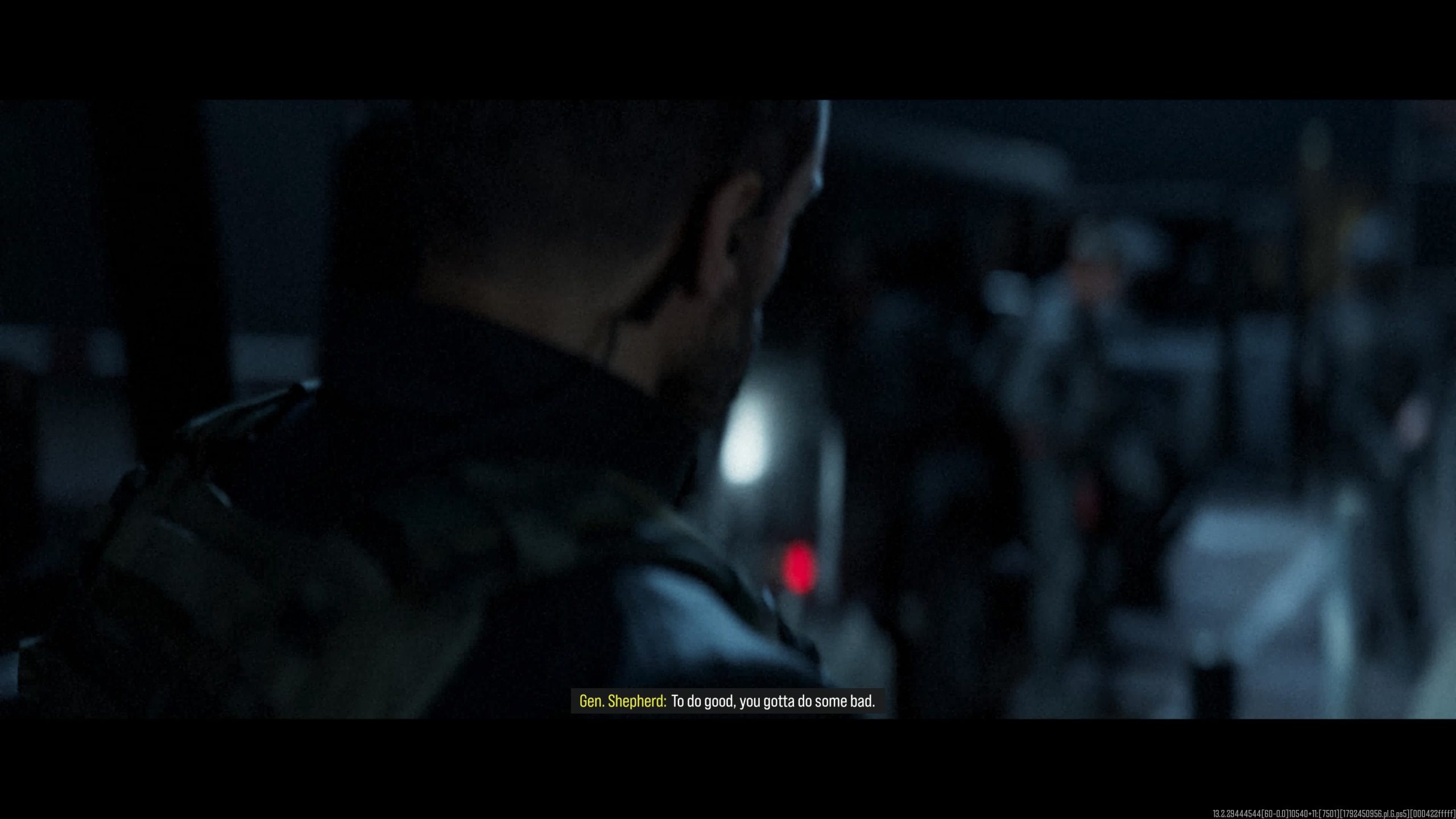
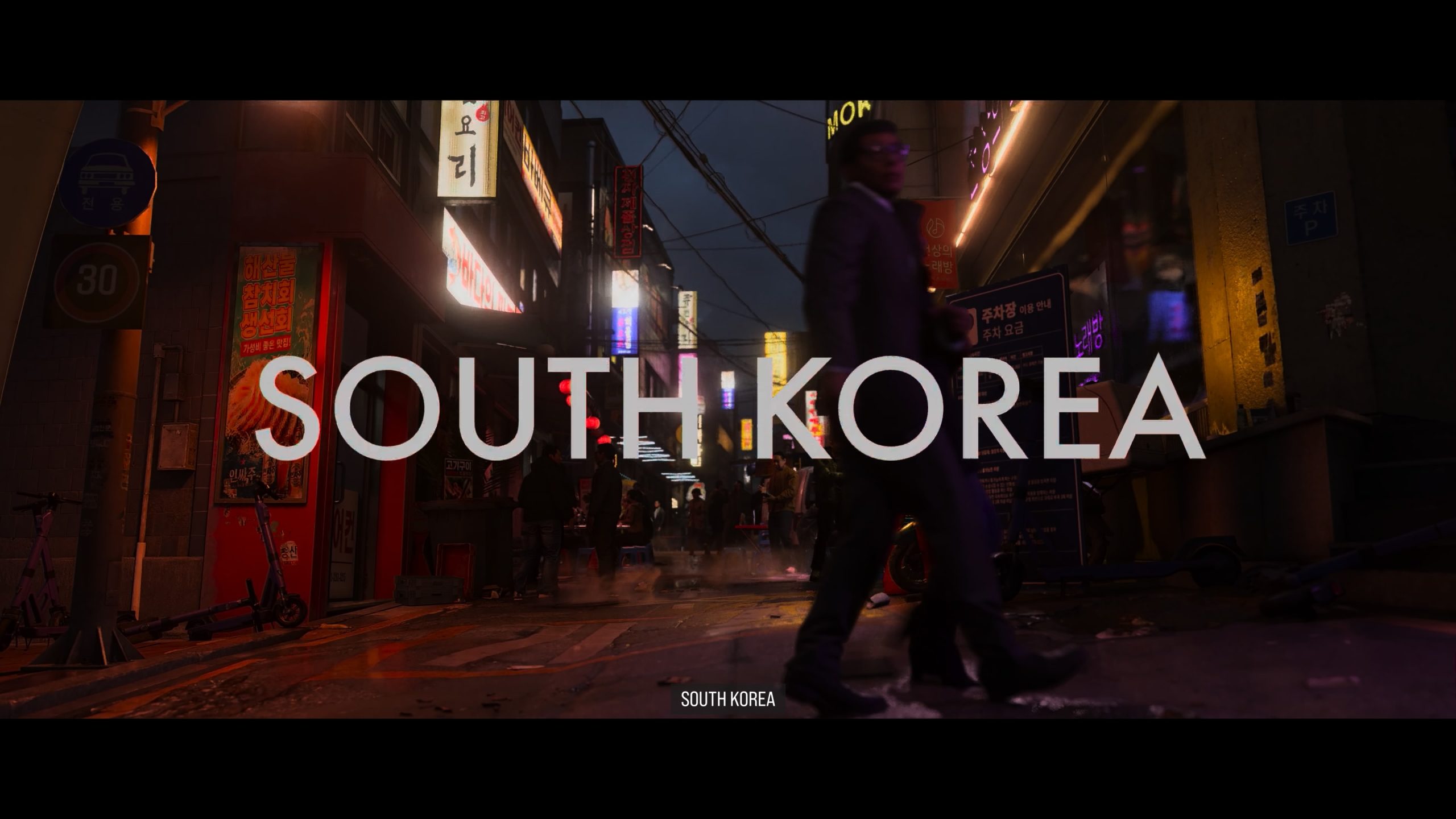

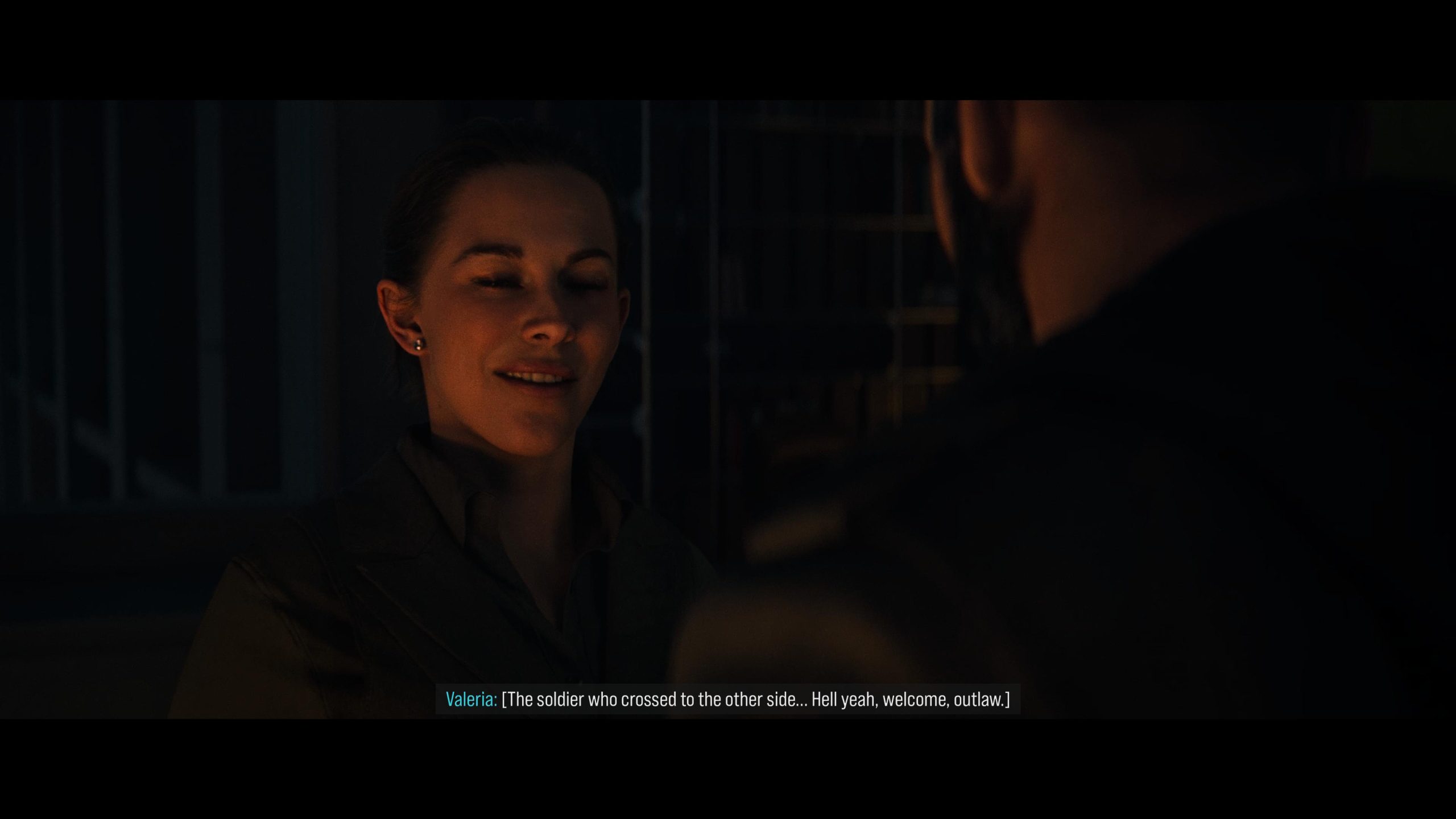
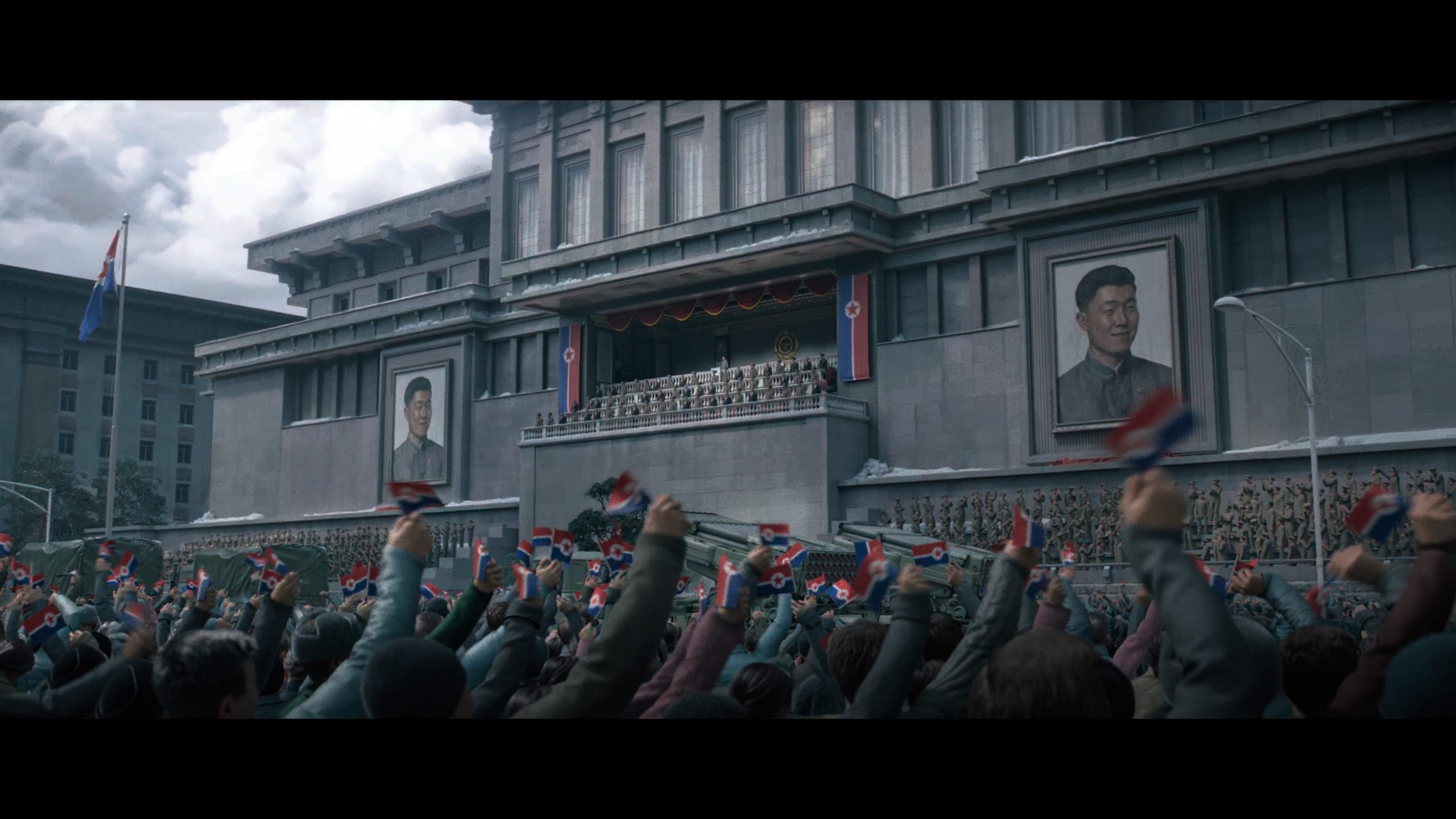
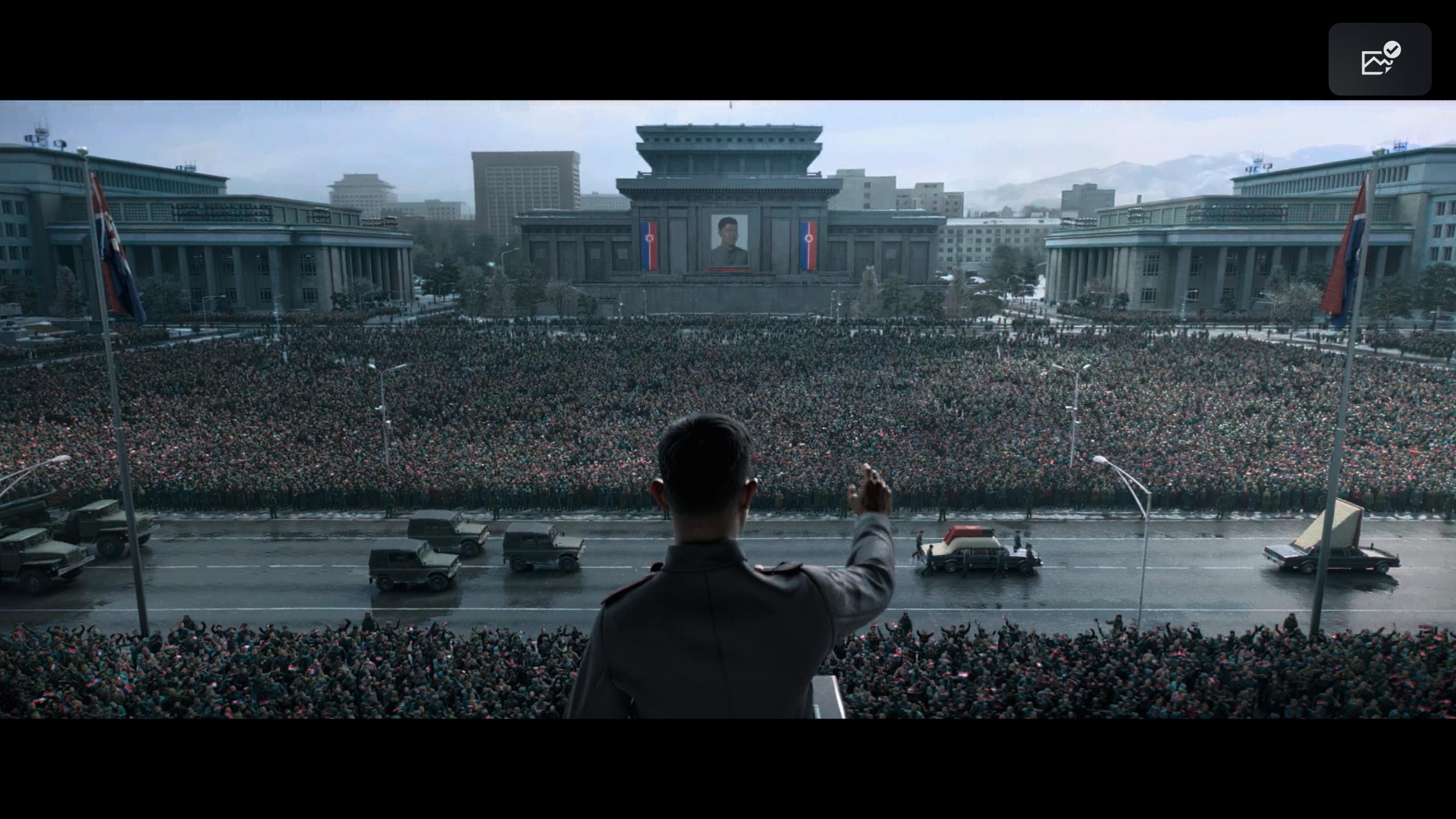

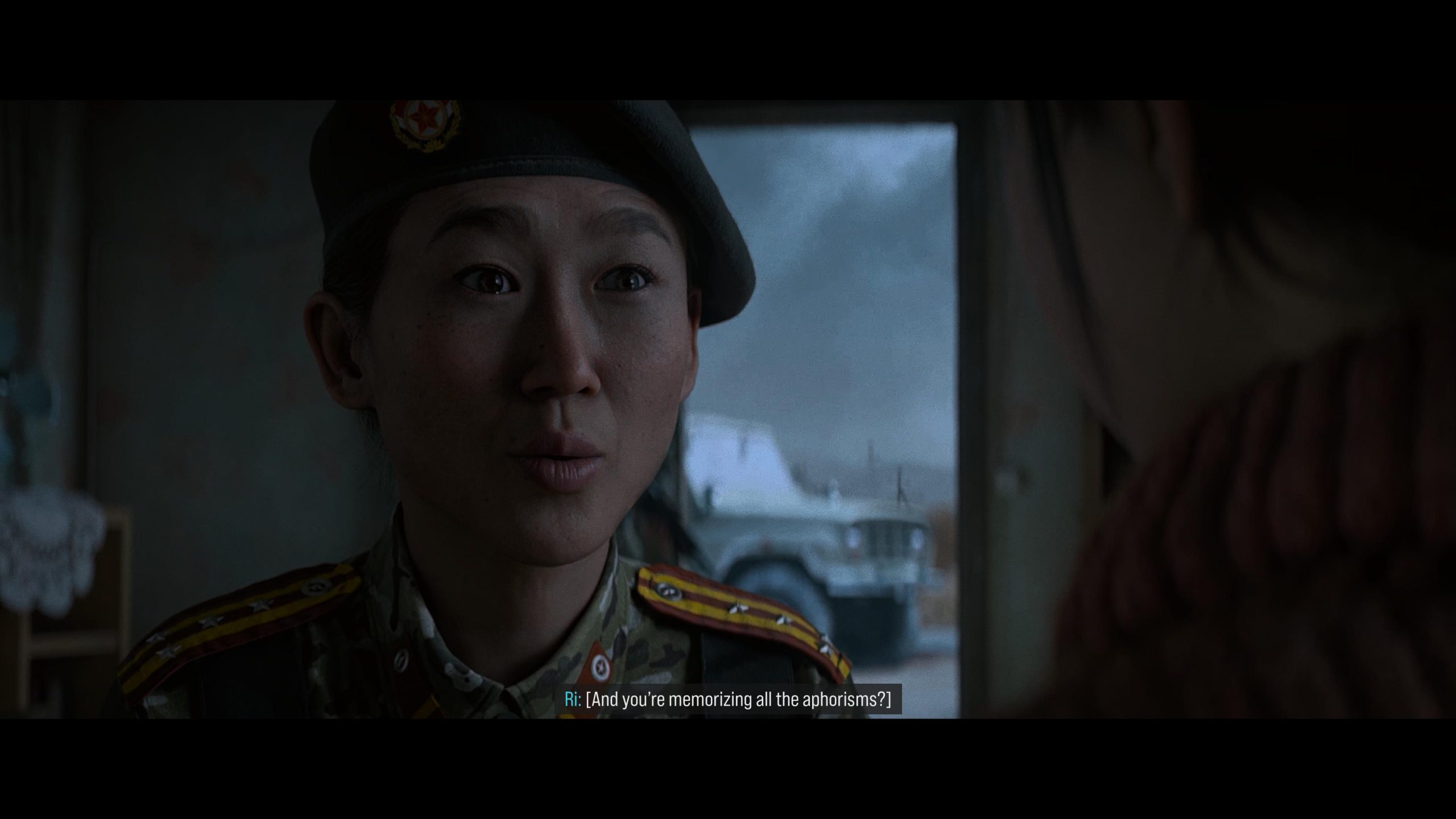
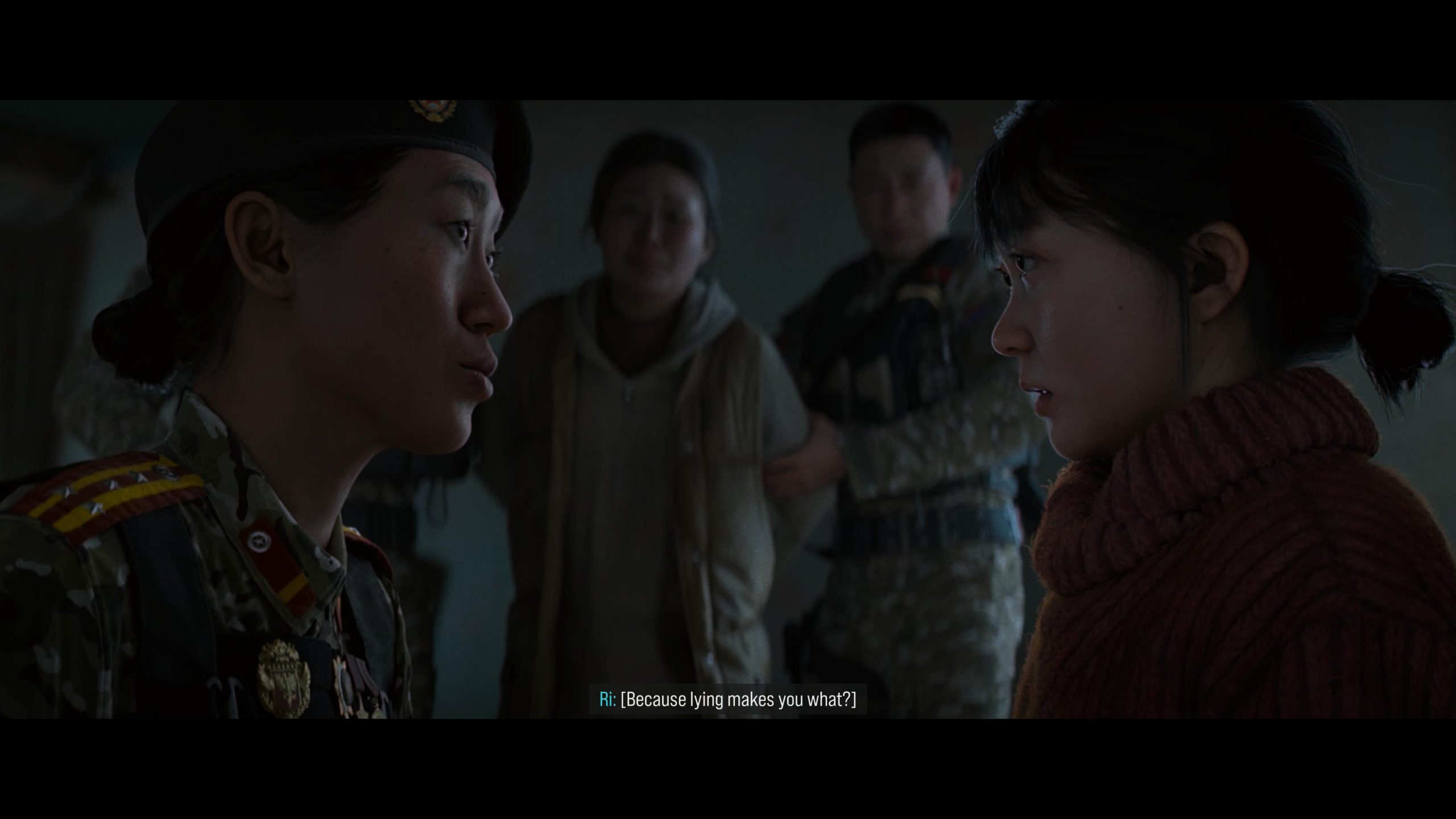
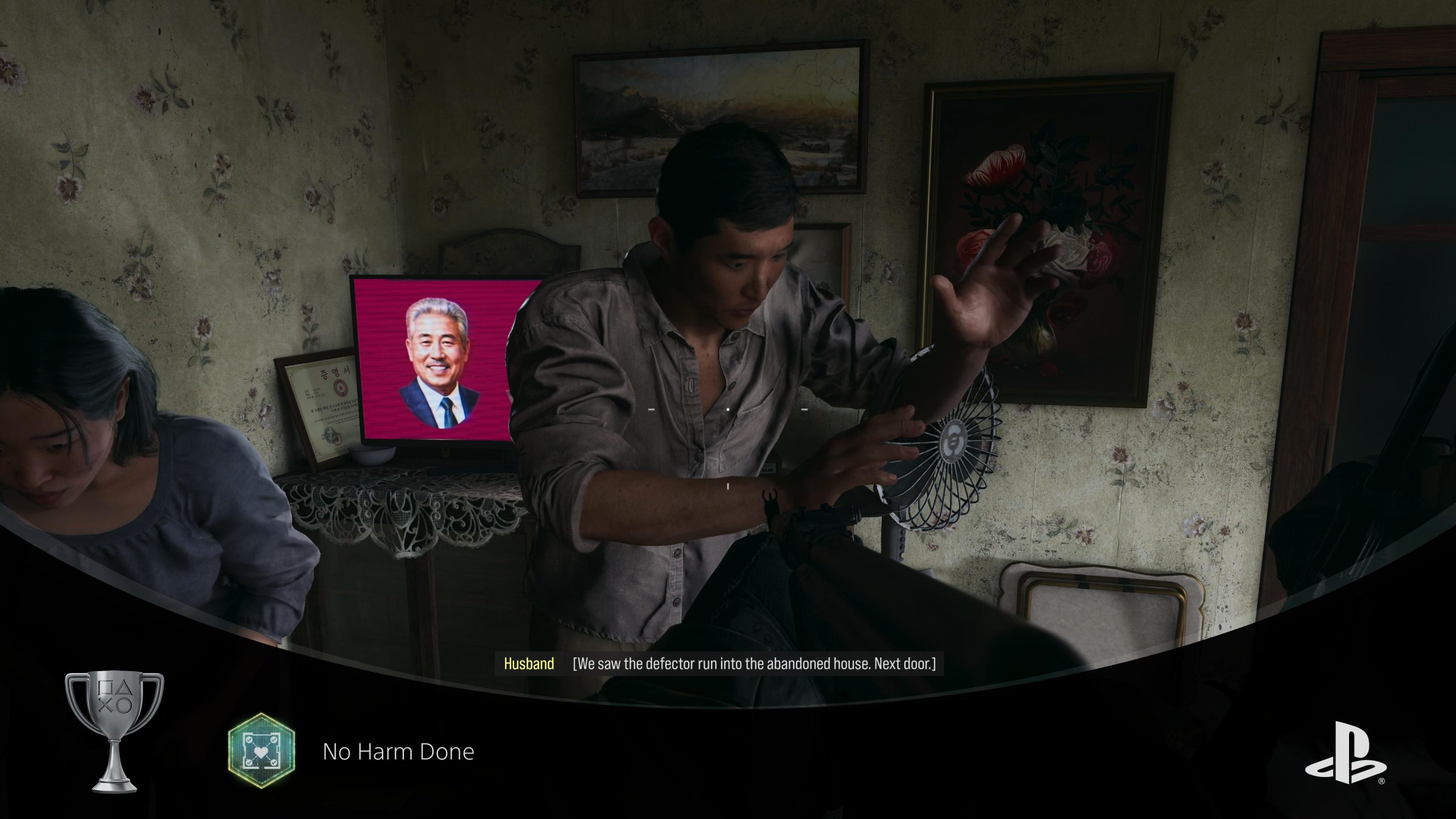
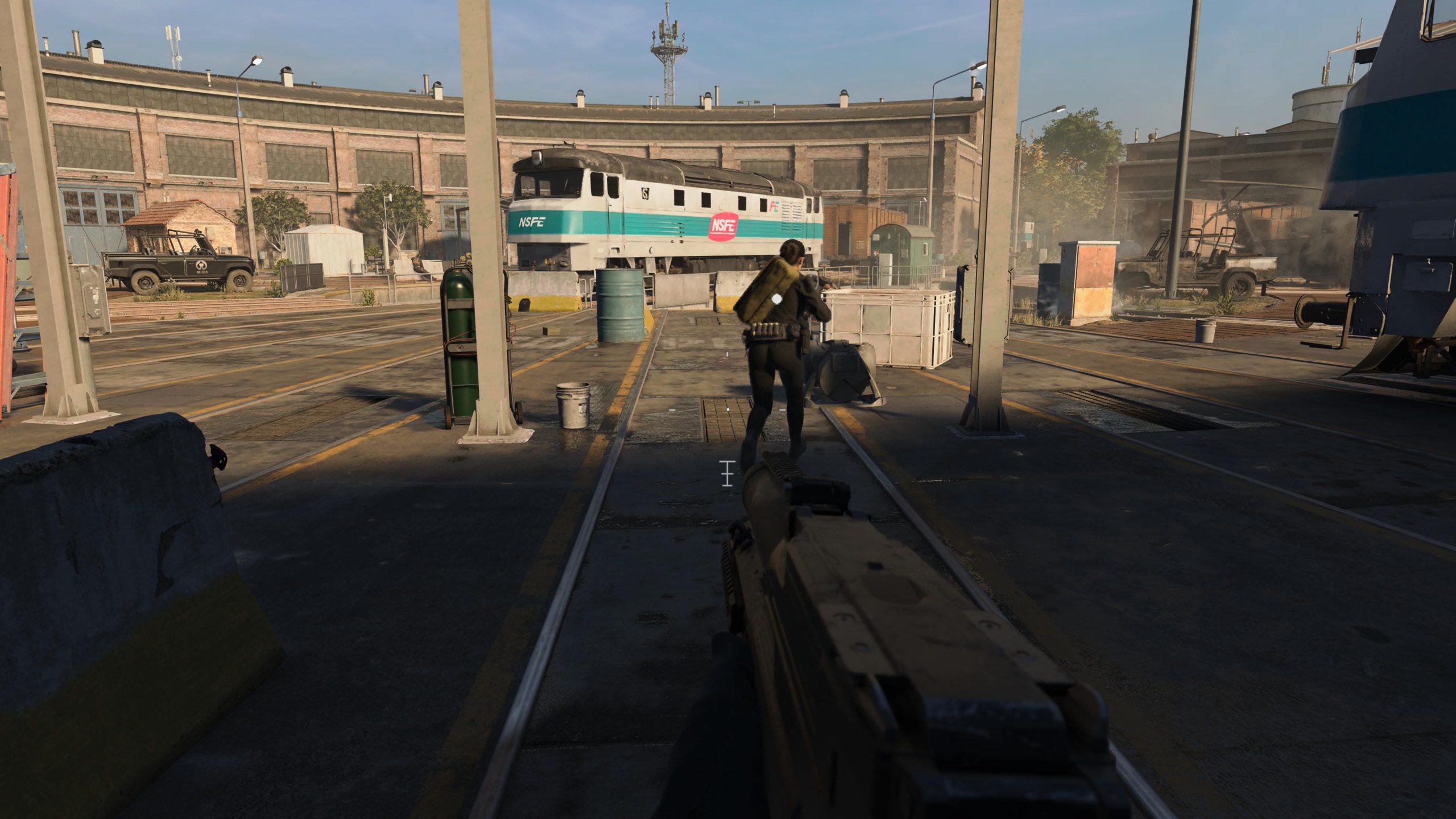
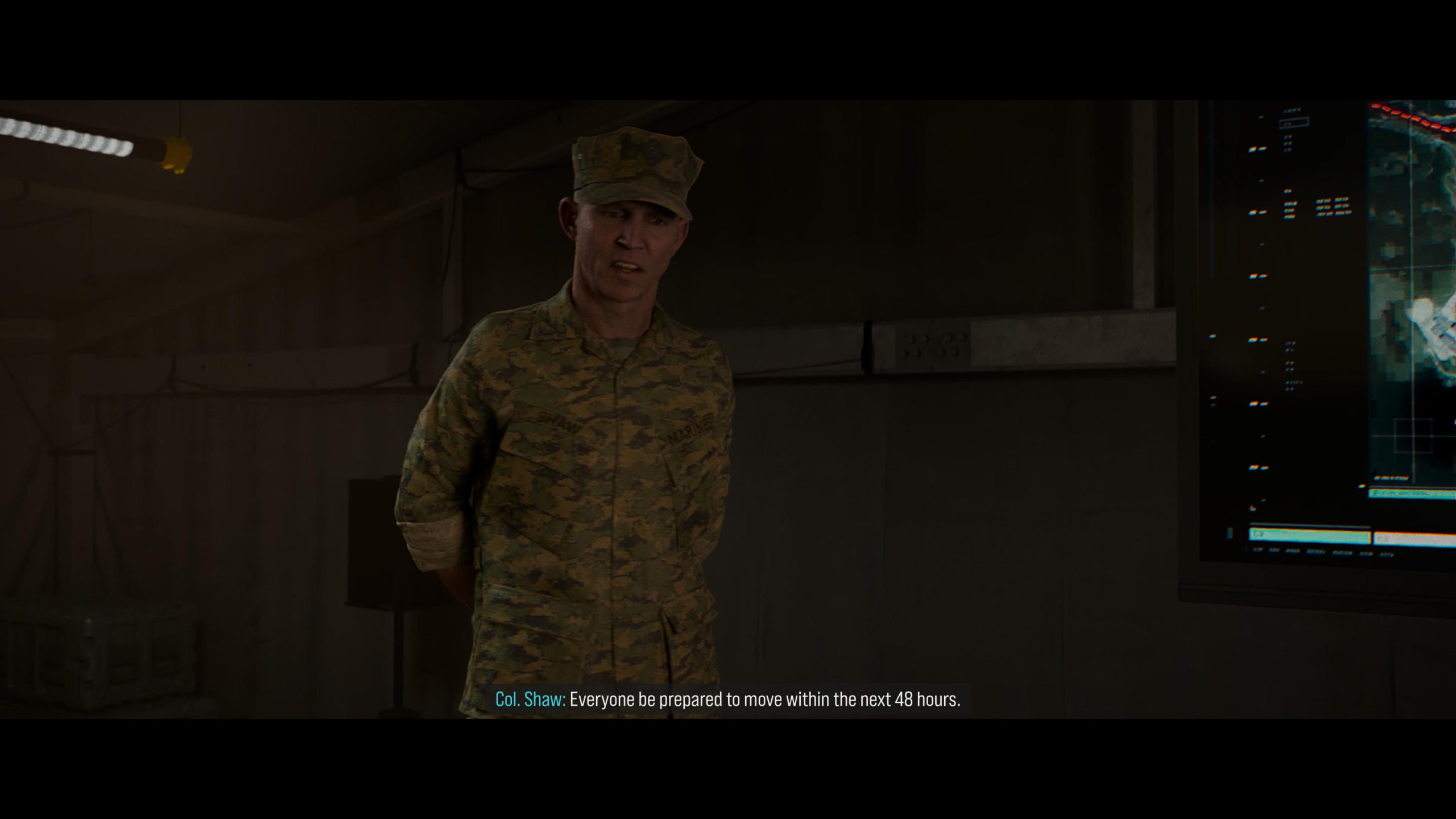
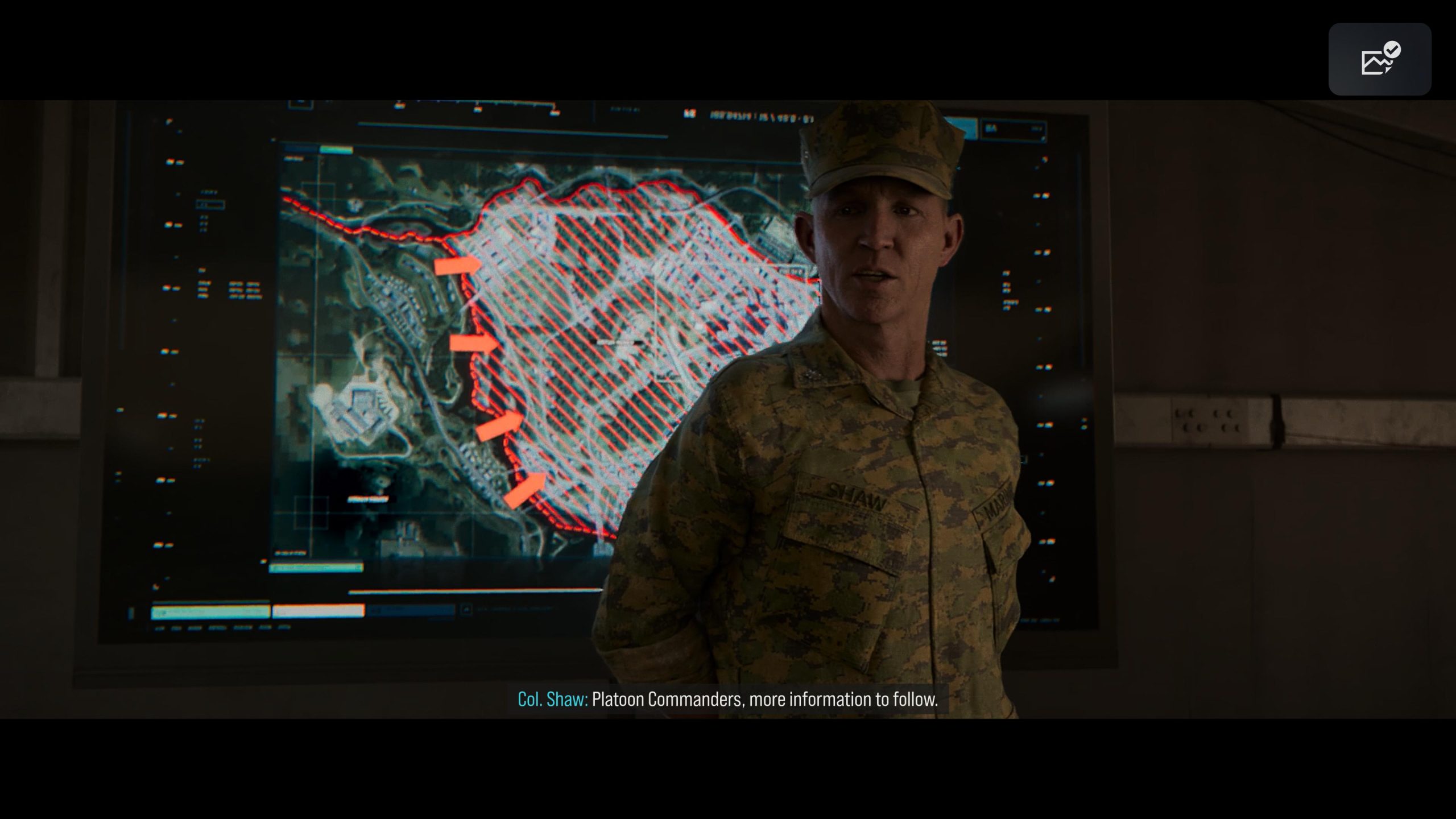
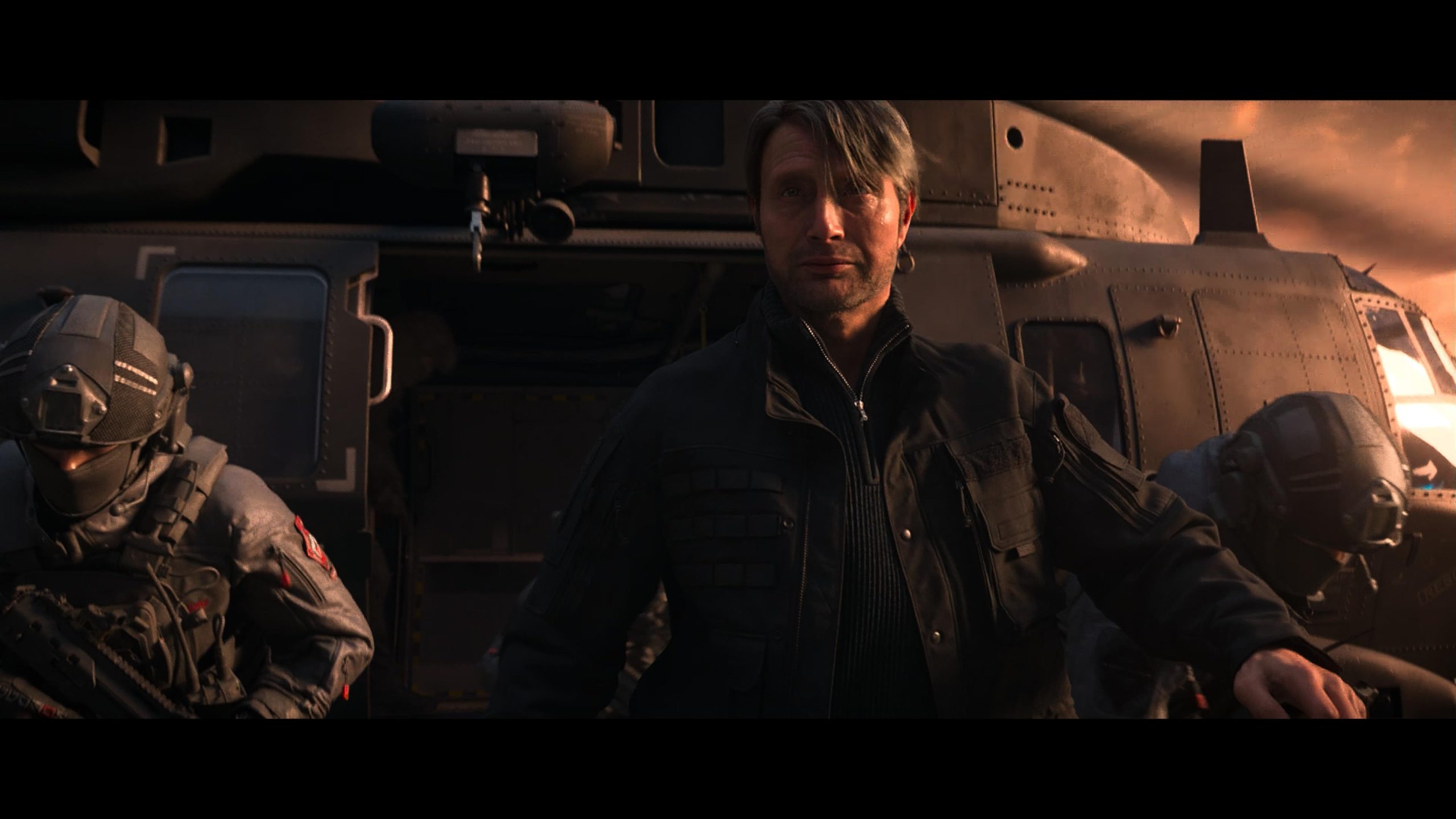
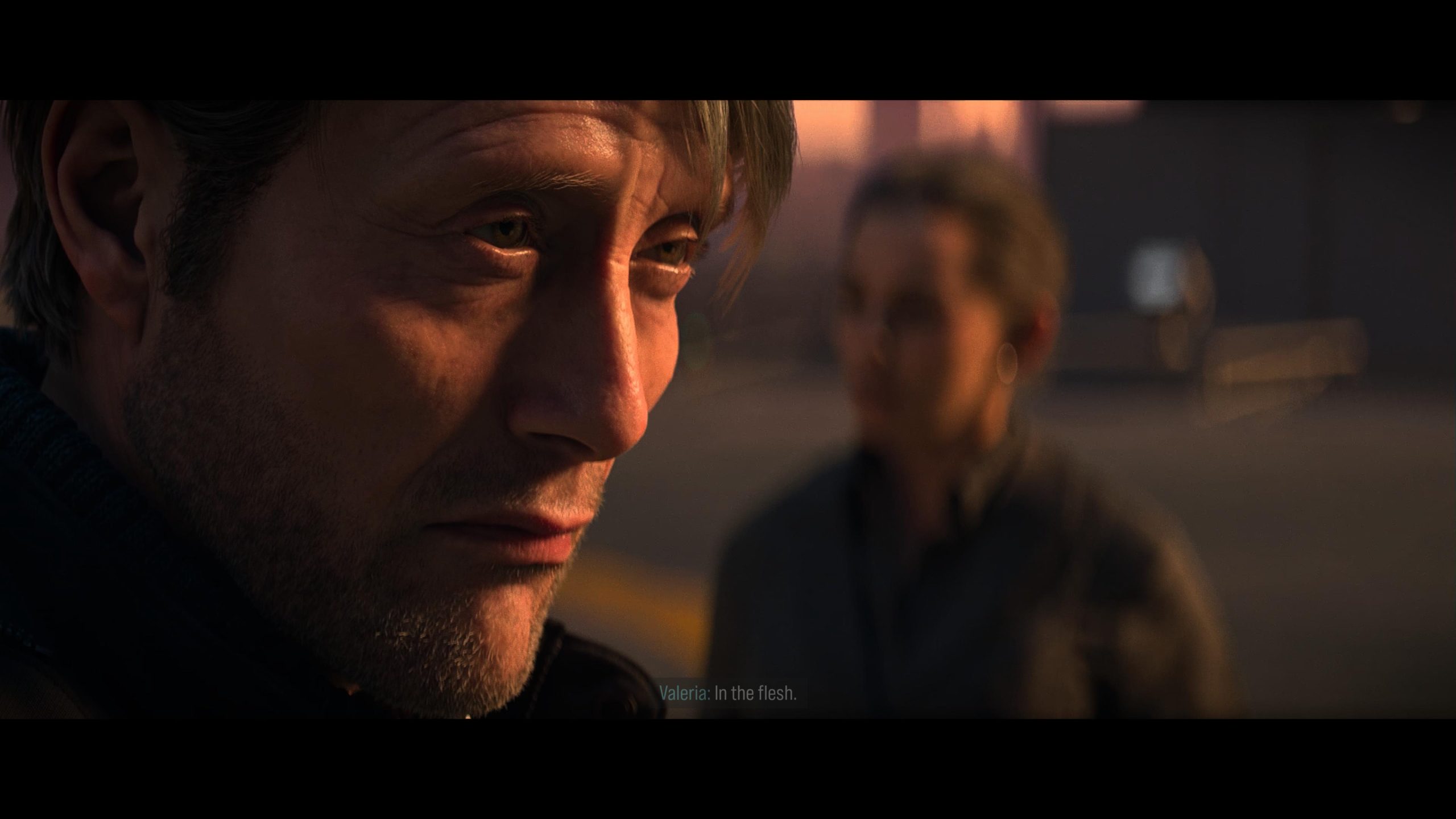
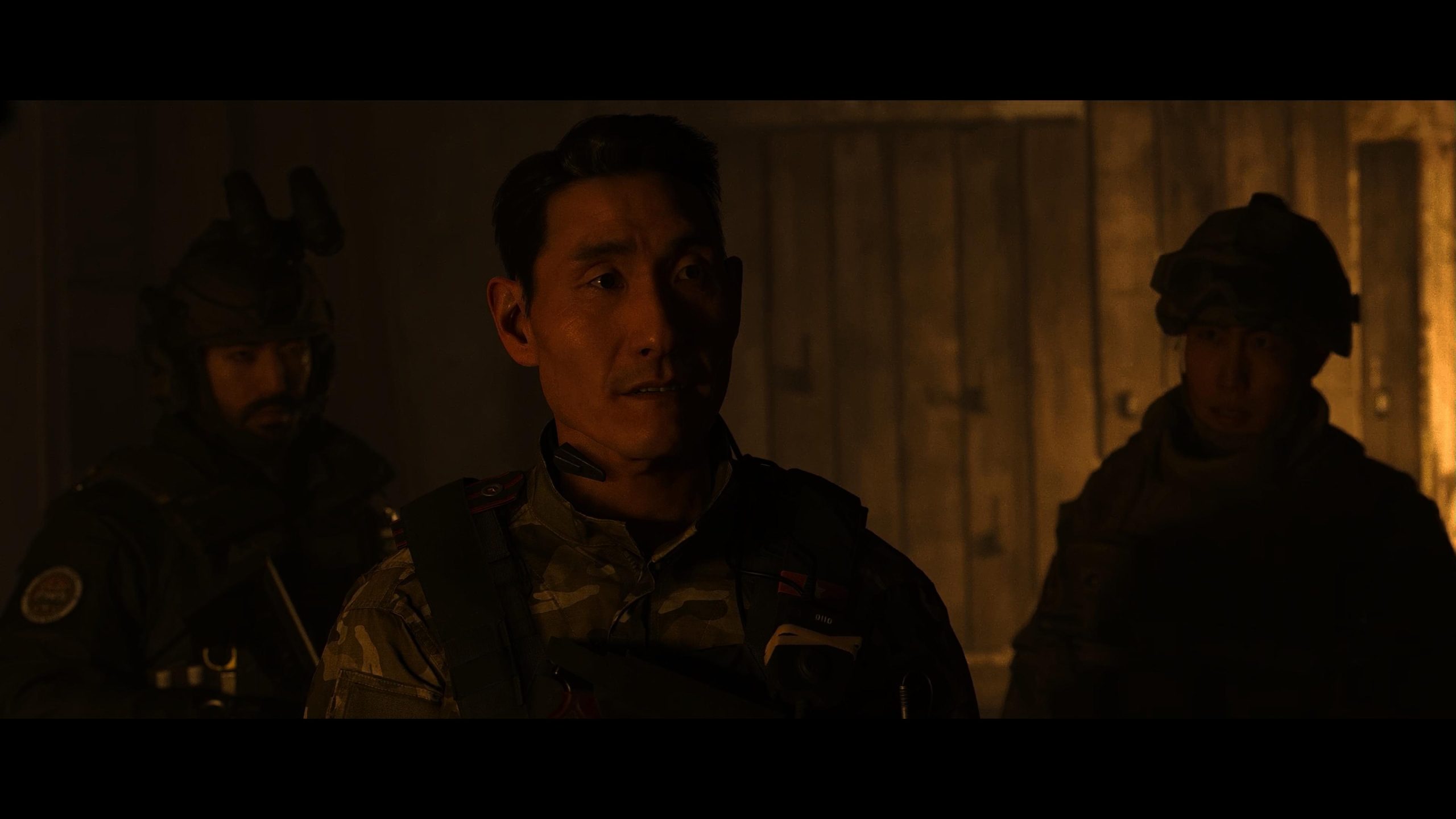
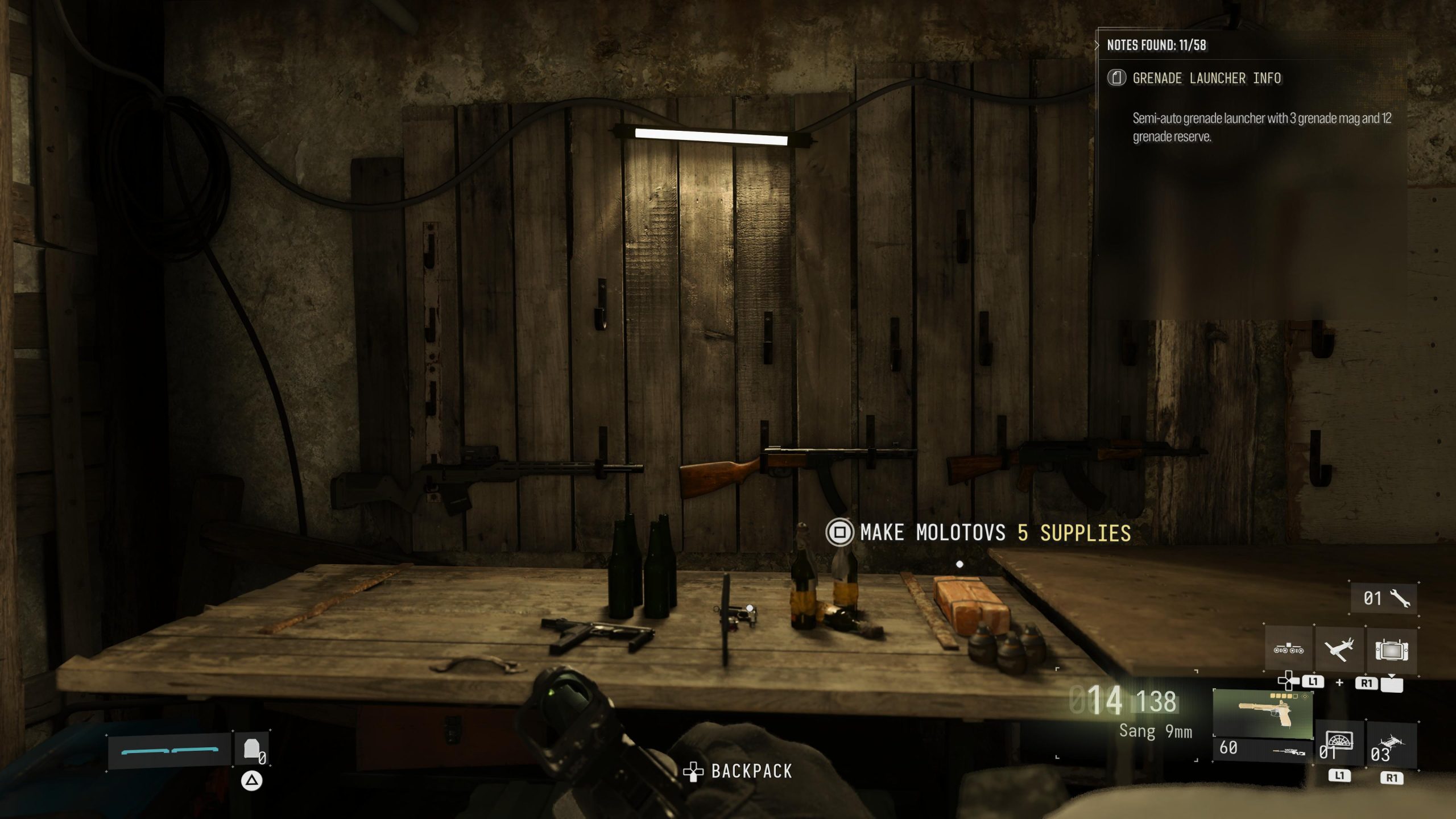
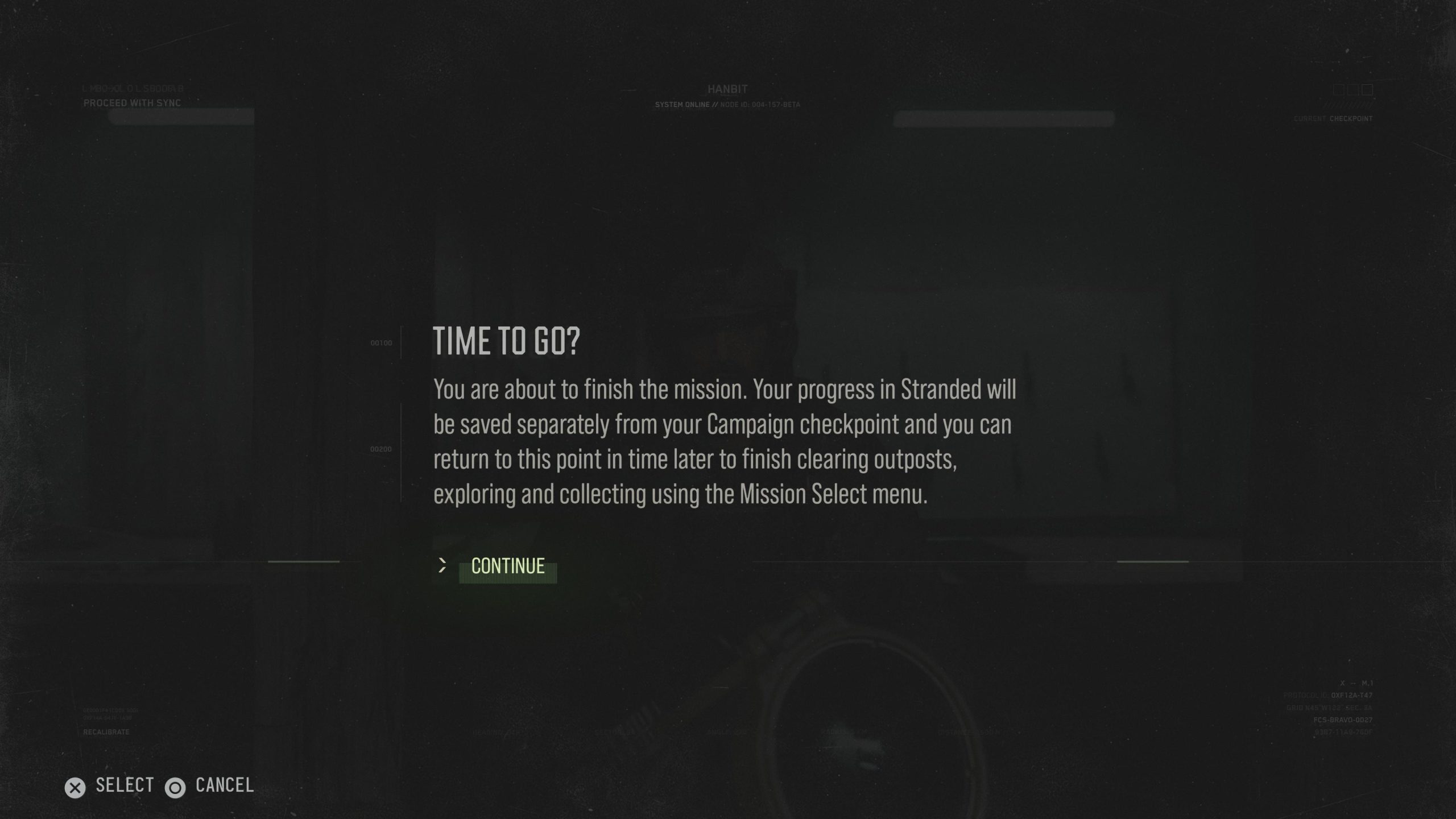
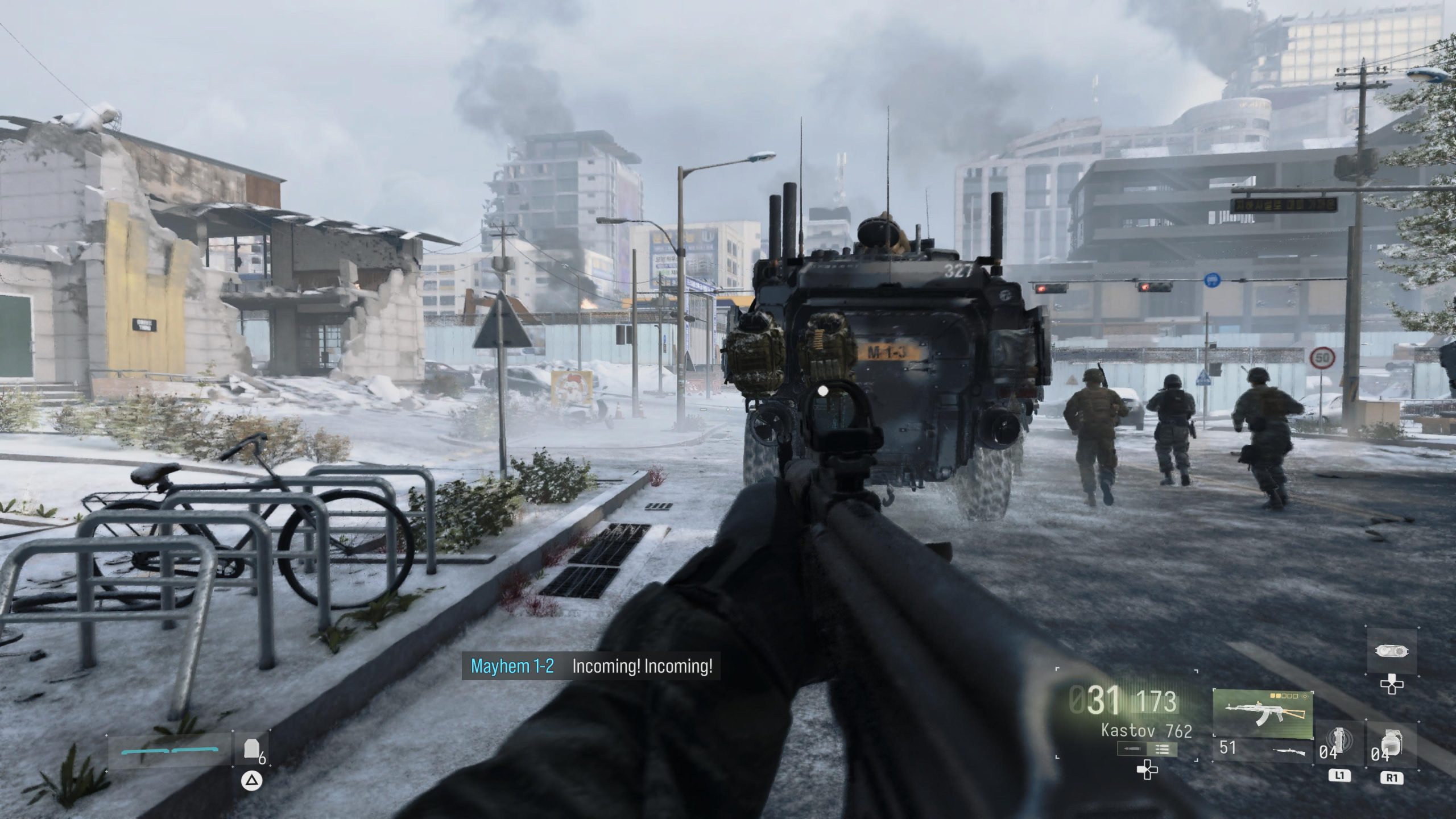
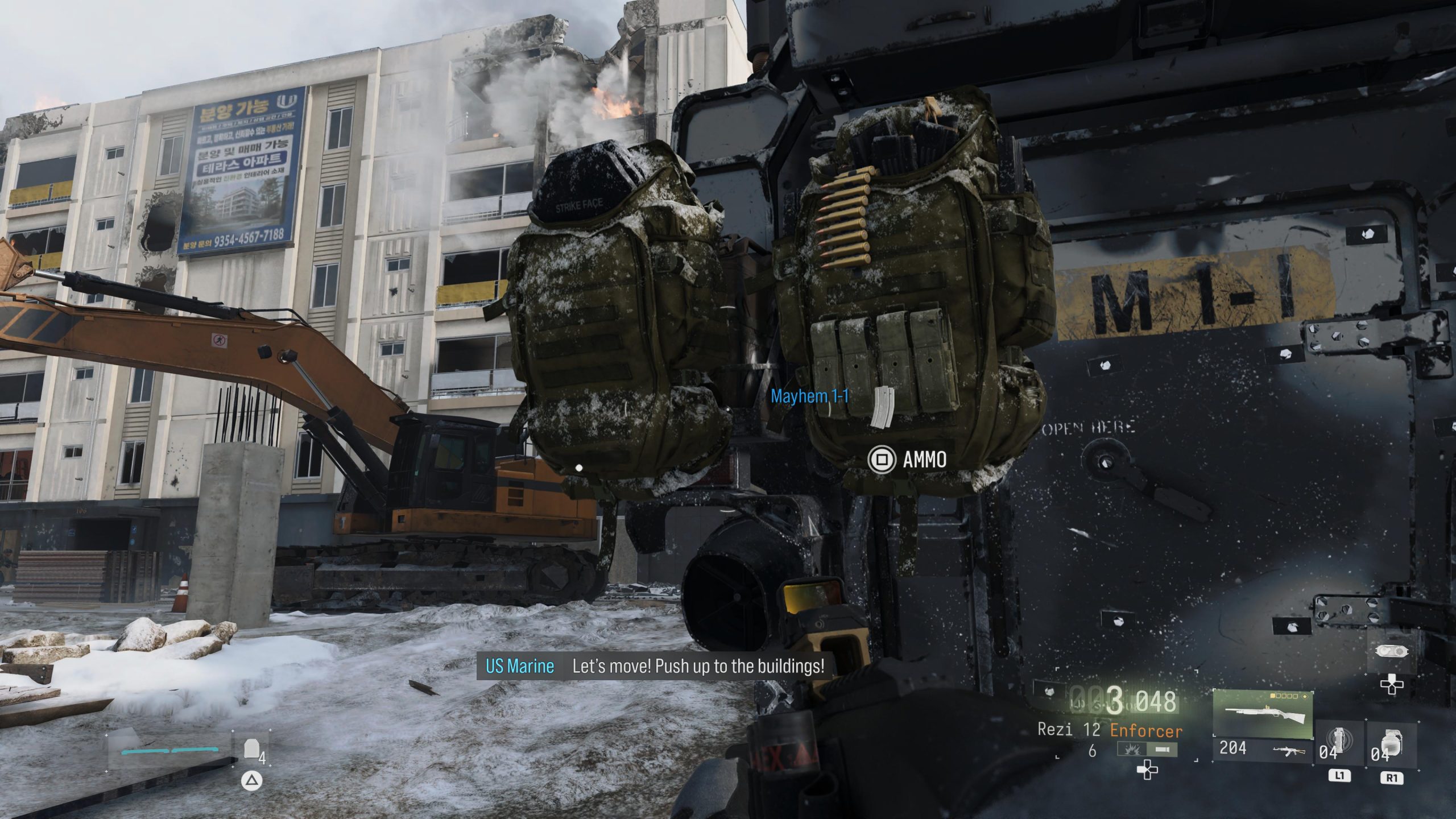
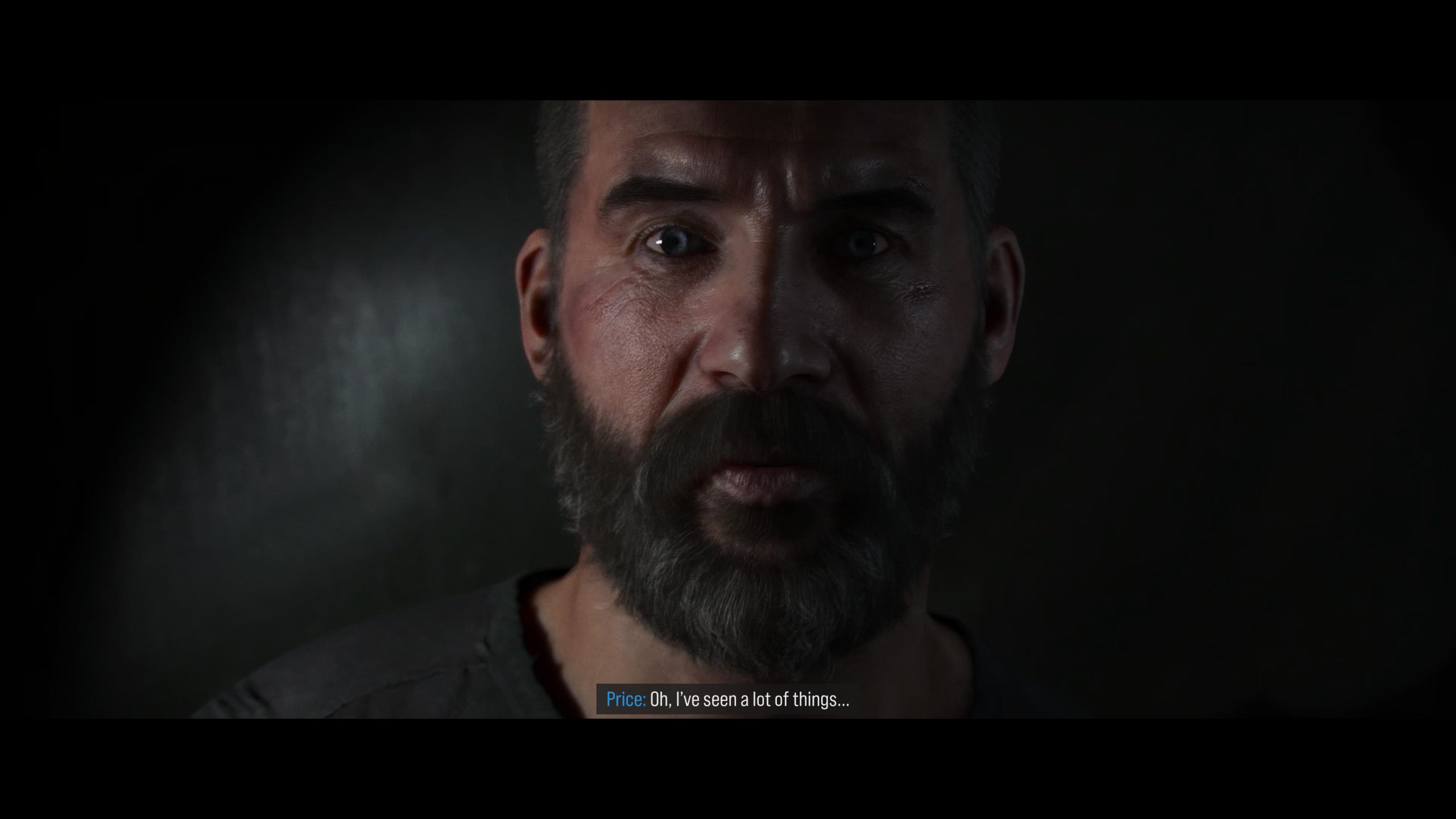
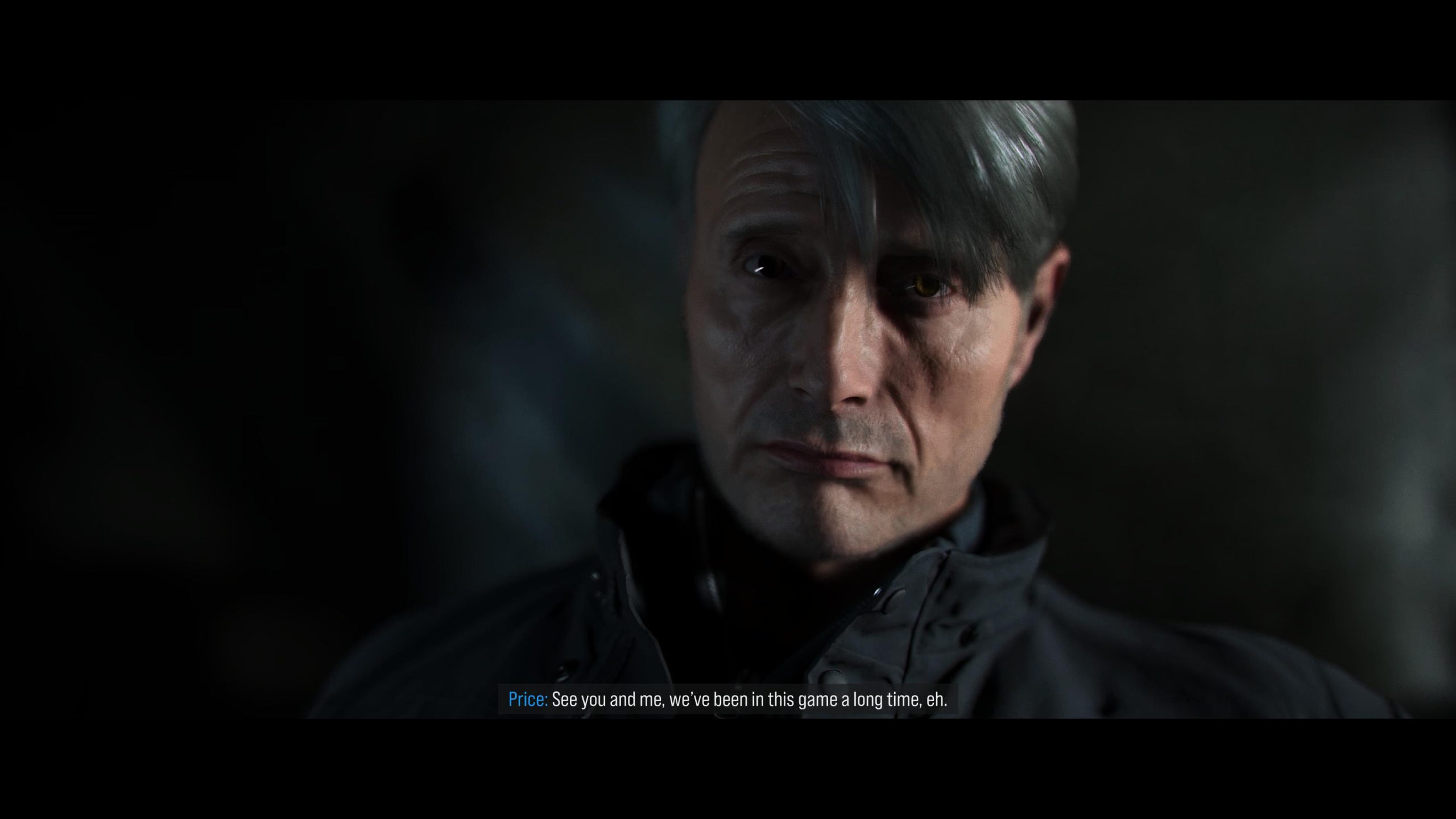

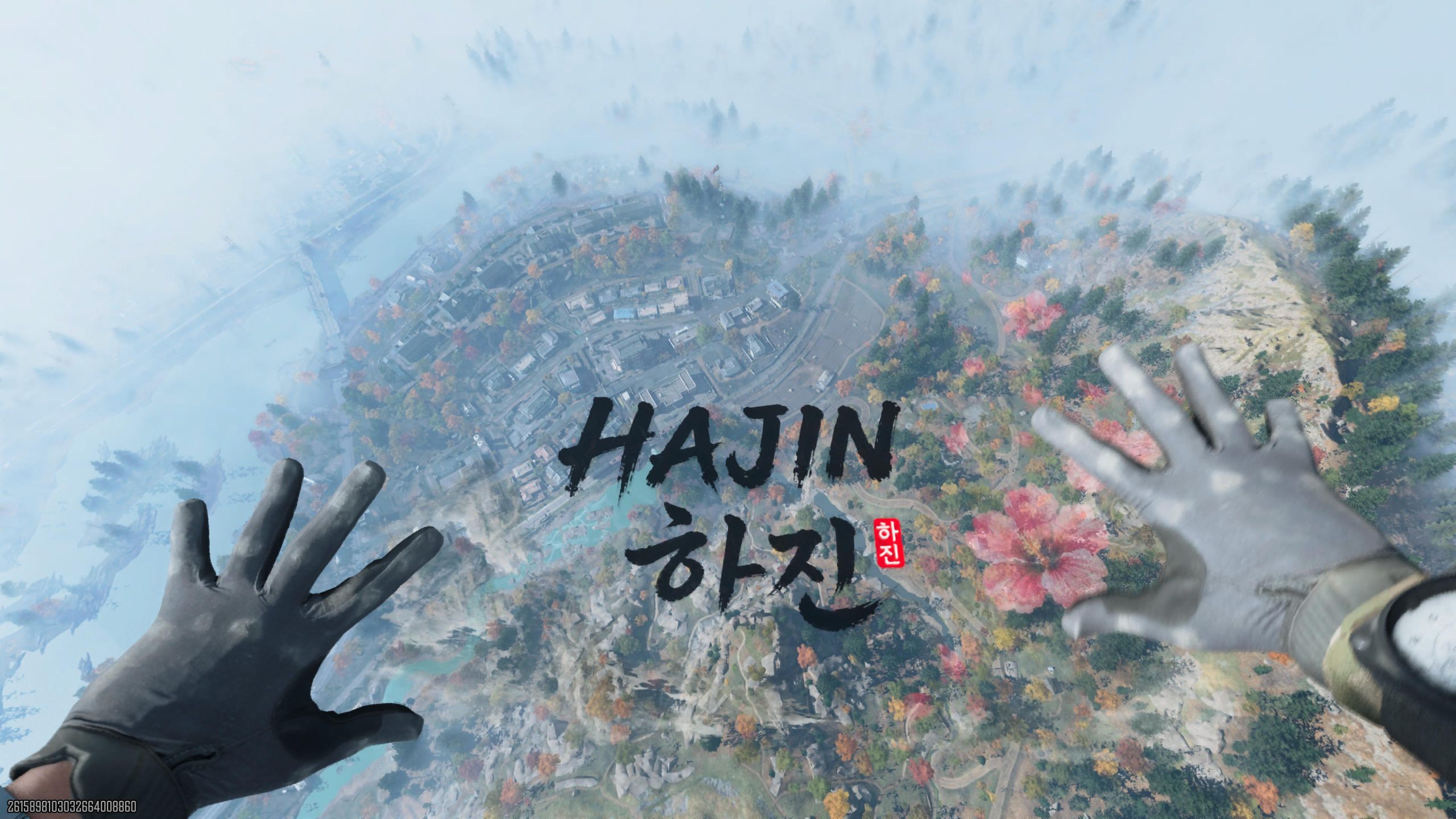
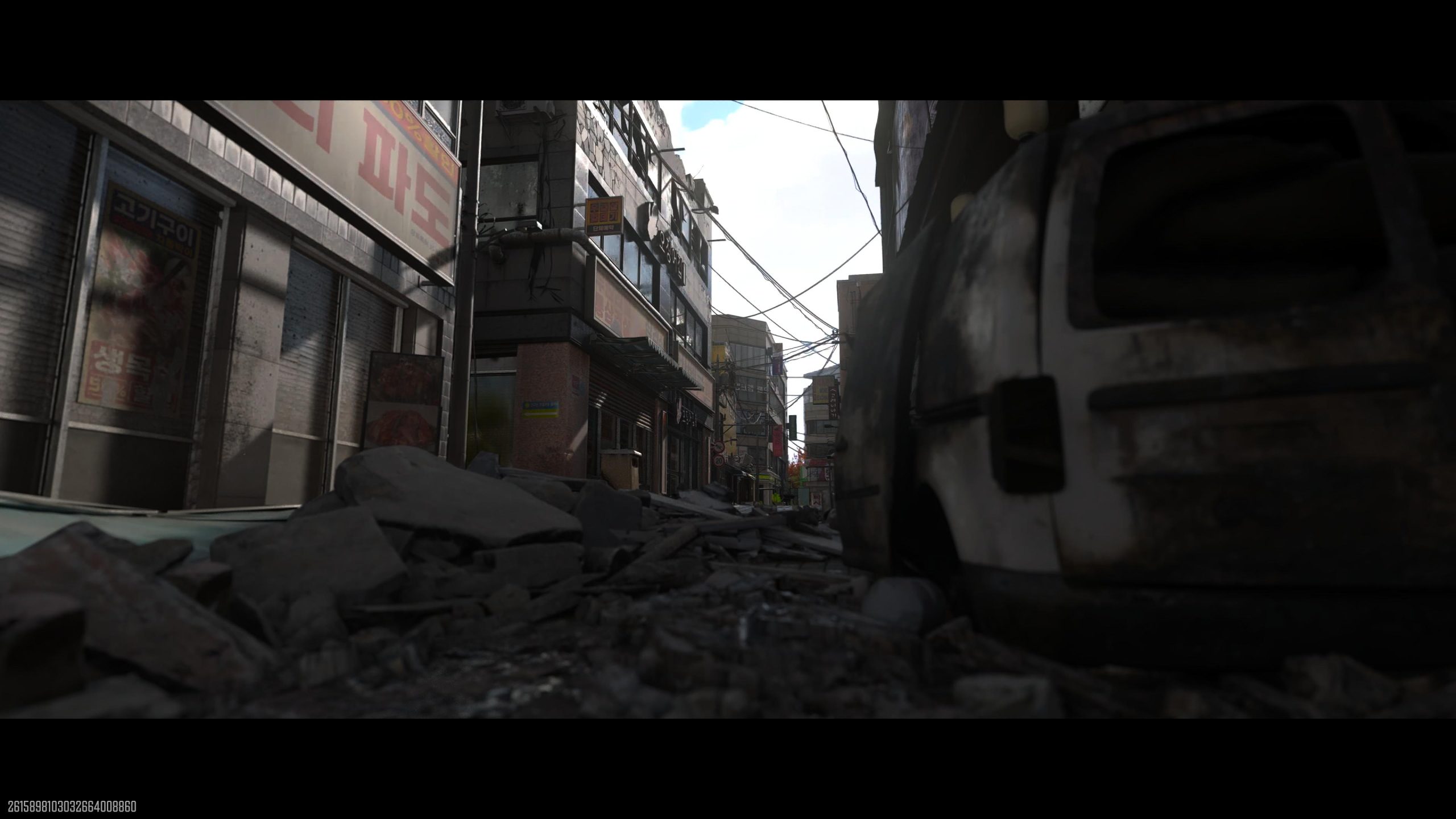
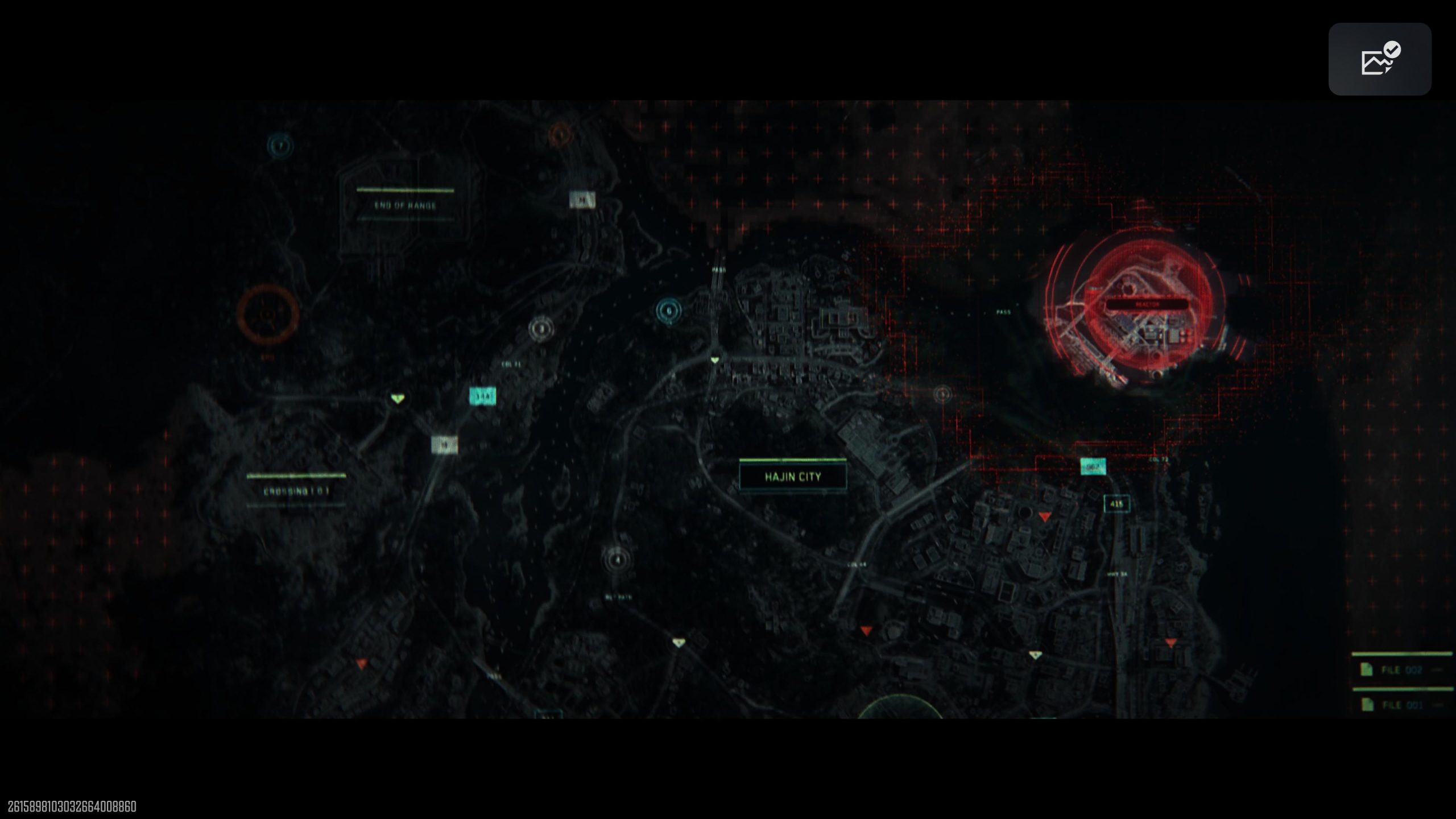
Across roughly sixteen missions the campaign balances cinematic set pieces with character-driven stakes, delivering what many consider one of the strongest single-player experiences in the series in years. It treats the Korean conflict with care while exploring the human cost of escalation, the weight of personal vendettas, and the global ripple effects of a regional war. Strong performances, visual fidelity, and a conclusive emotional payoff for the rebooted Modern Warfare arc give the campaign real weight, even if its length remains relatively concise and one open-ended survival segment feels optional.
DMZ: The Extraction Experience Reimagined
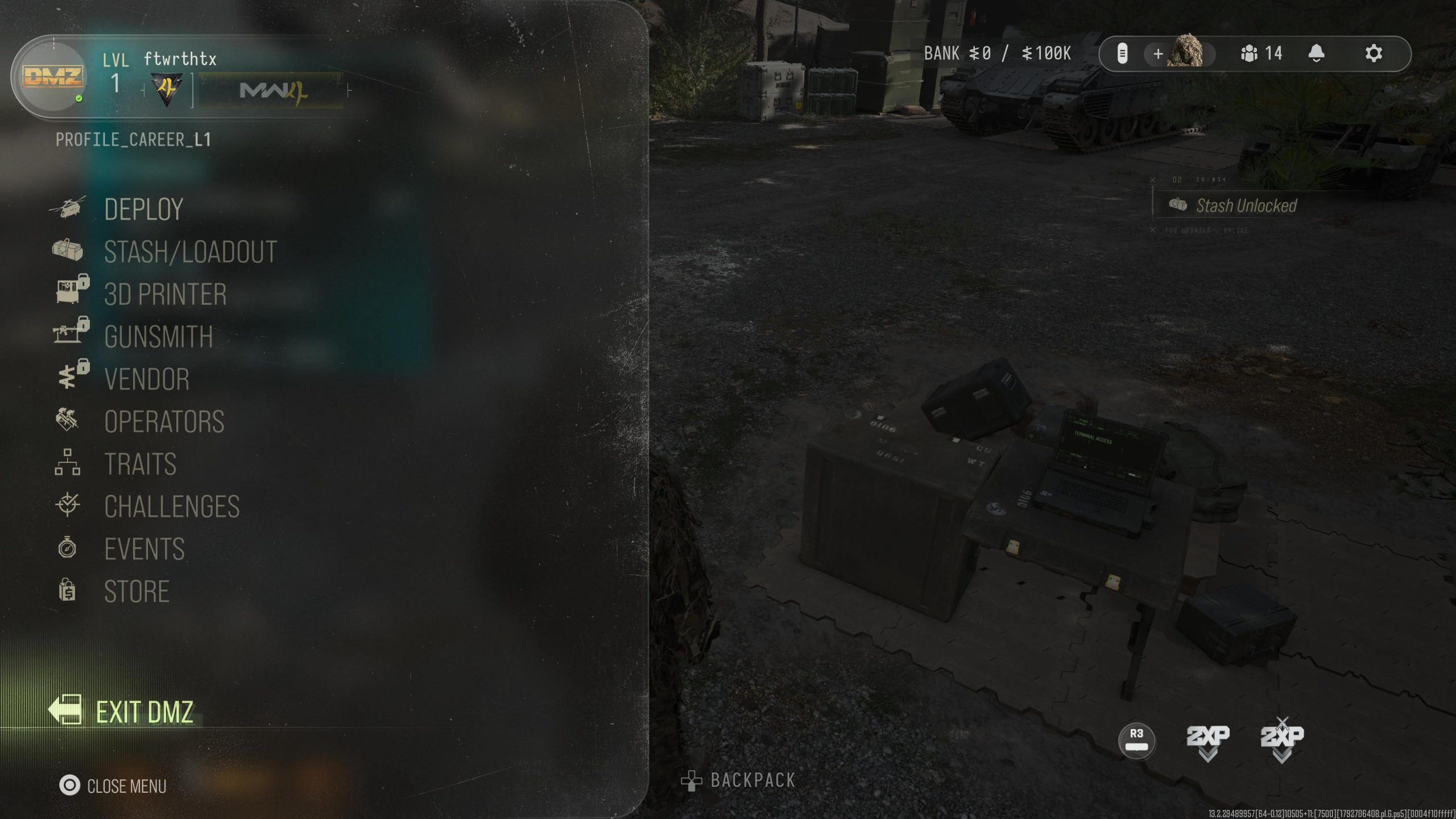
DMZ returns as a dedicated extraction mode set in the Hajin Exclusion Zone in the aftermath of the campaign events. Up to twenty squads of three operators deploy into the zone to scavenge advanced military technology, complete objectives, fight both AI threats and other players, negotiate or betray, and extract with whatever they can carry. Players can pursue structured Story Missions, randomized Dynamic Operations that reward cash, XP, and escalating supply drops, or simply Free Roam the map. A persistent Forward Operating Base acts as a home hub for loadout preparation, crafting, vendor interactions, and permanent Operator trait trees that unlock playstyle bonuses over time.
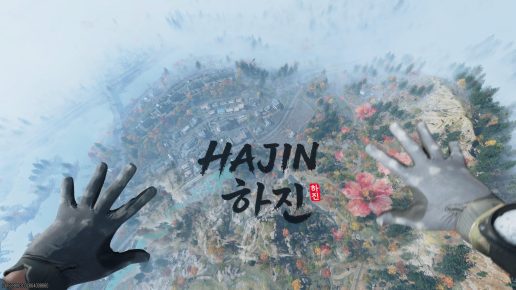
Dynamic weather, a notoriety system that marks aggressive players for others, and escalating intensity across each deployment create a living combat sandbox. The mode has evolved well beyond its earlier beta incarnation into a structured long-term experience with its own progression loops. While the balance between safer PvE learning and high-risk PvP encounters (where death can erase substantial progress) will shape its longevity, the foundation is strong. Planned seasonal expansions, including new map areas and endgame content, position DMZ as a substantial third pillar that gives players meaningful reasons to keep returning after the campaign ends.
Multiplayer: Grounded Precision and Fluid Combat
Multiplayer emphasizes grounded, precise gunfights built around a responsive movement system that lets players chain sprinting, sliding, mantling, climbing, hanging, and shimmying while retaining control and momentum. It feels more fluid than the more restricted movement of Modern Warfare II without adopting the extreme omnimovement of recent Black Ops titles. Ballistic Authority technology underpins the gunplay, unifying aiming, physical weapon handling, audio, visibility, and shot feedback so that every bullet behaves consistently with no bloom or guesswork. The result is combat that rewards aim, positioning, and decision-making over pure movement spam.
At launch players get twelve all-new core 6v6 maps set in varied environments, dedicated Gunfight maps, large-scale Ground War and Big War maps supporting vehicle and infantry play, and the dynamic Kill Block map that reconfigures across hundreds of layouts. The overall pace sits between the slower tactical feel of earlier Modern Warfare entries and the hyper-mobility of recent futuristic titles, creating a skill gap that still allows expressive play. While the initial 6v6 map count is modest and long-term matchmaking balance remains a familiar franchise concern, the core systems, weapon feel, and mode variety provide a solid competitive foundation that complements the campaign’s narrative weight and DMZ’s high-stakes extraction loops.
Nintendo Switch 2: Portable Warfare with Impressive Audio and Graphics
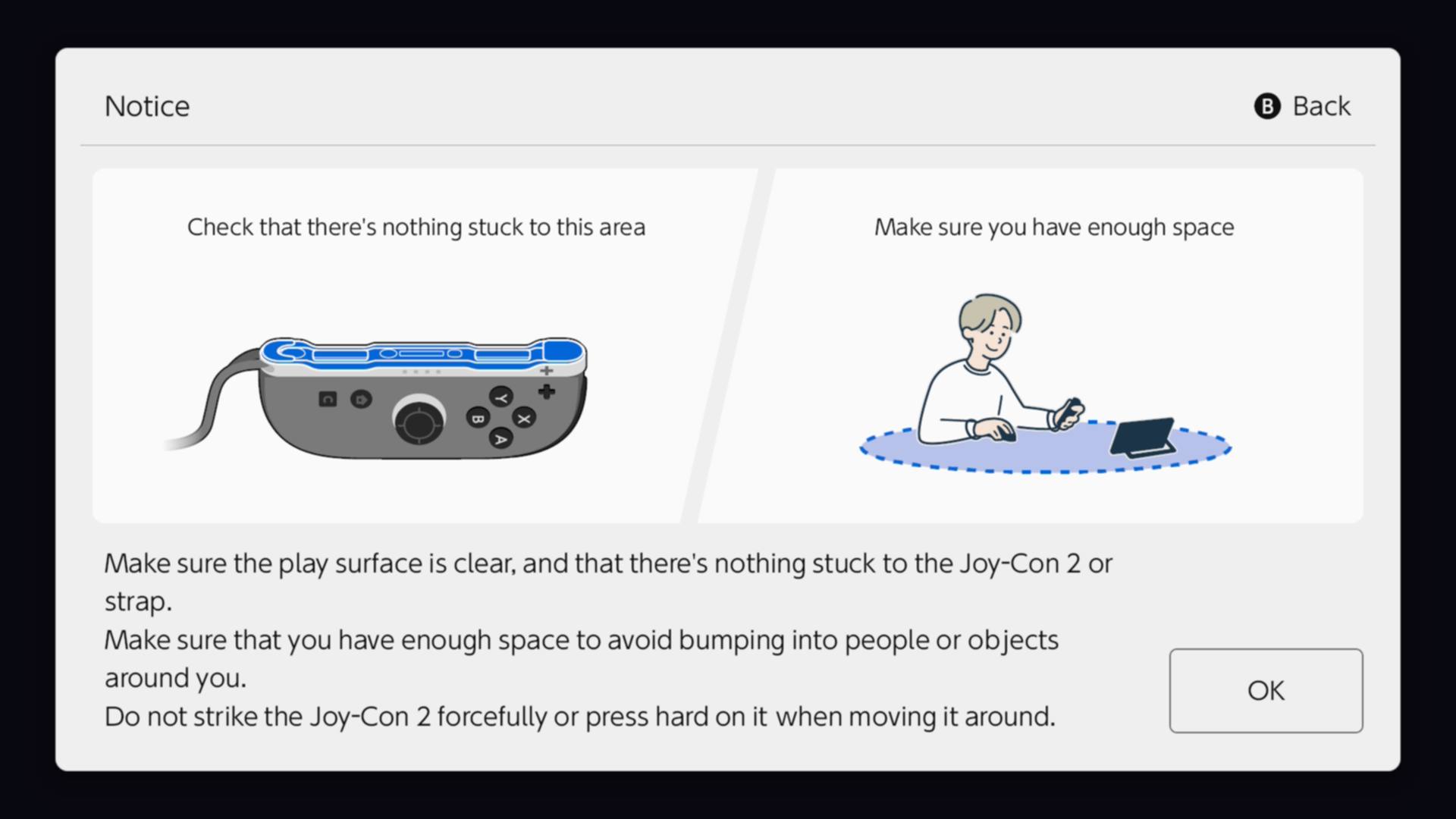
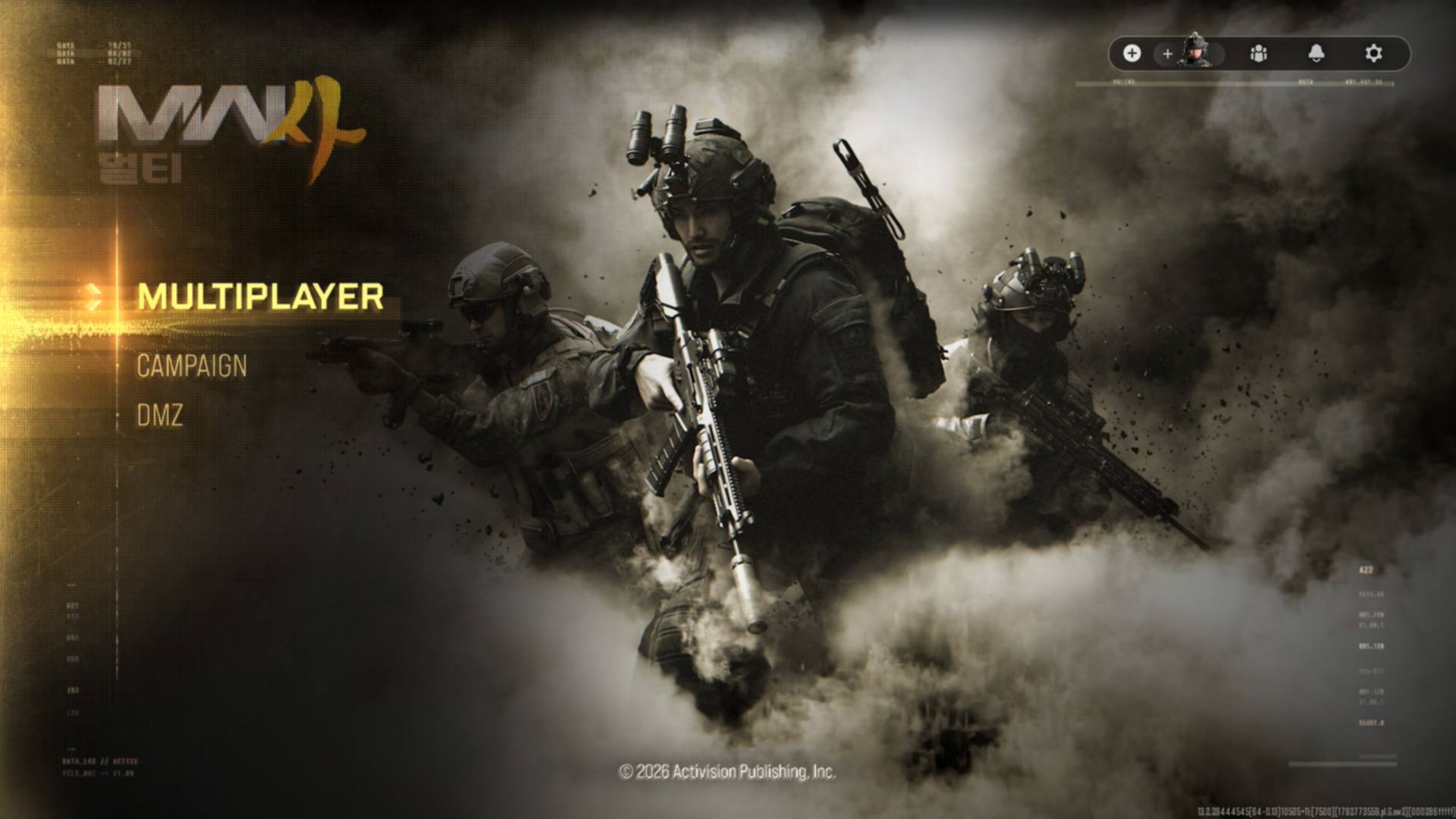
Modern Warfare 4 marks Call of Duty’s return to a Nintendo platform after more than a decade, and Digital Legends’ Switch 2 port brings the full campaign, multiplayer, and DMZ experience with cross-play and optional Joy-Con 2 mouse support. Graphics hold up remarkably well for the hardware: the campaign targets a smooth 30 fps with detailed environments, strong lighting, and convincing particle effects that still sell the intensity of trench warfare and city assaults. Upscaling options including NVIDIA DLSS deliver cleaner edges, sharper textures, and better foliage and surface definition compared to the alternative SMAA path, making docked play look sharper than early skepticism suggested while handheld remains fully playable despite lower resolution and some texture compromises.

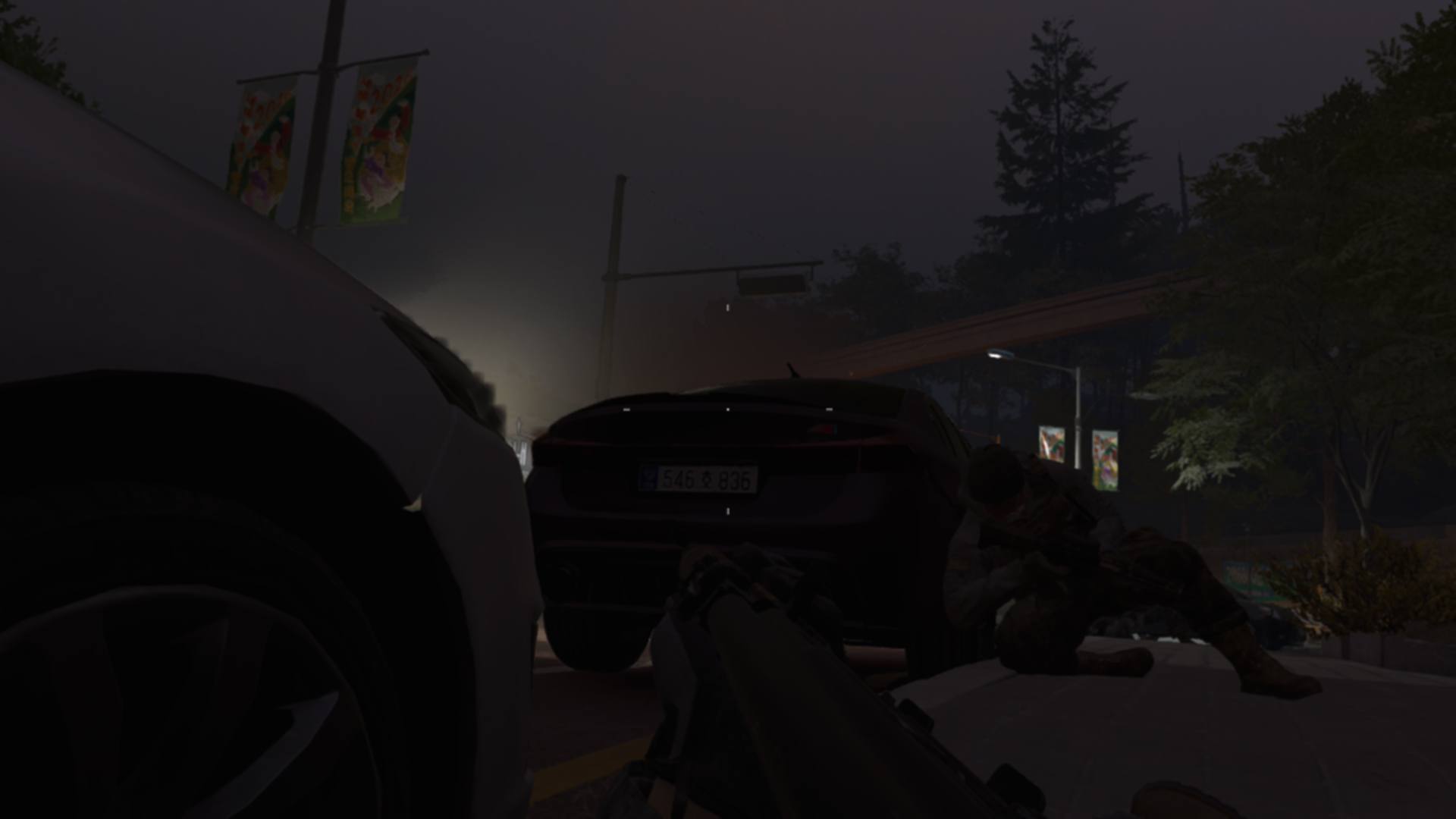
Audio is a particular strength that helps the port punch above its visual weight. Gunfire, explosions, and environmental sounds retain the series’ signature punch and directional clarity, with voice performances and ambient layers coming through cleanly even on the system’s built-in speakers or headphones. The combination of solid positional audio and the responsive gunplay means the core “feel” of a Call of Duty match survives the technical trade-offs, whether you’re grinding multiplayer at a targeted 60 fps docked or working through the campaign’s set pieces on the go. It is not a visual equal to the PS5 or PC versions, but it is a fully featured, immersive package that finally lets Switch owners experience modern Call of Duty without major compromises to the sound design that sells the chaos.
In Conclusion
Call of Duty: Modern Warfare 4 succeeds by returning to what Call of Duty does best when given room to breathe: a cinematic campaign rooted in real-world tensions, a tense extraction mode with lasting progression, and multiplayer that prioritizes precise gunplay over spectacle. The Korean Peninsula conflict and Price’s personal war give the story genuine stakes, while DMZ and the refined multiplayer systems provide substantial reasons to stay long after the credits roll. Even the Switch 2 version proves the package can travel without losing its core identity.
It is not free of the series’ familiar long-term questions around map volume and matchmaking, but the overall execution feels like a confident send-off for the rebooted Modern Warfare era. For players who have been waiting for a Call of Duty that feels complete rather than rushed, this is the one that delivers.
10
Call of Duty: Modern Warfare 4 review code provided by publisher and reviewed on a PS5. For more information on scoring, please read What our review scores really mean.