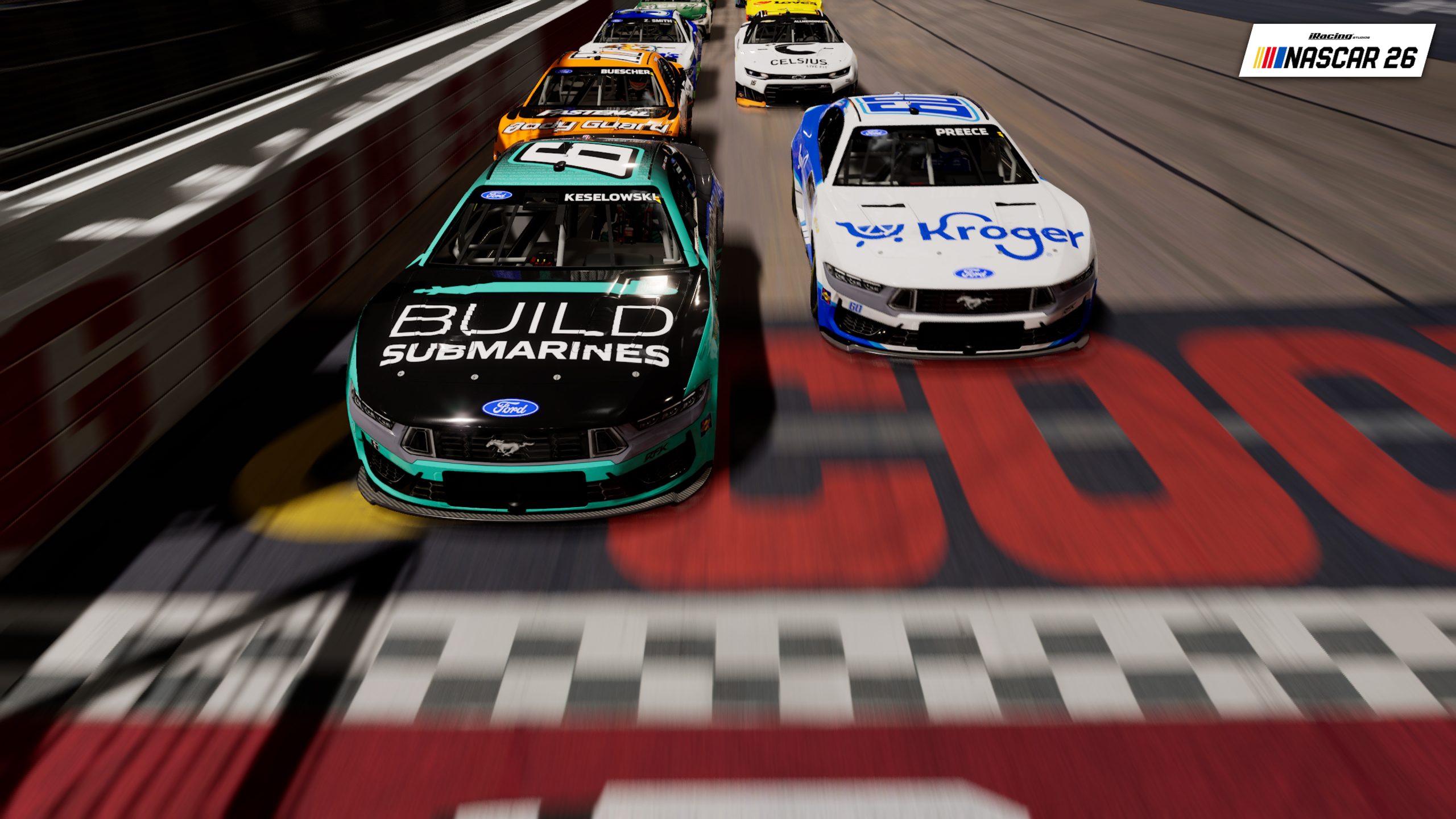
The smell of rubber on asphalt and the roar of a 750-horsepower engine never really leaves a NASCAR fan, and iRacing Studios is betting that same pull will bring players back for another lap around the oval in NASCAR 26.
NASCAR 26 arrives as the direct follow-up to last year’s console effort, promising refined physics, evolving track surfaces, new training tools, and a dedicated way to jump into the championship fight. With full cross-play and laser-scanned venues in the mix, the question is how far those changes push the experience beyond simply putting a faster, more detailed car on the same tracks.
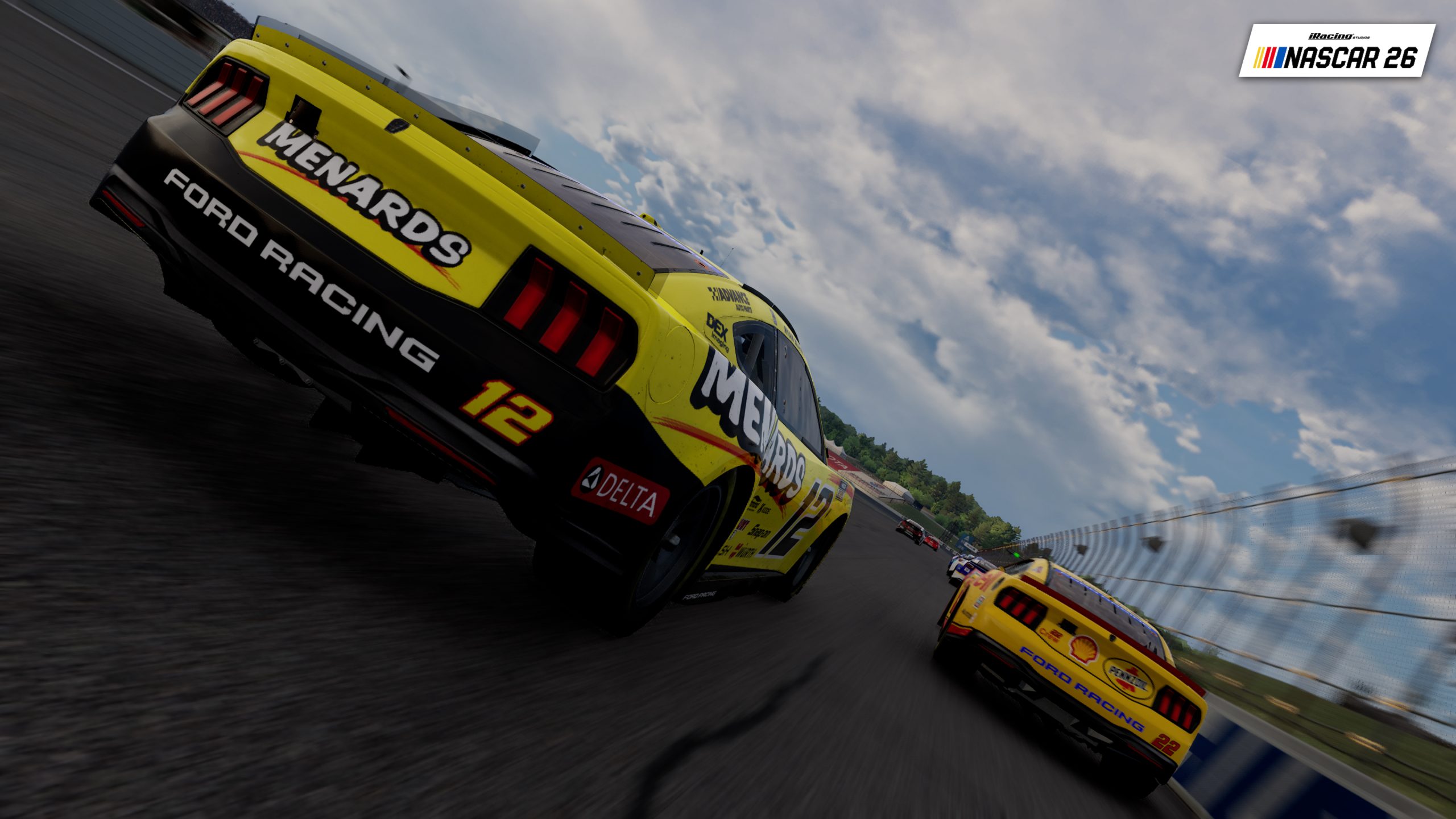
Whether you are looking for a quick weekend of racing or a longer climb through the series, the game lays out a clear set of modes and systems to explore. What follows is a look at how it actually feels behind the wheel, how it looks and sounds on PS5, and what the single-player and online options deliver once the green flag drops.
Physics
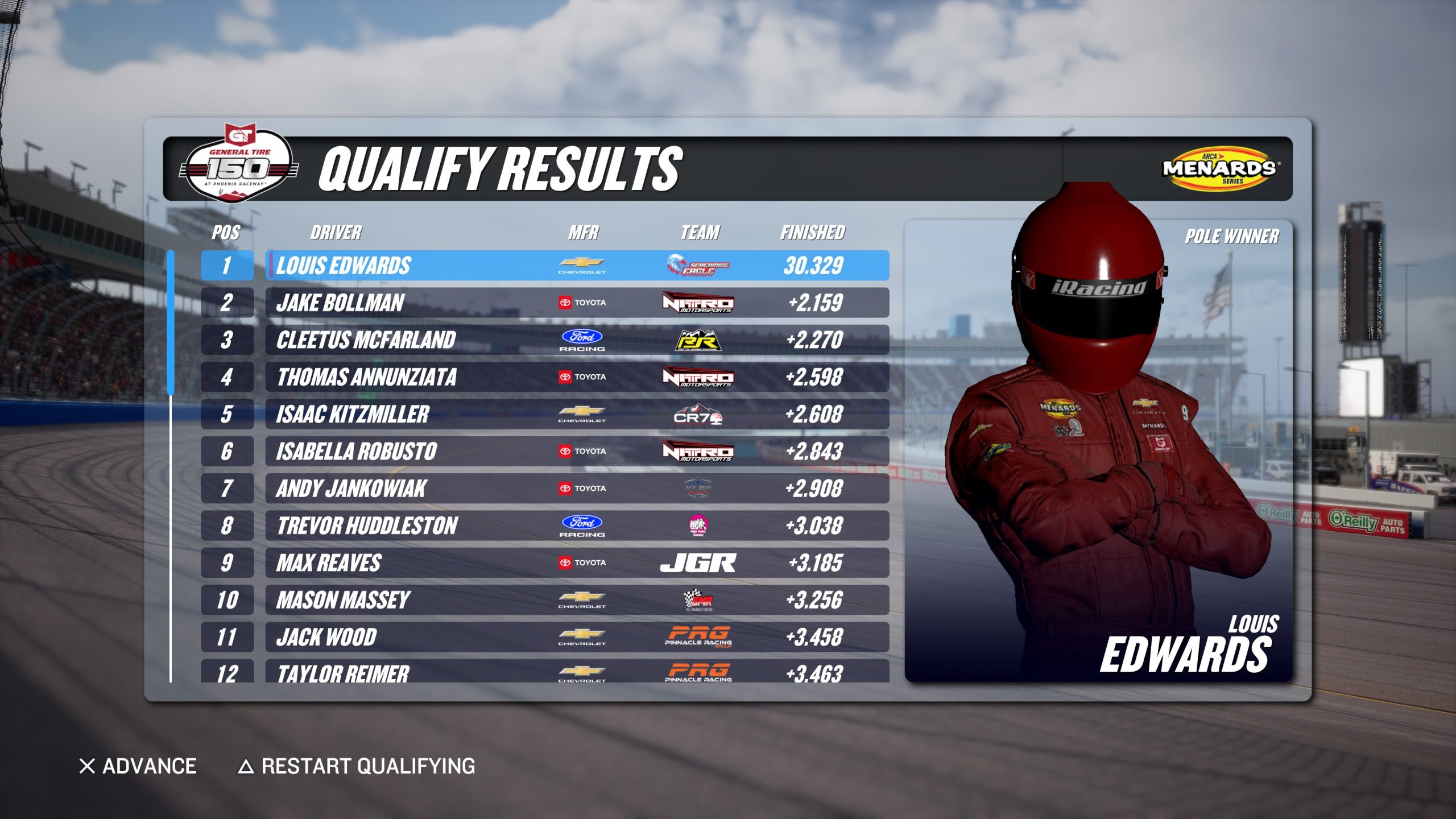
NASCAR 26’s driving model feels like a meaningful step forward from its predecessor, thanks to the overhauled tire and braking systems that demand more precision on every corner entry and exit. The cars carry a convincing sense of weight—roughly a ton and a half of stock-car bulk—and the rear end will step out if you get greedy with throttle or fail to manage brake bias properly. Dynamic Track is the standout addition: rubber builds across the racing surface over the course of a race weekend, gradually shifting grip levels and preferred lines so that a groove that worked in practice can feel completely different by the closing stages. Short tracks punish early, while superspeedways reward drafting awareness and patience in a way that finally feels closer to the real sport.
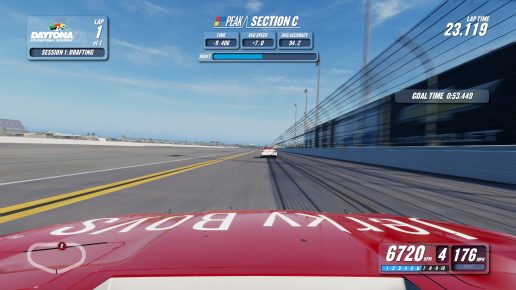
On the PS5 DualSense the feedback is solid without being transformative. Adaptive triggers give a useful sense of brake pressure and throttle modulation, though the game still stops short of fully exploiting the controller’s more advanced features. Wheel support is excellent for those who prefer it, and the overall package sits in a comfortable middle ground—more demanding than pure arcade racers yet more approachable than a full iRacing session. Setup options (wedge, spring rates, tire pressures, camber) let experienced players dig deeper, while simpler assists keep things welcoming for newcomers. The result is racing that rewards consistency and punishes carelessness without becoming frustratingly opaque.
Graphics
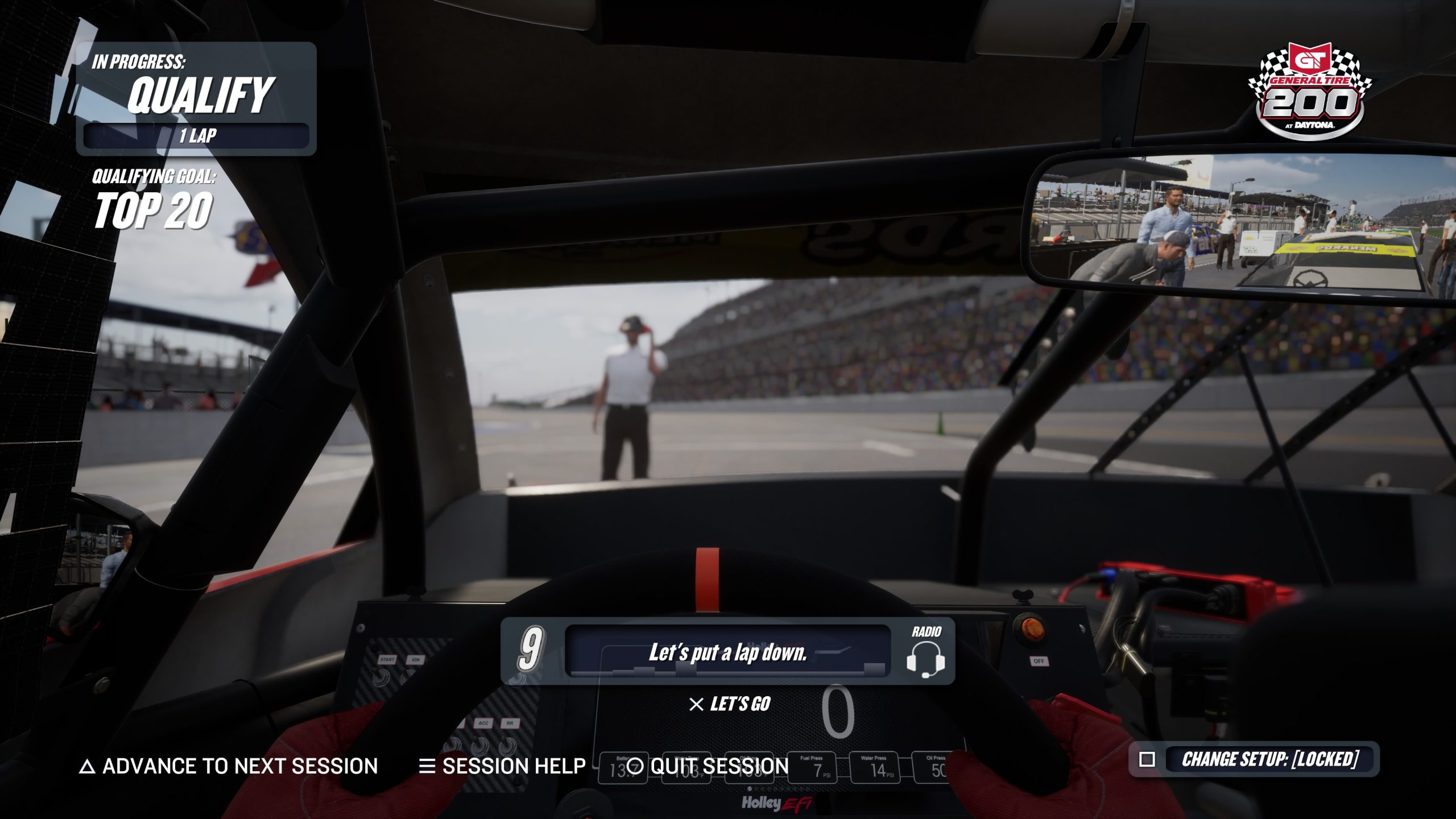
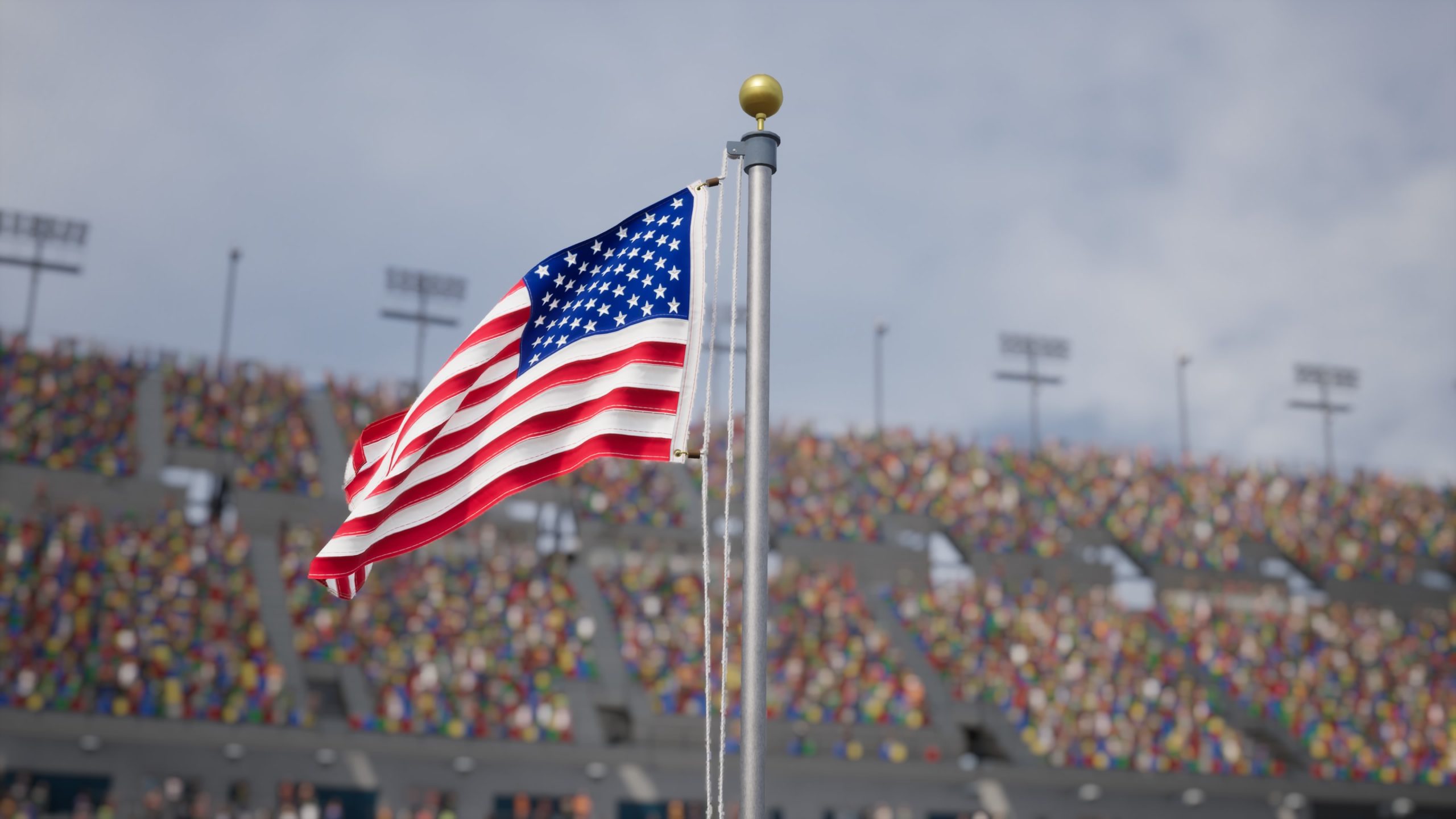
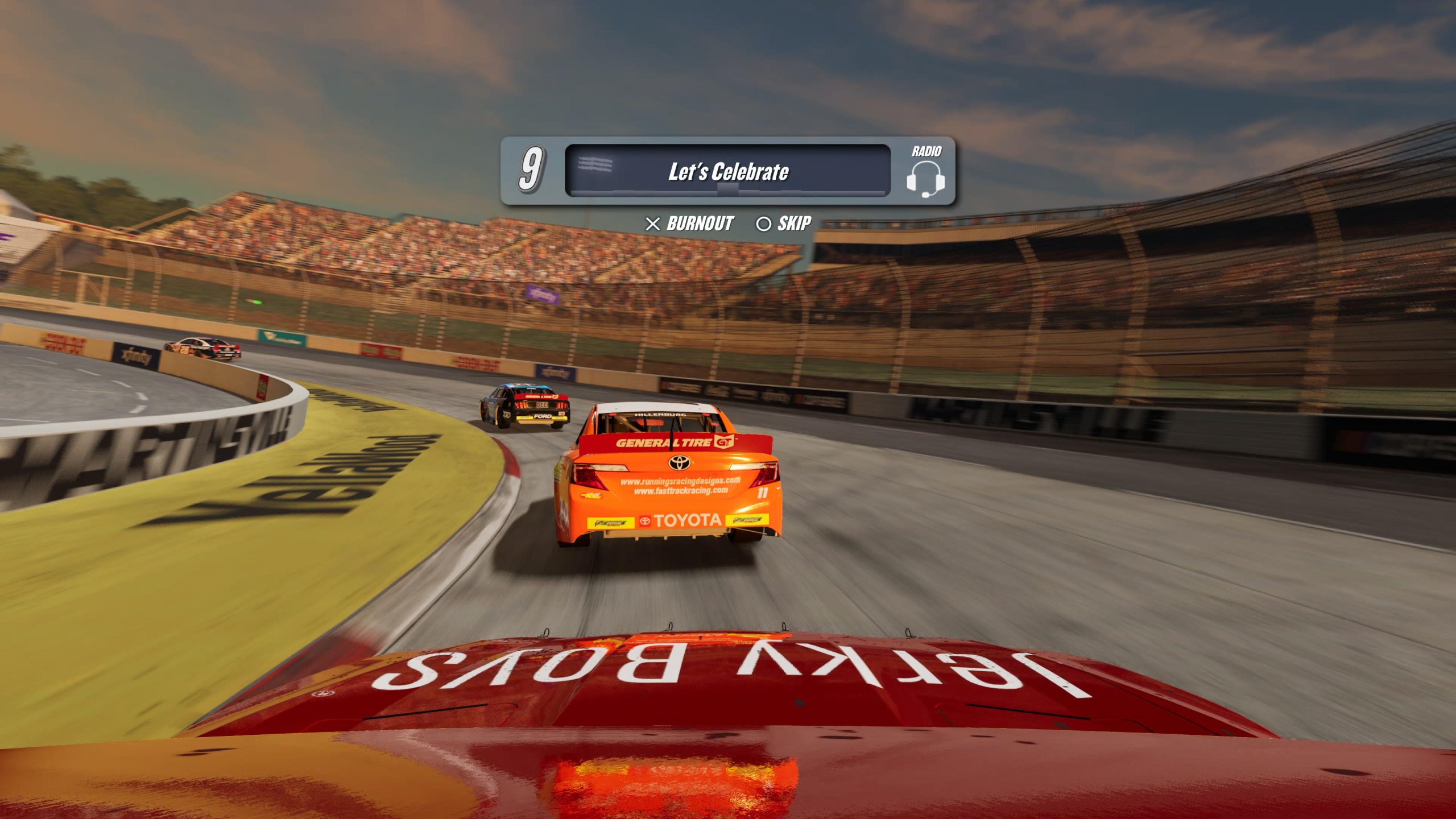
Visually, NASCAR 26 is a clear upgrade, especially in lighting and atmosphere. Dynamic sky domes, improved motion blur, and better track illumination make day-to-night transitions and night races more immersive, while laser-scanned venues deliver accurate banking and surface detail that you can feel under the tires. Grandstand crowds appear more three-dimensional than the flat cutouts common in older sports titles, and the enhanced particle system for smoke, debris, and burnouts adds welcome spectacle after the checkered flag. On PS5 the game holds a steady 60 frames per second in most conditions, with the Pro version feeling particularly polished.
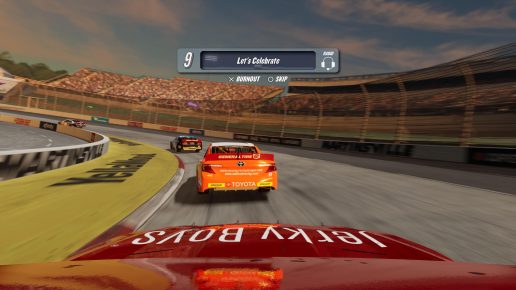
That said, the leap is evolutionary rather than revolutionary. Cockpit views and car models look clean and detailed, yet some environments and replay cameras still feel a step behind the absolute best in the racing genre. Track rubbering is present but subtle, and certain night lighting setups can look a little flat once you get used to the daytime clarity. Overall presentation is strong enough to sell the spectacle of a packed superspeedway or a tight short-track battle, even if it won’t redefine console racing visuals.
Audio
The sound design is one of the game’s consistent strengths. Engine notes carry real character across the different series and chassis, with the 750-horsepower packages delivering a deep, muscular roar that fills the speakers. Tire scrub, suspension impacts, and the constant chatter of the spotter (Freddie Kraft) create a convincing cockpit environment, especially when played with a decent sound system or headphones. Ambient race-day noise—crowds, engines on pit road, the occasional caution-related chatter—helps sell the scale of the event.
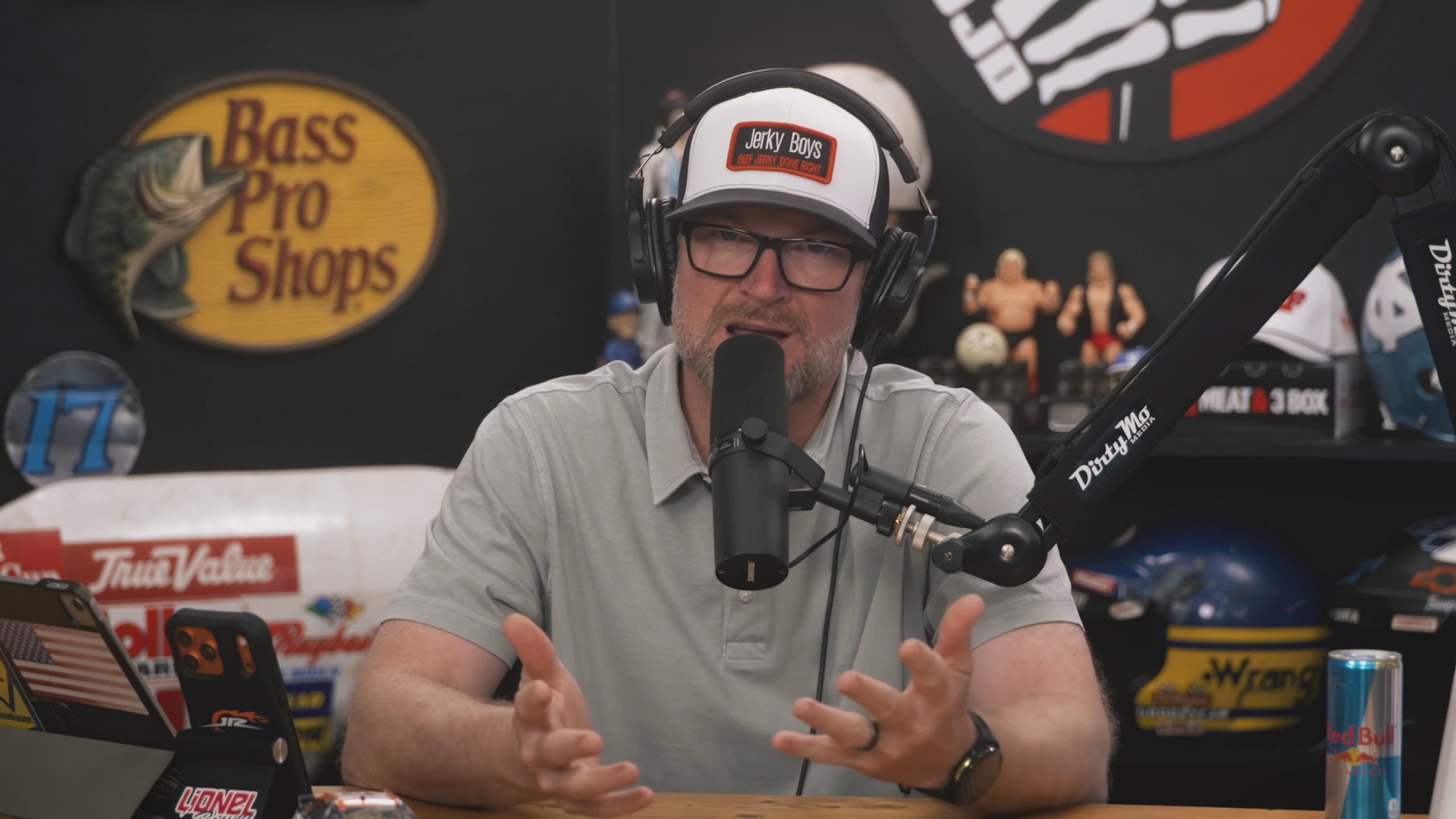
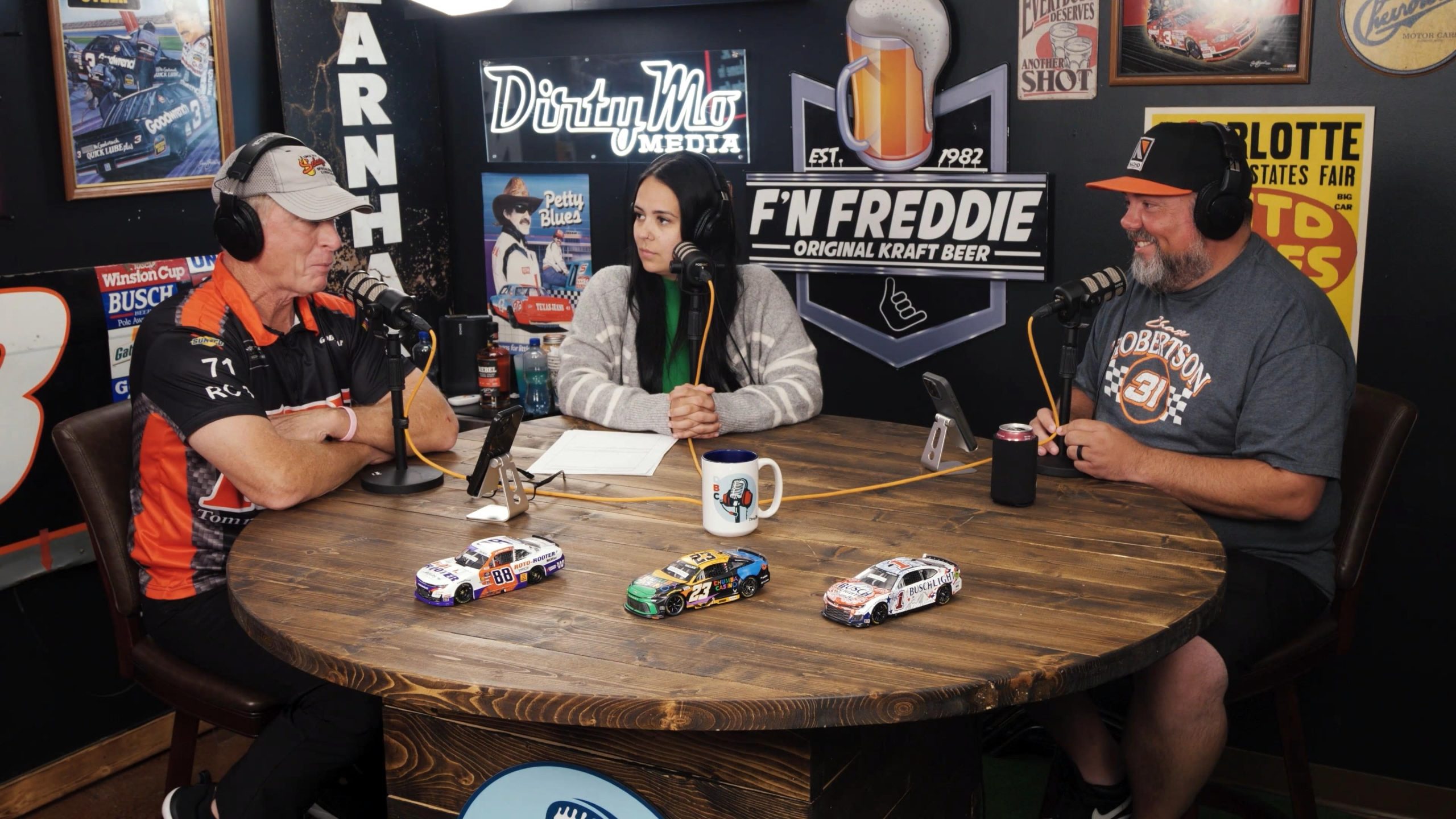
Podcast-style segments featuring real personalities (Dale Earnhardt Jr., TJ Majors, and the Door Bumper Clear crew) add flavor during career weekends, offering commentary that feels tied to the sport rather than generic filler. Volume mixing is generally clean, though some players will want to dial the engine slightly lower relative to the spotter to avoid missing critical calls. The audio package doesn’t reinvent the wheel, but it does an excellent job of keeping you immersed lap after lap.
Career Mode
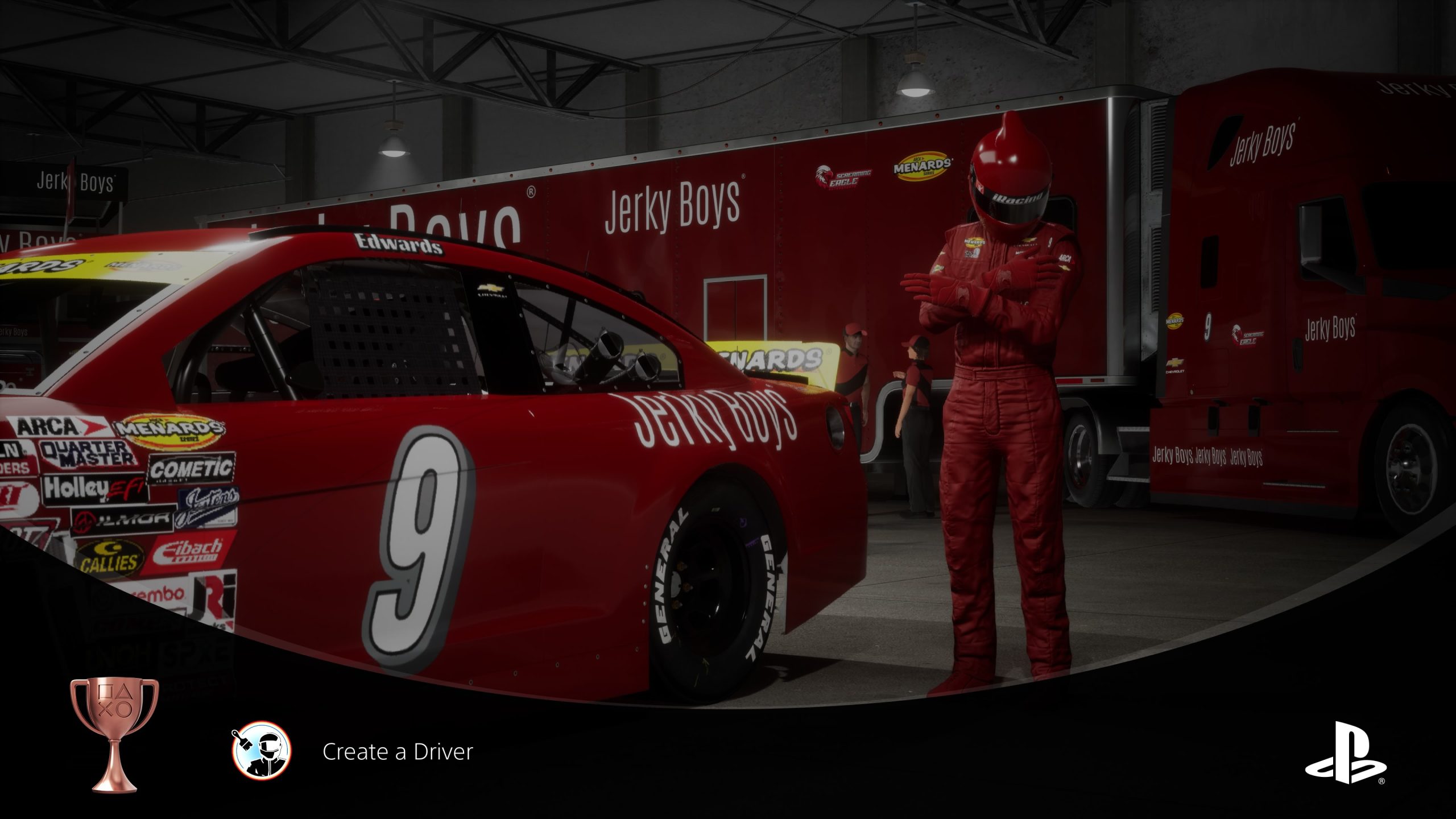
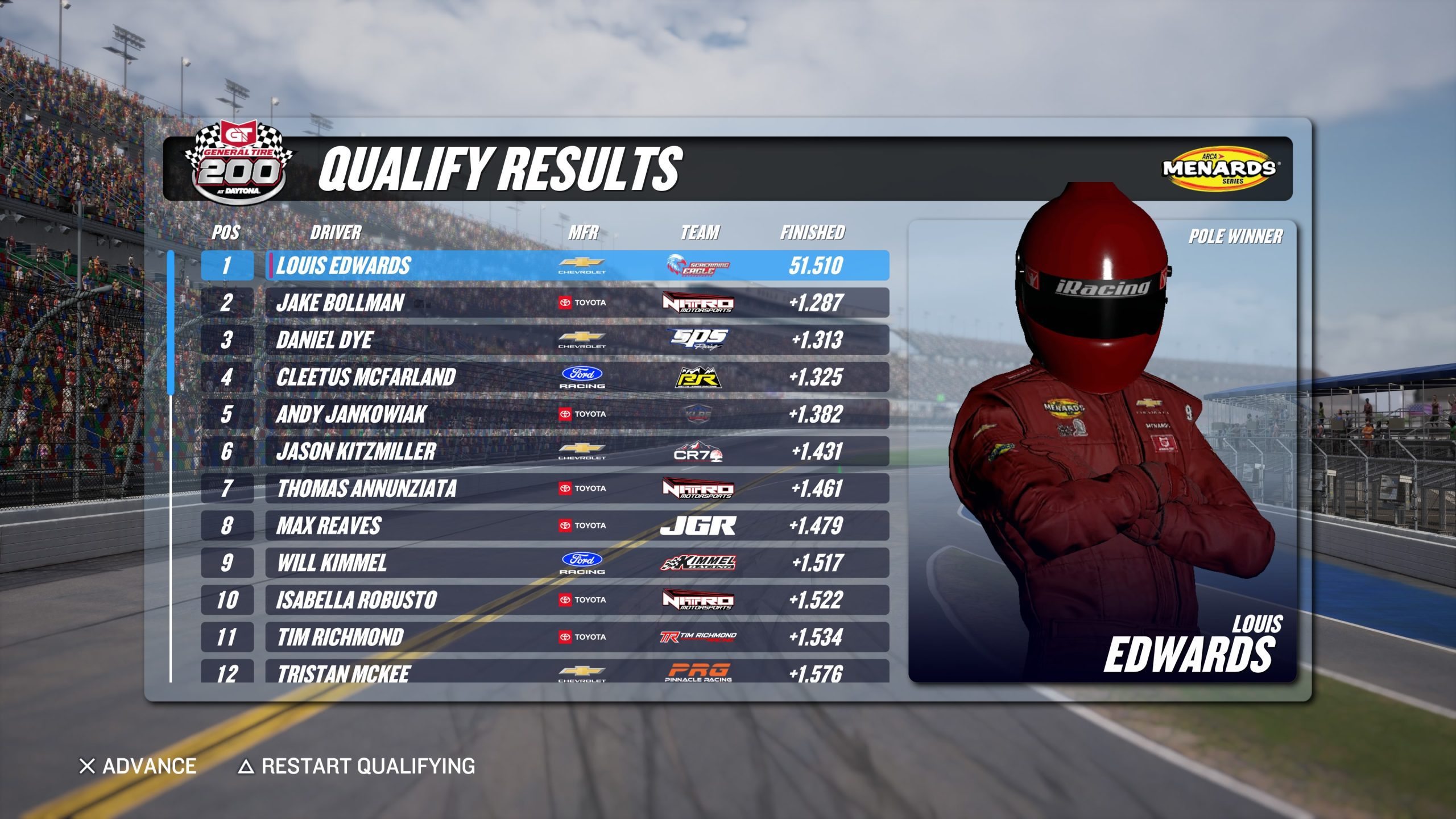
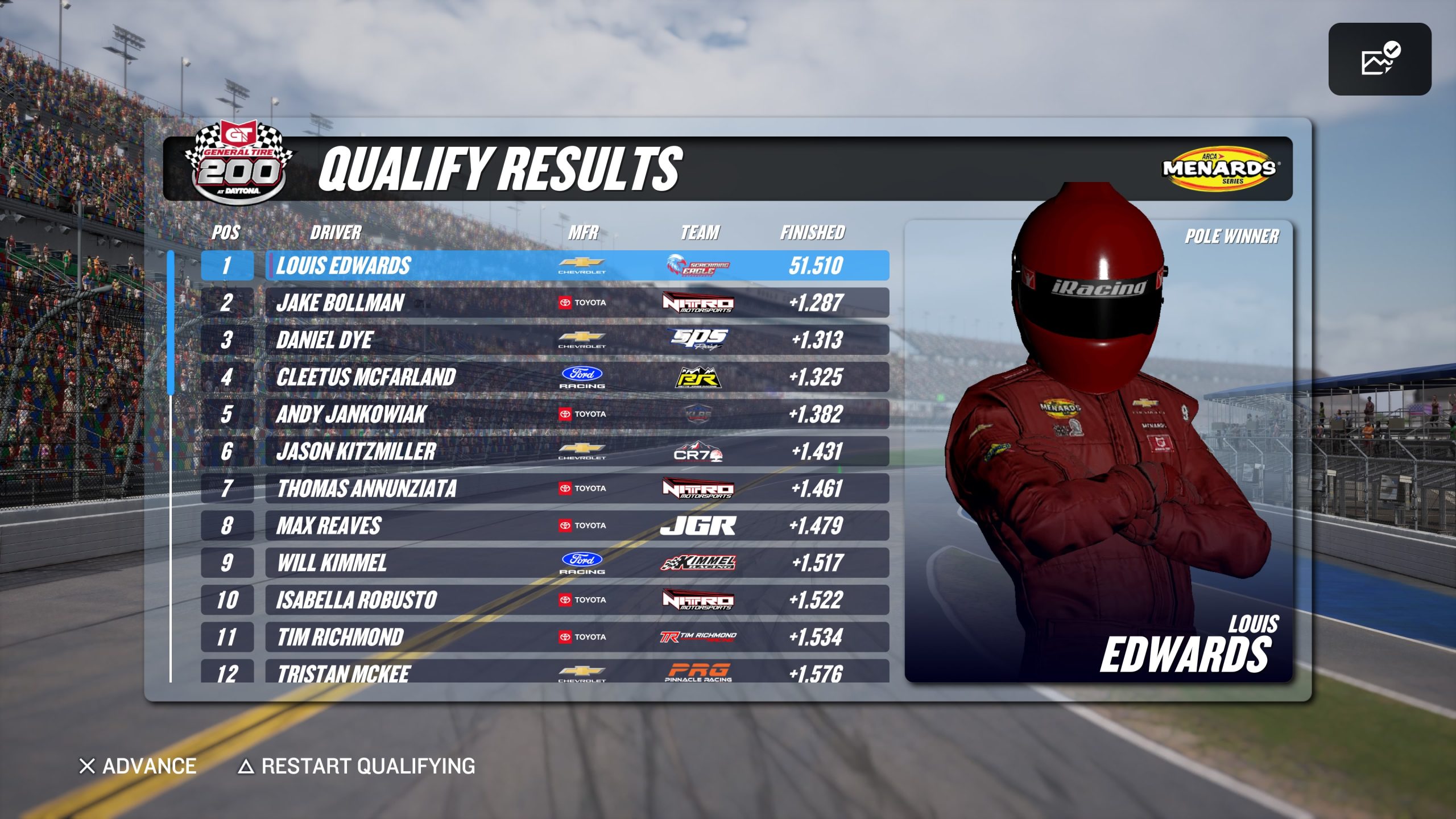
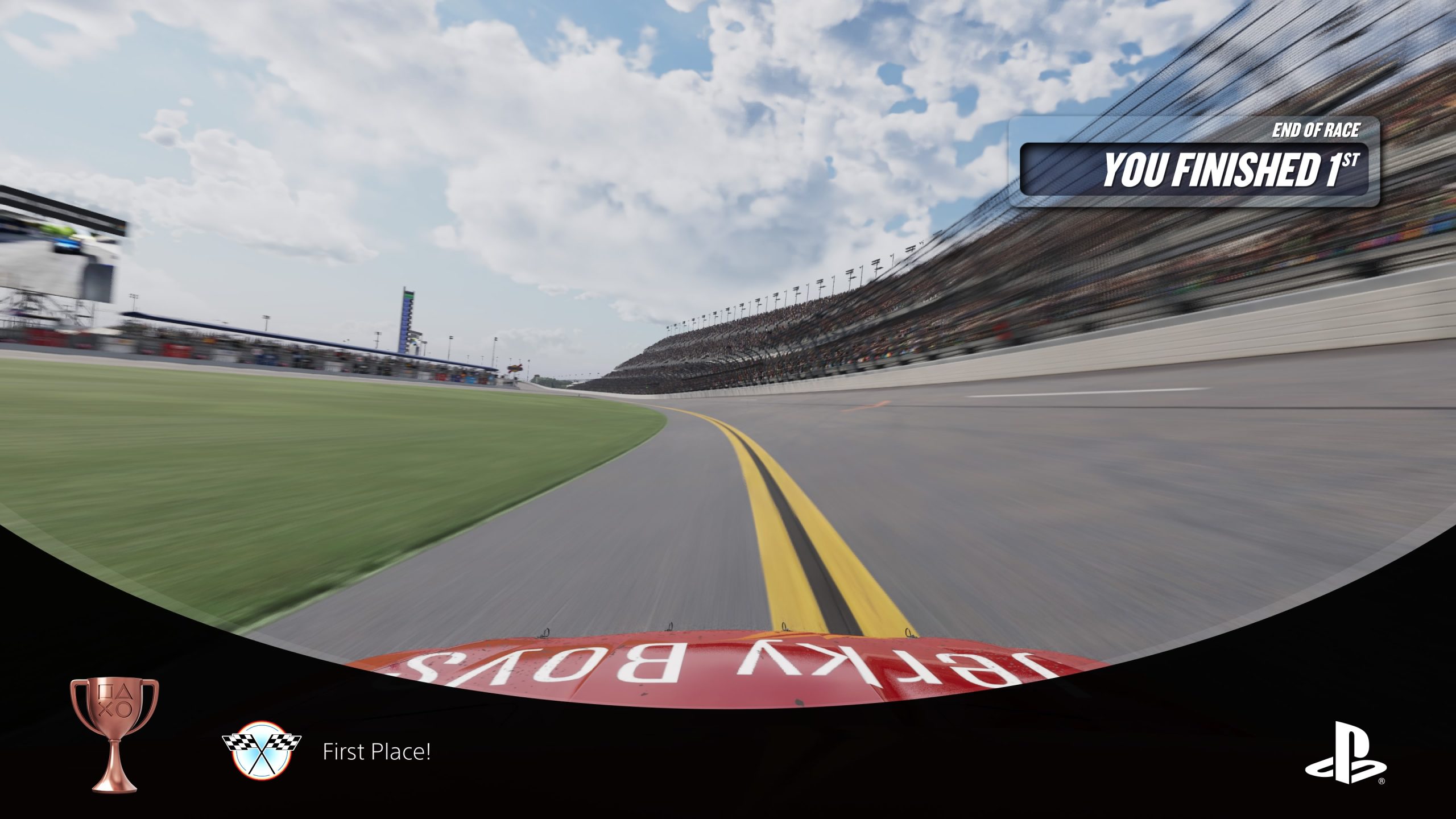
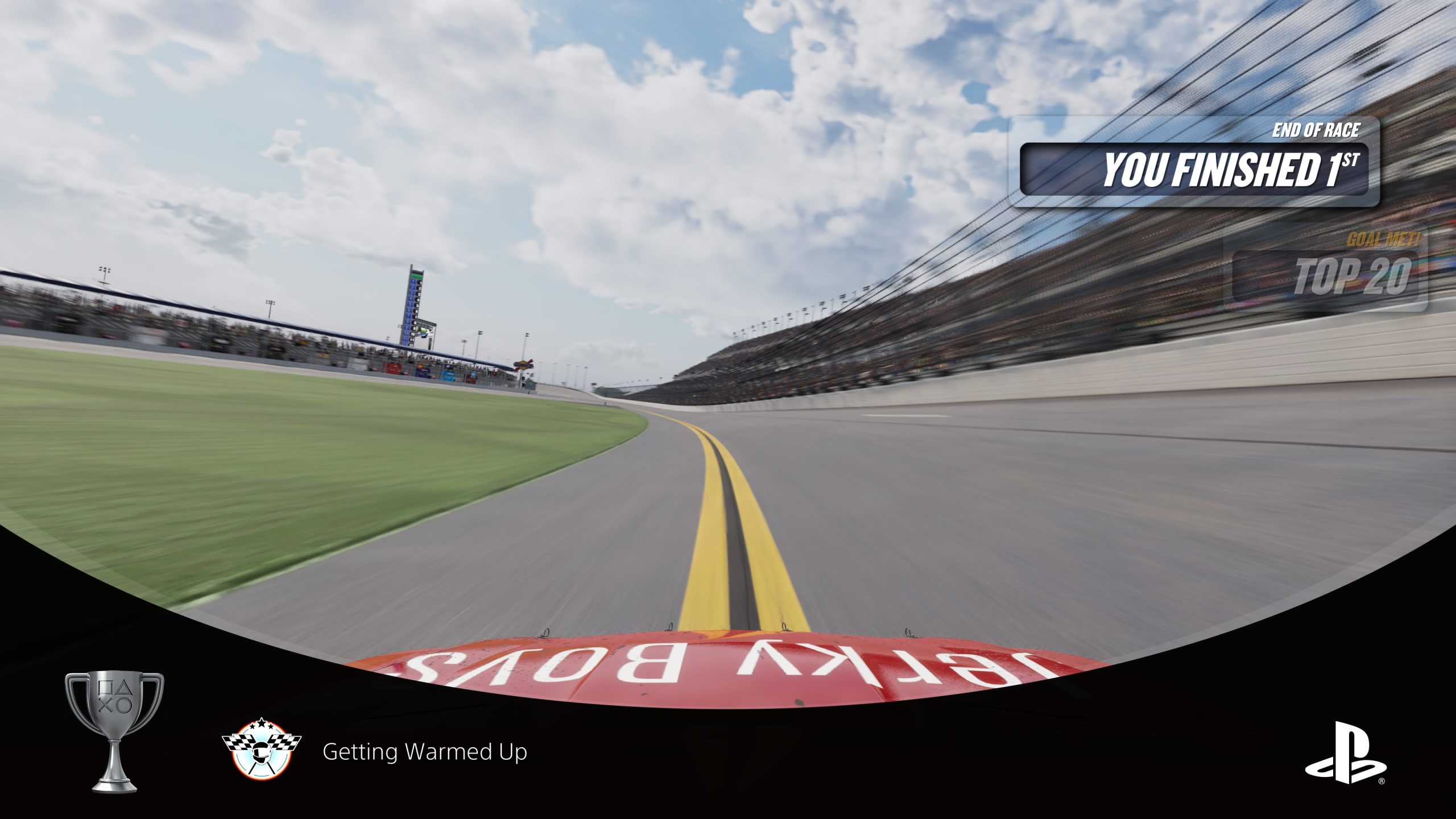
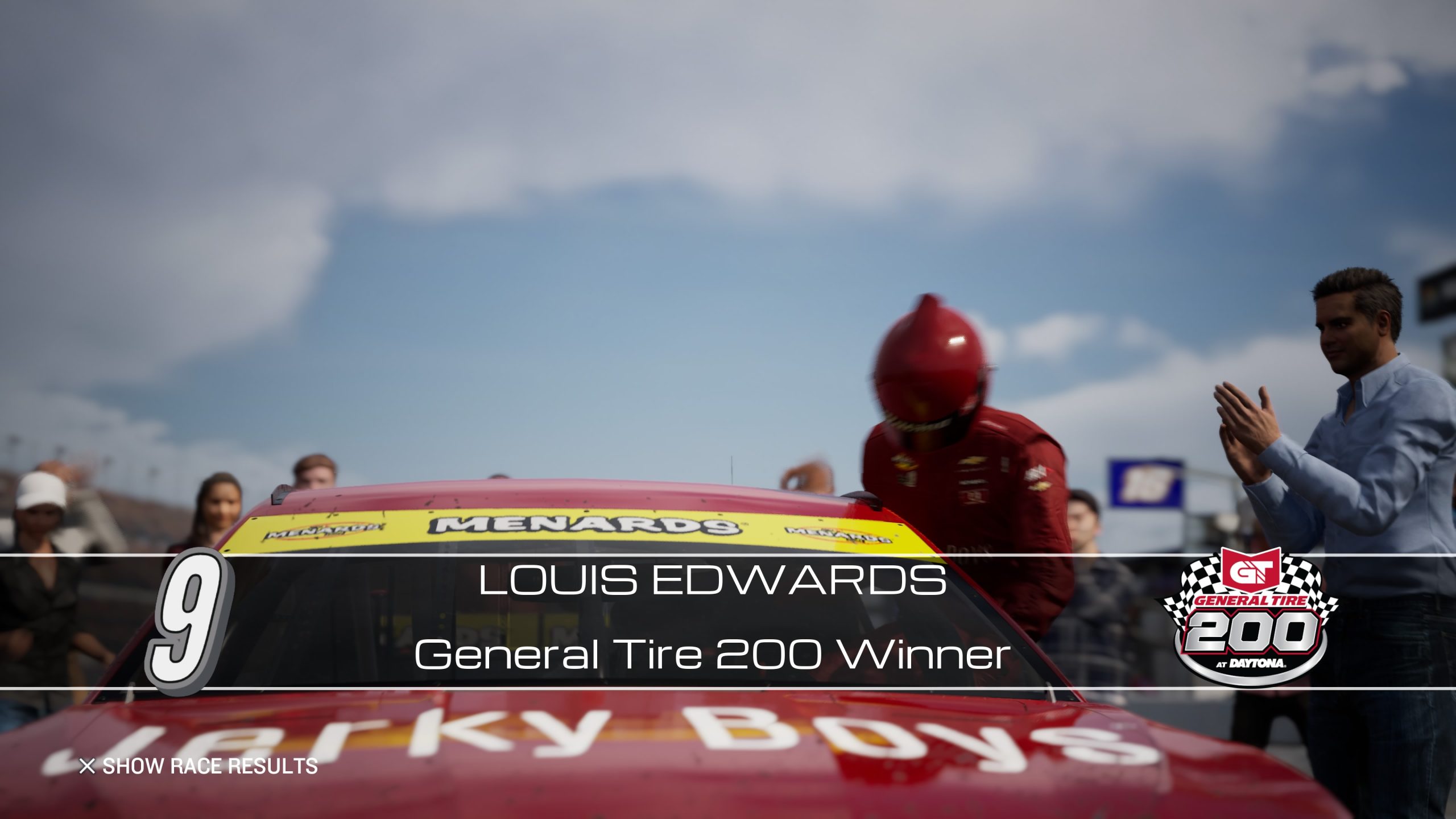
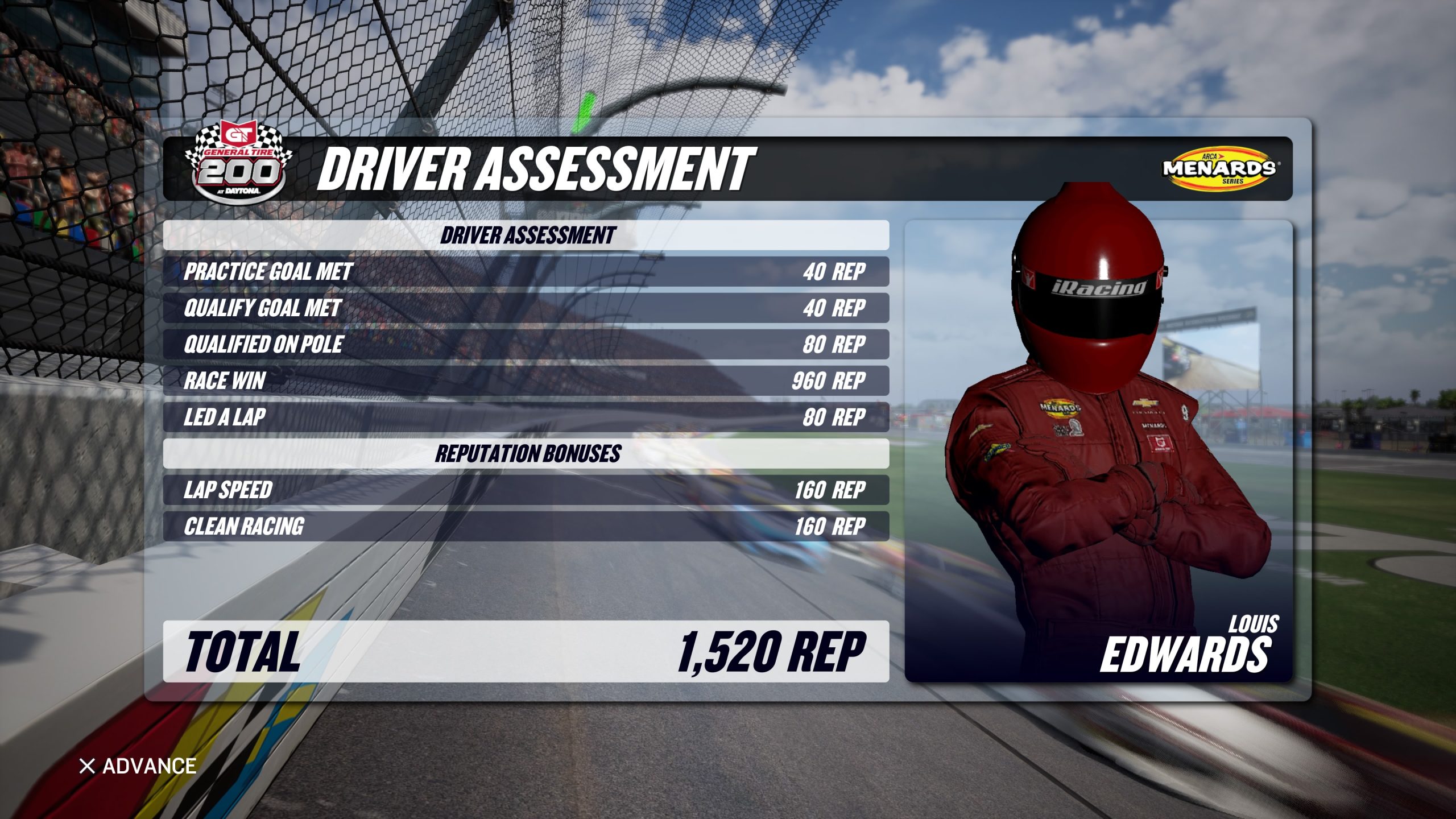
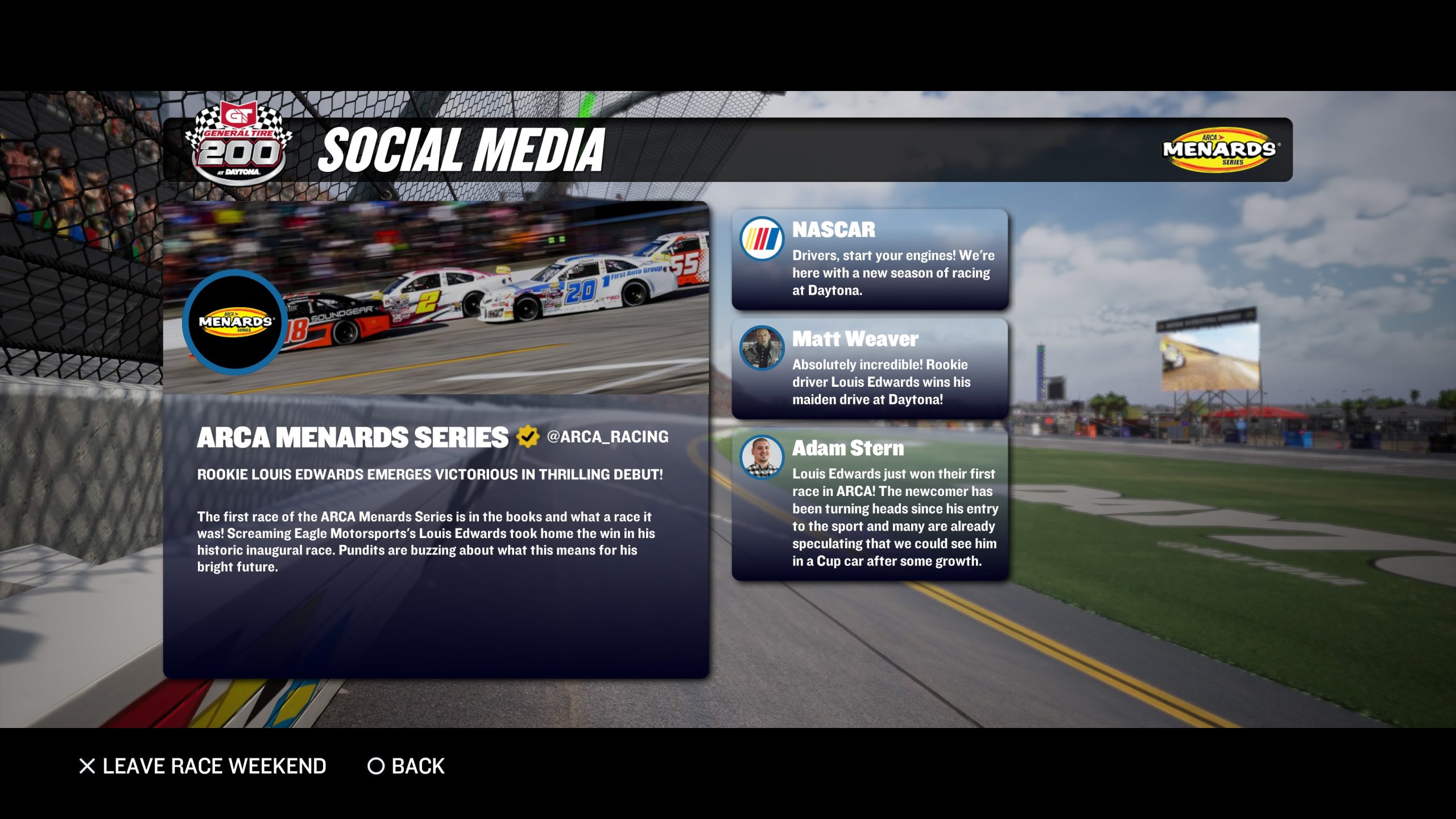
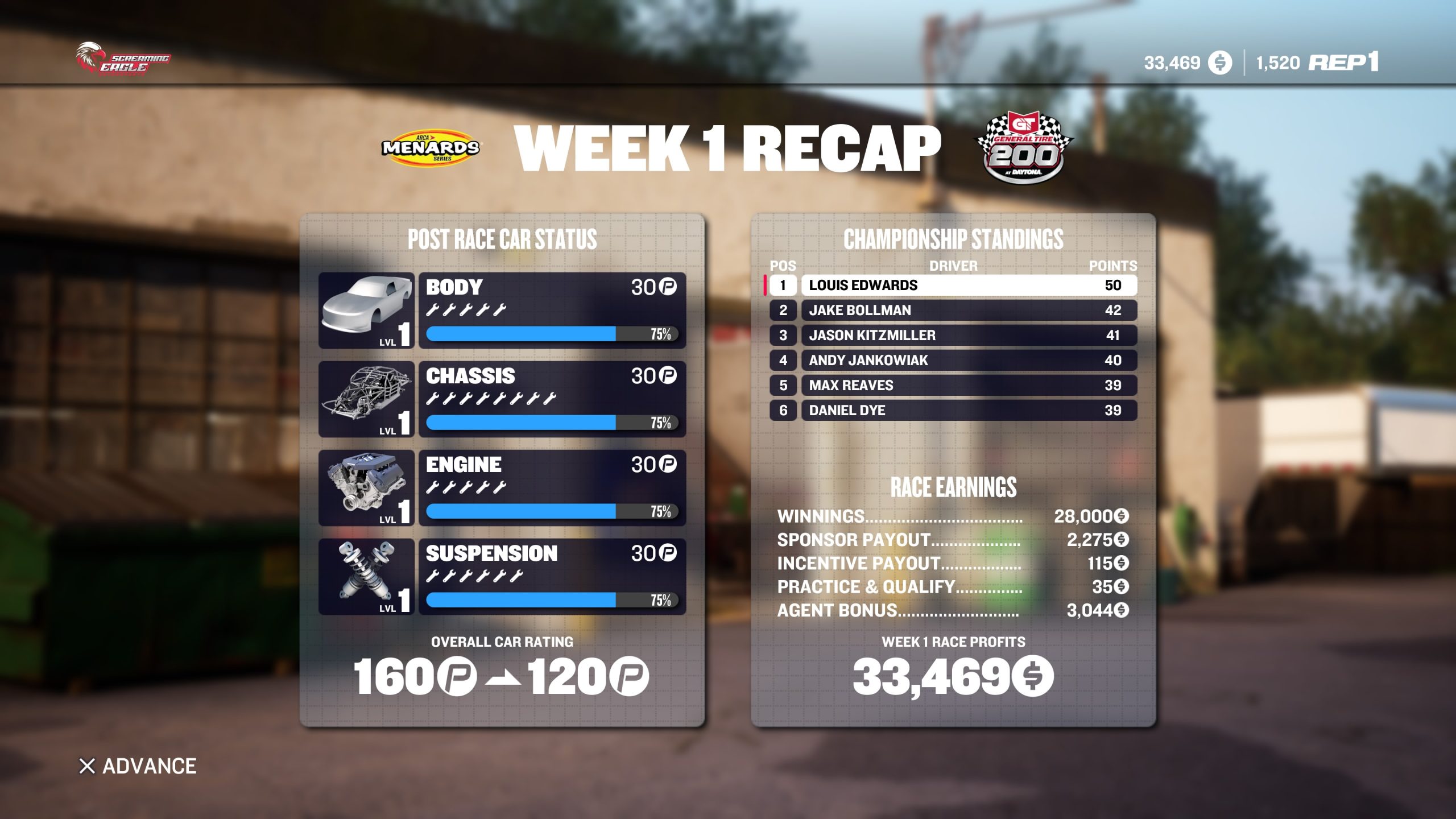
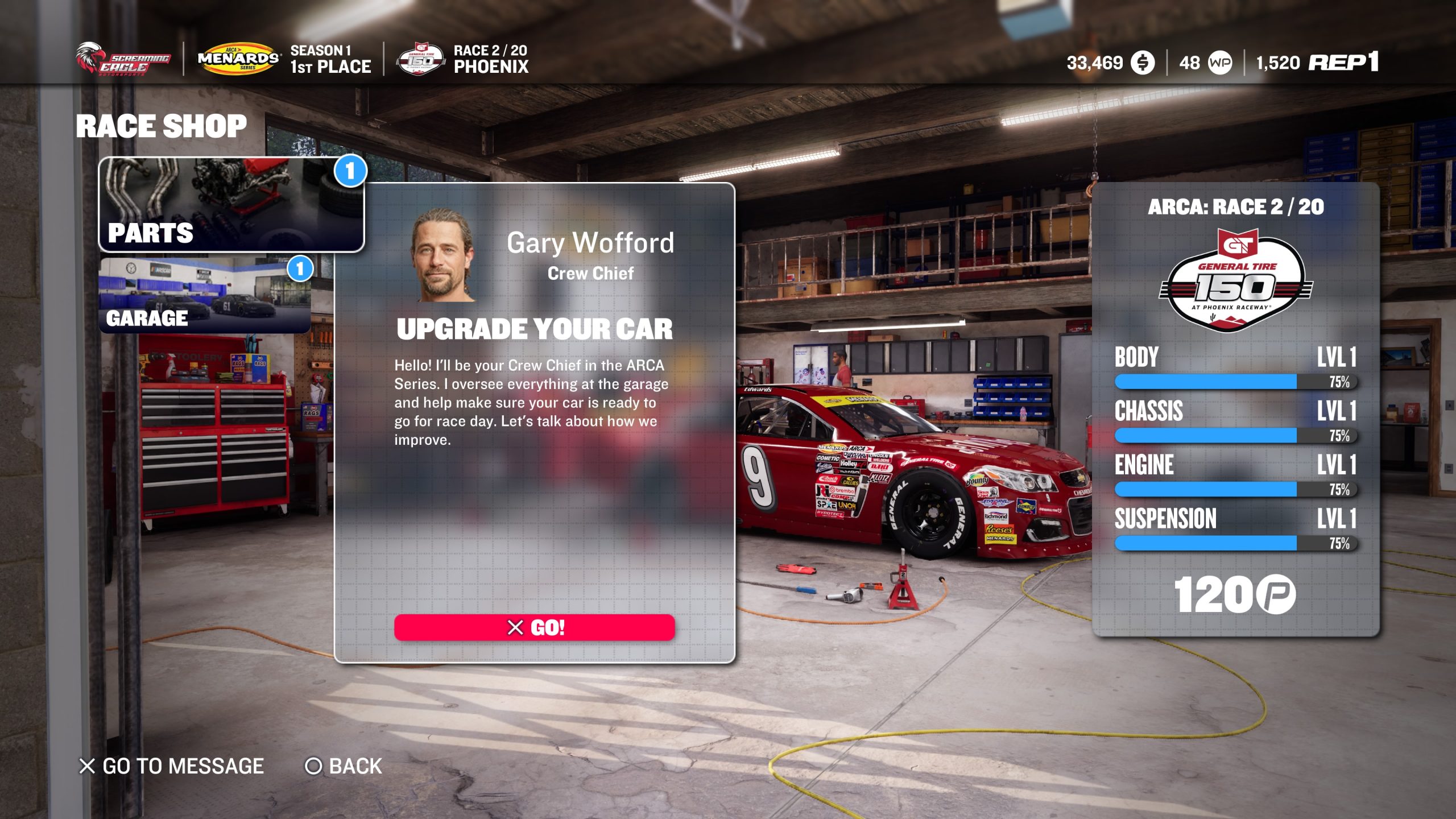
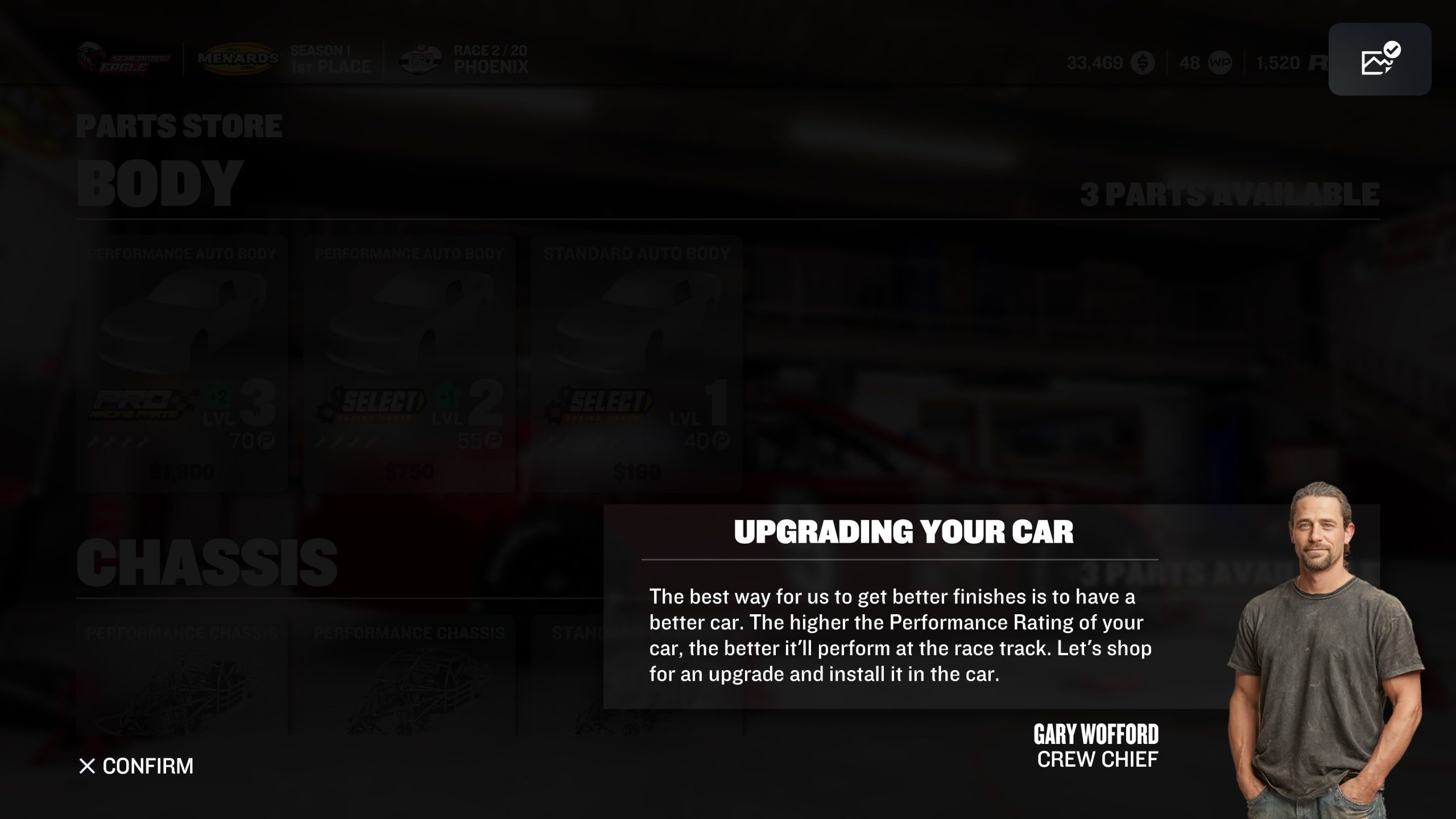
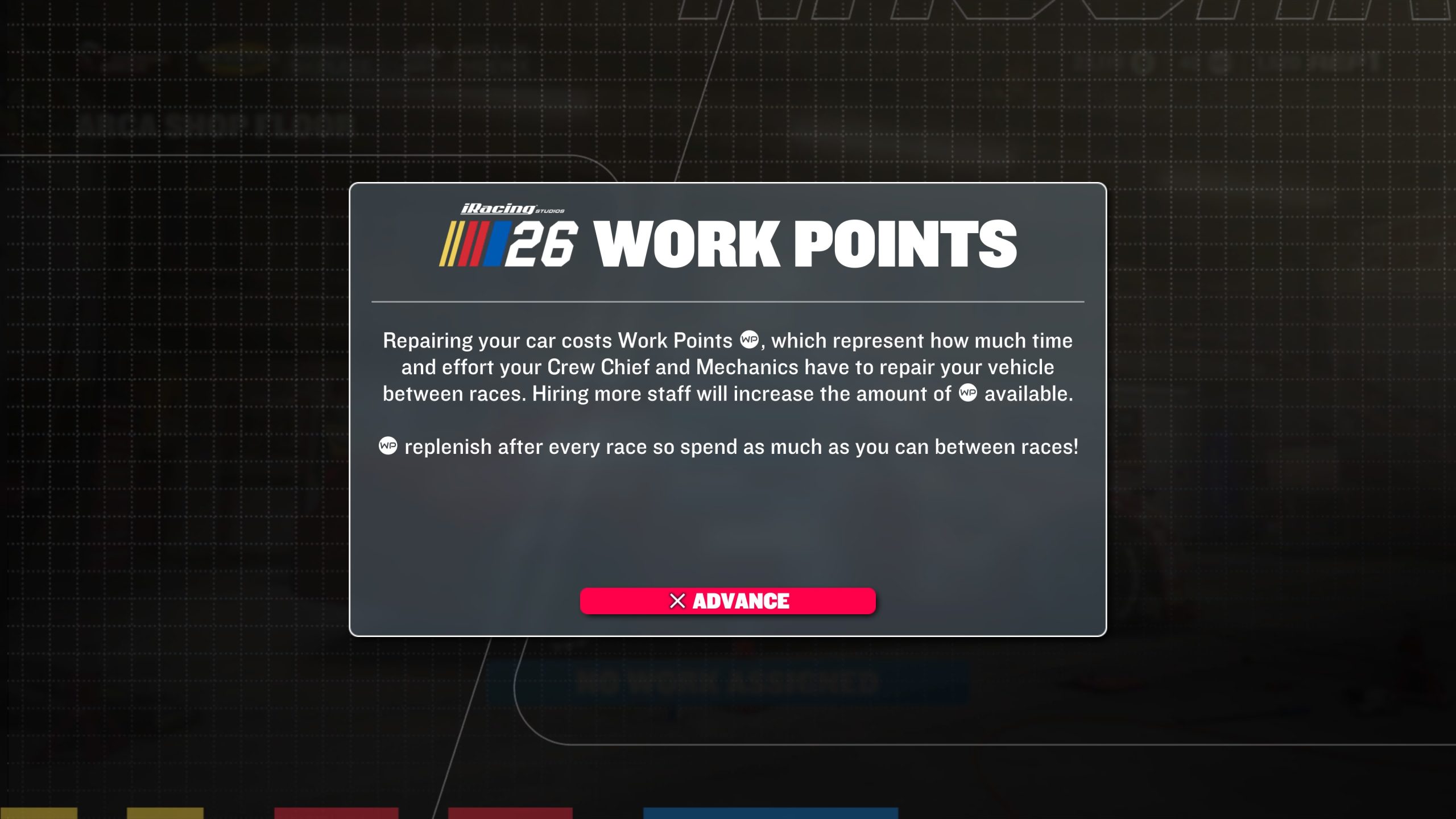
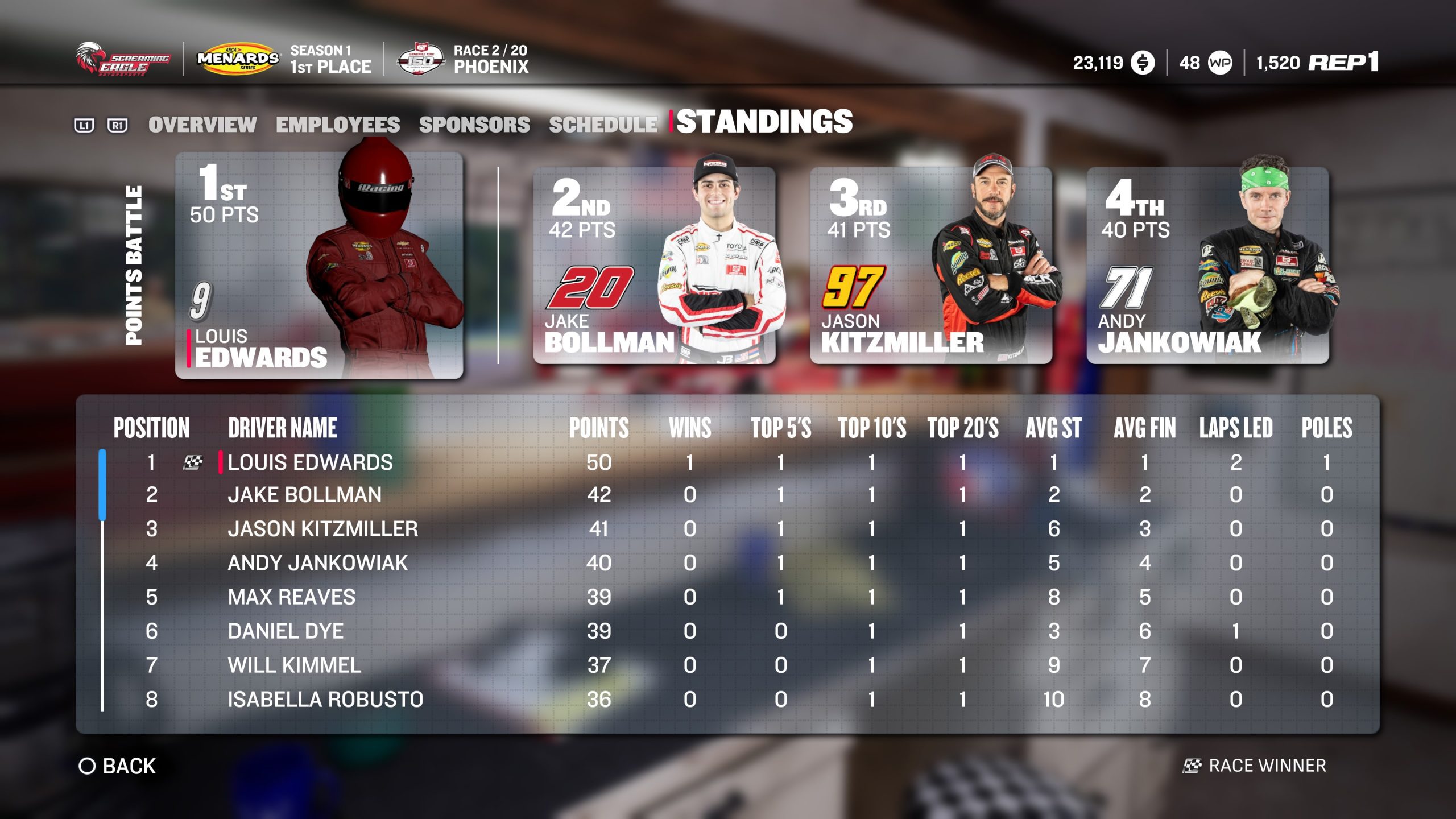
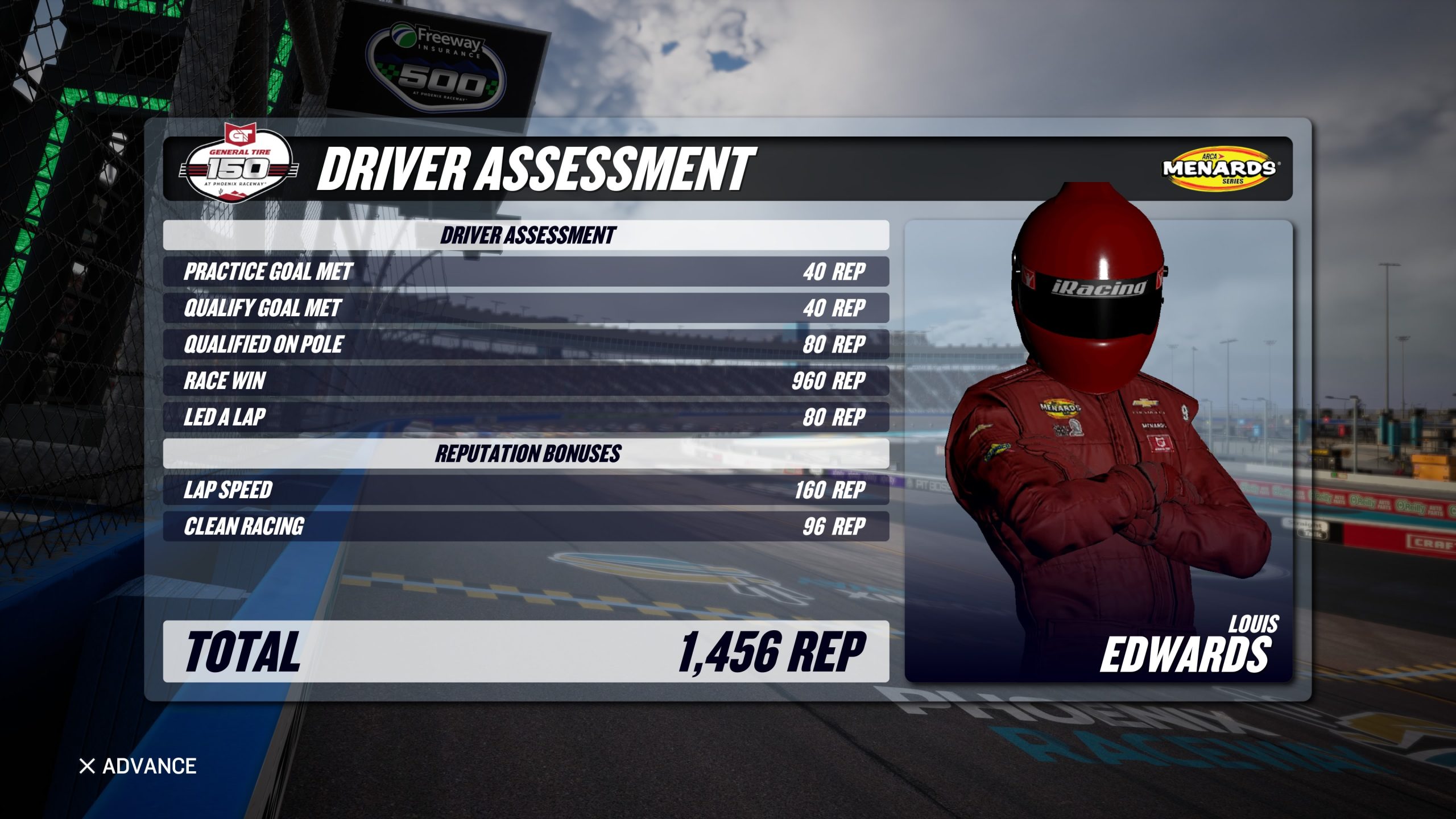
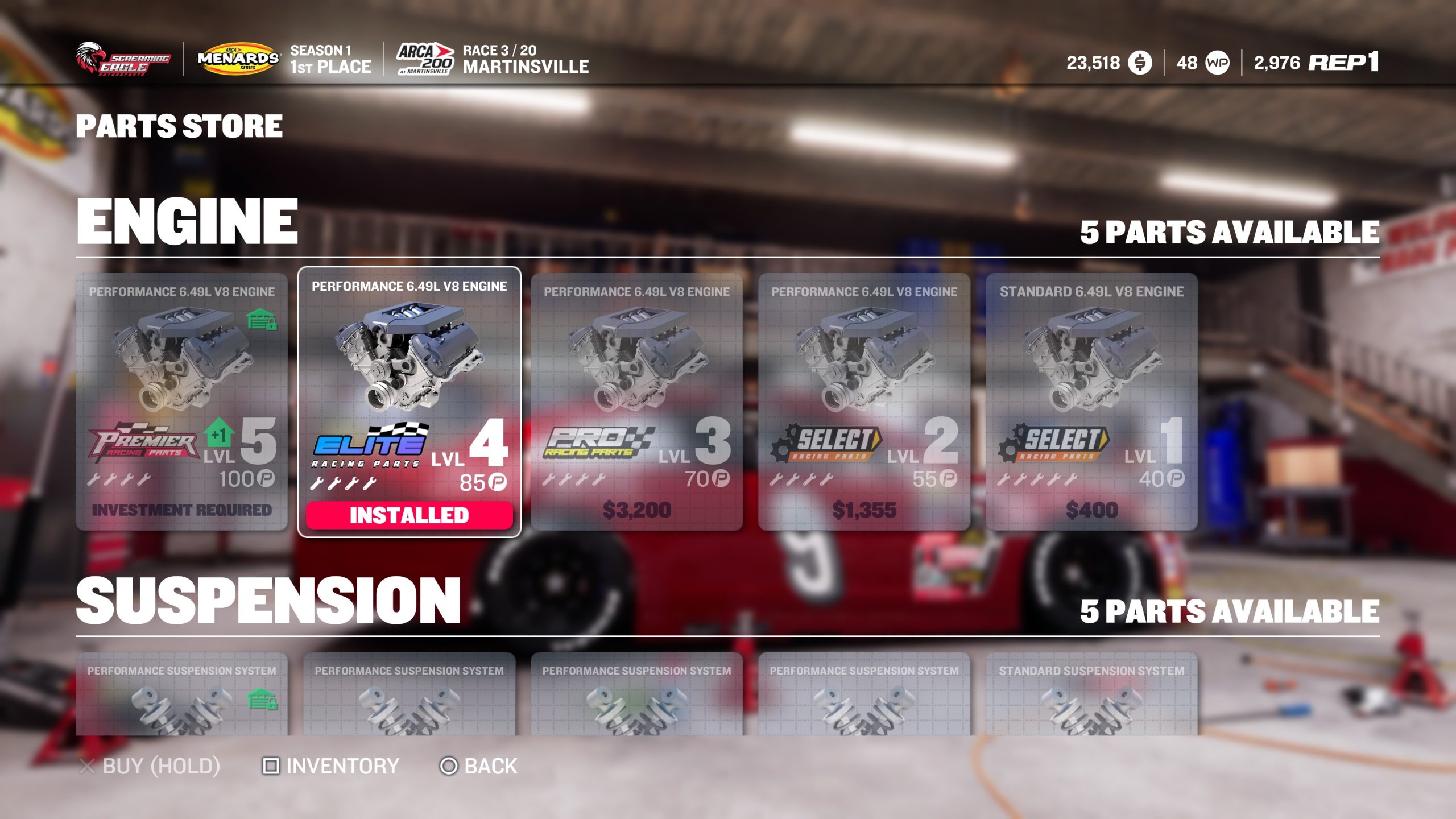
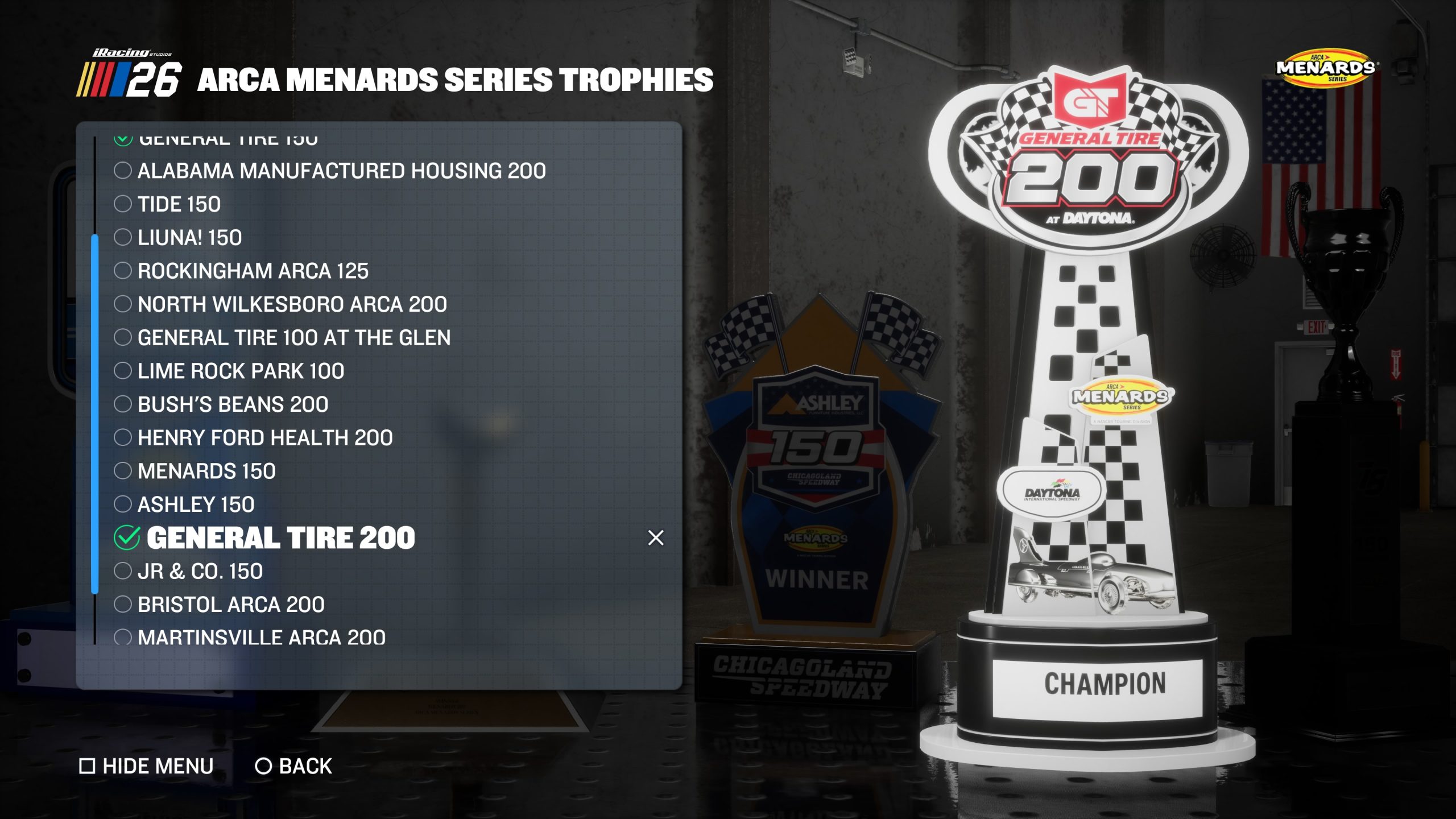
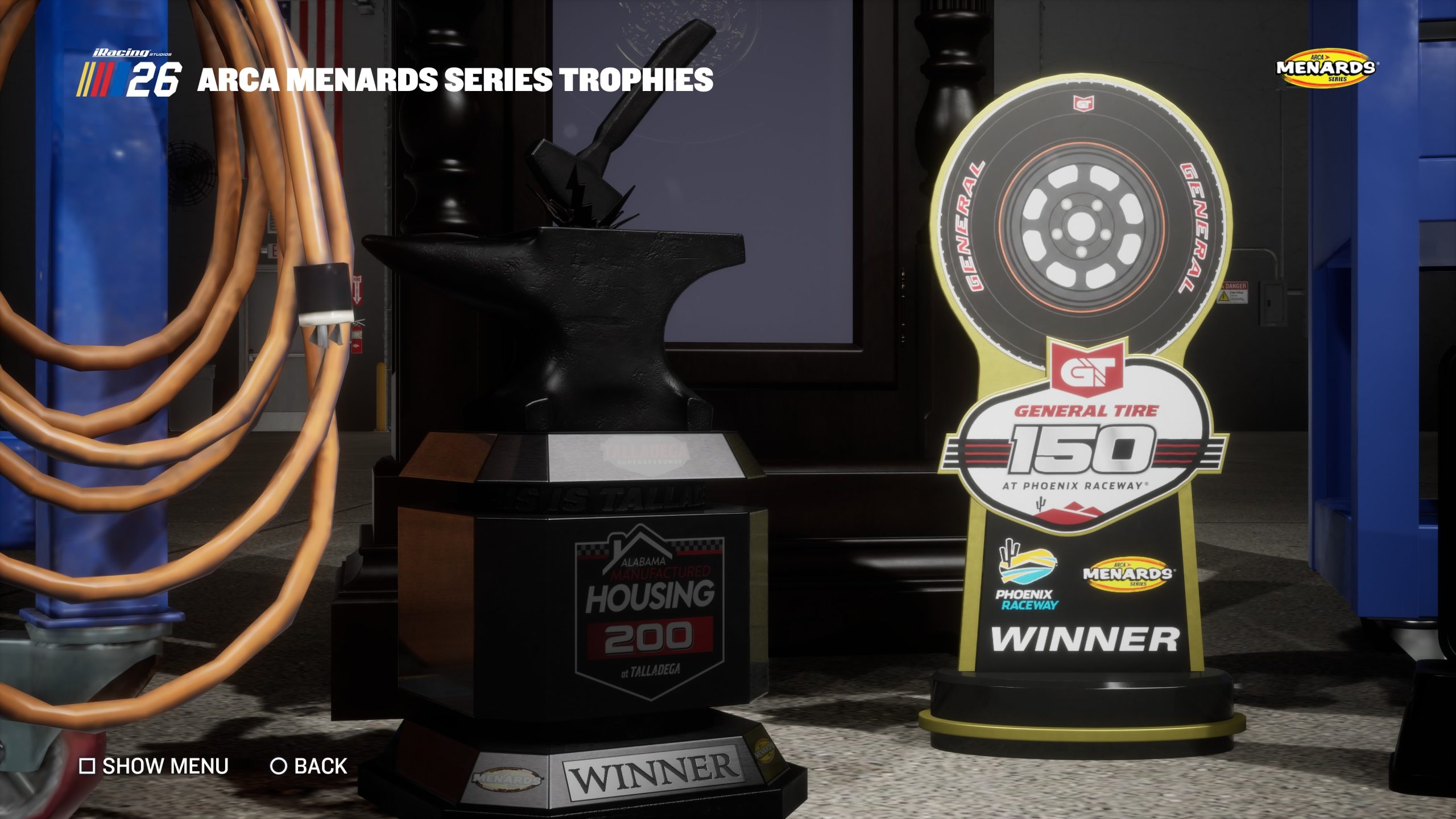
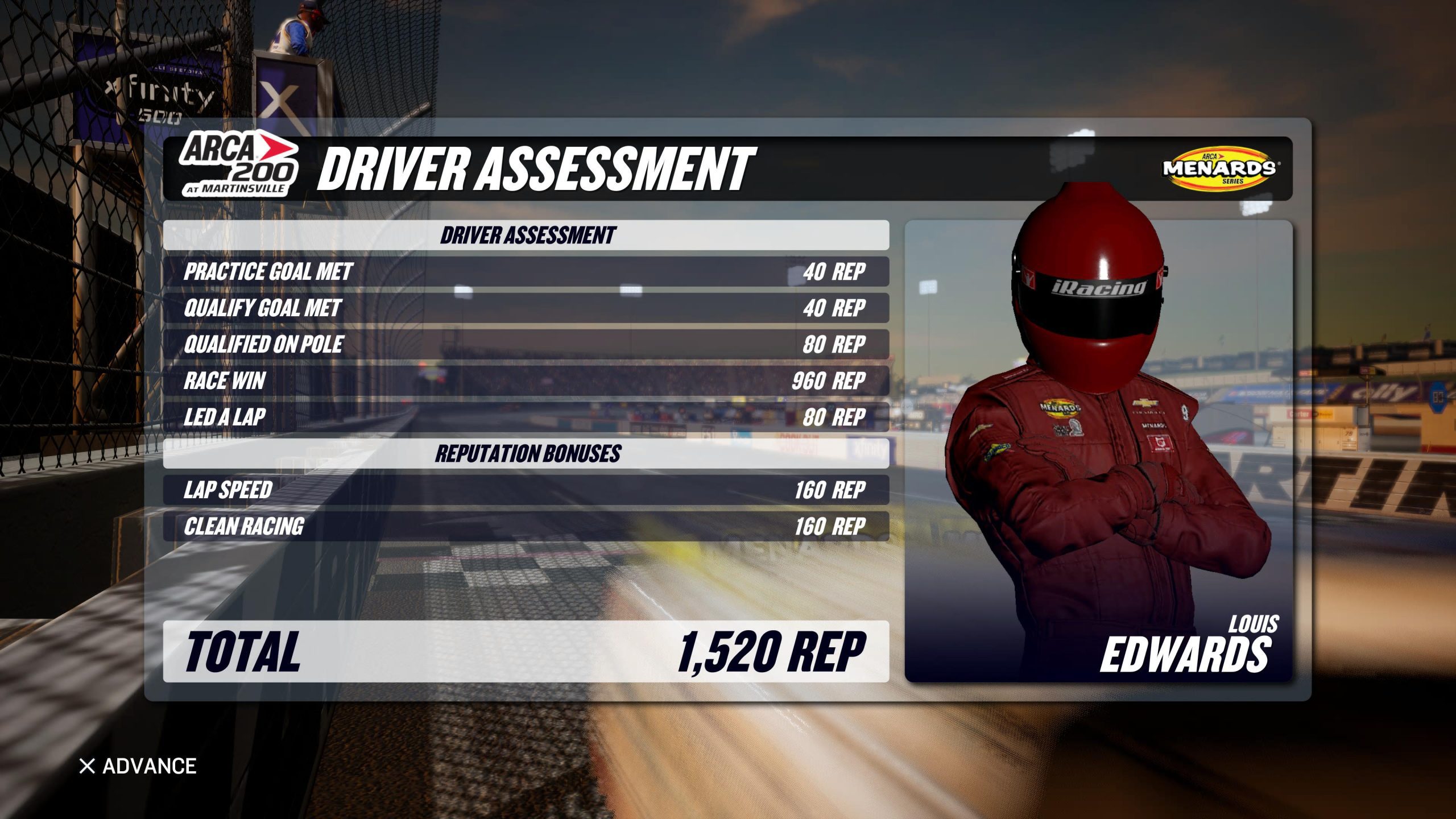
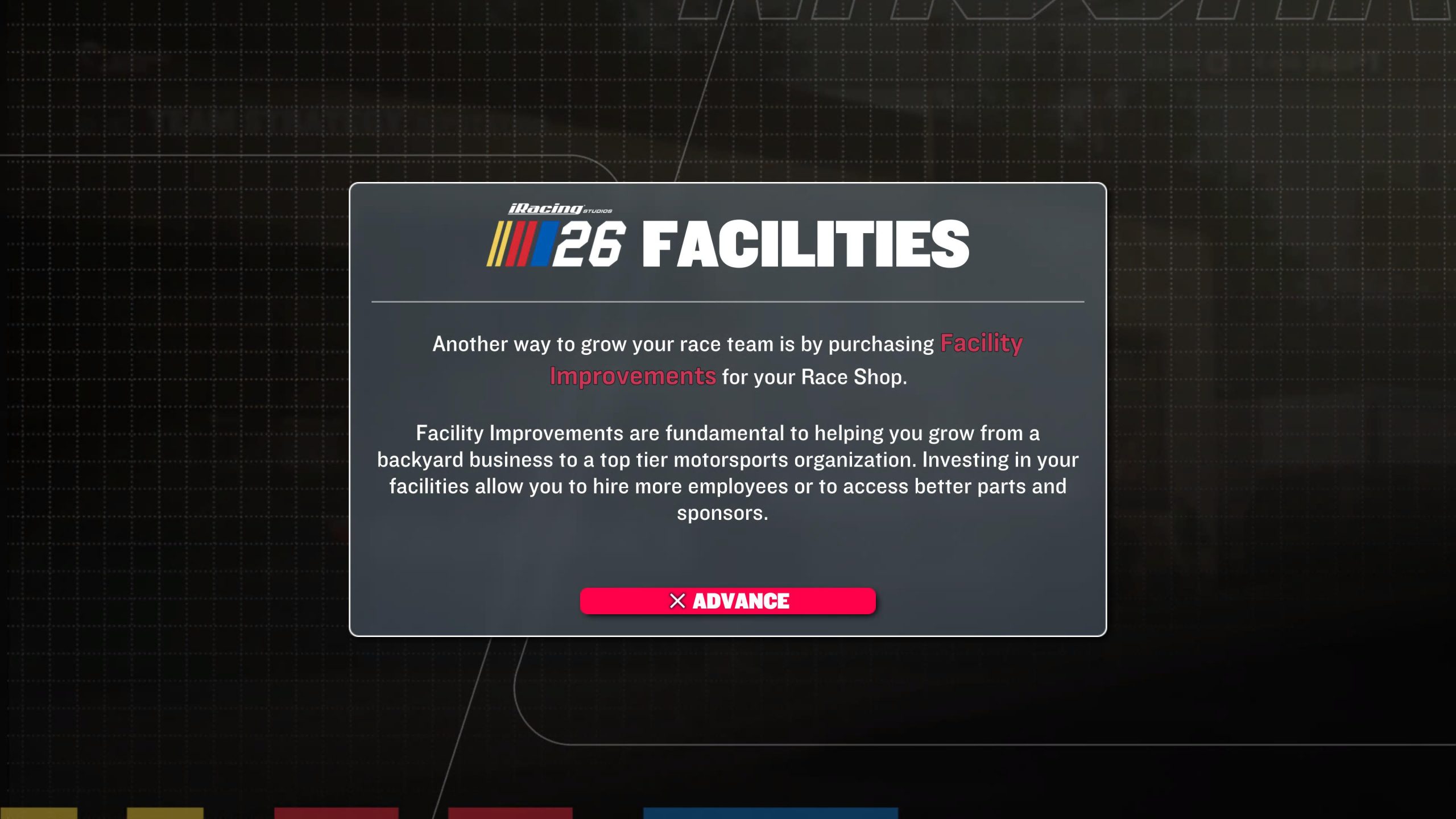
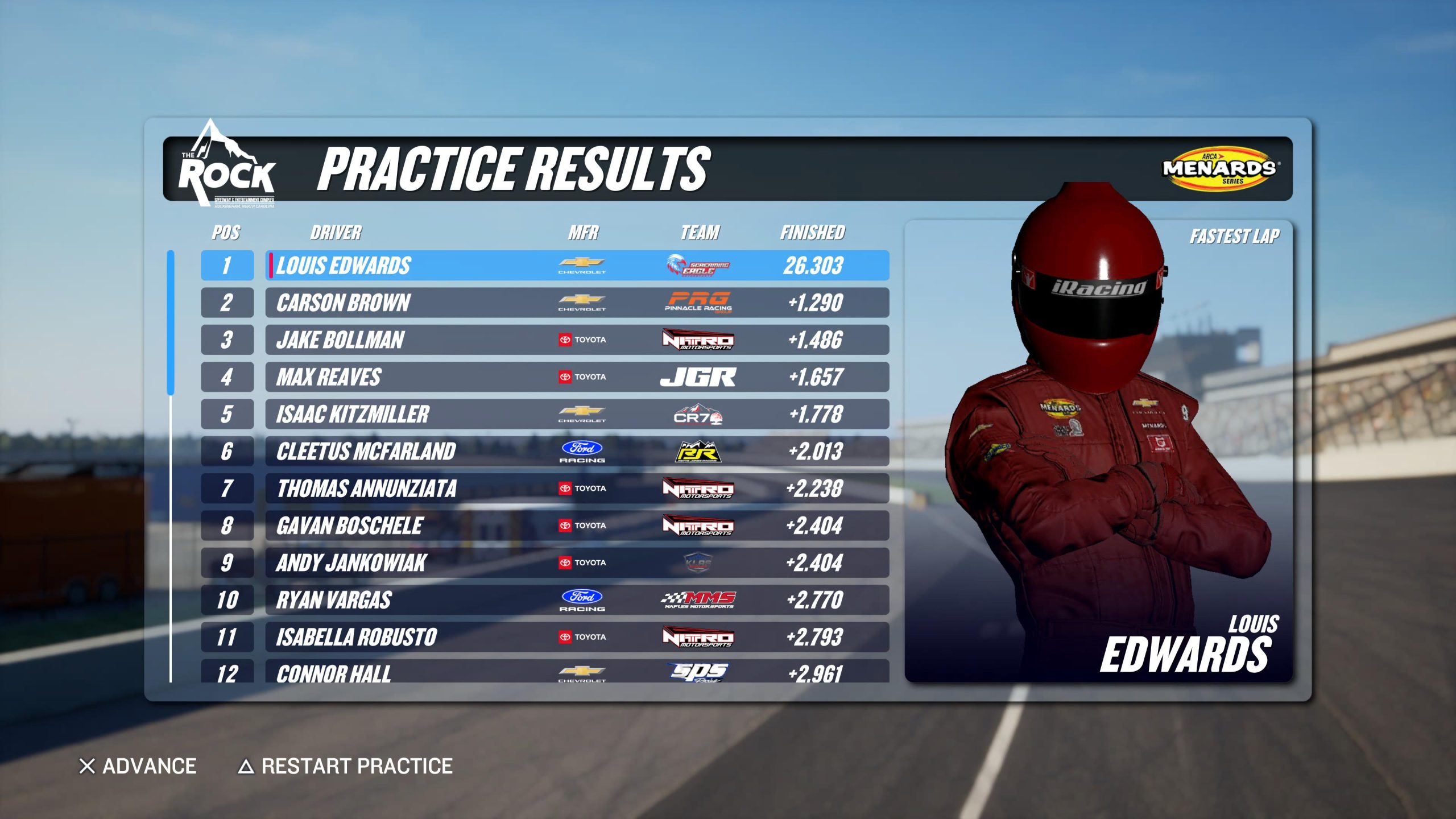
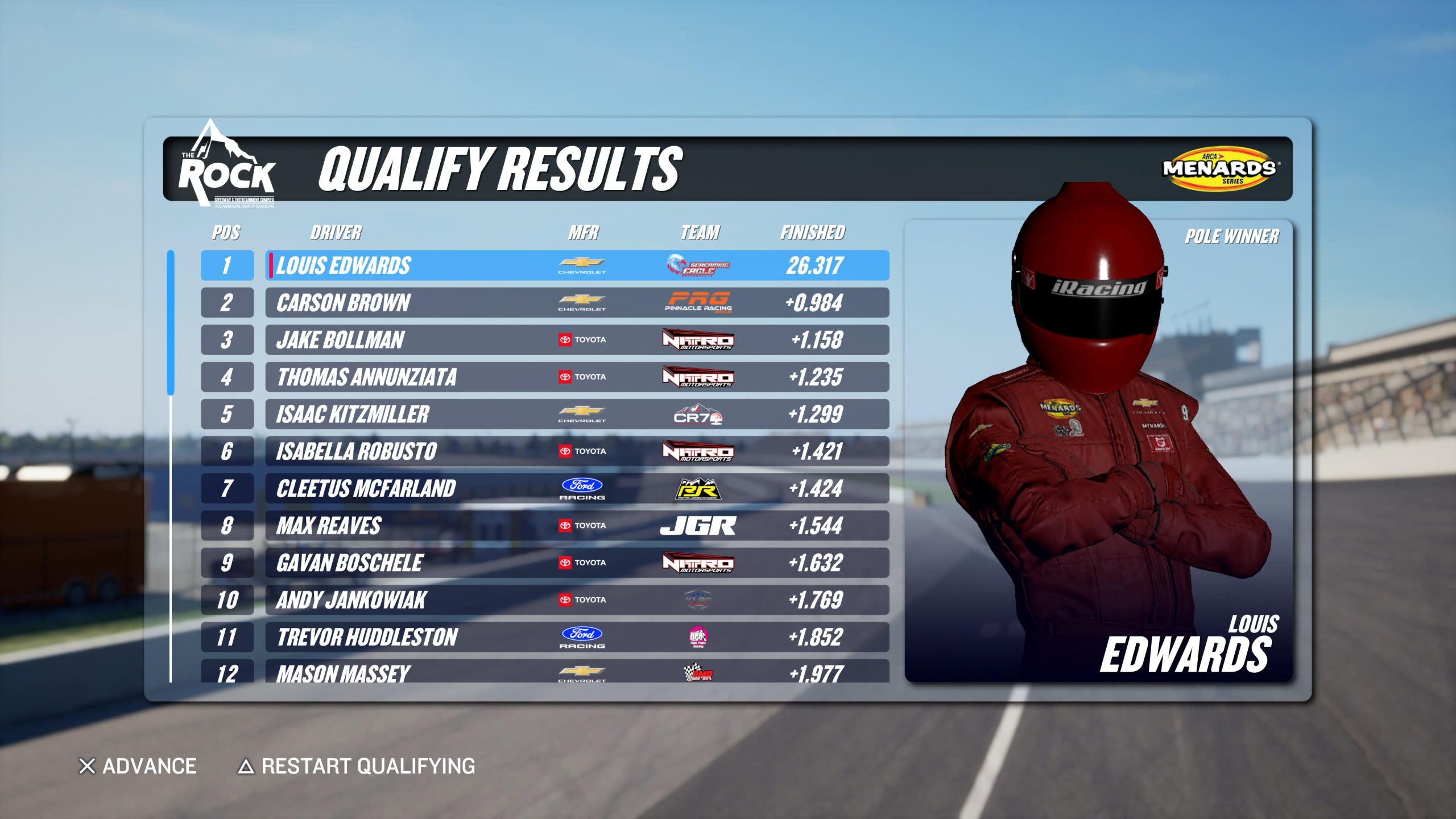
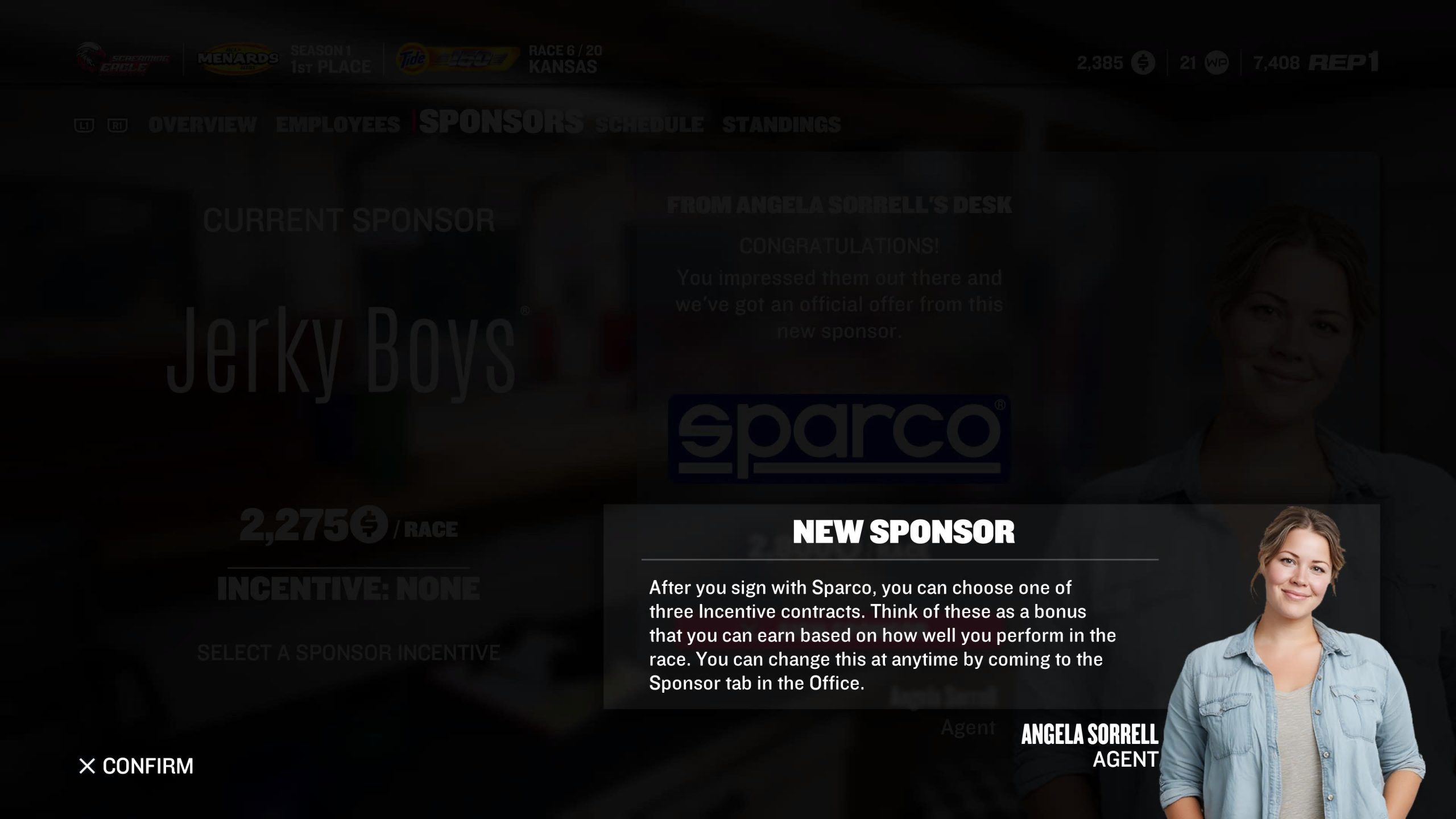
Career Mode expands on the foundation of NASCAR 25 with a weekly planning layer that forces meaningful trade-offs between short-term race performance and long-term team growth. You begin in the ARCA Menards Series and work your way through the Craftsman Truck, O’Reilly Auto Parts, and Cup Series, managing facility upgrades, staff, and reputation points along the way. Performance coaching sessions appear throughout the journey, and a Trophy Room lets you display the hardware you collect. Real-world personalities drop in via podcasts that can affect your reputation or unlock narrative beats, giving the mode a light connective tissue to the actual sport.
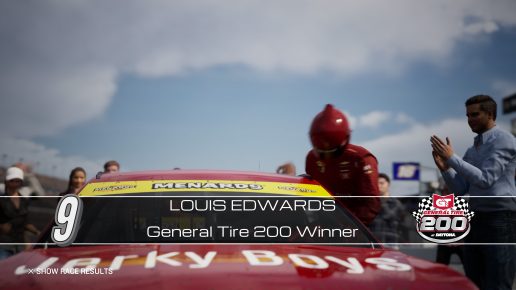
Despite these additions, the mode still feels somewhat limited in personality. There is no full driver market, retirements, or the ability to jump teams mid-career in a meaningful way, so progression can start to feel linear once the upgrade loop becomes familiar. The strategic decisions add depth compared with last year, yet they rarely create dramatic tension or surprising story moments. For players who mainly want to race and slowly build a better team, the structure works well; those hoping for a richer off-track simulation will still find it relatively straightforward.
Peak Performance
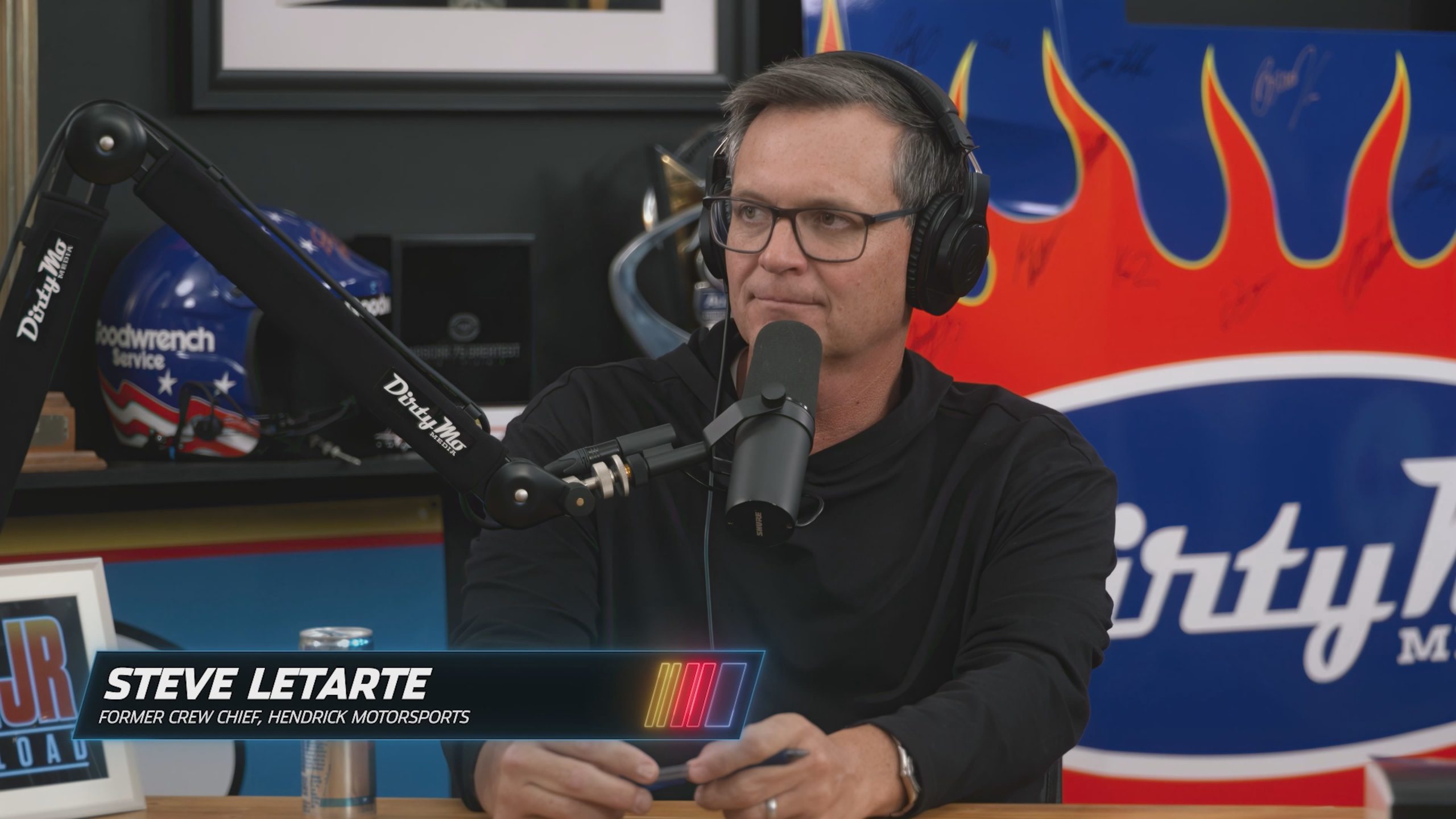
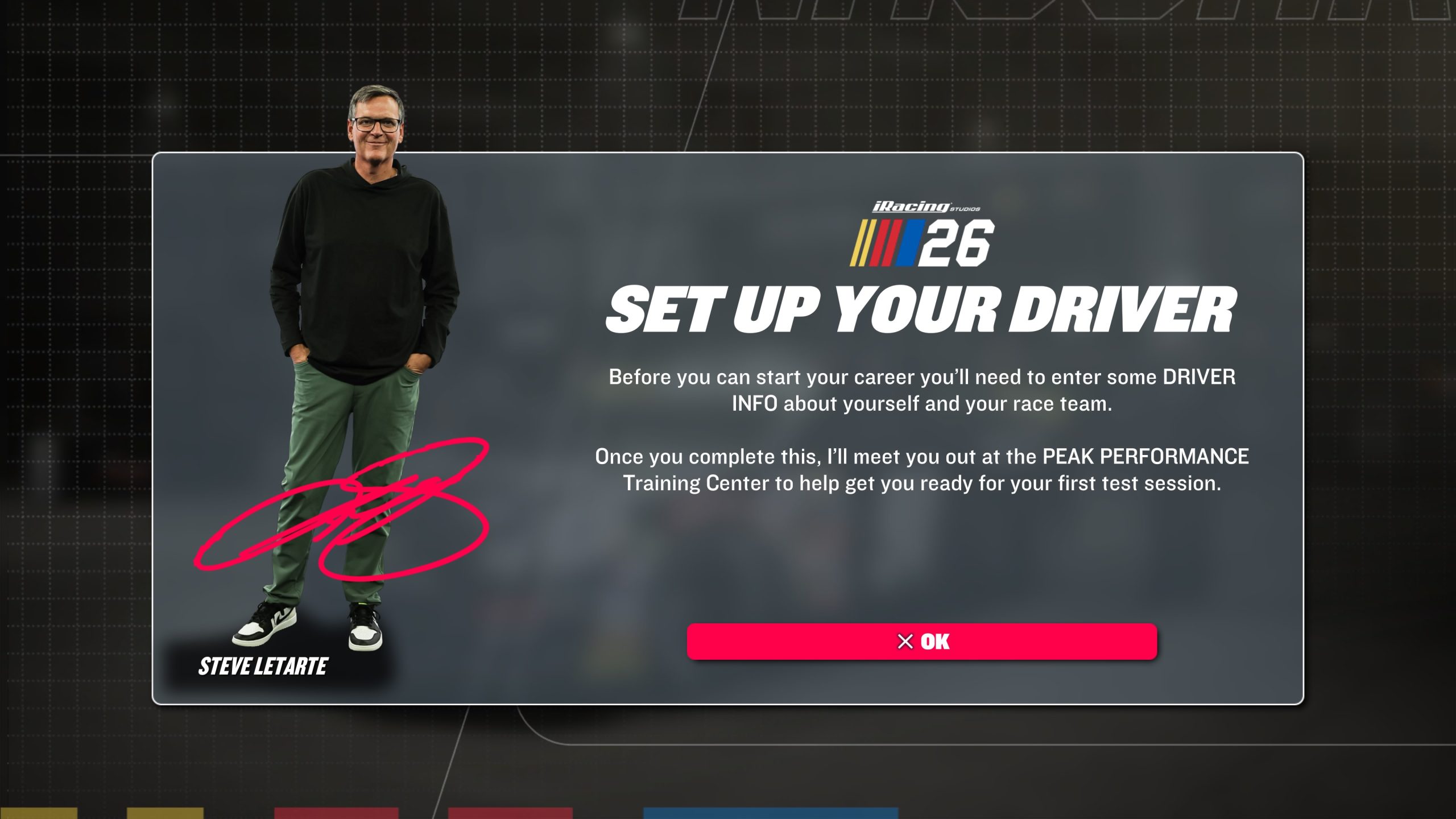
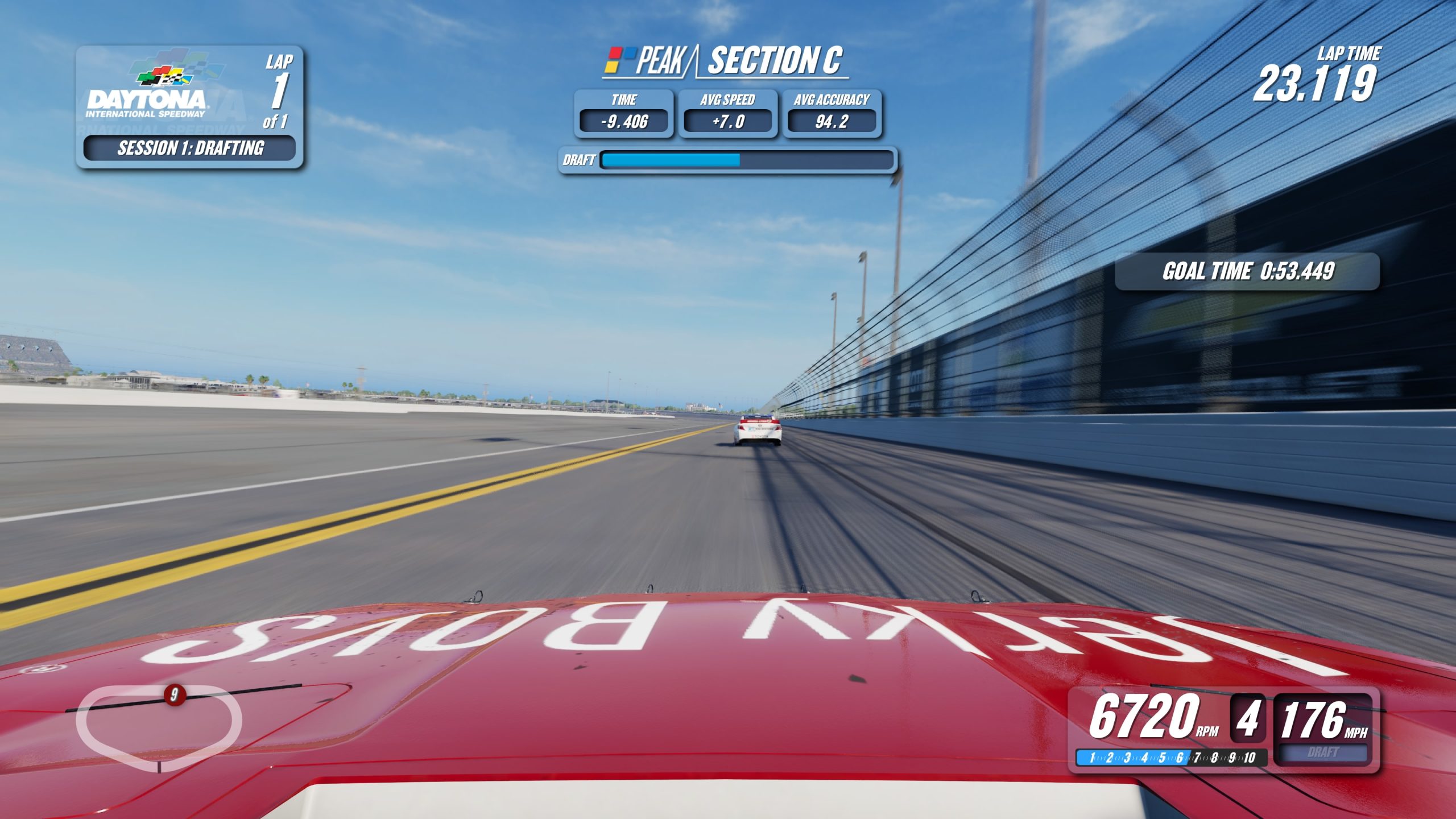
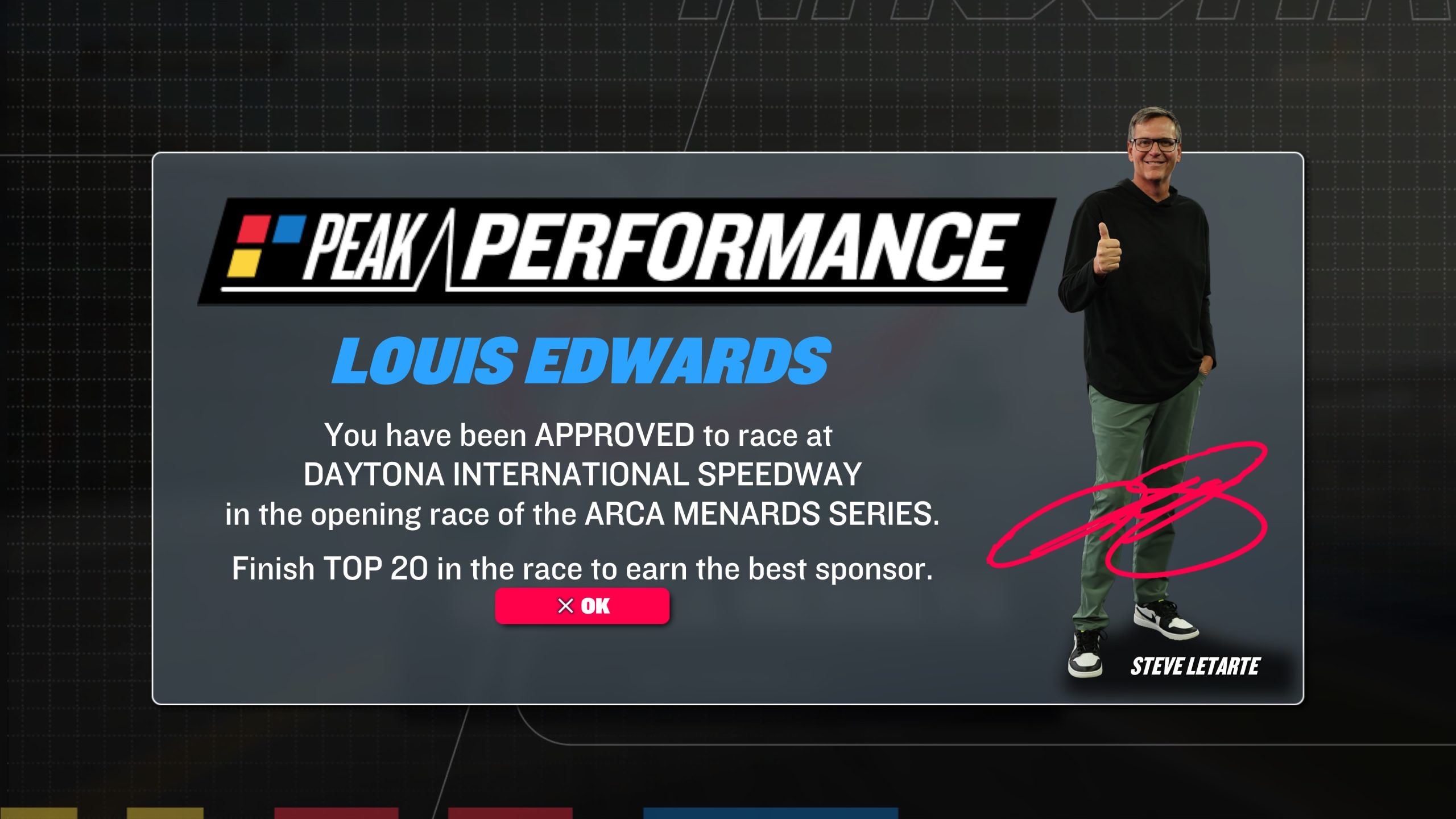
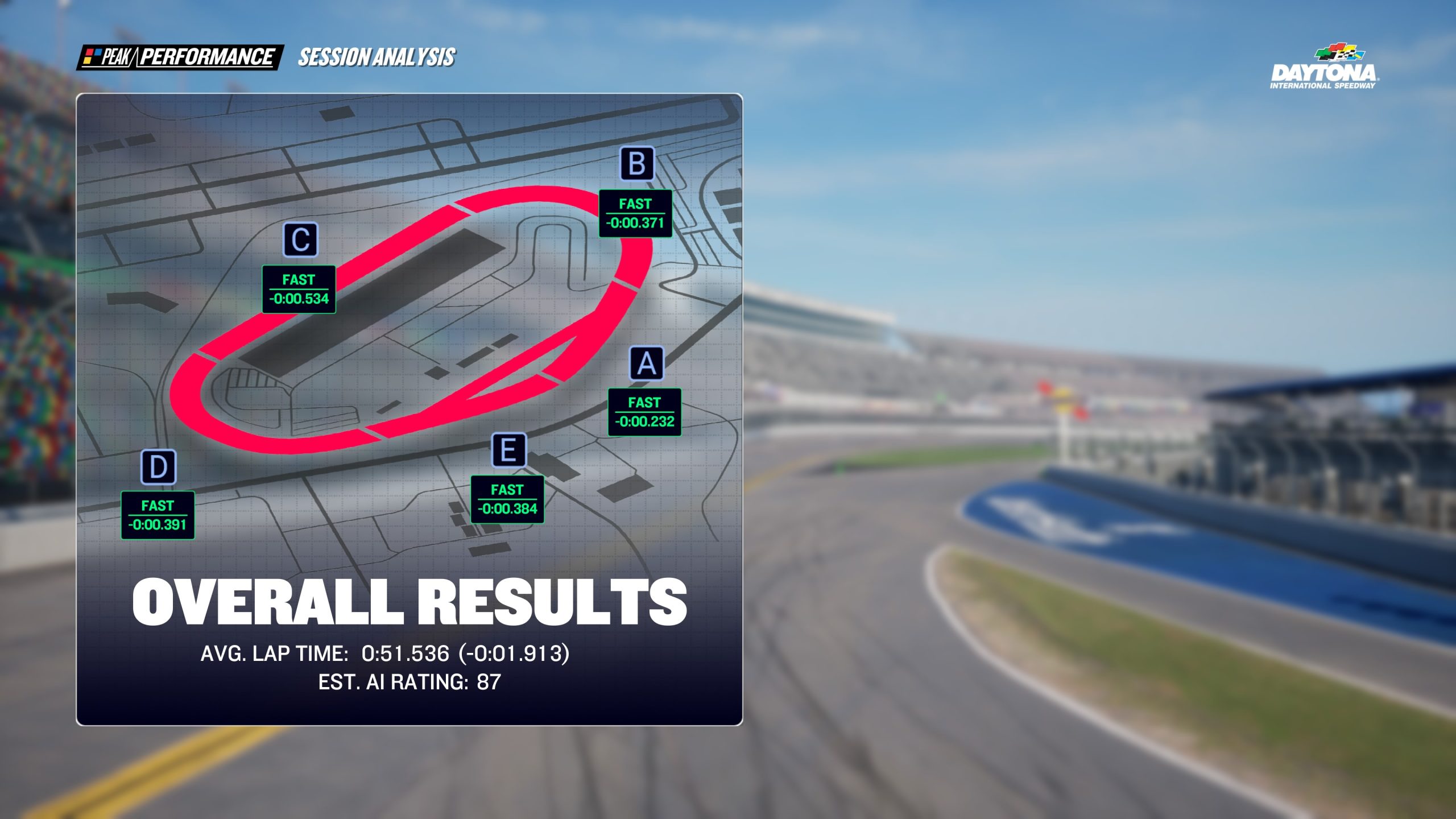
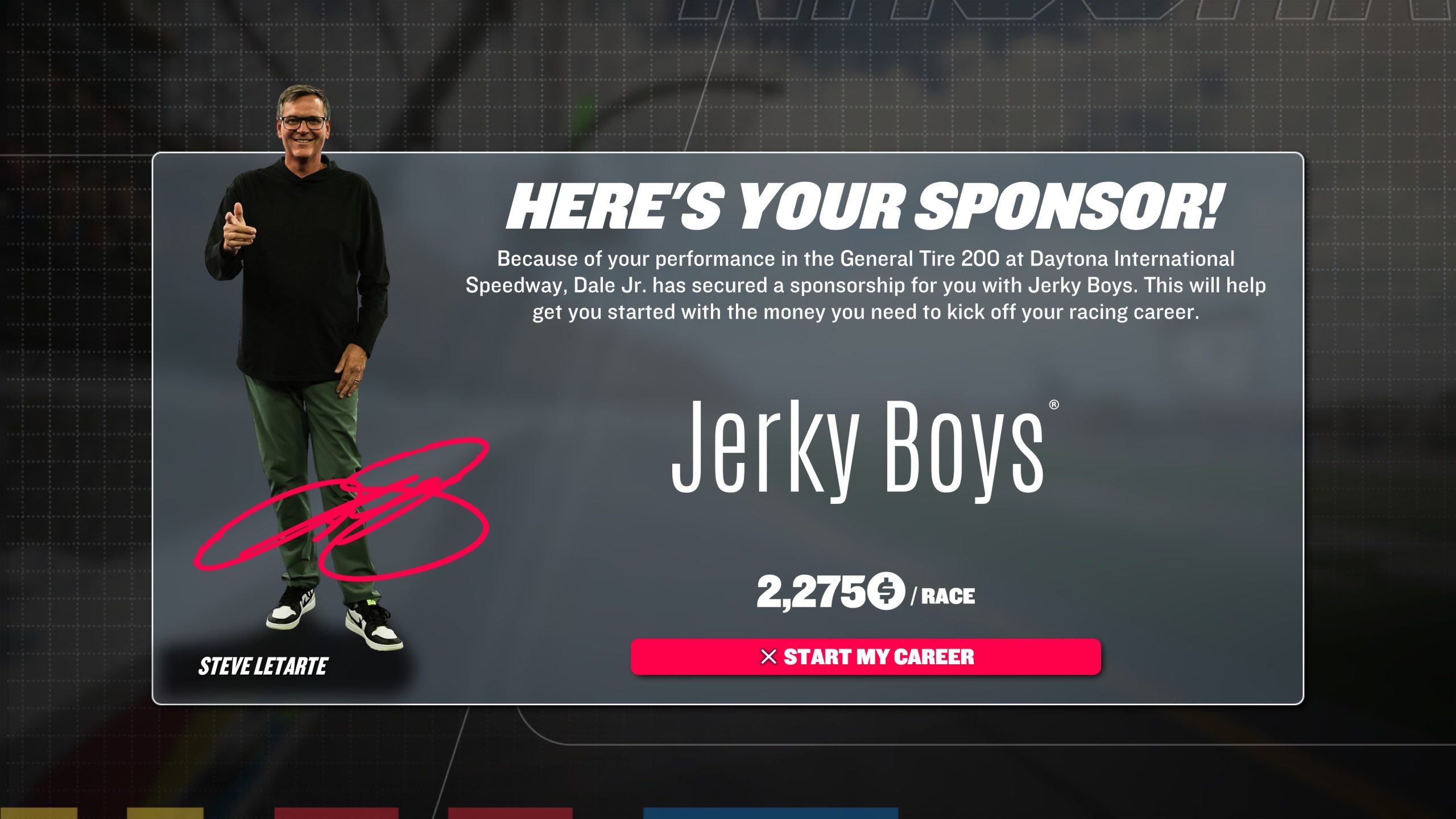
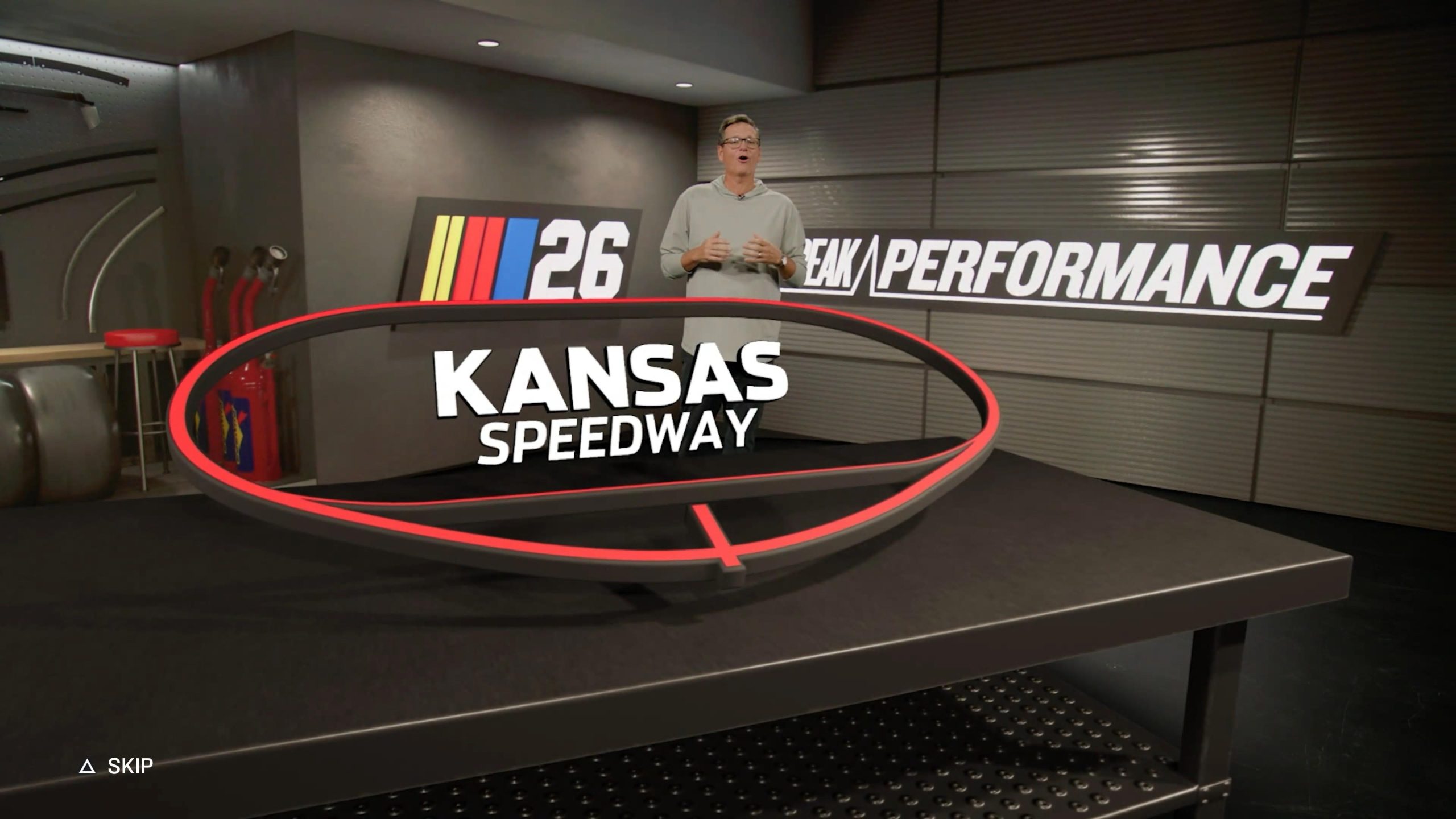
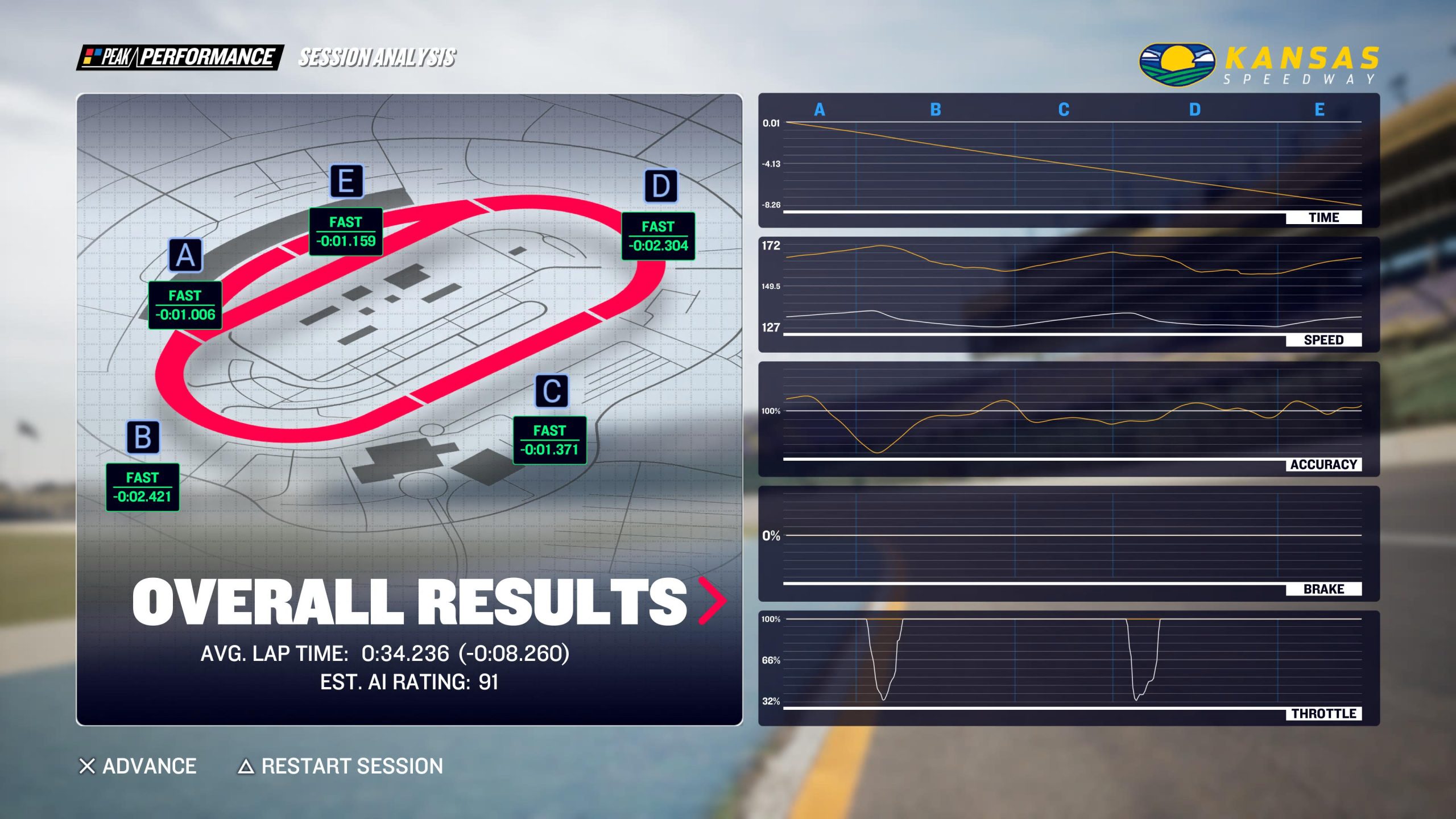
Peak Performance is a welcome dedicated training mode that puts real NASCAR voices—Jamie McMurray and Steve Letarte—in the coach’s chair. It lets you compare your braking points, throttle application, and lift zones against reference telemetry, highlighting exactly where time is being left on the table. The best-line assistance and visual cues are especially useful on road courses, where many players otherwise struggle, and the sessions can be skipped if you prefer to learn by racing. Because the coaching appears both as a standalone option and inside Career Mode, it doubles as both a beginner’s tutorial and a tool for refining existing habits.
The mode’s strength is its clarity rather than complexity. It does not overwhelm with endless data pages, but the telemetry comparison is precise enough that better lines become obvious after a few attempts. On ovals the guidance is more straightforward, while road courses benefit the most from the structured feedback. It is not a substitute for real practice, yet it shortens the learning curve and gives players a concrete way to improve without simply grinding races. For a series that has historically offered limited practice tools, this is a meaningful quality-of-life addition.
The Chase
The Chase is a standalone mode that lets you jump straight into the final ten races of the season and fight for a championship without first completing an entire schedule. You choose the field of competitors yourself, so the competition can be tailored to whatever intensity or driver roster you prefer across any of the four national series. The dynamic track system and full physics package remain active, meaning the late-season races still evolve as rubber builds and strategies shift under the playoff pressure. It is an efficient way to experience the high-stakes portion of a NASCAR campaign when time is limited.
Because the mode is self-contained, it avoids some of the longer-term management grind of full Career while still delivering meaningful championship racing. The ability to hand-pick the field keeps the races competitive and prevents the AI from feeling completely scripted. It is not a full playoff simulation with every real-world rule nuance, yet it captures the spirit of the final stretch and works well as both a quick competitive outlet and a testing ground for different car setups. Players who enjoy the tension of points racing will find it one of the more focused single-player options in the package.
Championship
Championship Mode offers full-season campaigns across the Cup, O’Reilly Auto Parts, Craftsman Truck, and ARCA Menards Series, letting you experience complete schedules with the same improved physics and dynamic track systems found elsewhere. You can race as real drivers or create custom events, and the mode supports the full range of difficulty and race-length options so both casual and more serious players can find a comfortable pace. Points, stages, and pit strategy all factor in, giving the longer events a proper sense of progression across a season.
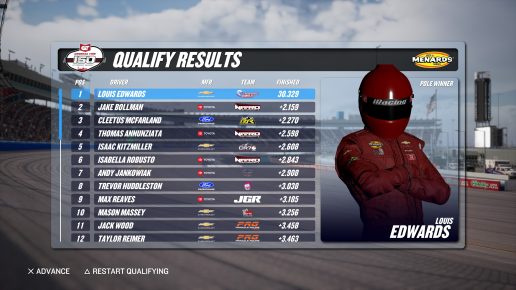
The presentation stays consistent with the rest of the game—solid broadcast-style overlays, spotter calls, and the ability to adjust AI aggressiveness and ratings. While it lacks some of the off-track management layers of Career Mode, it delivers pure racing over a full schedule without the weekly facility decisions. For players who simply want to chase a title against the AI with authentic rosters and tracks, Championship Mode is the most straightforward long-form single-player experience available. It benefits directly from the better driving model and is one of the places where the improved AI behavior is most noticeable over a full season.
Online Mode
Online multiplayer benefits from full cross-play between PS5, Xbox Series X|S, and PC, which helps fill lobbies faster than platform-specific play alone. Races support the same physics, dynamic track, and setup options as the offline modes, and recent patches have addressed issues such as pit-stop requests and settings carryover. Safety violations are present to discourage the most egregious behavior, and the ability to filter by platform or enable full cross-play gives players some control over their experience. When clean racing occurs, the improved driving model makes close battles and drafting packages feel rewarding.
The structure remains relatively light, however. There are no persistent online championships, ranked ladders, or dedicated series with leaderboards, so sessions are largely lobby-based and one-off. Public rooms can still suffer from the usual contact-heavy racing common to console stock-car games, and the lack of longer-term progression means many players treat online as occasional fun rather than a primary mode. Cross-play is a genuine improvement and the core racing holds up when the field behaves, yet the online experience currently feels more like a collection of races than a fully developed multiplayer ecosystem. For those who mainly want quick competition against real drivers, it delivers; those seeking structured online seasons will still find it limited.
In Conclusion
NASCAR 26 is a solid, focused sequel that improves where it matters most—on the track—while leaving some of the broader structure and depth relatively unchanged from last year. The refined physics, Dynamic Track system, stronger audio, and useful Peak Performance tools make the actual racing more engaging and authentic than before, and modes like The Chase and Championship give players flexible ways to experience full seasons or high-stakes stretches. Cross-play is a welcome addition that helps keep online races populated, even if the multiplayer side still lacks longer-term structure.
At the same time, Career Mode remains more of a gradual team-building loop than a deeply personal or surprising journey, and the overall package still feels like an incremental step rather than a major leap. If your priority is quality oval and road-course racing with authentic NASCAR flavor on PS5, NASCAR 26 delivers a satisfying and improved experience. If you are looking for deeper off-track systems or a more robust online ecosystem, you may find it familiar and somewhat limited. It is a good game for fans who want to race, and a modest upgrade for those already invested in the series.
8
NASCAR 26 review code provided by publisher and reviewed on a PS5. For more information on scoring, please read What our review scores really mean.