Diving headfirst into Star Wars Outlaws feels like stowing away on the Millennium Falcon during a high-stakes Kessel Run—exhilarating, unpredictable, and brimming with that signature scoundrel charm.
Crafted by Ubisoft Massive and released in August 2024, this ambitious open-world action-adventure transplants you into the life of Kay Vess, a resourceful thief with a knack for trouble, operating in the gritty criminal fringes of the Star Wars timeline, right between The Empire Strikes Back and Return of the Jedi. It’s a deliberate pivot from the franchise’s Force-wielding epics, emphasizing cunning over destiny, heists over heroism, and the thrill of narrow escapes. With your loyal merqaal companion Nix at your side—a furry, expressive creature whose wide-eyed mischief rivals Chewbacca’s loyalty—this isn’t just another lightsaber simulator; it’s a love letter to the roguish everyman (or everywoman) hustling under the Empire’s nose.
By mid-2025, post-launch refinements have elevated it from a promising but buggy debut to a must-play for fans craving narrative depth in a sandbox galaxy. Clocking in at 20-30 hours for the main story and easily doubling that with side content, Outlaws rewards patient explorers while punishing the reckless. It’s not without flaws—repetitive fetch quests and occasional AI quirks can snag the momentum—but its heart beats with authentic Star Wars spirit, blending high-octane set pieces with quiet character moments.

Story and Characters: Heists, Betrayals, and Found Family
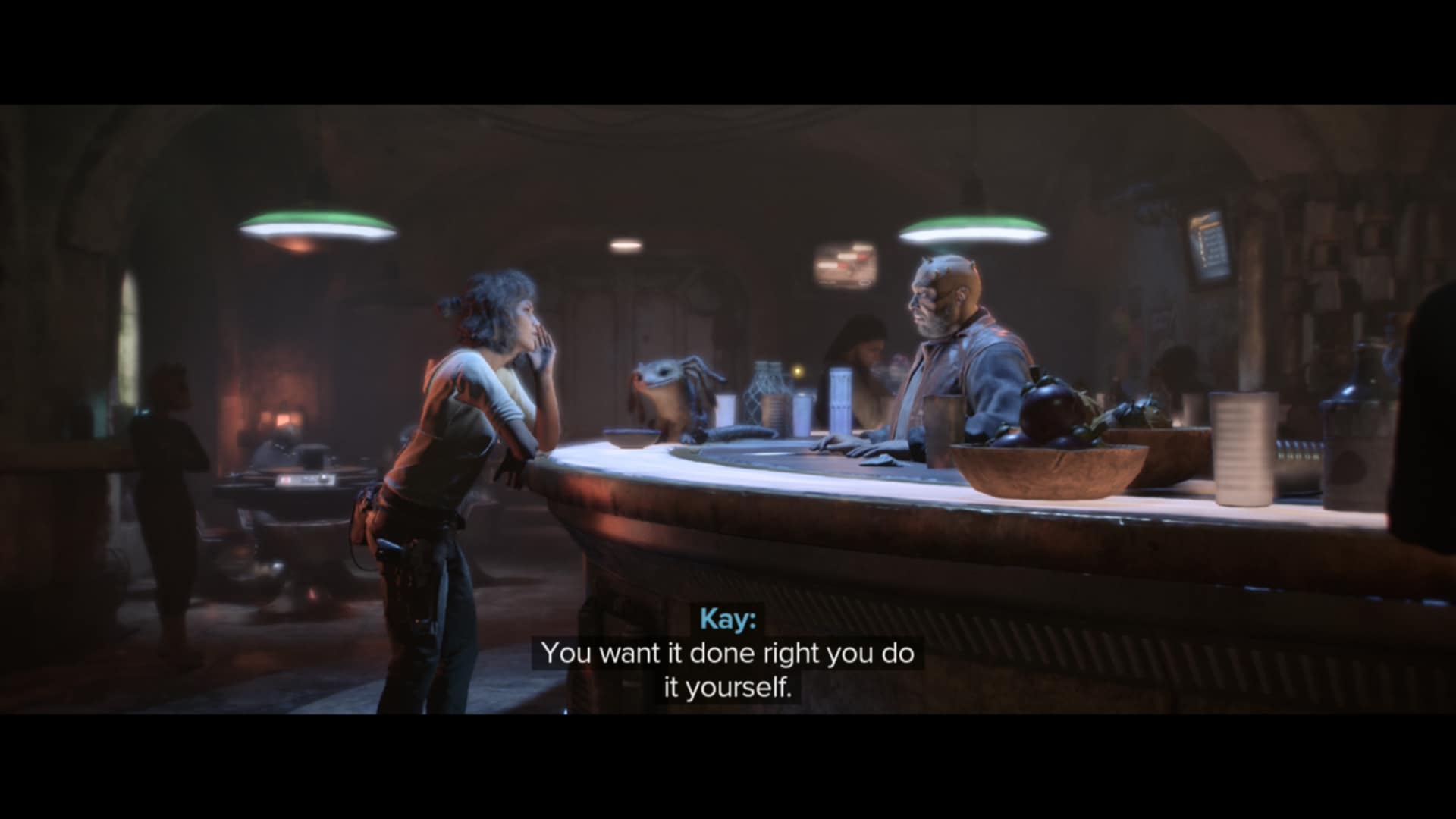
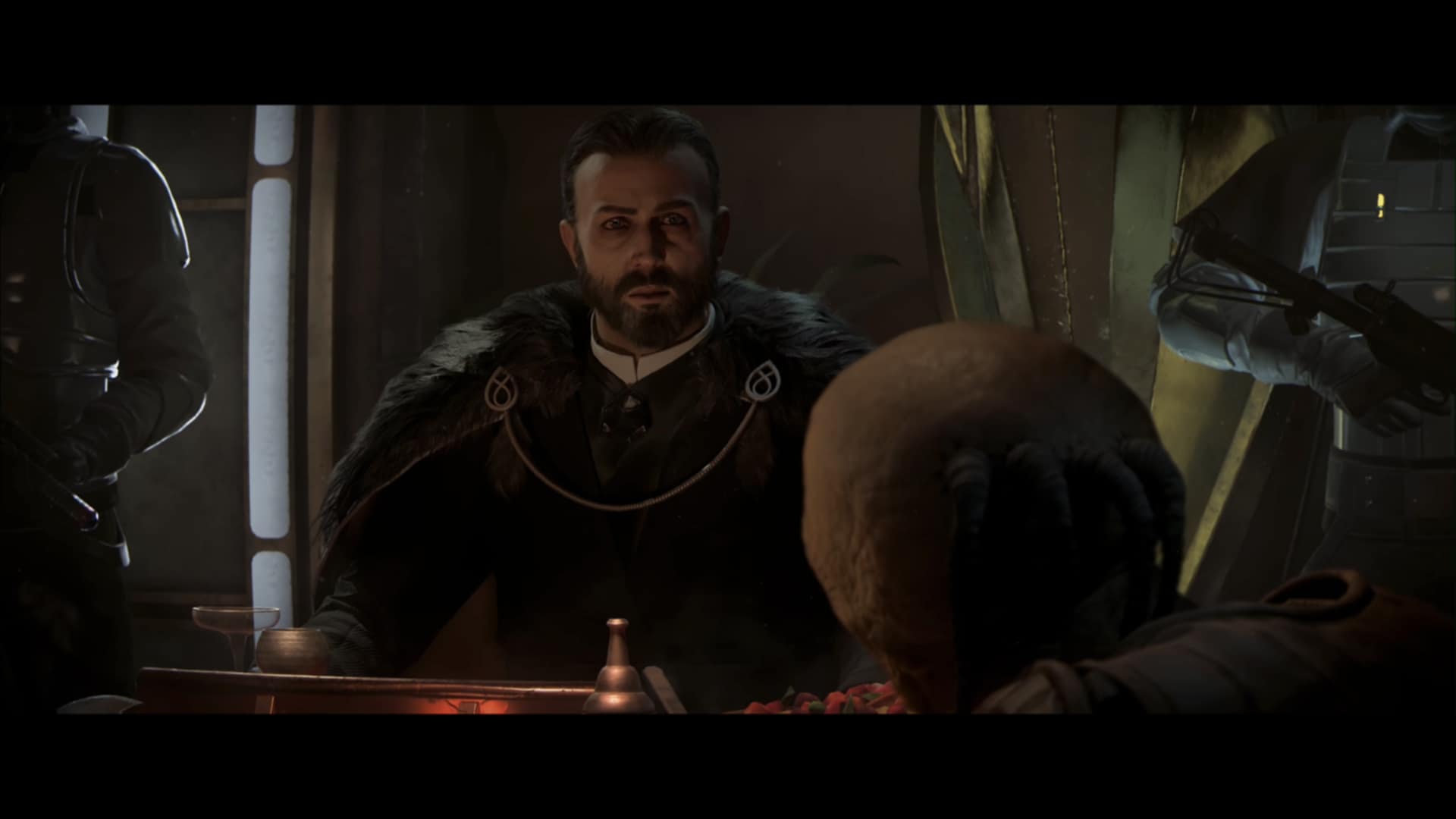
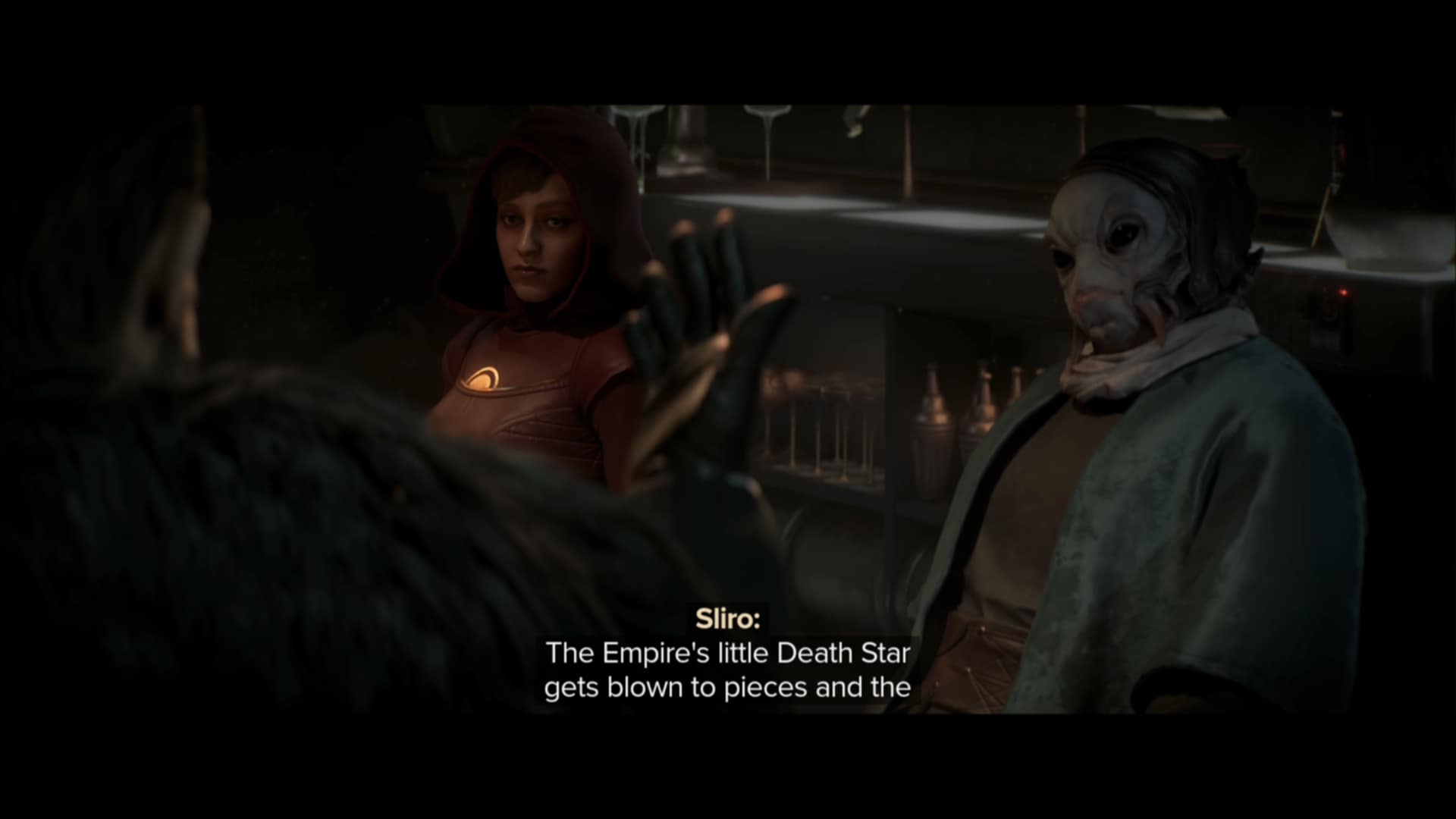
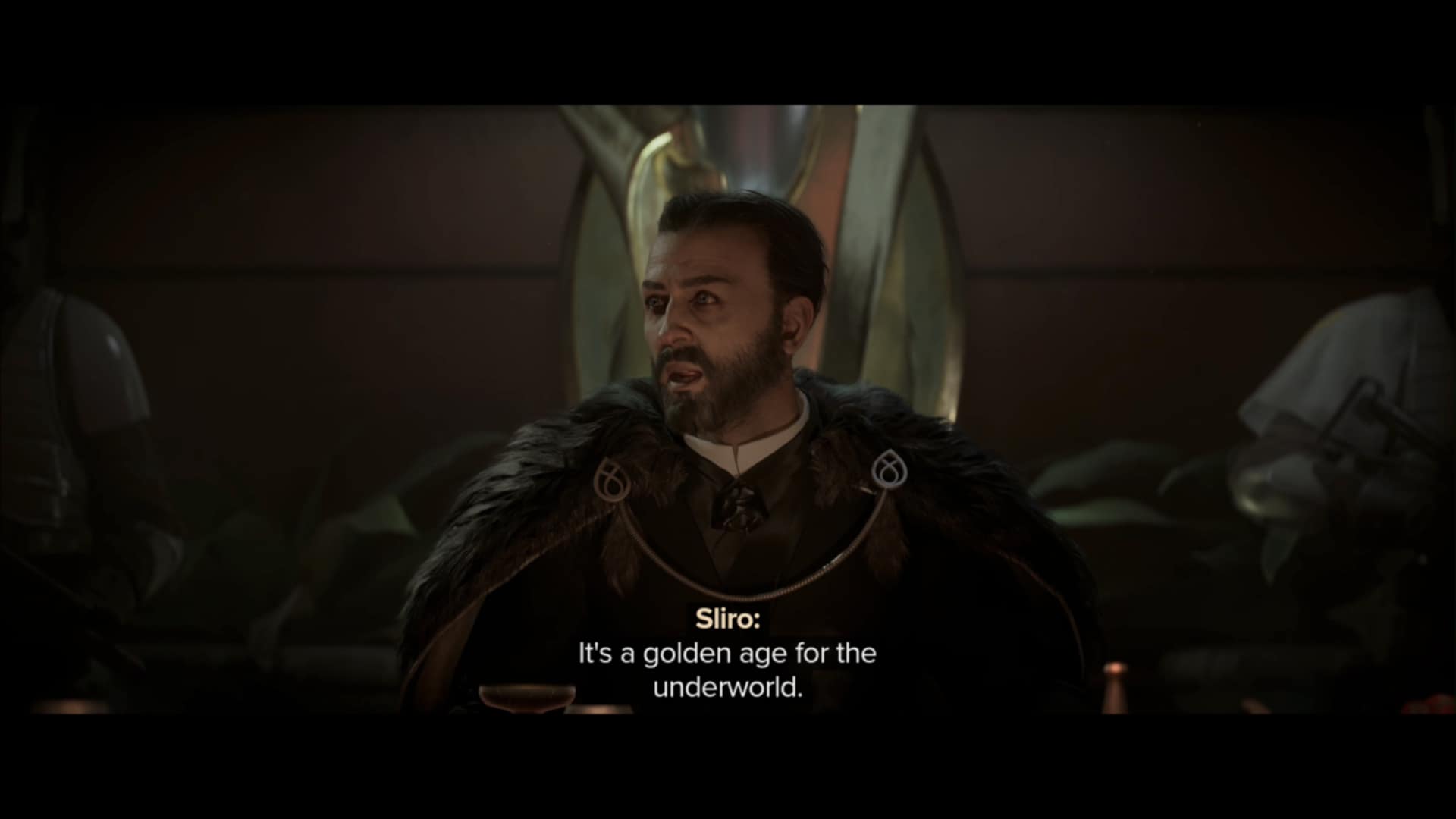
At its core, Outlaws spins a tale of ambition clashing with consequence, as Kay Vess assembles a ragtag crew for the score of a lifetime: stealing a hyperdrive part to outmaneuver the galaxy’s syndicates. The narrative unfolds across four distinct planets, each a chapter in Kay’s rise from small-time crook to reluctant legend. It’s structured like a prestige heist flick—think Ocean’s Eleven in hyperspace—with escalating stakes, moral gray areas, and twists that hinge on your reputation system. Choices in dialogue and alliances ripple outward: side with the Pyke Syndicate for brutal efficiency, or cozy up to the Crimson Dawn for sly intel? These decisions don’t overhaul the ending but flavor your journey, unlocking unique perks like discounted black-market gear or exclusive story branches.
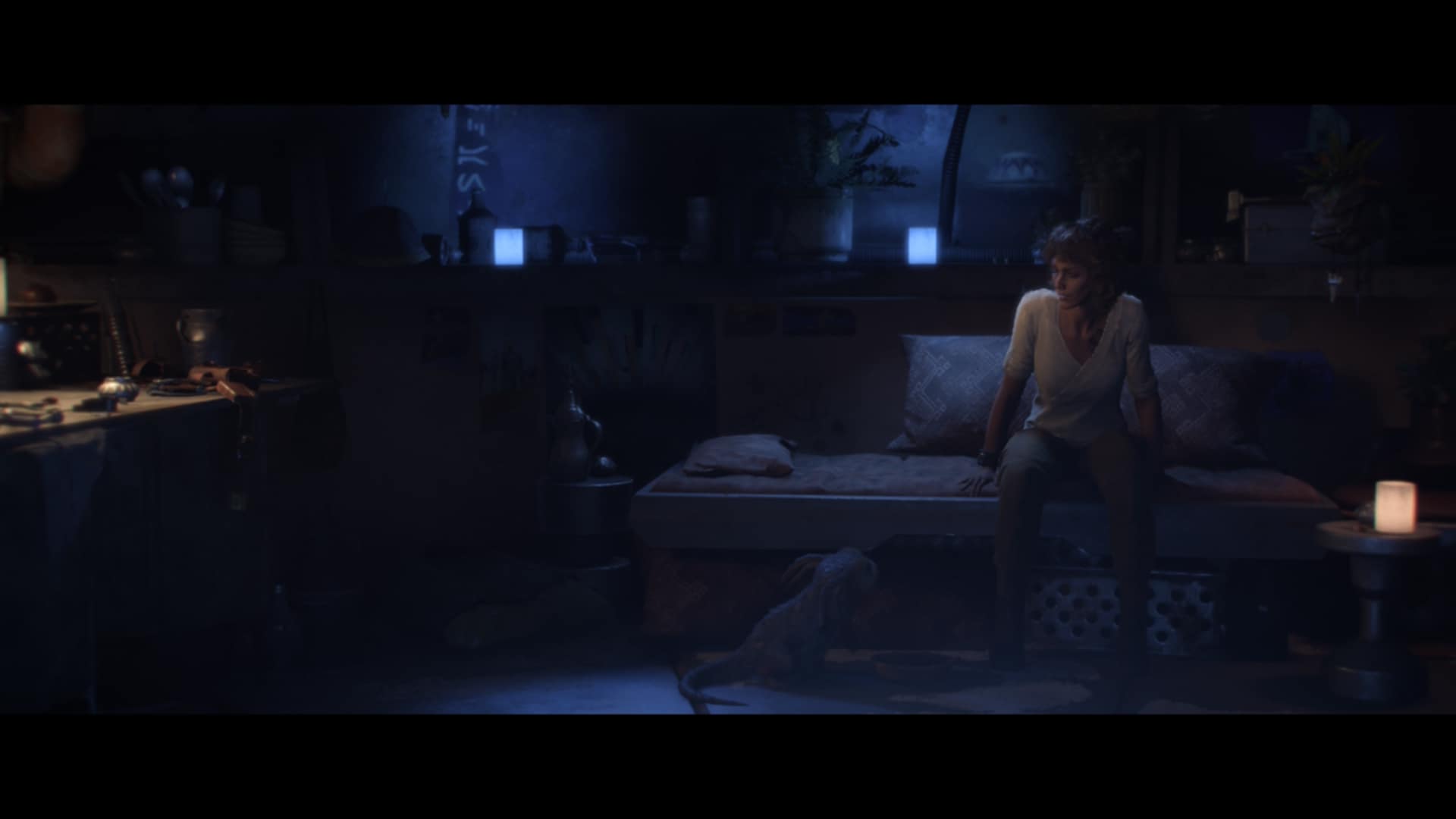
Kay herself is a standout protagonist—voiced with wry charisma by voice actress (redacted for spoiler-free vibes)—a street-smart survivor haunted by her past, whose vulnerability peeks through tough banter. Nix steals the show as her intuitive partner, communicating via gestures and environmental puzzles that deepen their bond. Supporting cast shines too: the enigmatic spacer ND-5 offers tech-savvy quips, while cameos from canon heavyweights like a certain moisture-farming enthusiast add nostalgic winks without derailing the focus. It’s character-driven storytelling at its best, fostering emotional investment through downtime scenes—like sharing a meal on your ship—that humanize the chaos. Minor gripes? Some arcs feel underdeveloped, especially for crew members who join late, leaving their backstories as tantalizing teases rather than full explorations.
Gameplay Mechanics: Forging Your Path as a Galaxy’s Most Wanted
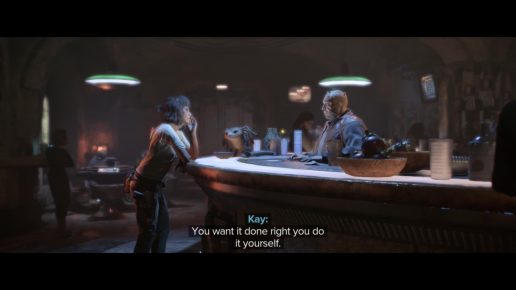
Outlaws thrives on player agency, letting you carve Kay’s legend through a web of interconnected systems. The reputation meter is the beating heart: pull off jobs for one faction, and rivals turn hostile, spawning ambushes or blocked routes. This dynamic underworld economy means no two playthroughs feel identical—barter for intel in seedy cantinas, hack security doors with Nix’s help, or grease palms with credits earned from smuggling runs. Skill trees branch into stealth, combat, and piloting, with perks like “Quick Draw” for faster reloads or “Shadow Step” for silent takedowns, encouraging experimentation without overwhelming complexity.
Exploration is gated smartly: planets unlock progressively, but fast travel via your customizable Trailblazer ship keeps traversal snappy. Side activities abound—racing speeder bikes through canyon chases, eavesdropping on Imperial patrols for bounty leads, or customizing your hideout with scavenged trinkets. It’s all underpinned by a forgiving checkpoint system, ensuring failed heists lead to retries rather than rage-quits. The game’s length allows for meaningful progression; by the finale, you’ll feel like a tuned-up rogue, with a arsenal of gadgets and a crew that’s got your back.
World-Building and Exploration: Planets That Breathe with Life
What sets Outlaws apart is its lived-in galaxy, where every dust-choked alley or orbital station pulses with detail. Toshara’s volcanic badlands hide syndicate outposts amid lava flows, Kijimi’s perpetual blizzards cloak spice dens in whiteout tension, and later worlds like Akiva introduce lush jungles teeming with feral beasts and forgotten ruins. These aren’t empty maps; dynamic events like spice raids or Imperial crackdowns erupt organically, drawing you into emergent stories. Fauna and flora feel integral—Nix can sniff out hidden paths or distract guards with thrown objects—while lore drops via datapads and overheard conversations weave in Expanded Universe nods without info-dumps.
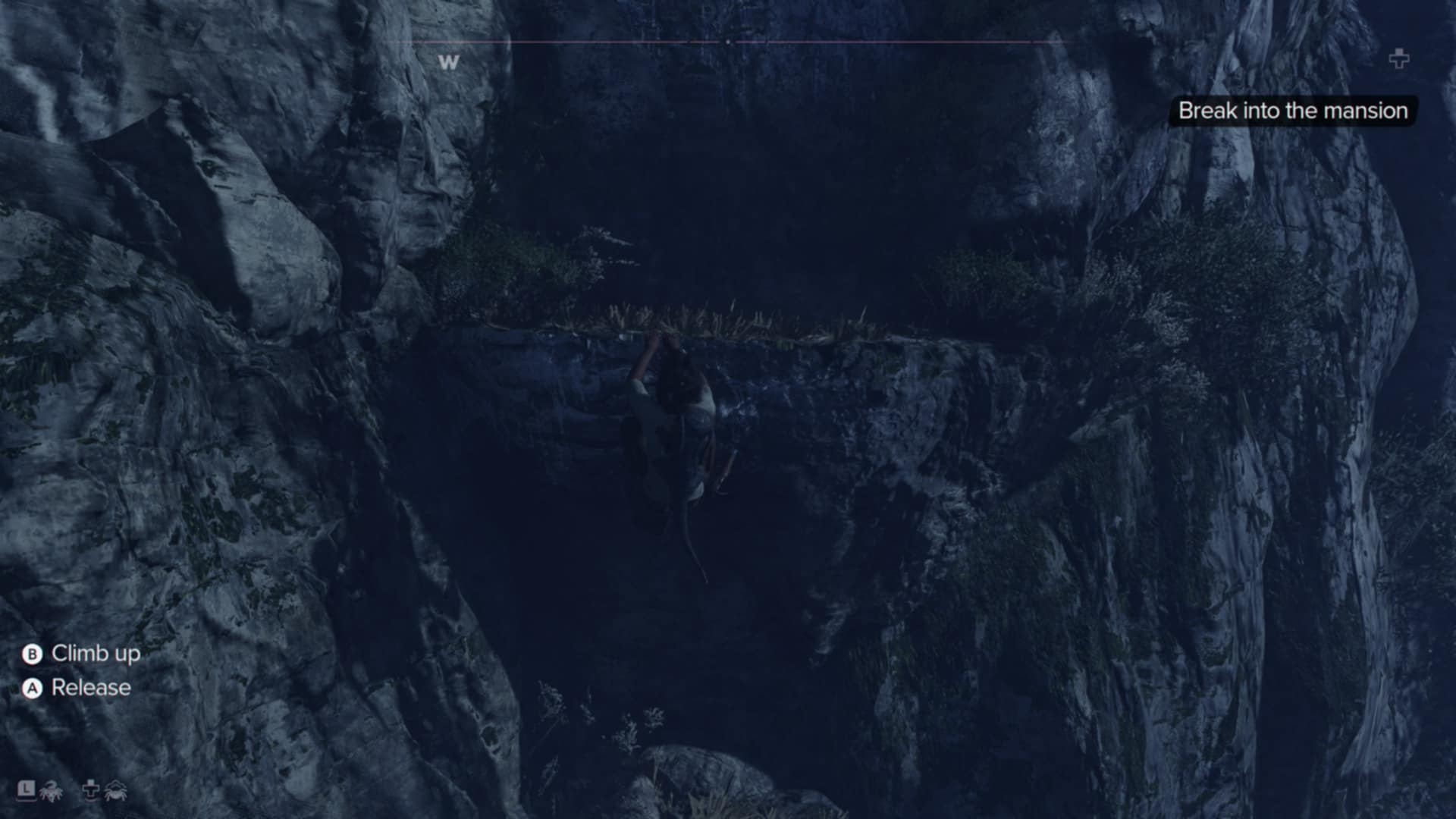
Traversal shines with verticality: climb sheer cliffs, jetpack across chasms, or hijack AT-ST walkers for improvised chaos. Collectibles like lost holocrons unlock backstory vignettes, and the economy ties it together—sell excess loot for upgrades, or hoard for that rainy day betrayal. It’s a world that invites wandering, rewarding curiosity with surprises like a derelict Star Destroyer ripe for salvage, making the 100+ hours of completionist play feel earned rather than exhaustive.
Combat and Stealth: Blasters, Blades, and Brain Over Brawn
Combat splits between visceral shootouts and tense infiltrations, with a emphasis on hybrid approaches. Blaster fights are weighty and tactical: mod your DL-44 for explosive rounds or silenced shots, flank enemies with cover mechanics, and use environmental hazards like electrified floors to thin herds. Melee options, from vibro-knives to improvised pipe wrenches, add brutal flair for close-quarters scraps, while Nix can sabotage turrets or fetch ammo mid-fight. It’s not revolutionary—echoes The Division‘s looter-shooter roots—but the Star Wars arsenal (E-11s, thermal detonators) injects thematic joy.
Stealth leans gadget-heavy: cloaking devices for shadows, EMP grenades for droids, and Nix’s distractions for patrols. AI is competent, with guards calling alerts on spotted bodies, but lacks the nuance of Hitman-level mind games. Success feels empowering, especially in multi-phase heists where one slip cascades into all-out war. Difficulty scales well, from casual blasts to permadeath challenges, ensuring replayability for different moods.
Spaceflight and Vehicle Handling: Dogfights Among the Stars
One of the game’s underrated gems is its space sim elements, transforming the Trailblazer into a customizable cockpit of dreams. Dogfights against TIE swarms deliver arcade adrenaline—barrel rolls to dodge missiles, target subsystems for quick kills, or tractor-beam boarding for zero-G takedowns. Upgrades like shield boosters or homing torpedoes let you tailor for aggression or evasion, with hyperspace jumps unlocking new routes and secrets.
Ground vehicles add variety: speeders for high-speed pursuits through urban sprawls, landspeeders for off-road treks, even tauntaun rentals on icy worlds for a cheeky nod to Hoth. Handling is responsive, with physics that reward skillful drifts over button-mashing, though collision detection can occasionally glitch into frustration.
Audio-Visual Presentation: A Symphony of the Stars
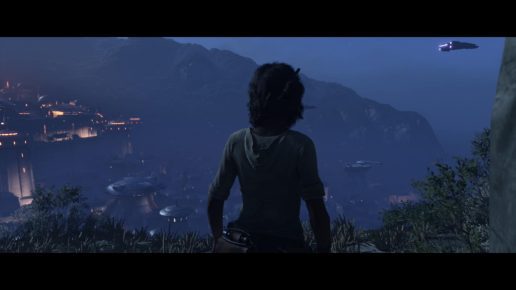
Visually, Outlaws is a feast: Snowdrop engine conjures bustling markets with flickering holograms, starfields that twinkle with procedural nebulae, and character models whose subtle animations—like Kay’s fidgety holster checks—breathe personality. HDR on supported hardware pops with vibrant sunsets and moody neon underbellies, while ray-traced reflections in polished chrome evoke cinematic polish.
The audio design is equally masterful. Blaster pew-pews crackle with authenticity, engines rumble with sub-bass heft, and ambient soundscapes layer alien calls with distant freighter hums. The score, by Brothers Strause, fuses orchestral swells (think brass fanfares for triumphs) with synth-driven tension for stealth, evoking Williams while carving its niche. Voice acting across a diverse alien roster lands with panache, from guttural Huttese snarls to polished Corellian drawls.
Technical Aspects and Longevity: Patched to Perfection
Launch woes—frame drops, quest bugs—dampened early hype, but by September 2025, patches have fortified it: optimized AI paths, faster loads, and balance tweaks make it a lean machine. It’s stable across platforms, with minimal crashes, though mod support (PC-only) extends life via community cosmetics. DLC like “Wild Card” adds Kay’s prequel arcs and new planets, while New Game+ encourages reputation reruns. It’s built for longevity, with seasonal events tying into live-service whispers, though it wisely avoids full MMO bloat.
Nintendo Switch 2 vs. PS5: A Deep-Dive Platform Showdown
Porting Outlaws to the Nintendo Switch 2 on September 4, 2025—mere months after the console’s June unveiling—marks a bold flex for hybrid gaming, but the PS5’s 2024 launch edition remains the gold standard for unbridled spectacle. Both deliver the full scoundrel saga, yet hardware chasms shape distinct experiences: the Switch 2 prioritizes pocket-sized freedom, while PS5 unleashes raw fidelity. Let’s unpack the nuances.
Graphics and Visual Fidelity: Compromises in a Compact Galaxy
The PS5 dazzles with native 4K (or dynamic scaling) and ray-traced globals, rendering Toshara’s lava glows with photorealistic heat haze and Kijimi’s snow with crystalline detail. Textures pop at distance, foliage sways with wind simulation, and particle effects—like blaster scorch marks—linger with lifelike persistence, immersing you in a blockbuster diorama.
Switch 2, constrained by its portable form, dials back to 1080p docked (720p handheld) with baked lighting and reduced draw distances, softening planetary horizons into misty fades. Aliasing creeps in during motion, and effects like volumetric fog lose depth, but art direction holds firm—neon signs still flicker evocatively, and character close-ups retain expressive nuance. It’s a competent translation, akin to a well-shot fan film: charmingly evocative, if not cinema-grade.
Performance and Frame Rates: Stability Over Spectacle
PS5’s dual modes—60fps performance for buttery combat or 30fps quality for visual feasts—handle chaos flawlessly, with SSD wizardry slashing loads to seconds and nary a hitch in hyperspace skirmishes. It’s a console optimized for marathon sessions, where seamless transitions keep immersion airtight.
The Switch 2 locks at 30fps, dipping to mid-20s in foliage-dense jungles or fleet battles, but a launch-day patch stabilizes it admirably, prioritizing consistency over peaks. Handheld mode shines for battery-sipping calm (3-4 hours at medium brightness), though docked play edges closer to PS5 smoothness. Loads stretch to 25 seconds, a minor patience test, but V-Sync tweaks minimize tearing for fluid prowls.
Controls and Input Methods: Tailored Touches for Each Handheld
PS5’s DualSense is a sensory symphony: adaptive triggers tense with each blaster pull, haptics pulse through ship vibrations, and gyro fine-tunes aim for sniper precision. It’s intuitive for couch commandos, with menu navigation feeling premium and accessible tweaks like remappable buttons enhancing inclusivity.
Switch 2 flips the script for on-the-go flair—Joy-Cons’ HD rumbles mimic Nix’s patters, gyro aiming excels in stealth crawls, and touchscreen menus zip through inventory swaps. Motion controls for ship maneuvers add playful flair, though stick drift risks loom for veterans. Battery drain spikes in intense bouts, but sleep mode preserves progress mid-heist.
Content Parity and Extras: One Galaxy, Infinite Paths
Happily, parity reigns: both pack the 40-hour campaign, 20+ hours of sides, and Gold Edition DLCs like “A Pirate’s Fortune” with new heists and cosmetics. Switch 2 tosses in hybrid perks—cloud saves for seamless swaps between TV and train rides—while PS5 snagged early exclusives like a timed character skin, now universal. Updates sync simultaneously, ensuring no platform lags in bug fixes or balance passes.
Portability and Accessibility: Freedom vs. Immersion Depth
Switch 2’s killer app is mobility: tuck it in a bag for bite-sized bounties during commutes, with the 7-inch screen cozy for solo sessions (though subtitles shrink in handheld). It’s a gateway for casual fans, blending accessibility with Nintendo’s ecosystem for quick shares.
PS5 demands a setup—big-screen glory for epic vistas—but excels in depth: system-wide options like high-contrast modes and audio cues broaden appeal. It’s for dedicated dives, where the spectacle amplifies emotional beats.
Value and Final Recommendations: Choosing Your Hyperspace Lane
At launch, Switch 2’s Gold Edition nudged higher to bundle extras, but eShop sales even the field; PS5’s base game, now discounted, offers bang-for-buck on disc or digital. If portability fuels your wanderlust, the Switch 2 port is a triumph—optimized to let the galaxy fit in your pocket without soul-crushing cuts. For purists seeking the pinnacle of polish, PS5 is non-negotiable: a visceral, velocity-fueled ride that honors the saga’s grandeur. Whichever vector you vector, Outlaws cements itself as a stellar swindle worth every credit.
9
Star Wars Outlaws review code provided by publisher and reviewed on a Nintendo Switch 2. For more information on scoring, please read What our review scores really mean.