
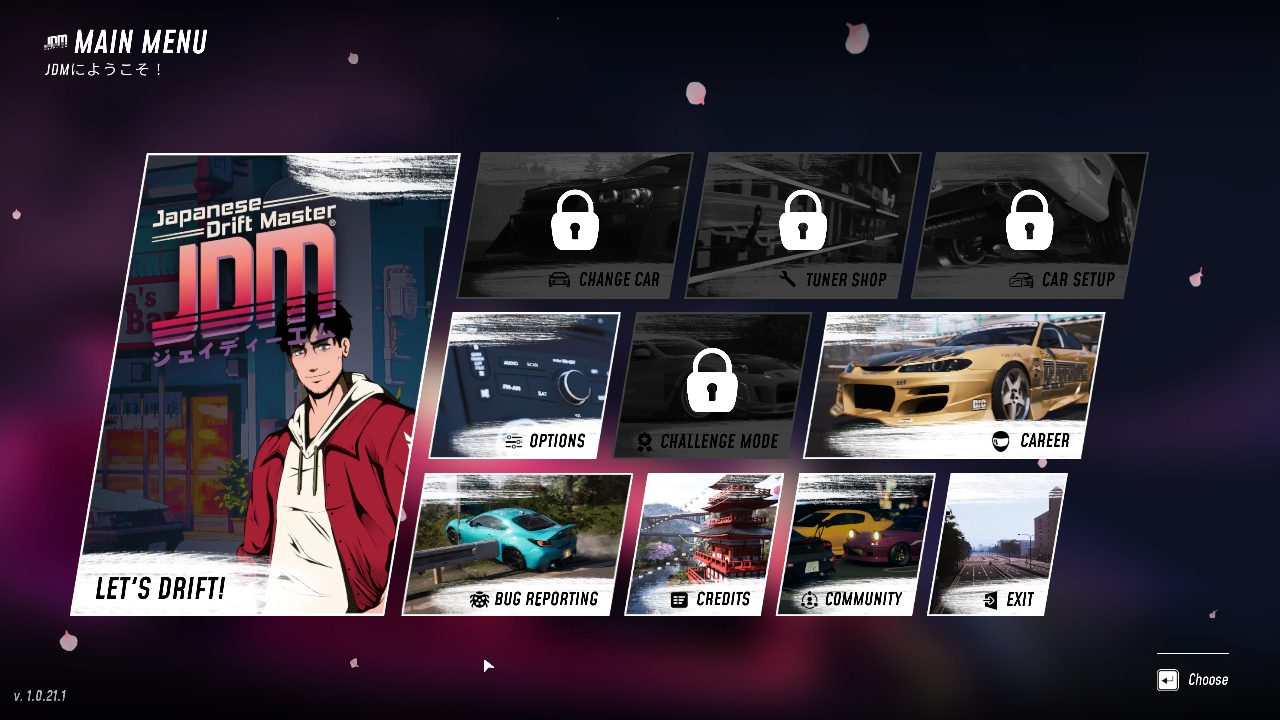
Rev your engines for JDM: Japanese Drift Master, where neon-lit touge roads and Eurobeat-fueled drifts plunge you into Japan’s underground hashiriya scene.
The History of Drifting in Japan
Drifting, as a motorsport, originated in Japan during the 1970s, evolving from the daring exploits of racers navigating the country’s winding touge (mountain pass) roads. Pioneers like Kunimitsu Takahashi, a legendary Japanese racer, laid the groundwork with high slip-angle driving techniques in the 1960s and 1970s, inspiring a generation of street racers to push the limits of car control. Keiichi Tsuchiya, dubbed the “Drift King,” elevated drifting to an art form in the 1980s, perfecting techniques like clutch kicking and handbrake turns on roads like those in Gunma Prefecture. His influence, combined with the rise of JDM (Japanese Domestic Market) car culture featuring iconic models like the Toyota AE86 and Nissan Skyline, cemented drifting as a cultural phenomenon, later formalized through competitions like the D1 Grand Prix in 2000.
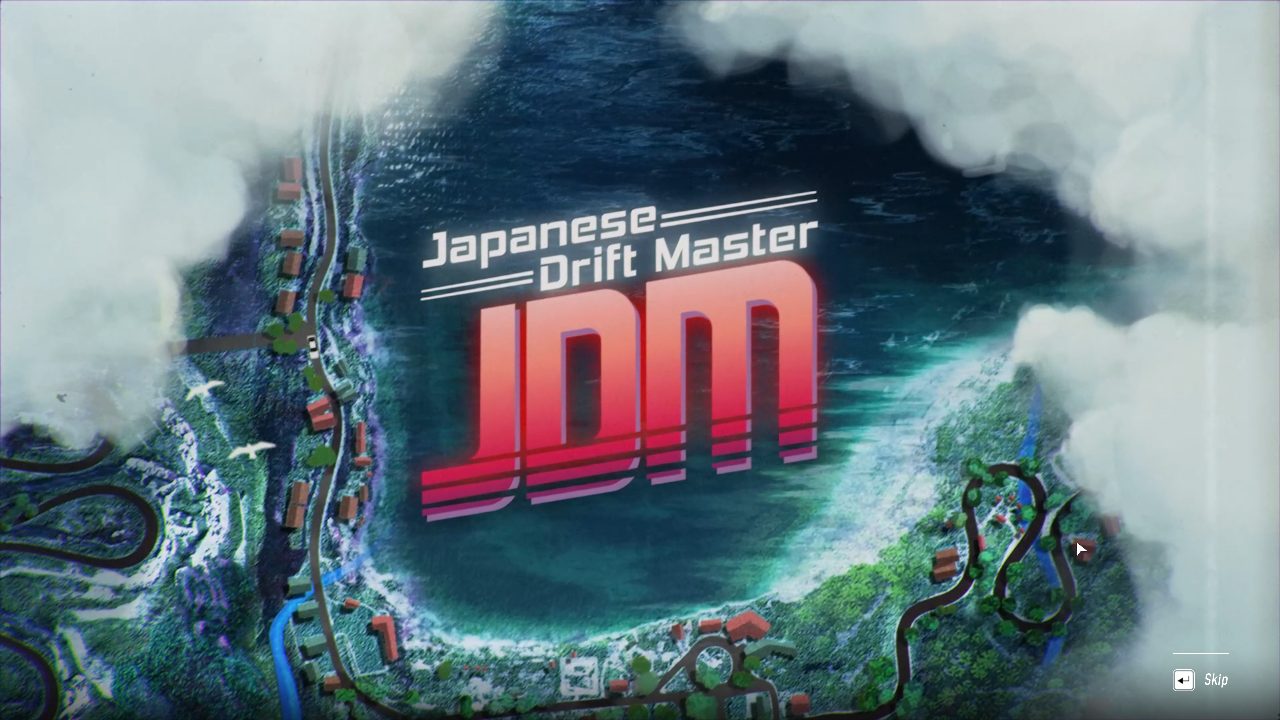
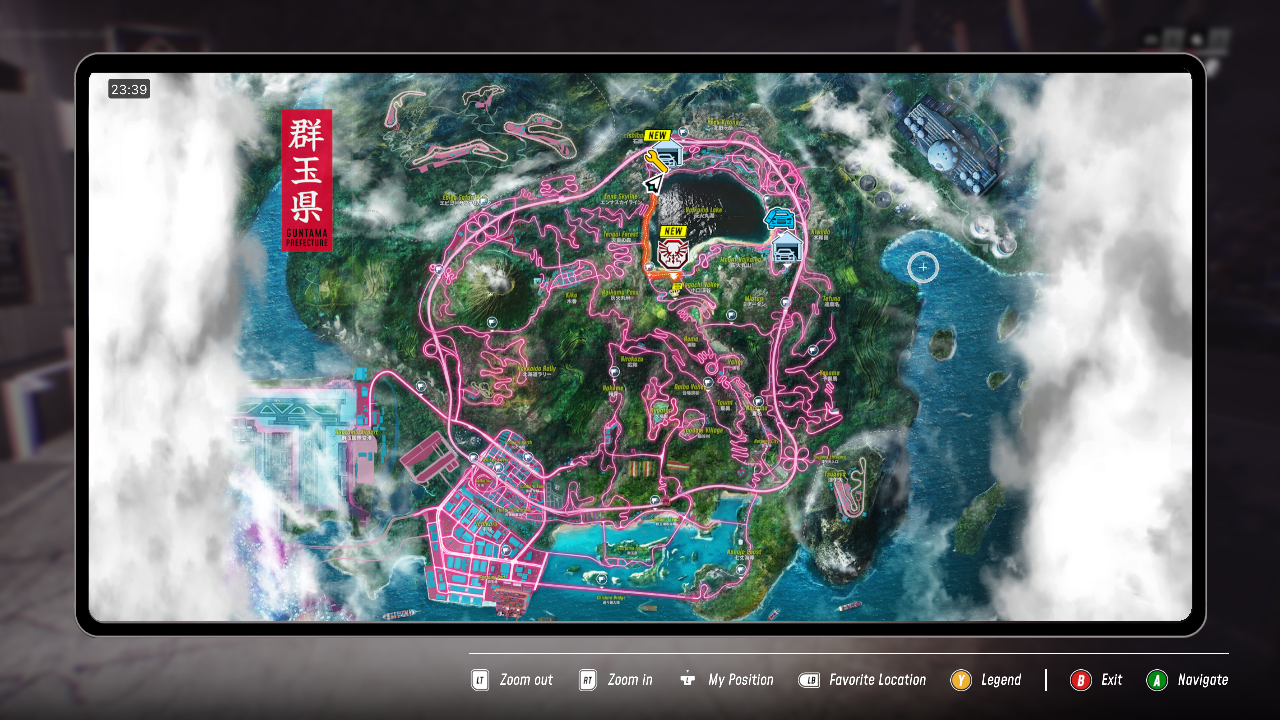
JDM: Japanese Drift Master captures this rich history by setting its open-world experience in the fictional Guntama Prefecture, a beautifully crafted homage to Honshu’s touge roads. Developed by Gaming Factory with input from drifting experts, the game authentically recreates the underground hashiriya (street racer) scene, complete with nods to real-world events and the influence of Initial D, the 1995 manga and anime that globalized drifting’s appeal. The game’s environments, from misty mountain passes to neon-lit city streets, evoke the raw energy of Japan’s drifting roots, making every race feel like a tribute to the sport’s storied past. While it doesn’t delve into the minutiae of drifting’s evolution, its cultural authenticity and attention to detail make it a fitting celebration of Japan’s automotive legacy.








JDM Game History
The JDM gaming niche has deep roots in Japan’s dominance of the gaming industry, with early racing titles like Sega’s OutRun (1986) and Namco’s Ridge Racer (1993) introducing players to the thrill of high-speed driving. The 1997 release of Gran Turismo marked a turning point, offering meticulously detailed JDM cars and realistic tuning options that appealed to car enthusiasts. The Initial D franchise, with its manga-inspired games like Initial D: Extreme Stage (2008), brought drifting to the forefront, focusing on touge racing and authentic JDM aesthetics. Later titles like Need for Speed: Underground (2003) and Drift Streets Japan (2015) capitalized on the JDM craze, blending street racing culture with customizable Japanese cars, though often with less emphasis on realism.
JDM: Japanese Drift Master builds on this legacy, delivering a modern, polished experience that bridges the gap between arcade racers and simulation-heavy titles. With partnerships from brands like Nissan, Mazda, Honda, and Logitech, the game features licensed JDM cars and a “simcade” approach that balances accessibility with depth. Its open-world design and detailed customization options surpass earlier indie efforts, while its manga-style storytelling echoes Initial D’s cultural impact. By combining authentic car handling with a vibrant depiction of Japan’s car culture, JDM sets a new standard for the genre, appealing to both nostalgic fans and newcomers seeking an immersive JDM experience.
Game Storyline and Manga
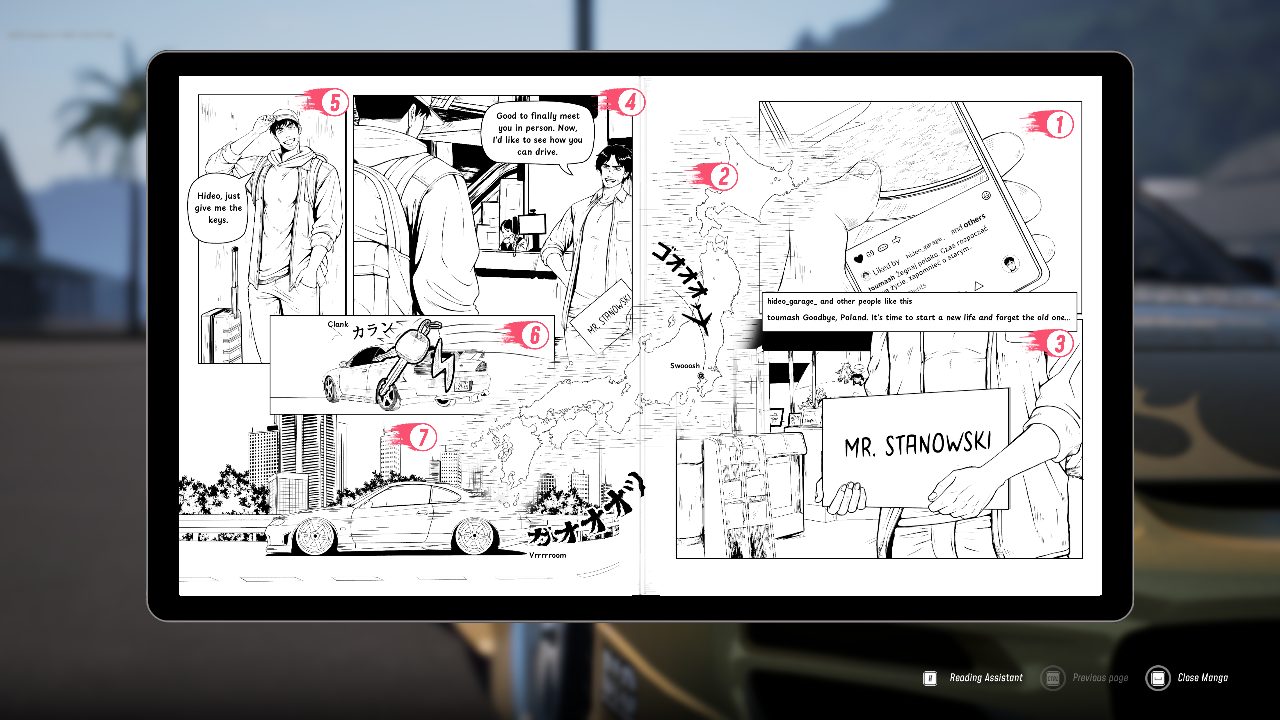
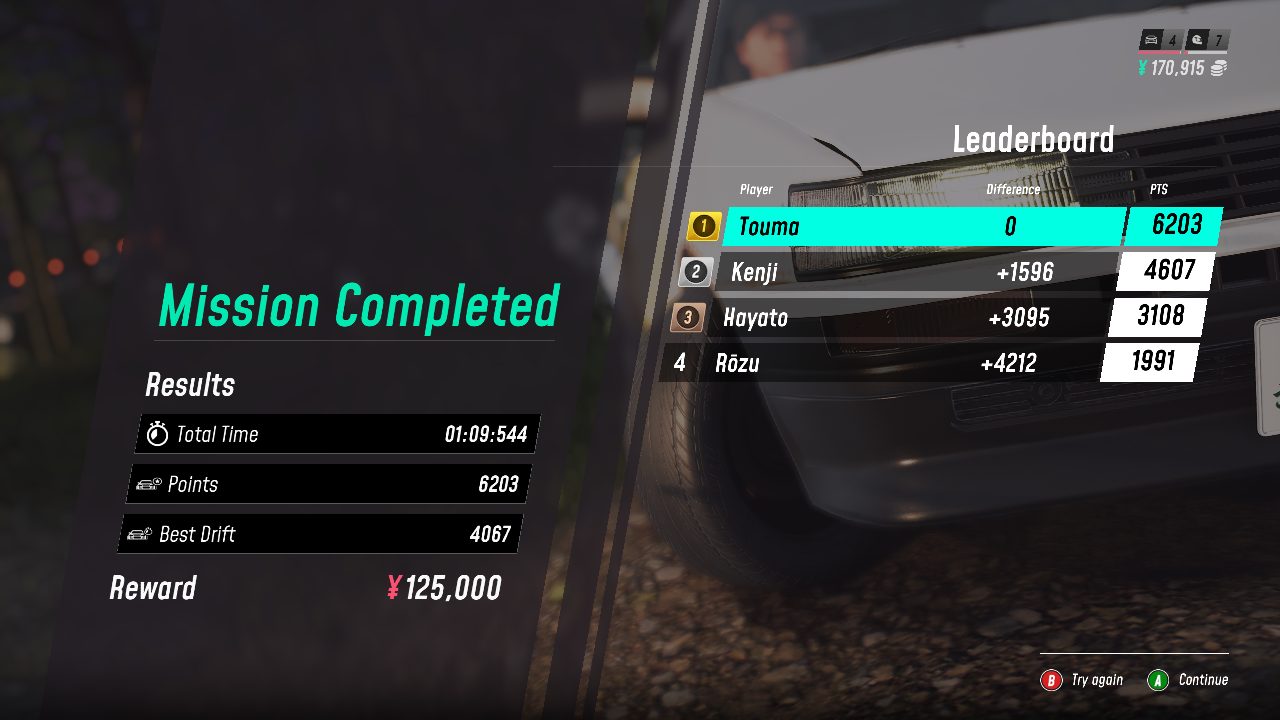
The storyline of JDM: Japanese Drift Master centers on Touma, a Polish outsider striving to earn respect in Japan’s fiercely competitive underground drifting scene. Delivered through over 40 manga-style cutscenes, the narrative unfolds with emotional depth, exploring themes of rivalry, perseverance, and cultural integration. Players engage in drift battles and sidequests, each tied to Touma’s journey to become a legendary hashiriya. The manga aesthetic, with its bold linework and expressive character designs, immerses players in a distinctly Japanese storytelling style, amplified by a Eurobeat-heavy soundtrack that pays homage to Initial D’s iconic vibe.
While the story is linear, its integration with gameplay feels seamless, with each race advancing the plot and deepening character relationships. The cutscenes, rendered in a vibrant manga style, are a highlight, offering a fresh alternative to typical cinematic sequences in racing games. However, some players might find the narrative predictable, leaning heavily on familiar underdog tropes. Still, the cultural authenticity and emotional resonance, combined with the game’s dynamic open world of Guntama Prefecture, make the storyline a compelling draw, especially for fans of anime and manga-inspired storytelling.
Arcade vs. Simcade Options
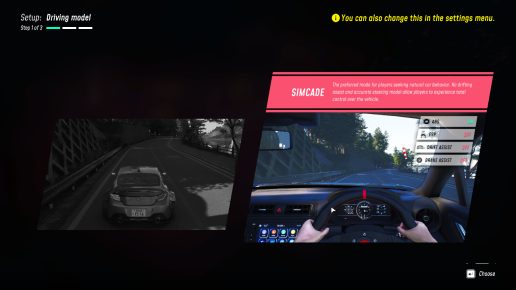
JDM: Japanese Drift Master excels in offering two distinct gameplay modes—arcade and simcade—catering to a broad spectrum of players. Arcade mode is designed for accessibility, featuring forgiving controls, automatic assists, and simplified steering that let casual players execute stylish drifts with minimal effort. This mode is perfect for those who want to experience the thrill of touge racing without mastering complex techniques, making the game approachable for newcomers or those seeking a more relaxed experience. The vibrant visuals and responsive controls ensure arcade mode remains engaging, with a focus on fun over precision.
Simcade mode, conversely, demands skill and precision, appealing to enthusiasts who want to replicate real-world drifting techniques like feints, clutch kicks, and weight transfers. Players can toggle between modes or adjust difficulty sliders and assists, allowing for a customized experience. While simcade mode delivers a satisfying challenge, some hardcore simulation fans might find it lacks the granular depth of dedicated sims like Assetto Corsa. Nevertheless, the flexibility to switch modes seamlessly ensures JDM strikes an impressive balance, making it versatile enough to satisfy both casual racers and dedicated drifters.
Transmission Options
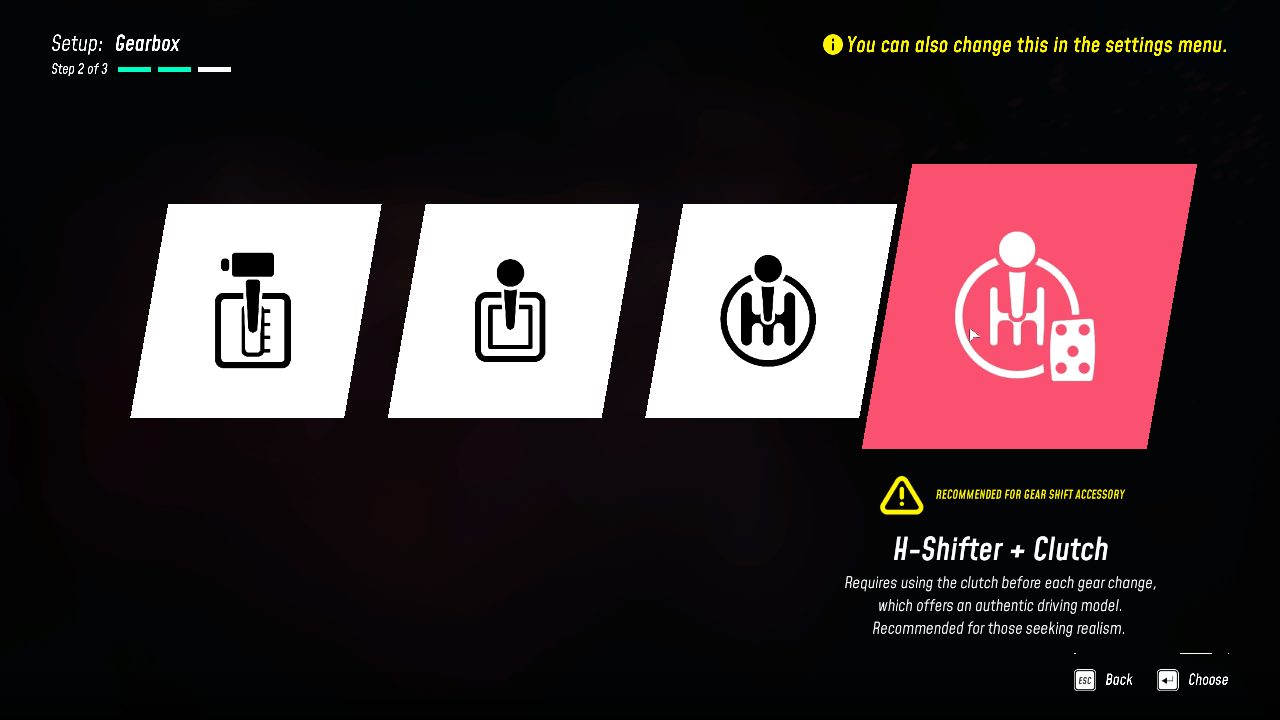
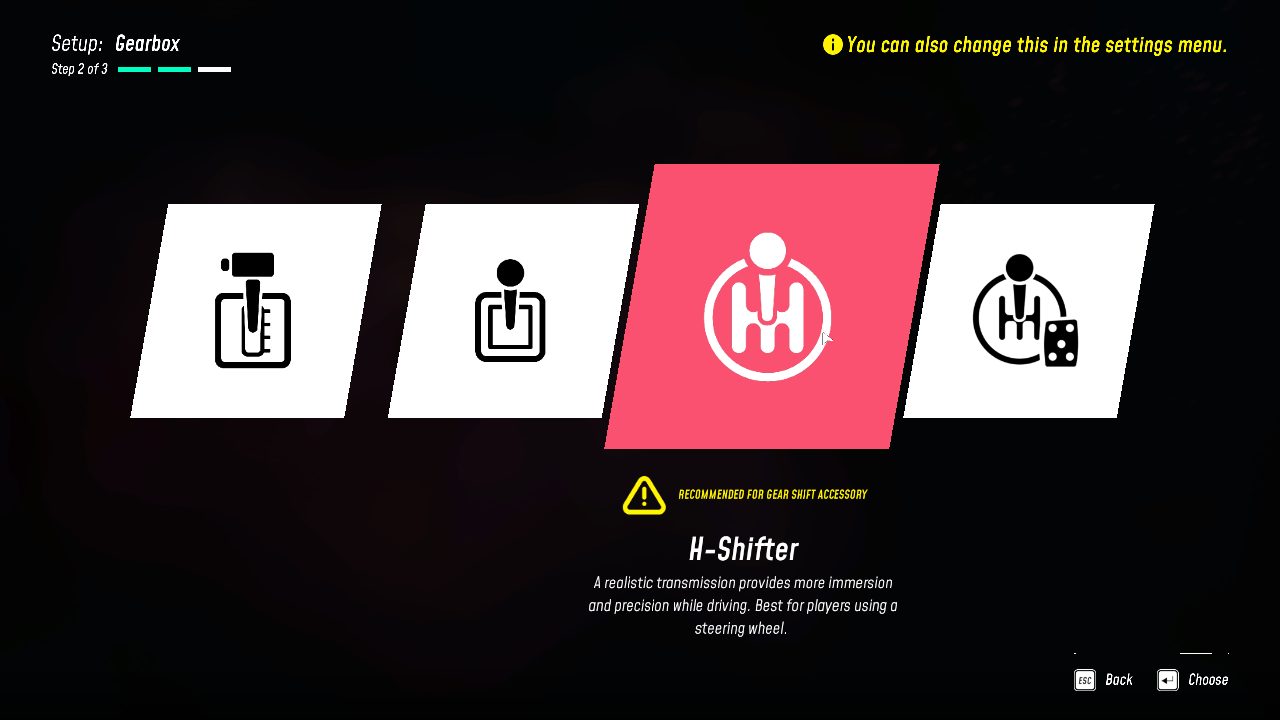
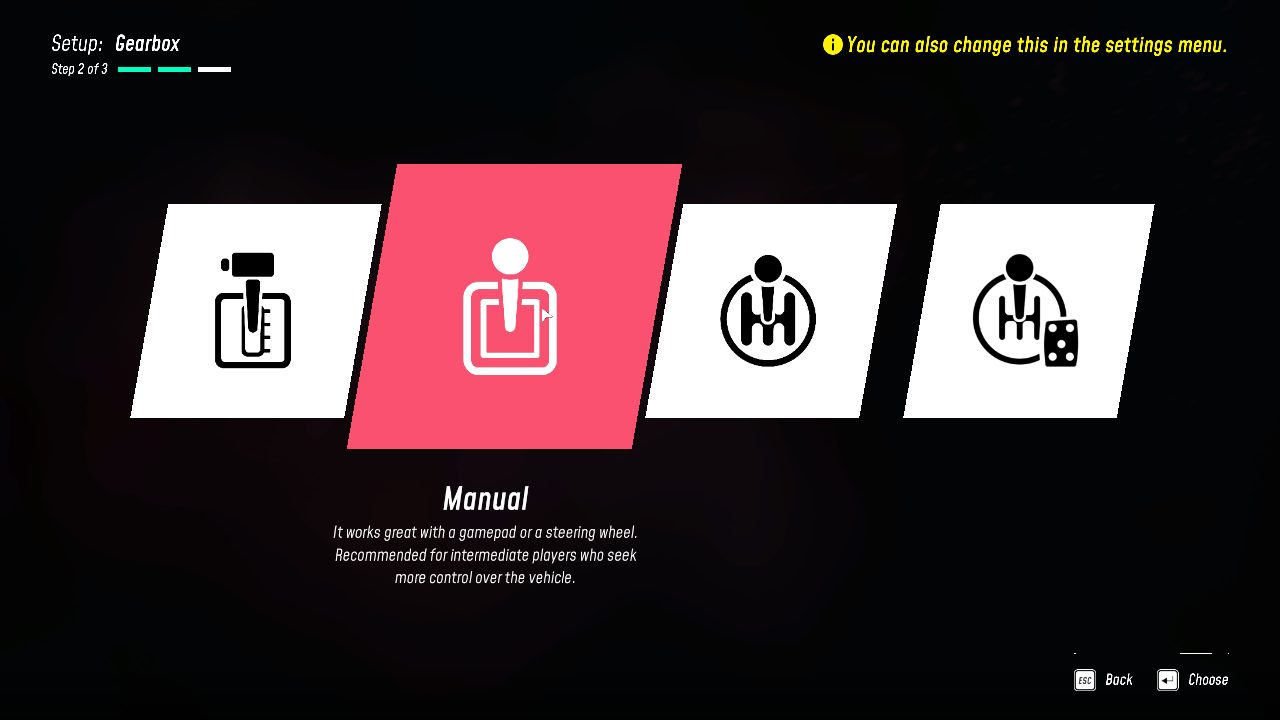
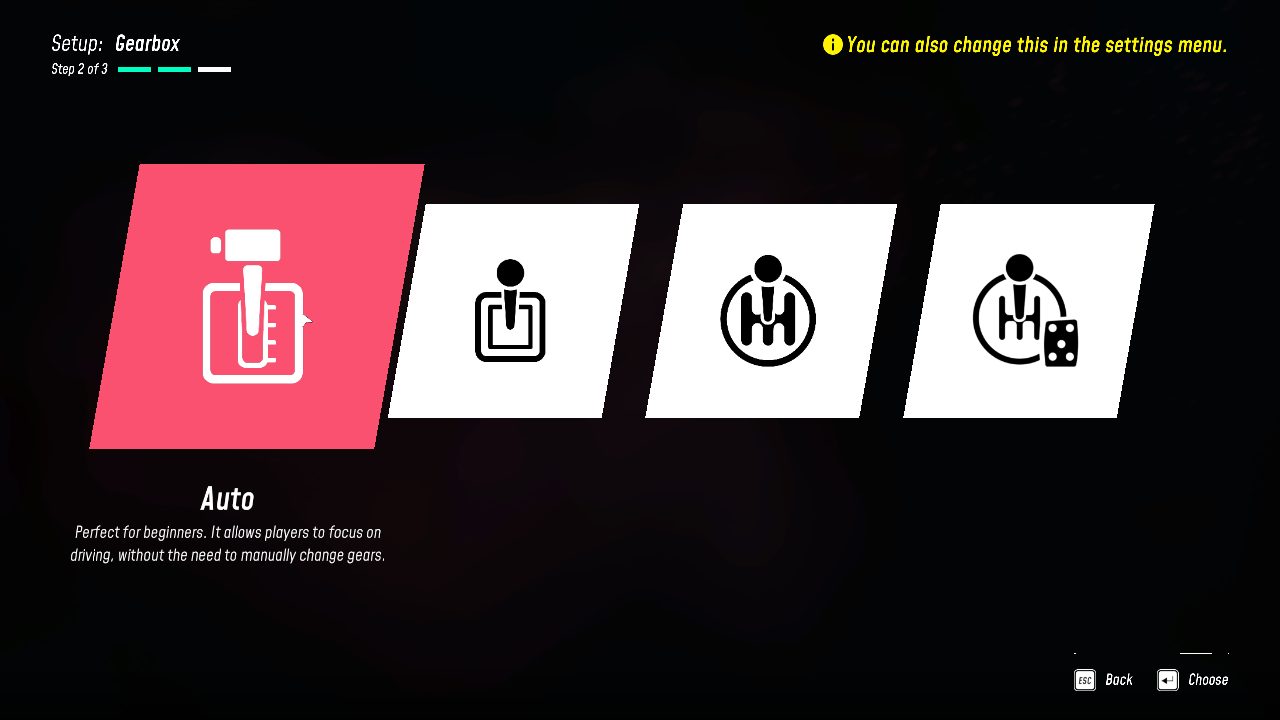
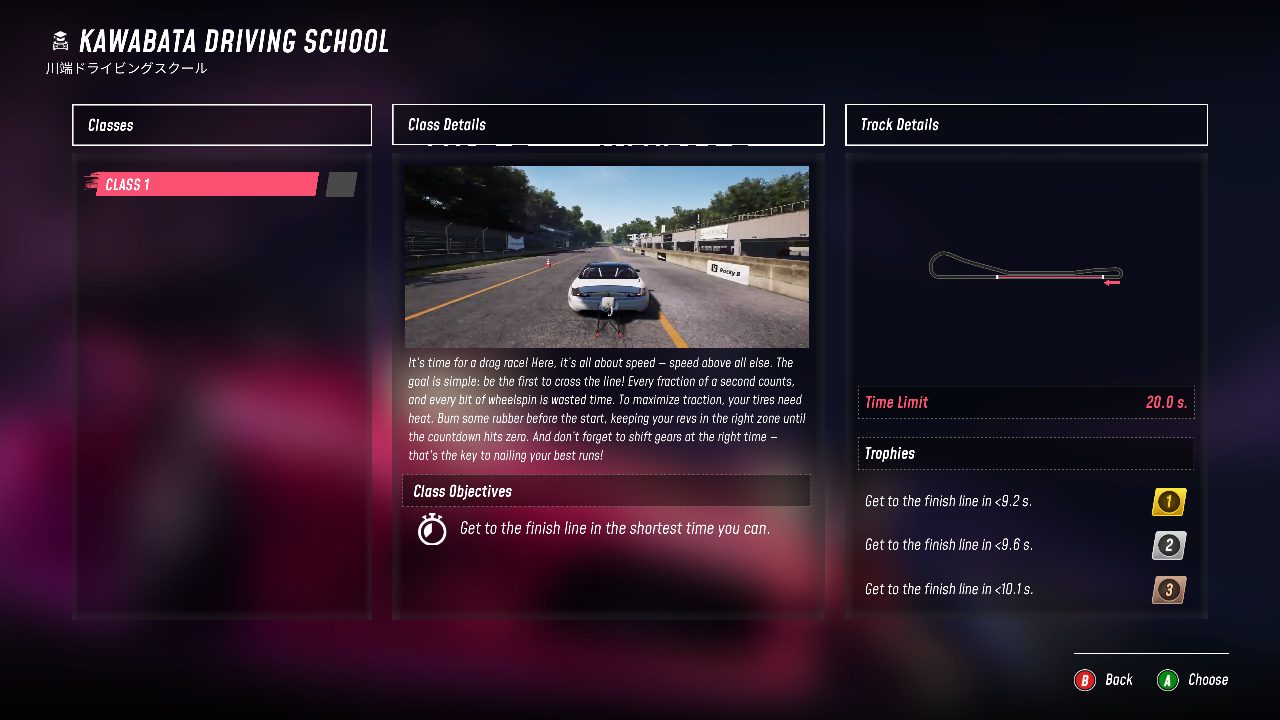
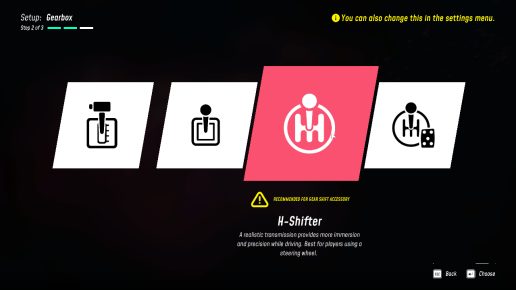
The game offers three transmission options—manual, manual with auto-clutch, and automatic—providing flexibility to suit different playstyles and skill levels. Manual mode is the most immersive, requiring precise gear shifts and clutch management, especially in simcade settings where timing is critical for maintaining drift angles on Guntama’s winding roads. The game’s interface clearly displays gear ratios and shift points, helping players optimize performance for each car’s unique characteristics. This depth adds authenticity, particularly for JDM enthusiasts familiar with the intricacies of cars like the Mazda RX-7 or Nissan 240SX.
Automatic mode simplifies gameplay for beginners, allowing them to focus on steering and throttle control without worrying about gear changes, while manual with auto-clutch offers a middle ground, reducing complexity while retaining some realism. However, the manual mode’s learning curve can feel steep without comprehensive tutorials, and some players might struggle to master it early on. Despite this, the variety of transmission options enhances replayability and ensures the game accommodates both casual players and those seeking a true-to-life drifting experience.
In-Game Drifting Physics
The drifting physics in JDM: Japanese Drift Master are a standout, blending realism with accessibility to create a satisfying driving experience. Developed with input from professional drifters, the physics engine accounts for tire grip, weight distribution, suspension dynamics, and road conditions, making each car feel distinct. For instance, the Toyota AE86’s nimble handling contrasts with the Subaru BRZ’s balanced grip, while dynamic weather (rain, fog) and day-night cycles affect traction, adding strategic depth. In simcade mode, executing advanced techniques like Scandinavian flicks or countersteering feels rewarding, closely mimicking real-world drifting.
In arcade mode, the physics are more forgiving, allowing players to maintain slides with less precision, which can occasionally undermine the challenge for seasoned players. While the physics are impressive, they fall slightly short of hyper-realistic sims due to simplified tire wear and heat modeling. Still, the attention to car-specific handling and environmental factors ensures a thrilling experience, especially on touge courses where precision is paramount. The physics engine is a highlight, making every drift feel visceral and earned, particularly in the game’s challenging simcade setting.
Car Upgrades
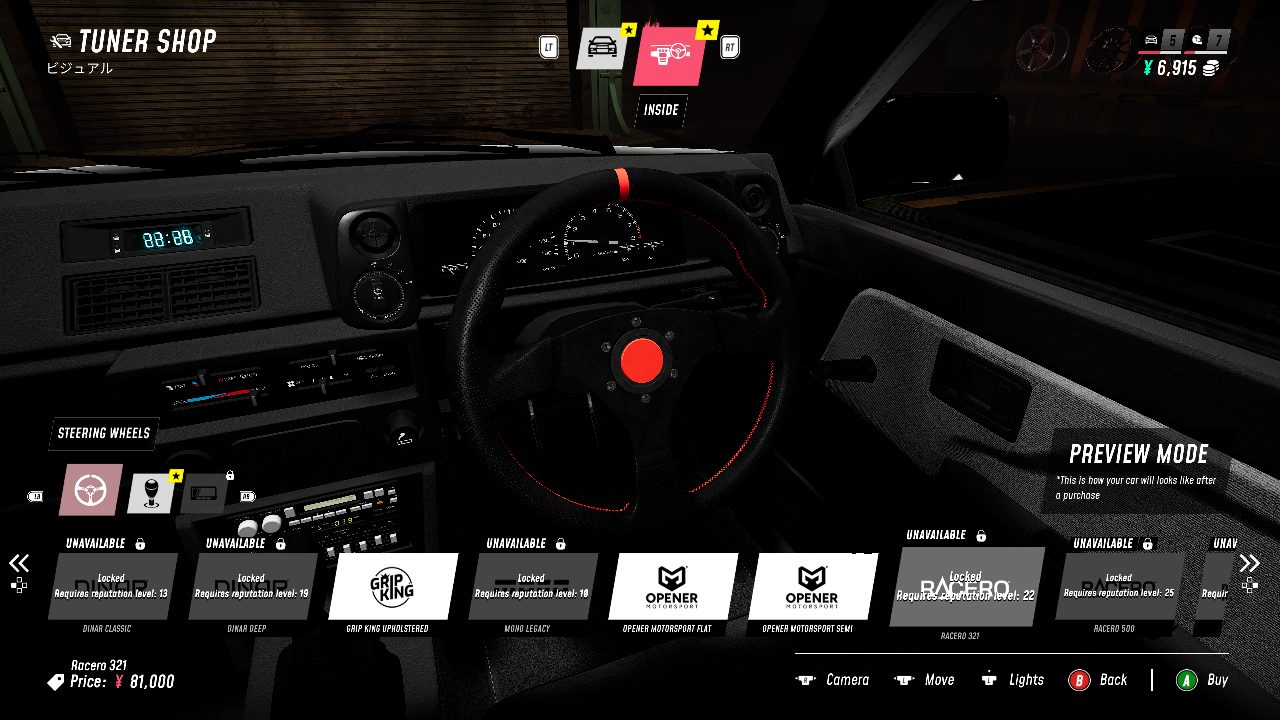
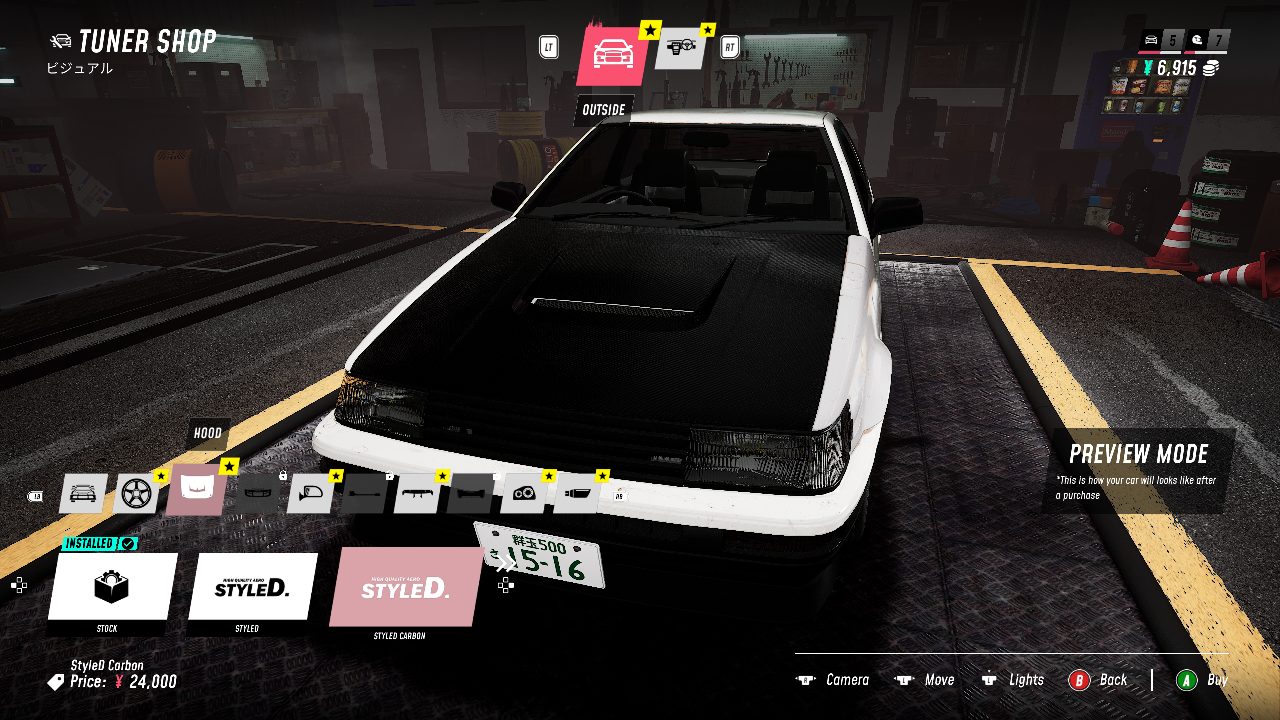
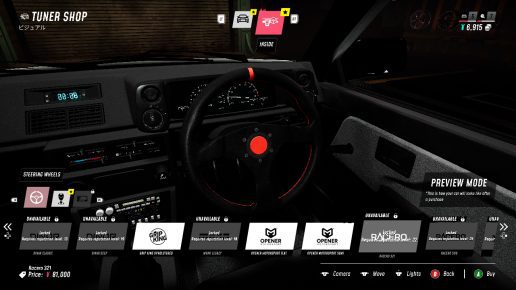
Car customization in JDM is a gearhead’s dream, offering extensive upgrades that cater to both performance and aesthetics. Players can tweak engines, turbochargers, suspensions, differentials, and tires, with options to adjust gear ratios, camber, and boost levels for fine-tuned performance. Licensed JDM cars from Nissan, Mazda, Honda, and Subaru are faithfully recreated, complete with accurate engine sounds and handling traits, such as the Mazda RX-7’s smooth rotary power or the Nissan 240SX’s drift-friendly balance. The upgrade system is intuitive, with clear performance metrics displayed, allowing players to see the impact of each modification on speed, grip, or drift angle.
Aesthetic upgrades are equally robust, featuring body kits, spoilers, and a paint shop with Japanese-inspired designs like itasha vinyls and vibrant liveries. However, unlocking high-end parts can feel grindy, requiring significant race winnings or sidequest completions, which may frustrate players eager to access premium upgrades. The car roster, while impressive, could benefit from more obscure JDM models to further diversify the lineup. Despite these minor drawbacks, the depth and authenticity of the upgrade system make it a core strength, rewarding players who invest time in building their dream drift machine.

Overall Impression
JDM: Japanese Drift Master is a triumphant celebration of Japan’s drifting culture, blending a vibrant open world, authentic JDM cars, and a captivating manga-style narrative. Its arcade and simcade modes, robust transmission options, and stellar drifting physics cater to a wide audience, while the deep upgrade system delights car enthusiasts. Though it lacks the granular depth of pure sims and could use more varied cars or tutorials, its cultural authenticity, polished gameplay, and immersive storytelling make it a standout title.
Scoring a well-deserved 9/10, JDM is a must-play for fans of drifting, JDM culture, and manga-inspired gaming, setting a high bar for the genre.
9
JDM: Japanese Drift Master review code provided by publisher and reviewed on a HP Victus Gaming PC and 4K Monitor. For more information on scoring, please read What our review scores really mean.